The Best Annual Flowers for Planters: A Complete Buying Guide for 2026
Disclosure: We may earn a commission when you buy through links on this page, at no extra cost to you. As an Amazon Associate I earn from qualifying purchases. Learn more

Best annual flowers for planters: how to match sun, pot size, bloom time and watering so your pots stay full all season.
A planter can look full and bright in May and tired by July if the flowers inside were chosen for the store shelf instead of your light, your pot size, and your watering habits. Annuals live fast, so small mismatches show quickly. This guide to the best annual flowers for planters helps you choose plants, seeds, or starter packs that match your space and keep blooming until frost.
You will work through sun exposure, mature size, bloom span, soil and drainage needs, and cost per pot. Read it alongside the product table, and you will order with a plan instead of a guess.
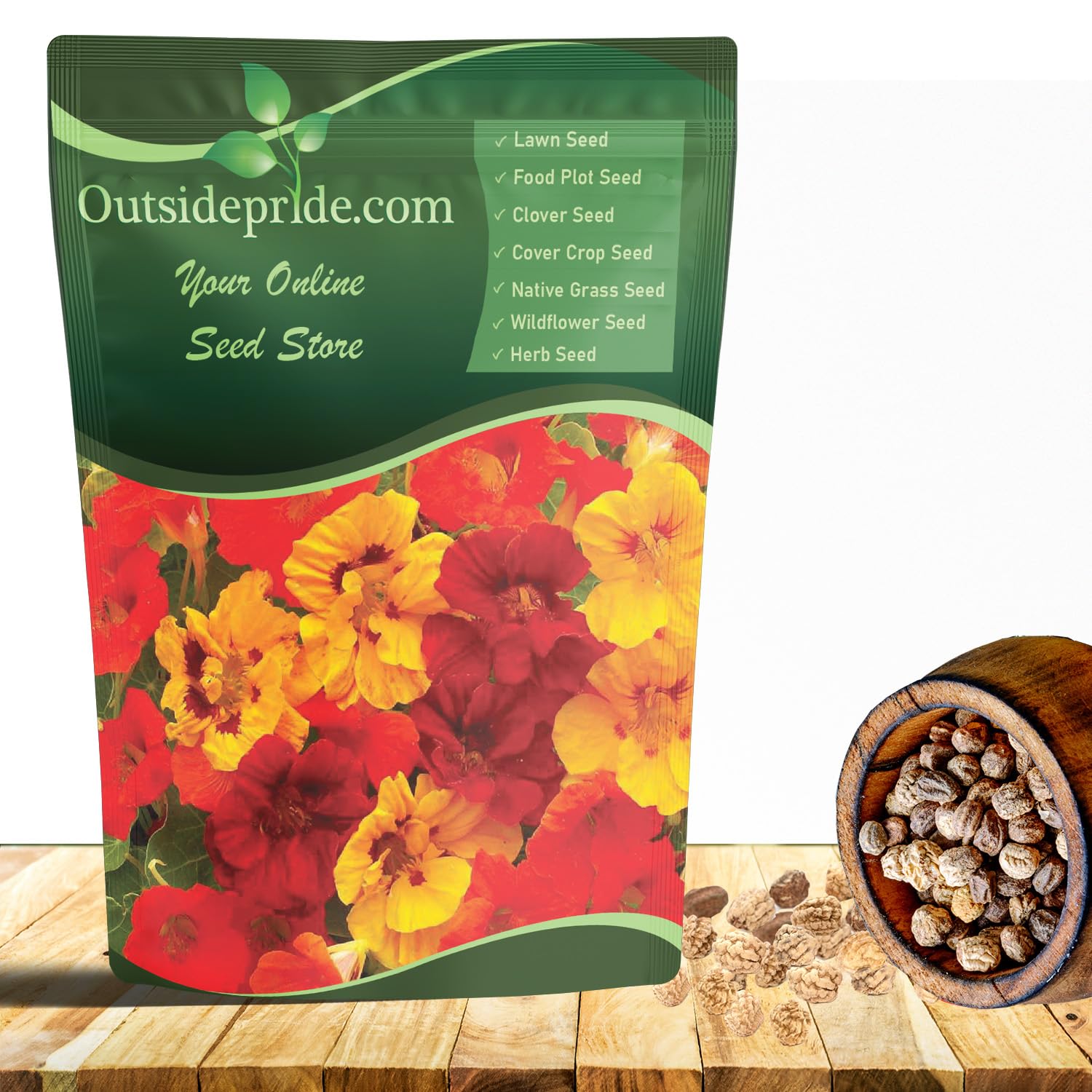
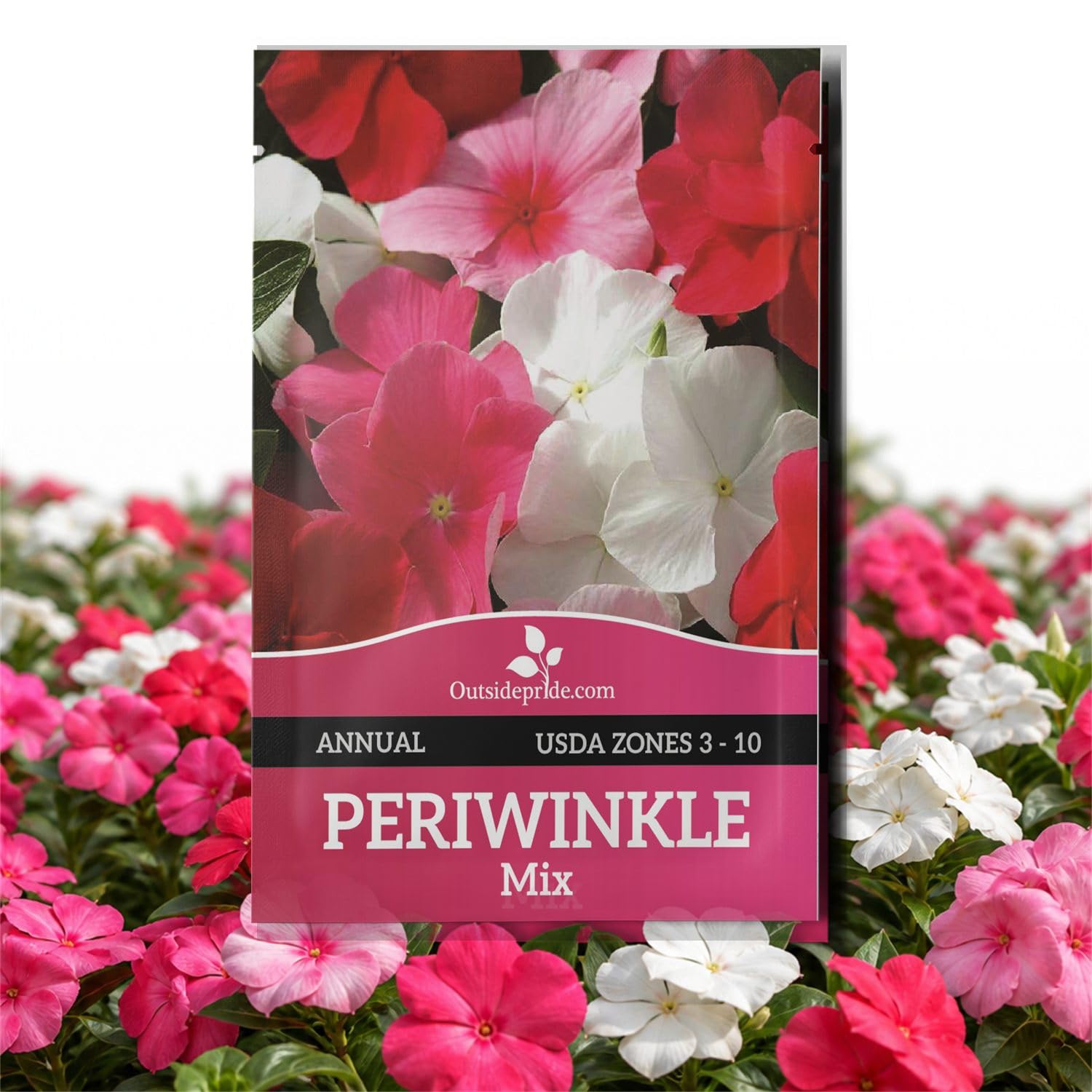


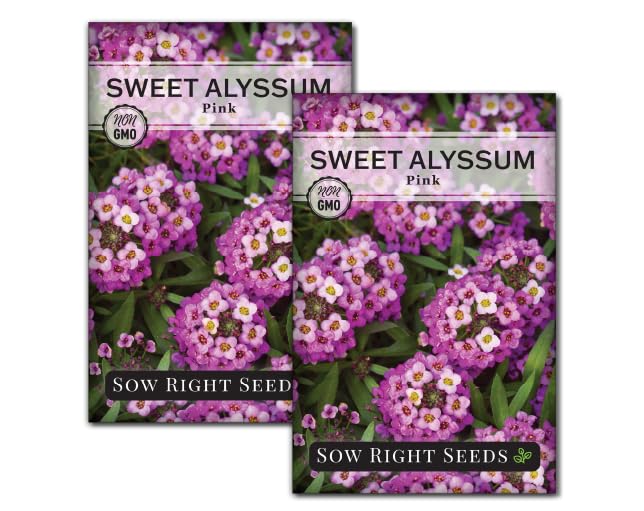

Three Ways to Buy Annuals for Planters
Annual flowers reach you as seed, as small starter plants, or as larger nursery pots ready to drop in. Each route suits a different gardener, and the strongest choice is the one that matches your time and your season length.
Starter Plants
Starter plants in four inch pots are the best all around route for most planter gardeners. They establish fast, show their true flower color at purchase, and fill a pot within weeks. You pay more per plant than seed, typically around $4 to $8 each, but you skip germination risk and gain a month of growth. The limit is selection: popular colors sell out early in spring, so shop before the first warm weekend rush.
Seed Packets
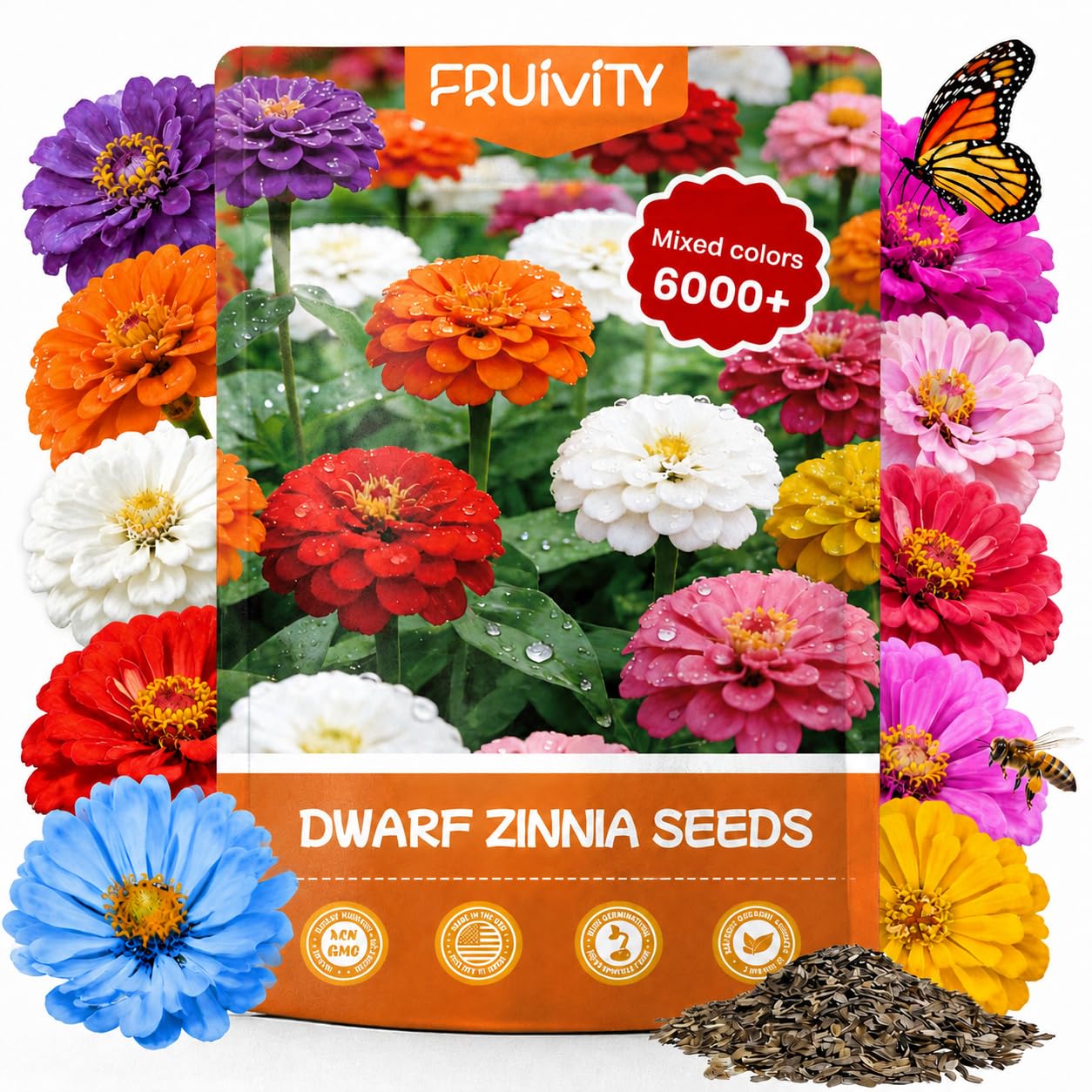
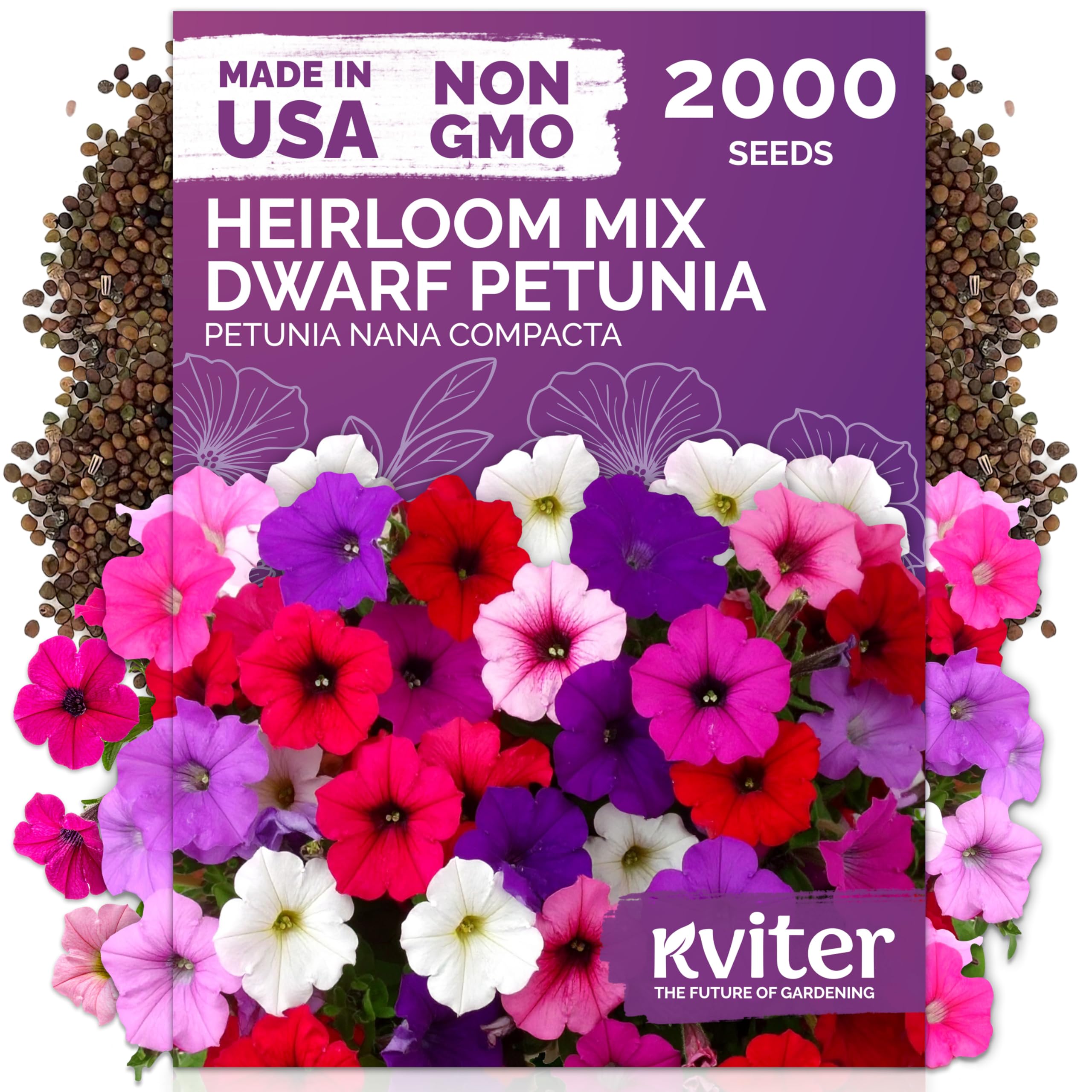
Seed packets, usually around $2 to $5 for dozens of seeds, give the lowest cost per flower and the widest color range. Fast annuals sown directly in the planter can bloom within six to ten weeks in warm soil. This route suits patient gardeners and anyone filling many pots. Its limit is timing: in short season climates, late sowing means late flowers, and indoor starting adds work with lights, trays, and careful watering.
Large Nursery Pots
Large nursery pots and hanging basket sized starts, around $12 to $25 each, deliver instant impact for a front step, a wedding, or a photo ready porch. Roots are well developed, and one plant can anchor a whole container design. The risk is that a plant raised in a greenhouse may sulk for a week in real sun and wind, so harden it off gradually and water deeply at planting.
How to Choose the Best Annual Flowers: Buying Guide
Features That Matter for Planters
Planters dry out far faster than garden beds, so choose flowers known for steady bloom without constant deadheading, plus roots that tolerate warm, confined soil. Self cleaning types drop spent blooms on their own, which keeps pots tidy with little work. Compact or trailing habits matter too: a plant bred for containers stays in scale, while a vigorous garden variety can swallow its neighbors by midsummer.
Check the plant tag for mature height and spread, then picture those numbers inside your actual pot. A flower listed at 18 inches tall with a 14 inch spread needs a large planter or a solo spot.
Match the Product to Your Garden Size and Layout
Count your planters and their sun patterns before you buy anything. A sunny porch with six large pots needs a different shopping list than a shaded balcony with two small ones. Group flowers by water needs as you plan, since a thirsty variety beside a drought tolerant one forces you to overwater one or underwater the other.
Think in layers: one taller plant for height, mounding plants for the middle, and a trailer for the edge. If porch pots are your focus, the ideas in best flowers for porch planters show how that layering works at an entry where curb appeal matters most.
Value and Coverage per Dollar
Compare cost by coverage, not by sticker. One vigorous plant that spreads 16 inches can cover more soil than three weak plants at a lower unit price. For seeds, look at the expected plant count after thinning, not the raw seed count. For starter plants, a full root ball that holds its shape when you slide it from the pot signals a plant that will establish quickly and bloom longer.
Budget around $15 to $40 of plants for a large statement planter, and less for small pots grouped together. Remember that potting mix and slow release fertilizer add to the real cost per pot, so leave room in the budget for both.
Ease of Use and Storage
Starter plants need planting within days of purchase, while seeds store well in a cool, dry drawer for a season or more. If you buy early during a sale, you must shelter tender annuals from late frost, which is the most common way eager shoppers lose plants. Check hardiness against your last frost date and keep a light cover handy for surprise cold nights.
Practical tip: label each planter with plant names and the planting date on a tag tucked at the back. By August you will know exactly which choices earned a repeat order, and which ones struggled in your light.
Pet Safety and Organic Choices
If planter water drains toward a vegetable patch or a pet bowl area, choose organic growing methods and avoid systemic insect treatments on flowering plants. Look for seed described as untreated, and for soil and fertilizer with OMRI listing when organic status matters to you.
Some common annuals are toxic if eaten, so place those planters out of reach of curious pets and toddlers, and teach children that planter flowers are for looking, not tasting. When in doubt about a plant, check its name against a trusted pet safety list before you buy.
Performance Specs: Bloom Span, Spacing, Drainage, and Feeding
Read four numbers on every tag or packet: days to bloom for seed, mature spread for spacing, sun hours required, and bloom season length. Space plants at about two thirds of their listed spread in containers, since planter plants grow lush with regular feeding. Drainage is non negotiable: every planter needs holes, and a coarse potting mix, not garden soil, so roots get air between waterings.
For feeding, a balanced fertilizer with an even NPK ratio, such as 10 10 10 in slow release form, supports steady bloom. Liquid feeding at half strength every two weeks suits heavy bloomers. More fertilizer is not better; excess nitrogen grows leaves at the expense of flowers and can burn roots in a small pot.
Types of Annual Flowers
Organic and Eco Friendly Options
Open pollinated seed and plants raised without synthetic sprays support pollinators and suit gardeners who compost and save seed. Single flowers with open centers feed bees far better than dense double blooms. These options sometimes cost a little more and may show minor leaf blemishes, a fair trade for many home gardeners. If your planters sit on a railing, best flowers for railing planters adds safety and weight notes specific to that narrow, elevated spot.
Premium and Heavy Duty Options
Premium annuals are bred for disease resistance, heat tolerance, and nonstop bloom, and they justify their price in tough spots like hot south facing walls. They hold their form through summer storms better than bargain plants. Choose them for the planters you see every day. Gardeners with a mailbox planting can compare with best flowers for mailbox planters, where heat from pavement and reflected light punish weaker varieties.
Lightweight and Compact Options
Compact and trailing annuals bred for small containers shine in window boxes, small pots, and hanging baskets. They need less soil, less water per pot, and they will not overwhelm a narrow space. Their limit is presence: in a very large planter, small plants look lost unless you group several together with one taller anchor plant.
Setup and Care Tips
- Water early in the morning: morning watering lets foliage dry during the day, which lowers disease pressure in crowded pots.
- Check moisture before you water: push a finger one inch into the mix; water deeply only when that layer feels dry.
- Refresh potting mix each season: annual roots fill a pot in one year, so start fresh or blend in compost and new mix.
- Check soil pH every couple of years: most annuals thrive near a slightly acidic to neutral pH, and a simple test explains stubborn poor growth.
- Pinch and trim lightly: pinching young tips encourages branching, and a midsummer trim revives leggy plants within weeks.
- Empty and store pots before hard freezes: ceramic and clay planters crack when wet mix freezes, so store them dry under cover.
For a wider view of container choices beyond annuals alone, best annuals for planters compares planting styles that pair well with the flowers in this guide.
Frequently Asked Questions
What features matter most in annual flowers for planters?
Steady bloom, the right mature size, and tolerance for fast drying soil matter most. A self cleaning habit saves weekly deadheading, and a habit that matches your pot, mounding, upright, or trailing, prevents midsummer crowding. Check sun needs honestly: a flower wanting six or more hours of sun will sulk and stretch in shade no matter how well you feed it.
Is organic worth it for planter annuals?
Organic seed, mix, and fertilizer are worth it when planters sit near herbs, vegetables, pets, or play areas, and when you want to support pollinators. The extra cost is modest for containers because volumes are small. The main trade is vigilance: organic pest control works best when you catch problems early, so inspect leaves twice a week during hot spells.
How much do I need for my garden?
Plan by pot diameter. A 12 inch planter usually takes three to five starter plants, while a 20 inch planter takes five to eight, depending on spread. Seed sowers should plant about twice the final count and thin later. Buying one extra plant per large pot is a cheap insurance policy against a single failure in the first two weeks.
How long do annual flowers last in planters?
True annuals complete their life in one season, blooming from late spring until frost, roughly four to six months in many climates. Heat waves can pause bloom for a few weeks even on healthy plants; steady watering and a light trim usually restart flowering. Because they will not return next year, treat the cost as a seasonal display budget rather than a permanent planting.
What is the difference between garden soil and potting mix?
Garden soil is dug or bagged topsoil meant for beds, and in a pot it compacts, drains poorly, and suffocates roots. Potting mix is a soilless blend of bark, coir or peat, and perlite that holds moisture while keeping air pockets open. Always fill planters with potting mix, and refresh it each season because its structure breaks down as roots and microbes work through it.
Final Thoughts
Match sun and size first, then judge value by coverage and bloom span rather than sticker price. Keep drainage and feeding simple and steady, and your pots will carry color from late spring to frost. Look back at the product table, compare your final choices, and plant the best annual flowers for planters with confidence this season.