Best Annuals for Shade Planters: Buyer Checklist for 2026
Disclosure: We may earn a commission when you buy through links on this page, at no extra cost to you. As an Amazon Associate I earn from qualifying purchases. Learn more

Best annuals for shade planters: a buyer checklist covering true light level, foliage, soil, watering and value.
Shade is where many planters quietly fail, because plants sold with bright flowers in the store were often raised under ideal light and then fade on a covered porch. This checklist helps you judge best annuals for shade planters by true light level, foliage strength, and moisture fit before you buy.
Work through each criterion below, note which ones your spot can honestly meet, and then use the product table to narrow the field. A shaded planter done well looks lush for months, with foliage doing as much work as the flowers.
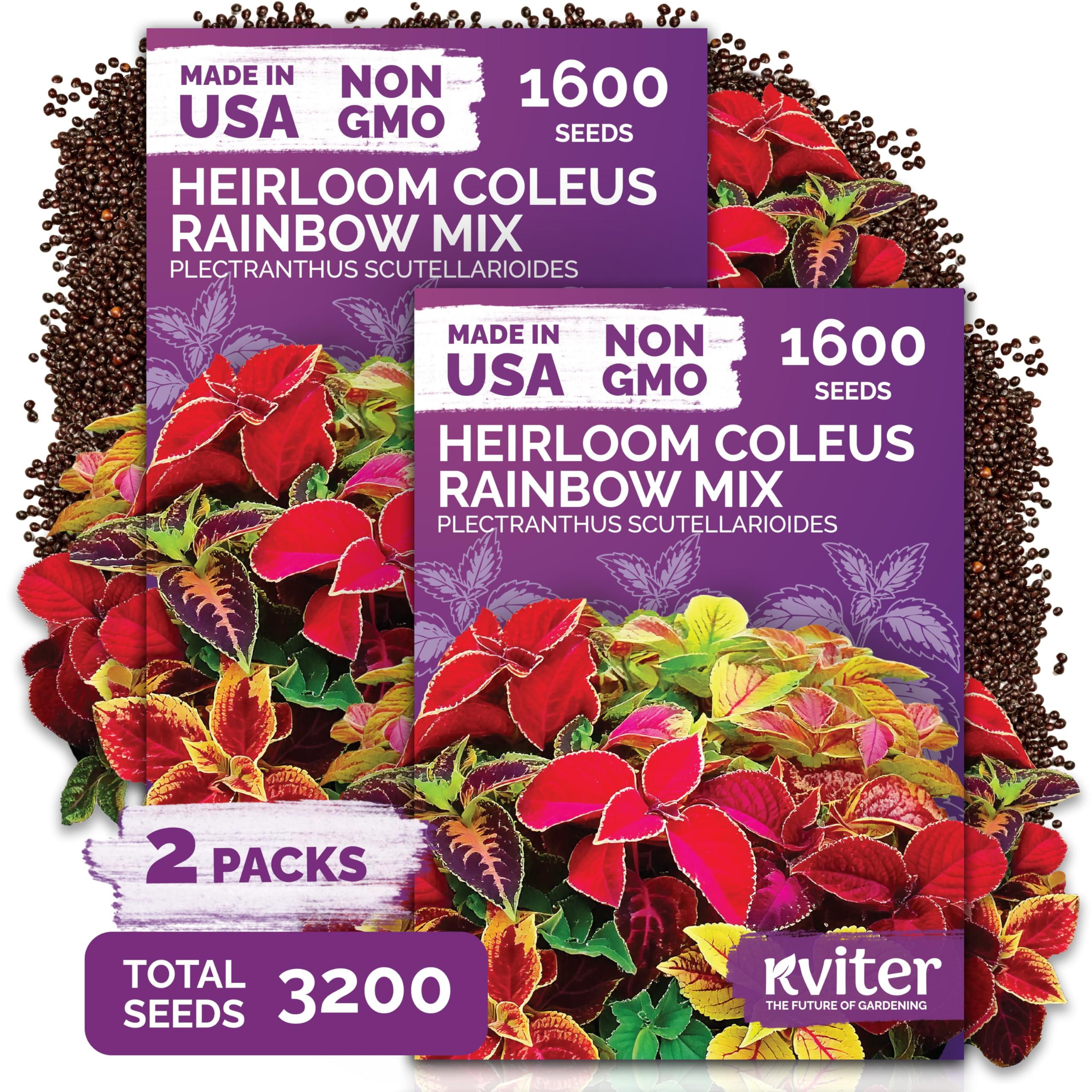
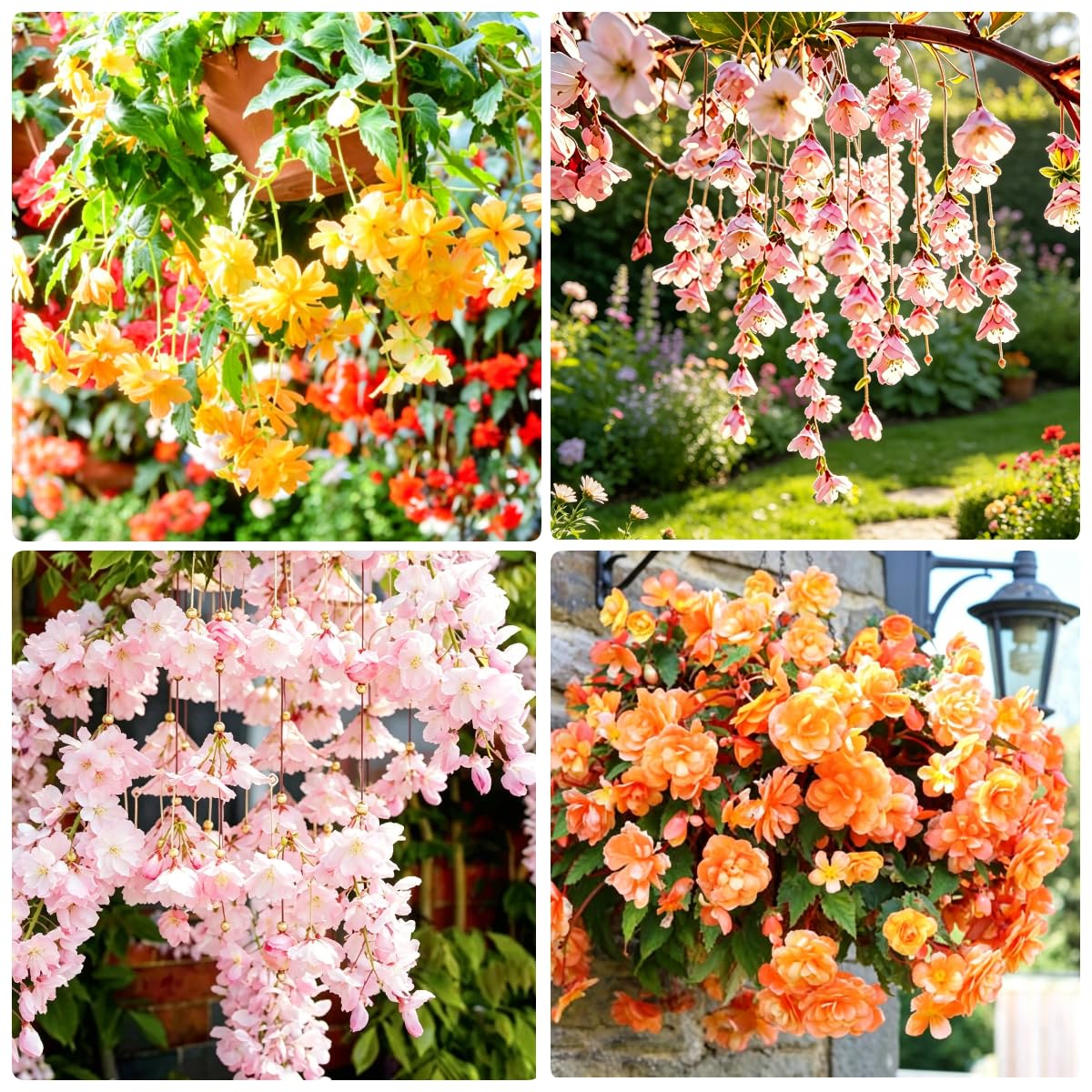


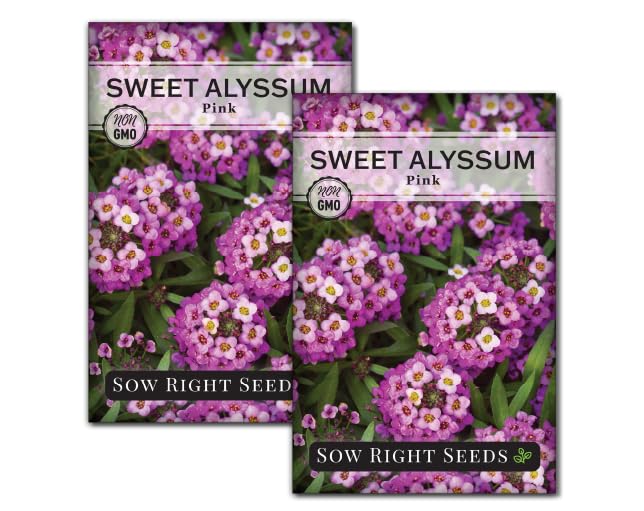
How to Evaluate Annuals for Shade
Features That Matter for Shade Planters
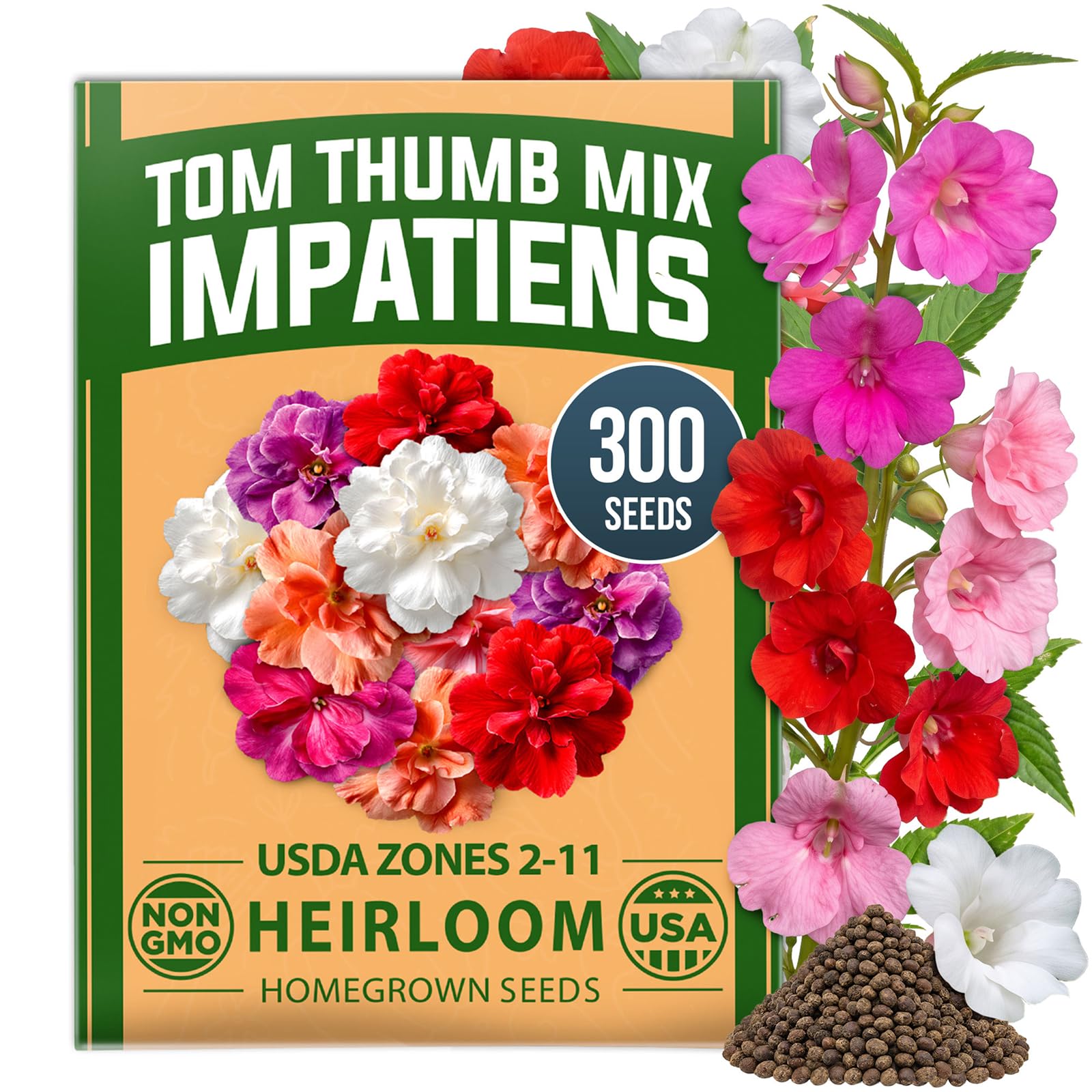
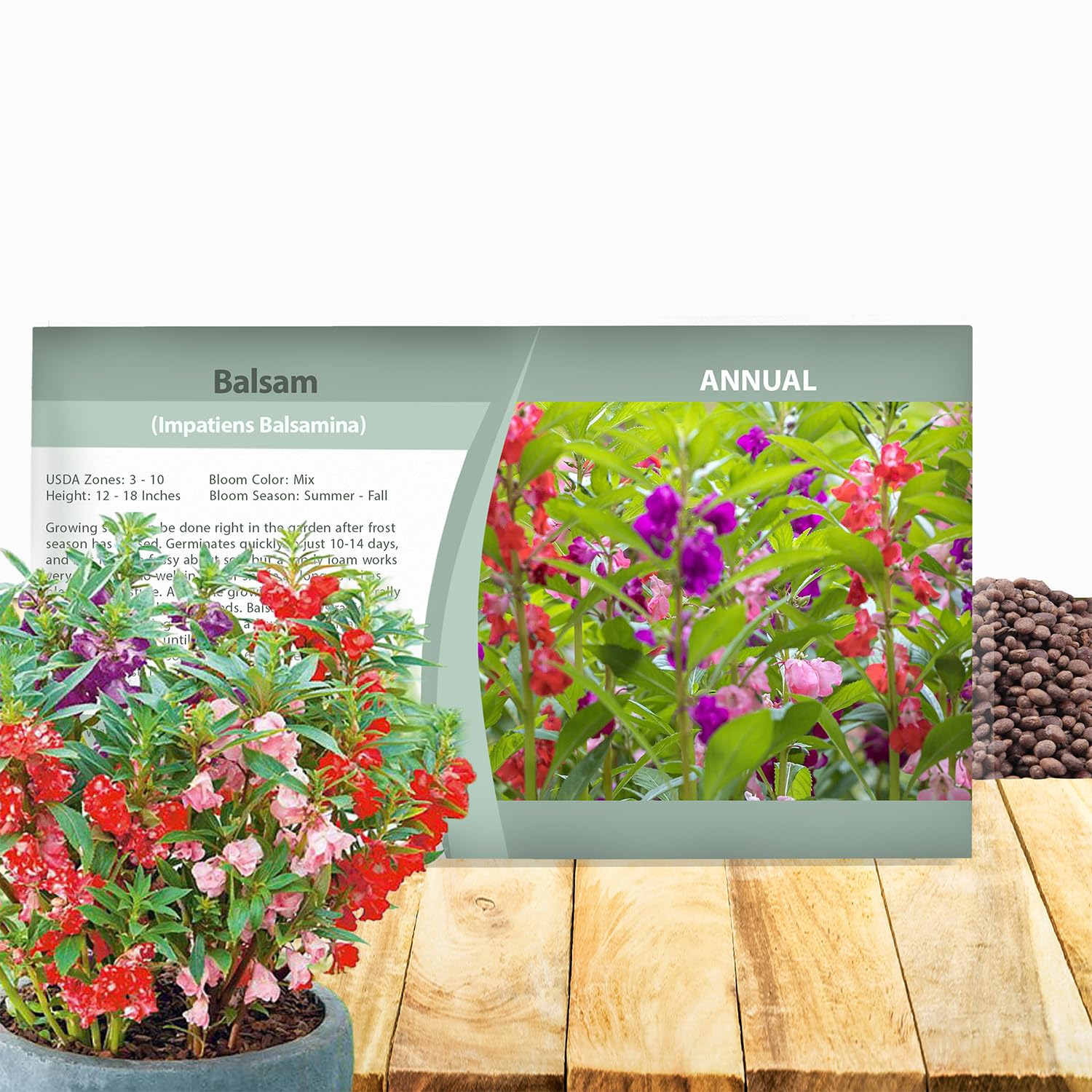
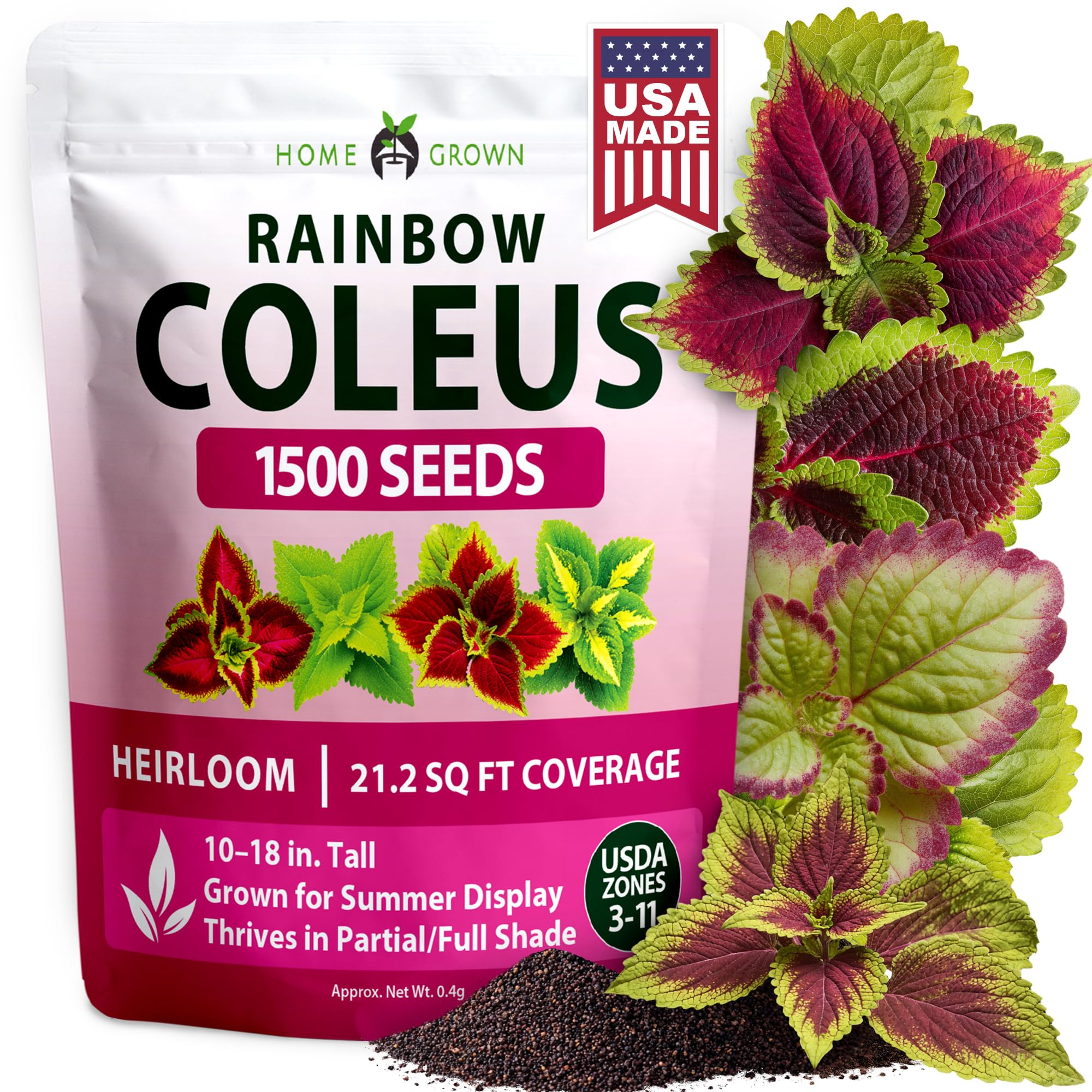
True shade tolerance is the first filter. Look for plants rated for part shade to full shade, with strong foliage that stays colorful without direct sun. Flowering types for shade bloom less densely than sun types, so leaf color and texture carry the display. Choose plants that tolerate steady moisture without rotting, since shaded soil dries slowly. Compact growth matters too, because shaded plants stretch toward light and can turn leggy. A plant that stays tidy at twelve to eighteen inches tall suits most planters best.
Match the Product to Your Garden Size and Layout
Measure your light before your planter. Bright shade under a high tree canopy suits more flowering types than the deep shade beside a north facing wall. Small planters dry faster even in shade, while large planters hold moisture and suit bigger foliage plants. Group one taller center plant with mid height fillers and a trailing edge plant for a layered look. Readers planning the container itself can compare our guide to the best shade planters for size and material help.
Pet Safety and Organic Choices
Check plant safety when pets or small children share the space, since some common shade plants are harmful if eaten. Ask the nursery or check a trusted plant database before you buy, and place any doubtful plant out of reach. For soil and feed, OMRI listed and organic options reduce chemical concerns near seating and play areas.
Material and Build Quality
Planter material changes shade gardening more than people expect. Porous clay dries faster and can help in damp shade, while plastic and resin hold moisture longer and weigh less on a porch. Thick walls resist cracking when wet soil freezes. For the plants themselves, judge build by stem firmness and root health rather than flower count. A stocky plant with many buds outperforms a tall plant in full bloom. Soil quality counts as build too, so pick a mix with bark and perlite rather than a dense, heavy blend.
Durability and Weather Resistance
Shade planters face damp as their main weather test. Leaves that stay wet need good air flow, so spacing and a breezy spot protect against mildew. Choose plants known to hold up in humid weather if your summers are sticky. Pots should drain freely and sit on feet or a stand so the base dries between waterings. In fall, empty and clean planters, and store clay pots under cover, since wet clay plus frost is the most common cause of cracked pots over winter.
Value and Coverage per Dollar
Shade annuals often grow slower, so a larger starter plant can be worth more here than in sun. A plant at around $6 to $12 that fills its space by early summer beats a plant at around $3 to $5 that leaves gaps until August. Foliage plants give long value because they look good even between bloom cycles. Judge cost per month of good looks, not per flower. Gardeners building several planters can start with our general guide to the best annuals for planters and then narrow by shade rating.
Three Plant Profiles to Look For
Flowering Annual Plus Foliage Support
The most dependable choice pairs a reliable flowering annual for shade with strong foliage support plants in the same planter. It suits most porches and patios because it stays attractive even when bloom pauses. Expect to pay around $6 to $12 per plant at a useful size. Care is simple, with watering by soil feel and light feeding every few weeks. The trade off is flower density, which will never match a sunny planter, so set expectations on lush texture rather than a solid sheet of color.
Foliage Led Multipacks
The budget choice leans on foliage plants and a few flowering accents, since foliage types cost less per pot and cover more space. It suits large shaded planters and gardeners planting several containers at once, often at around $3 to $6 per plant in multipacks. You give up some flower color, but the planter looks full within weeks and stays that way. Add one brighter accent plant per pot if the spot feels flat, and let leaf contrast in green, silver, and deep red tones do the rest of the work.
Compact Mounding Annuals
The compact choice is a small, tidy annual under about ten inches tall with a neat mound shape. It suits small porches, steps, and tabletop planters where a big plant would crowd the space, at around $4 to $8 per plant. Flowers tend to be smaller but plentiful, and foliage stays dense without pruning. The limit is impact from a distance, so group two or three compact planters together for a stronger effect. Flower led ideas also appear in our guide to the best shade flowers for planters for small spaces.
Quick Buyer Checklist
- Have you watched the spot and counted its true hours of direct sun?
- Is every plant rated for part shade or full shade, not just low light?
- Does the planter have drainage holes and a way to lift it off wet ground?
- Do all plants in the planter like similar soil moisture?
- Have you checked plant safety if pets or children use the area?
- Does at least one foliage plant carry the display between blooms?
- Can you reach the planter easily for regular moisture checks?
Red Flags to Watch For
Beware of sun loving plants placed on shade tables at the store, a common display shortcut in spring. Tags with no light rating at all are another warning sign. Skip plants with white powdery patches, spotted leaves, or a sour smell from the pot, since damp shade spreads disease. Avoid planters sold without drainage holes for outdoor shade use. Finally, treat claims of heavy bloom in deep shade with doubt, because no annual flowers strongly with almost no light, and honest tags say so.
Care and Maintenance Tips
Water early in the morning so leaves dry during the day, and always check soil first because shade soil stays moist longer than you think. Refresh the potting mix each season so roots get fresh air space and nutrients. Pinch leggy stems back to a leaf joint to keep plants compact, and rotate the planter a quarter turn each week if light comes from one side.
For more plant level options, see our guide to the best shade plants for planters before your final shop.
Annuals: Your Questions Answered
What features matter most in annuals for shade planters?
True shade tolerance, healthy foliage, and moisture tolerance matter most. One point buyers often miss is bud count versus open flowers. A plant covered in buds will bloom for weeks, while a plant in full flower with no buds may be near its peak. In shade, where bloom is slower, that bud check decides whether the planter improves or fades after planting.
Is organic worth it?
Organic soil and feed are worth it for many shade planters because the space is often near doors, seating, and pets. Organic matter also improves the moisture balance that shade roots need, holding water without turning soggy. The cost difference per planter is small, usually a few dollars a season. Apply organic feed a little earlier than synthetic feed, since nutrients release slowly and plants in cool shade grow at a gentler pace.
How much do I need for my garden?
Plan by planter volume and mature spread. A medium planter about fourteen inches wide usually needs three plants, one center and two fillers, or one center plus a trailing plant. Buy potting mix by the bag size that fills the planter with a little spare for topping up. Shade plants grow slower, so planting slightly closer than the tag spacing is reasonable, as long as air can still move between the leaves.
What is the difference between garden soil and potting mix?
Garden soil belongs in the ground, while potting mix is built for containers with air space and steady drainage. In shade that difference grows, because a heavy garden soil stays cold and wet in a pot and roots can rot quietly. Potting mix with bark keeps oxygen around roots even when moisture lingers. If a bag feels very heavy and dense in the store, it is a poor choice for a shaded planter.
Our Verdict
Judge shade plants by foliage and light honesty first, and by flower color second. Give them airy mix, careful watering, and space to breathe, and a shaded planter will reward you all season. Compare your final choices in the product table, and start with best annuals for shade planters that match your true light level rather than the light you wish the spot had.