The Best And Worst Hot Tubs: Buying Guide for 2026
Disclosure: We may earn a commission when you buy through links on this page, at no extra cost to you. As an Amazon Associate I earn from qualifying purchases. Learn more

A buying guide to the best and worst hot tubs: size, jets, insulation, safety and running costs, so you can choose with confidence.
A hot tub is one of the largest and longest lived purchases you can make for your home, and the ownership experience varies enormously between a well built spa and a poorly built one. The gap between the best and worst hot tubs shows up in insulation, jet quality, and how much support you get when something leaks in year three. This guide shows you what to check before you commit.
You will learn how to size a tub for your space and your household, why jet count is a misleading number, and how to estimate the real monthly cost of heating and chemicals. Keep the comparison table below in view as you read, and score each candidate on the points that match how you plan to soak.


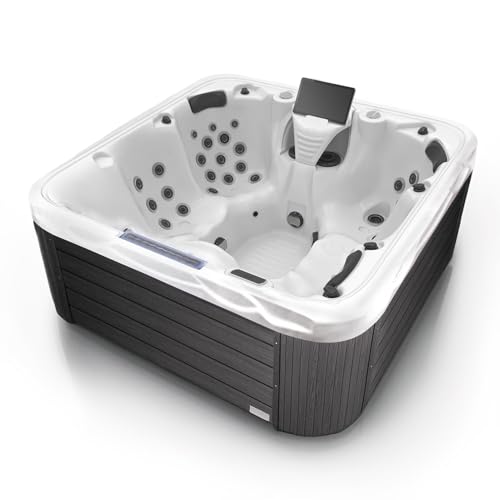
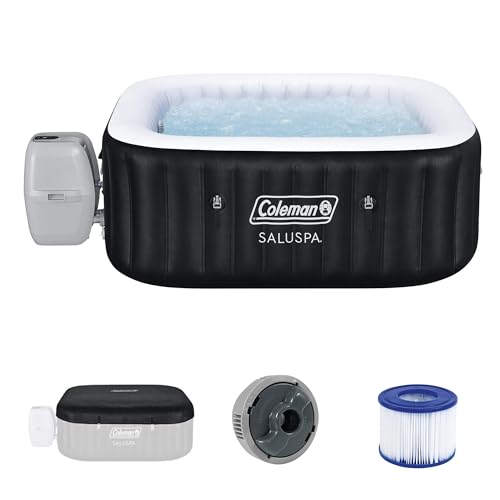


Three Price Tiers at a Glance
Hot tub pricing spans a wide range, and each tier sets honest expectations for shell quality, insulation, and warranty length. Use these descriptions to judge whether a model in the product table above is priced fairly for what it is built from.
Strong All Around Tier
A strong all around spa, usually around $6,000 to $9,000, seats four to six people, uses full foam or well fitted insulation, and carries a shell warranty of five years or more. Jets are a sensible mix of sizes placed for back, shoulders, and feet rather than a huge count of tiny jets. Controls are simple, the cover is thick and well sealed, and parts are easy for a local technician to source.
Value Tier
Value tier tubs, often around $3,500 to $6,000, cover the core experience well: hot water, honest jet action, and a sturdy acrylic shell. You may give up some insulation, which raises winter heating bills, and the warranty on parts is often shorter. Many value tubs run on a standard 120 volt plug, which avoids electrician costs but heats more slowly and cannot run the heater and high speed jets at full power together. For mild climates and smaller households, that trade off can be perfectly sensible. Shoppers watching the budget closely can compare the approach in our guide to the best inexpensive hot tubs before deciding how far down in price to go.
Upgrade Tier
Upgrade tier spas, often around $9,000 to $15,000 or more, add deeper insulation, quieter pumps, better water care systems, and longer warranties on the shell and structure. Seating is more sculpted, jets are more varied, and cabinets use materials that shrug off sun and frost for years. Lighting and sound extras appear here too, though they add little to the soak itself. The real upgrade is lower running cost and a longer service life. This tier suits daily soakers, cold climates, and anyone who plans to keep the tub for a decade.
How to Choose the Best And Worst Hot Tubs: Buying Guide
Seven checks separate a spa that relaxes you for years from one that generates repair bills and lukewarm water. Read them in order, because fit and electrical planning come before features.
Intended Use and Who It Is For
Name your main use honestly. A couple soaking after work needs a comfortable two to four person tub with good back jets, while a social household needs open bench seating for six and room for knees. Athletes often want a deeper seat and strong leg jets for recovery, and families need shallow cool down seats and a lockable cover. Think about who will use it weekly, not who might visit twice a year. Buying for the rare big gathering leaves you heating extra water every single night for capacity you almost never use.
Safety and Certifications
Look for certification to recognized electrical and safety standards, and have a licensed electrician handle any 240 volt installation with the required ground fault protection. Water temperature should never exceed 104 degrees Fahrenheit, and most adults find 100 to 102 degrees comfortable for sessions of about 20 to 30 minutes. Children need lower temperatures, shorter sessions, and constant adult supervision, and they should never be left alone near an open tub. People who are pregnant, have heart conditions, or take medication that affects body temperature should talk with their doctor before using a hot tub at all. A locking, load bearing cover is a safety feature, not an accessory, in any home with kids or visiting grandchildren.
Warranty and Customer Support
Hot tub warranties are layered: the shell surface, the shell structure, the plumbing, and the parts each carry different terms, sometimes from one year to ten. Read each layer rather than the headline number, and note whether labor is included or only parts. A local dealer who services what they sell is worth real money, because a spa is hard to ship back anywhere. Ask who performs warranty work in your area and how long owners typically wait for a visit. If you are comparing dealer networks and model lines, our guide to the best jacuzzi hot tubs shows how one major brand structures its ranges and support.
Size, Weight, and Fit for Your Space
Measure your space and your delivery path, including gates, corners, and steps, before you fall for a floor model. A filled six person tub can weigh well over 3,000 lb, so it needs a level concrete pad or a properly reinforced deck; a wooden deck built for people alone may not carry it. Leave working room around the cabinet for a technician to remove panels, and plan where the cover will rest when open. Also sit in the tub dry at the showroom if you can. Seat depth varies a lot, and shorter adults can find deep lounge seats leave the waterline uncomfortably high.
Key Performance Specs
Judge jets by placement and variety, not by count, since fifty tiny jets fed by one weak pump do less than thirty well placed jets fed by two strong pumps. Check pump horsepower in continuous terms where stated, heater size, and whether the tub can hold its temperature with the jets running on a cold night. Filtration hours per day and the size of the filter affect water clarity more than most extras. A circulation pump that filters quietly around the clock is a genuine performance feature. If rankings help you compare, our guide to the best ranked hot tubs explains how rating systems weigh these same specs.
Price vs Value
Add the full cost before judging any price: the tub, delivery, electrical work, a pad if needed, the cover, steps, and the first year of chemicals and electricity. Budget tubs around $3,500 to $6,000 may need an electrician less often but cost more to heat in winter. Mid range tubs around $6,000 to $9,000 usually balance insulation and warranty best. Premium tubs above that buy longevity and lower monthly bills. A cheap tub with thin insulation can erase its savings within a few winters, so value lives in the total cost over five years, not the showroom tag.
Build Quality and Materials
An acrylic shell backed with fiberglass is the durable standard; thin vinyl or fully inflatable builds belong to the temporary end of the market. Inside the cabinet, full foam insulation supports the plumbing and holds heat well, though it can make leak repairs slower, while perimeter insulation leaves access easier but loses more heat. Cabinet panels in synthetic materials resist rot and insects far better than real wood at this price. Check the base too: a sealed, solid pan keeps rodents and moisture away from the equipment. Small details like stainless jet faces and a reinforced cover seam predict how the tub will look in year five.
Types of Hot Tubs
Most spas fall into a few broad groups by size and build. Matching the group to your yard and household avoids the two classic mistakes: a tub too large to heat cheaply, or one too small to sit in comfortably.
Mid Range Options
Mid range tubs are the mainstream choice: rigid acrylic shells, five to seven seats, two pumps on many models, and warranties that cover the main parts for a few years. They balance purchase price against insulation and running cost better than the extremes. For a permanent backyard installation used several times a week, this group is where most satisfied owners land. Expect to plan a proper electrical supply and a solid base.
Compact Options
Compact tubs seat two to four people and fit small patios, decks, and even sturdy balconies where codes allow. Many run on a normal household outlet, which keeps installation simple and cheap, though heating is slower. They suit couples and small households who soak often but briefly. The limits are legroom and social capacity, and tall users should always test the seat depth. In exchange, purchase price, water use, and chemical costs all stay low.
Premium Options
Premium tubs add the strongest insulation, the longest structural warranties, and refined seating with targeted therapy jets. Some include salt based or UV assisted water care that reduces chemical juggling. They make sense for daily therapeutic use, harsh winters, and buyers keeping a tub for ten years or more. If your main goal is a garden focal point used outdoors all year, our guide to the best outdoor hot tubs looks at weather ready builds in more depth.
Tips to Get the Most From Your Hot Tub
Steady small habits keep water clear and equipment alive. Most hot tub frustration traces back to skipped water care rather than to the tub itself.
- Read the manual before first use: start up chemical steps and breaker settings differ by model, and the first fill sets the tone for water balance all season.
- Test the water two or three times a week: keep sanitizer and pH in the ranges the manual states, since unbalanced water damages heaters and seals slowly and then all at once.
- Clean and inspect regularly: rinse the filter every few weeks, deep clean it on schedule, and wipe the waterline so oils do not build into a stubborn ring. A small vacuum made for spas keeps grit off the floor seats, and our guide to the best hot tub vacuums covers those tools.
- Keep the cover on and locked when not soaking: most heat escapes through the surface, so a well fitted cover cuts bills and keeps children and animals safe.
- Register the product for warranty: file the paperwork and keep your dealer receipt, because shell and structure claims years later go far faster with proof of purchase ready.
Frequently Asked Questions
How long does a hot tub last?
A well built rigid hot tub lasts about 10 to 15 years, with pumps, heaters, and covers replaced along the way as wear items. Covers usually need replacing every four to five years as the inner foam takes on water and grows heavy. Inflatable tubs live far shorter lives, often two to three seasons. Balanced water is the biggest lifespan factor under your control, because corrosive or scaling water quietly eats the equipment you cannot see.
How do I maintain a hot tub?
Maintenance means testing and balancing the water a few times a week, rinsing filters regularly, and draining and refilling about every three to four months depending on use. Shock treatments clear the cloudy buildup that daily sanitizer misses. Wipe the shell at the waterline during each drain, and inspect the cover for cracks that let heat escape. Most owners settle into about 20 minutes of care a week once the routine is familiar, and heavy use weeks deserve an extra water test.
How much should I spend on a hot tub?
For a rigid tub you plan to keep, about $6,000 to $9,000 is the zone where insulation, warranty, and jet quality come together fairly. Spending less can still work in a mild climate with modest expectations, especially for a simple plug in model. Remember to budget separately for electrical work, which can run from a few hundred dollars to well over a thousand, plus roughly $30 to $60 a month for electricity and chemicals in many regions. A written quote for the electrical work before you buy prevents the most common budget surprise.
Are expensive hot tubs worth it?
They are worth it when the money buys insulation, structural warranty length, and dealer support, because those three shape your costs and comfort for a decade. They are not worth it when the price climbs mainly for lights, speakers, and jet counts fed by weak pumps. A practical comparison is the winter heating bill: a well insulated premium tub can cost noticeably less to run each cold month, and over ten winters that gap can repay a large share of the price difference.
What features matter most when buying a hot tub?
Seat fit, insulation, and warranty matter most, followed by sensible jet placement and a strong, well sealing cover. Sit in the tub before buying whenever possible, because no spec sheet tells you whether your shoulders sit above or below the waterline. After those basics, a quiet circulation pump and simple controls add daily pleasure. If anyone in the household has a medical condition affected by heat, talk with their clinician about safe temperatures and session lengths before the tub arrives, and set your household rules from that advice.
The Bottom Line
Fit, insulation, and warranty decide whether a spa stays a pleasure or becomes a project. Judge the best and worst hot tubs by those three measures, check the total installed cost, and compare your finalists in the product table above. Choose the tub your household will use weekly at a size you can heat affordably, and it will earn its place in the yard for years.