
Best Riding Lawn Mower: Buying Guide for Every Yard
Disclosure: We may earn a commission when you buy through links on this page, at no extra cost to you. As an Amazon Associate I earn from qualifying purchases. Learn more

Pushing a mower across a sprawling yard every weekend gets old fast, especially once summer rain has the grass growing faster than you can keep up. If mowing eats up your whole Saturday morning, or your walk-behind machine bogs down on a slope, a riding lawn mower can turn that chore into a short, comfortable ride instead of a workout. Finding the best riding lawn mower for your property means weighing deck size, engine power, terrain, and storage space before you spend a dollar. This guide covers what actually matters when shopping, the main types you will find, how to keep your machine running for years, and the mistakes that trip up first time buyers.




What to Look for in a Riding Lawn Mower
Before comparing specific machines, it helps to know which features actually affect performance and comfort. The right choice depends less on brand and more on how your yard is shaped, how much time you want to spend mowing, and how comfortable you want the ride to be. Here are the factors worth checking first.
Cutting Deck Size and Width
The cutting deck is the metal housing under the seat that holds the blades, and its width determines how much grass you cut in a single pass. Wider decks, often 42 to 54 inches, cover ground faster and suit yards over half an acre. Narrower decks maneuver more easily around trees, flower beds, and tight side yards. Match deck width to your lawn size rather than buying the biggest deck available, since an oversized deck can be clumsy in a small or crowded yard.
Engine Power and Horsepower
Engine horsepower affects how well a mower handles thick grass, hills, and attachments like a bagger or cart. Most residential machines run somewhere between 15 and 25 horsepower, with larger decks generally needing more power to keep blade speed consistent. If you plan to tow a cart, aerate, or mow tall overgrown grass regularly, lean toward the higher end of that range. Underpowered engines bog down in heavy grass and tend to wear out faster from the strain.
Transmission Type
Most riding mowers use either a hydrostatic transmission or a manual gear-drive transmission. Hydrostatic models let you change speed and direction smoothly with a single pedal, similar to driving an automatic car, which is easier on yards with lots of stopping and turning. Gear-drive transmissions cost less upfront but require you to shift through fixed speeds, which feels clunkier on complex lawns. If your budget allows it, a hydrostatic drive is usually worth the extra cost for everyday comfort.
Turning Radius and Maneuverability
A tight turning radius saves real time on lawns with lots of trees, beds, or obstacles to navigate around. Zero-turn mowers can pivot almost in place, while traditional lawn tractors need a wider arc to turn around. If your yard has many corners, curved edges, or landscaping features to steer around, prioritize a smaller turning radius over raw engine size. A mower that turns tightly also cuts down on the amount of trimming you need to do by hand afterward.
Terrain Handling and Stability
Slopes, ruts, and uneven ground put more strain on a mower's stability than flat lawns do. Look for a low center of gravity, a wider wheelbase, and rear-wheel or four-wheel drive if your property includes hills. Riding mowers are not designed for steep grades, so check the manufacturer's stated slope limit before assuming your machine can handle a hillside safely. Mowing across a slope rather than straight up and down also lowers the risk of tipping.
Types of Riding Lawn Mowers Explained
Not every riding mower is built the same way, and the type you choose affects both cutting performance and price. Here is a quick breakdown of the three main styles you are likely to come across while shopping.
Lawn Tractors
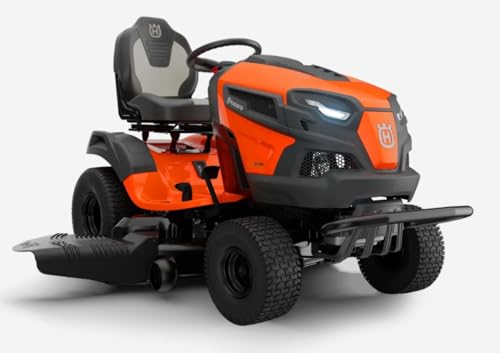
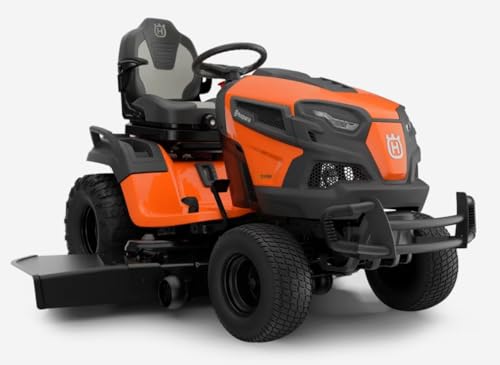
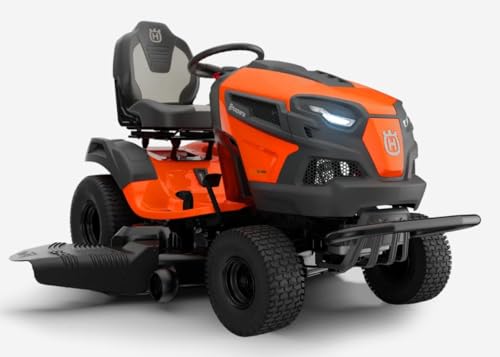
Lawn tractors are the most common style, recognizable by the engine mounted up front and a steering wheel similar to a car. They handle a wide range of yard sizes, tow attachments like carts and dethatchers, and tend to be the most affordable option in this category. Their wider turning radius makes them slower around obstacles, but their versatility makes them a solid all-around pick for typical suburban lots.
Zero-Turn Mowers
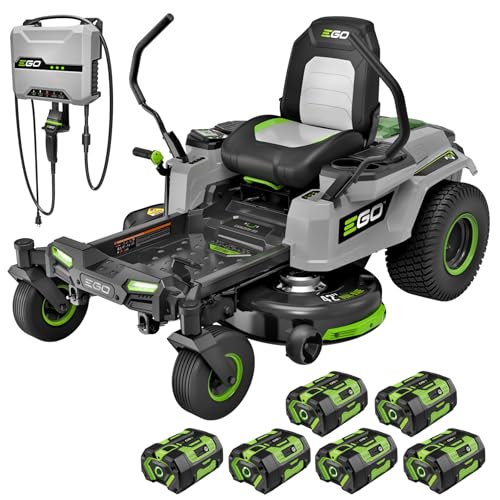
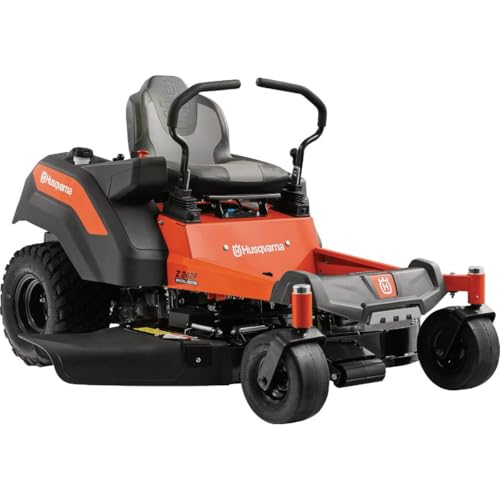
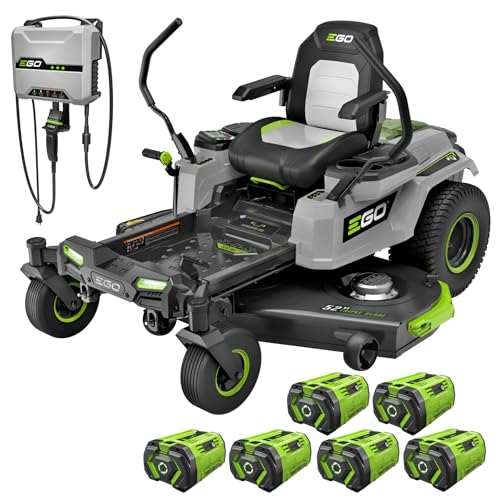
Zero-turn mowers use lap bars instead of a steering wheel, letting each rear wheel move independently for extremely tight turns. They cut faster than most lawn tractors because of this maneuverability, which makes them popular for larger properties with lots of obstacles. They tend to cost more and have a steeper learning curve at first, but many owners find the speed and precision worth the adjustment period.
Rear-Engine Riders
Rear-engine riders are compact machines with the engine positioned behind the seat, making them smaller and lighter than full-size tractors. They suit smaller lawns, generally under an acre, where storage space and a lower price point matter more than raw power. They are not built for towing heavy attachments or handling rough terrain, but for a flat, modest sized yard they get the job done efficiently.
How to Maintain a Riding Lawn Mower Properly
Routine maintenance keeps a riding lawn mower running reliably and protects the investment you just made. Skipping basic upkeep is one of the fastest ways to shorten a machine's lifespan and end up with costly repairs. A few consistent habits go a long way toward keeping your mower dependable season after season.
- Change the oil and check the air filter at the intervals listed in your owner's manual, usually every 50 hours of use.
- Sharpen or replace the blades at least once a season so the mower cuts cleanly instead of tearing the grass.
- Clean grass clippings and debris from under the deck after mowing to prevent rust and buildup.
- Check tire pressure regularly, since uneven pressure can cause an uneven cut.
- Store the mower somewhere dry and, if it sits unused over winter, stabilize the fuel or drain the tank.
Sticking to a maintenance routine like this extends engine life and keeps the cutting deck performing the way it did on day one. It also makes trade-in or resale easier down the road, since a well maintained mower holds its value better than one that has been neglected.
Common Mistakes to Avoid
Even careful shoppers make avoidable errors when choosing or using a riding mower. Watching for these common mistakes can save you money and frustration later.
- Buying based on horsepower alone instead of matching deck size and terrain handling to your actual yard.
- Mowing wet grass, which clogs the deck, causes clumping, and leads to a sloppy cut.
- Ignoring the slope rating and attempting to mow a hill the machine was not designed to handle.
- Skipping regular blade sharpening, which leaves grass tips ragged and more vulnerable to disease.
- Overlooking storage space, since a full-size machine needs a garage or shed with enough clearance.
- Forgetting to test drive or sit on the mower before buying, which matters for comfort on longer mowing sessions.
Frequently Asked Questions
What size yard needs a riding lawn mower?
Most people start considering a riding lawn mower once their yard passes about half an acre, since pushing a walk-behind mower across that much grass takes considerably longer. Smaller lots under a quarter acre are often easier and cheaper to maintain with a walk-behind or self-propelled mower. If mowing regularly takes you more than 45 minutes to an hour, a riding mower usually starts to pay for itself in saved time.
What is the difference between a zero-turn mower and a lawn tractor?
The biggest difference is maneuverability. Zero-turn mowers pivot in place using lap bars, which lets you cut around obstacles quickly, while lawn tractors steer more like a car and need a wider arc to turn. Zero-turns typically cut faster and cost more, while lawn tractors are generally more affordable and better suited to towing attachments.
How many hours does a riding lawn mower typically last?
A well maintained riding lawn mower can often run for 500 to 1,000 hours or more before needing major engine work, which for most homeowners translates to well over a decade of seasonal use. Regular oil changes, clean air filters, and sharp blades are the biggest factors in reaching the higher end of that range. Neglected maintenance can cut that lifespan significantly.
Gas or battery powered riding lawn mower, which is better?
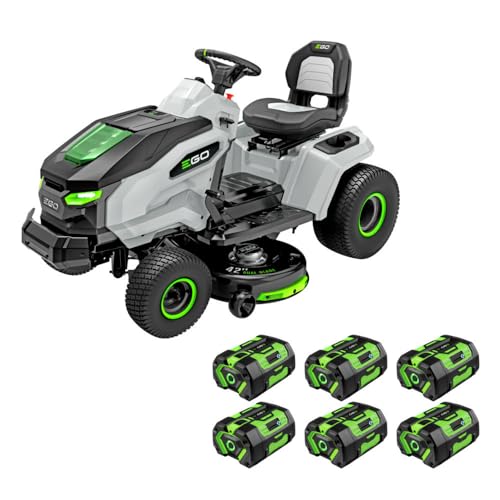
Gas models still offer longer run times and are easier to refuel quickly if you have a large property to cover. Battery powered riding mowers run quieter, need less routine maintenance, and produce no exhaust fumes, but they typically cost more upfront and have a limited range per charge. If your yard is on the smaller side and you value low noise and less maintenance, battery power is worth a serious look.
Can a riding lawn mower handle hills and slopes?
Most riding mowers can handle moderate slopes, but every model has a maximum recommended grade listed in its manual, often around 15 degrees. Beyond that limit, the risk of tipping increases significantly, especially when turning. If your property has steep grades, look specifically for models rated for hillside use or consider a different mower style altogether.
How often should you service a riding lawn mower?
Plan on a basic service, including an oil change, filter check, and blade inspection, at least once per mowing season or every 50 hours of use, whichever comes first. Machines used on larger properties or rough terrain may need more frequent attention. Sticking to a consistent schedule is the easiest way to avoid expensive repairs later.
Final Thoughts
Choosing the right riding lawn mower comes down to matching deck size, power, and terrain handling to the yard you actually have, not the biggest or most powerful machine on the lot. Take time to consider how much ground you need to cover, how many obstacles you will navigate around, and how much storage space you can spare. A little research now saves you from an expensive mismatch later, and a properly maintained machine will serve you well for many mowing seasons to come. Whichever type you land on, prioritize comfort and reliability over flashy extras, since those are the features you will actually notice every time you mow.


