Best and Worst Lawn Mowers in 2026: Buying Guide and What to Avoid
Disclosure: We may earn a commission when you buy through links on this page, at no extra cost to you. As an Amazon Associate I earn from qualifying purchases. Learn more
Learn how to judge the best and worst lawn mowers by yard size, power source, deck width, height settings, and discharge options before you buy.
The gap between a mower you love and one you dread usually comes down to fit, not brand. The best and worst lawn mowers can sit side by side on the same shelf, and the wrong pick for your yard will feel weak, slow, or tiring no matter how strong its motor is.
Start with three facts: how much grass you cut, how flat or sloped it is, and how you handle clippings. Those answers point you to a mower type, a deck width, and a power source. Keep them in mind as you read the comparison table below.


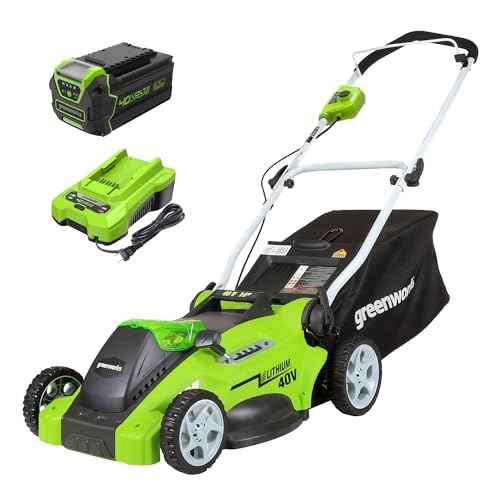
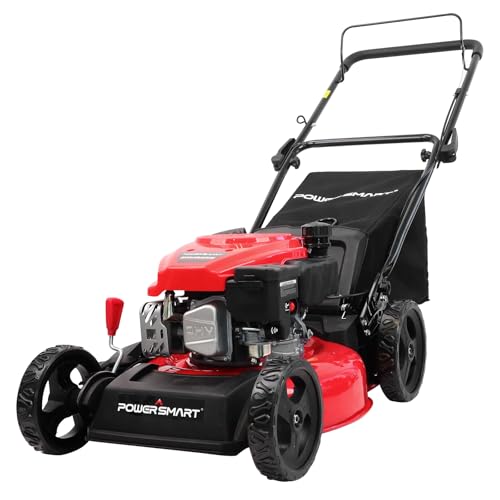
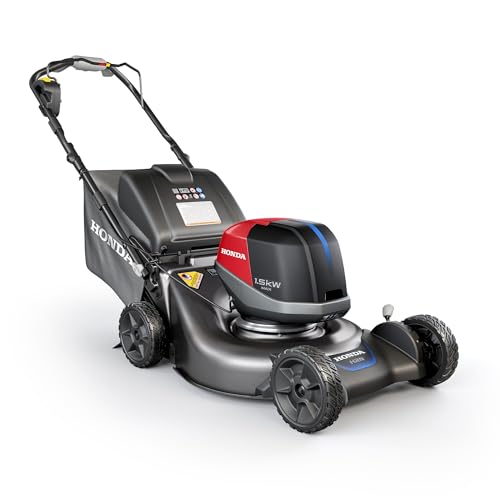
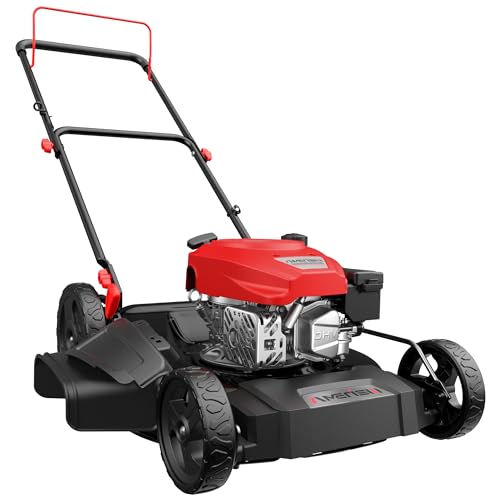
Who Should Buy Which Lawn Mower?
No single mower suits every yard. The groups below start from the ground you actually cut, because fit decides whether a mower still feels right in year three.
Owners of Small, Flat Yards Under a Quarter Acre
A simple push mower is usually all you need. Walking every pass takes little time, and a light deck turns easily around beds and fences. Choose battery or corded electric power for quiet starts and almost no upkeep, or a small gas model if you prefer to refuel in seconds.
Owners of Sloped or Medium Yards up to One Acre
Drive assistance earns its cost here. A mower that pulls itself forward takes the strain off your arms on slopes and keeps your pace steady in thick spring growth. Look for rear wheel drive if your yard tilts, since the powered wheels grip better when the bag fills. Variable speed control helps at tight corners.
Owners of Large Properties Over One Acre
Walking an acre or more turns mowing into a half day chore, so a seat is the smart upgrade. Wide decks cut the pass count, and higher speeds finish open ground quickly. If your land is open with trees to circle, read our guide to the best and worst riding lawn mowers before you decide.
Key Features to Compare
Sorting the best and worst lawn mowers gets easier once you judge each model on the same short list of five factors.
Power Source: Gas, Battery, or Corded Electric
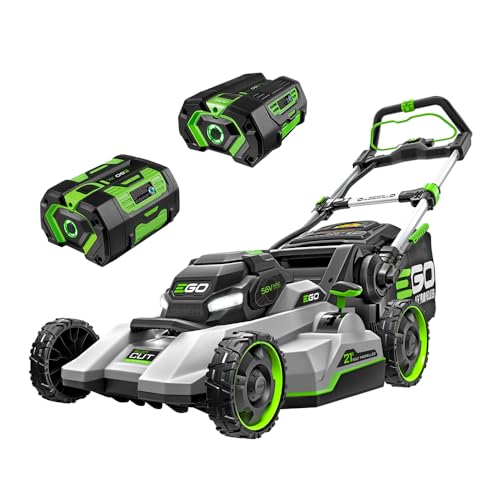
Gas gives you strong torque and unlimited run time with quick refills, but it asks for oil changes, fuel care, and pull starts, and it is the loudest choice. Battery models start with a button and run quietly, yet battery runtime limits each session unless you own a second pack. Corded electric costs the least, but the cord limits your range. Match the source to your yard size and your patience for upkeep.
Yard Size and Cutting Width
Deck width sets how many passes a lawn takes. A deck around 20 to 22 inches suits small and medium yards and fits through most garden gates. Riding decks run from about 30 to 60 inches, and each extra inch saves passes on open ground. Bigger is not always better, though. A wide deck scalps uneven spots more easily, so measure your gate before you size up.
Cutting Height Adjustment
Grass stays healthiest when you can raise the deck for summer heat and lower it for the final cut of fall. Most mowers offer cutting height settings from about 1 to 4 inches. A single lever that moves all four wheels at once keeps the deck level, while separate levers cost less but invite an uneven deck if you set one corner wrong. Check the range suits your grass type, since tall fescue likes a higher cut than Bermuda.
Deck Material and Build Quality
Steel decks are strong and easy to weld if they crack, but they can rust once the paint chips. Composite decks never rust and shrug off dents, yet they cost more. On larger machines, a fabricated deck of welded steel plate handles rocks better than a thin stamped deck. Look underneath for clean welds, because rough edges collect wet clippings.
Mulching, Bagging, and Side Discharge Options
A mower that offers all three discharge paths lets you adapt through the season. Mulching chops clippings fine and returns them to the lawn, which suits regular cuts in dry weather. Bagging leaves a clean finish, but you stop often to empty the bag. Side discharge throws clippings clear when grass is tall or wet. If you mow on a flexible schedule, insist on all three.
Lawn Mower Types Compared
Type comes before brand. Picking the right family first removes most of the worst choices from your list.
Push Mowers
You supply the forward push while the engine or motor only spins the blade. These are the lightest and simplest mowers to store, and they suit small flat lawns. They struggle on slopes and in thick grass, where every pass becomes real exercise.
Self Propelled Mowers
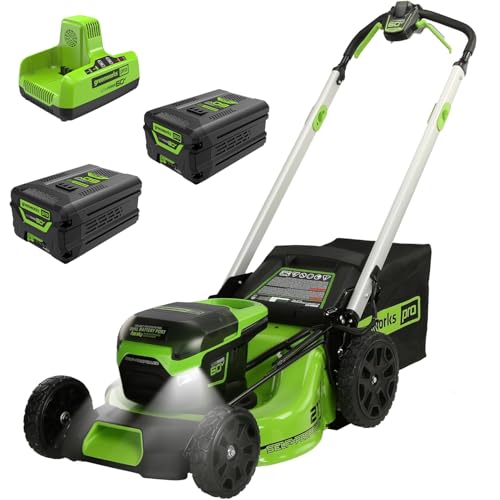
A drive system turns the wheels, so you steer while the mower does the pushing. Front wheel drive suits flat yards, while rear wheel drive grips better on hills. This is the sweet spot for most medium yards, with prices from about $300 to $700.
Riding Lawn Mowers and Tractors
You sit and steer while a wide deck does the work. Lawn tractors can also pull carts or snow tools, which suits properties with chores beyond mowing. If towing matters to you, see our guide to the best tractor lawn mowers. Expect prices from about $1,500 upward.
Zero Turn Mowers
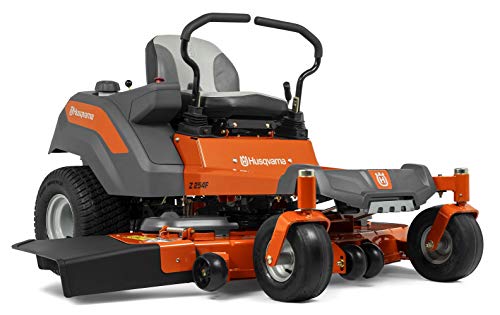
Two lap bars steer the rear wheels independently, so the mower pivots in place and trims close around trees. They are the fastest choice for large, mostly flat lawns with many obstacles. To compare designs, see our guide to the best ztr lawn mowers. Steep slopes are their weak point, since the front wheels only guide rather than grip.
Signs of a Lawn Mower Worth Avoiding
Weak mowers share warning signs you can check in minutes. Thin decks that flex when you press them, wobbly height levers, and wheels with loose play all point to a short service life. Be wary of a model with no local source for blades, belts, or batteries, because a mower you cannot service becomes scrap when a wear part fails. Owners who want hands off cutting can look at automatic models, and our guide to the best automatic lawn mowers explains their boundary systems.
Timing also affects value. Prices on last season stock often drop in fall, while spring brings the widest choice at full price. If you can wait for a discount window, see our guide to the best time to purchase lawn mowers.
Common Mistakes to Avoid
- Buying a deck too wide for your gates and shed forces you to tilt or partly dismantle the mower at every storage trip.
- Choosing battery power for a large yard without a second pack leaves you waiting on a recharge with half the lawn uncut.
- Cutting more than one third of the grass blade at once stresses the lawn and leaves it pale and slow to recover.
- Skipping the slope check and buying a zero turn for steep ground risks sliding, since the front wheels cannot help you hold a line.
- Ignoring bag capacity on a leaf heavy lot means constant stops to empty, which can double your mowing time in fall.
- Storing a gas mower with old fuel over winter invites a clogged carburetor and a mower that will not start in spring.
Care and Maintenance for Your Lawn Mower
Good care is simple and seasonal. Sharpen the blade at least once a season, because a dull blade tears grass instead of slicing it. Clean dried clippings from under the deck, since a packed deck cuts poorly and holds moisture against the metal. For gas models, change the oil every 50 hours of use or once a season.
Winter storage decides whether spring starts are easy. Run gas models dry or add stabilizer before the last cut, and store batteries indoors at a partial charge. Tighten wheel bolts and check the drive cable each spring.
Frequently Asked Questions
What size lawn mower do I need for my yard?
Match deck width to open area, not total lot size. A yard under a quarter acre cuts well with a deck around 20 to 22 inches, while a half acre to one acre suits a compact rider around 30 to 42 inches. Above one acre, a deck of 46 inches or more keeps the job near an hour. Houses, beds, and trees do not need cutting, so subtract them first.
How often should I sharpen lawn mower blades?
Sharpen the blade after about every 20 to 25 hours of mowing. A quick test helps between sessions: if the tips of freshly cut grass look torn and white rather than cleanly sliced, the edge is dull. Keep a spare blade on hand so you can swap it in minutes.
Are battery lawn mowers as good as gas lawn mowers?
For small and medium yards, yes, modern battery mowers cut as cleanly as gas models. The real difference is session length and recharge time, not cut quality. Battery models handle normal weekly growth well, but tall, wet grass drains a pack fast. If you often return from trips to an overgrown lawn, gas handles that catch up cut with less planning.
Is a zero turn lawn mower worth it for one acre?
It can be, if your acre is flat and dotted with trees or beds. The time saving comes from turning without wide loops and trimming close in one pass, which can cut a long session by a third or more. On a plain open rectangle with few obstacles, a lawn tractor reaches a similar finish for less money.
How long does a lawn mower usually last?
A cared for walk behind mower often lasts about 8 to 10 years, and a riding mower about 10 to 15 years. The deciding factor is usually the deck and drive parts rather than the engine, since engines often outlive rusted decks. Storing the mower under cover is the single habit that adds the most years.
Our Verdict
The right choice starts with your yard, not the shelf label. Match the mower type to your lot size and slope, pick a power source you will maintain without complaint, and confirm the deck fits your gates. Do that, and the best and worst lawn mowers sort themselves quickly. Compare your shortlist against the product table above before you buy.