
Best Amplifier for Speakers: What Matters Before You Buy in 2026
Disclosure: We may earn a commission when you buy through links on this page, at no extra cost to you. As an Amazon Associate I earn from qualifying purchases. Learn more

The best amplifier for speakers matches your speakers, sources and room. Compare power, impedance, inputs and amplifier types before you buy.
The best amplifier for speakers is the one that drives your speakers cleanly in your room, not the one with the largest spec sheet. Power, impedance, inputs and size matter far more than marketing numbers. The product table above lists current options, and this guide explains how to choose between them.
Start by answering three questions: what speakers will the amplifier drive, which sources will you connect, and how loud do you listen? Those answers narrow the field faster than any feature list.

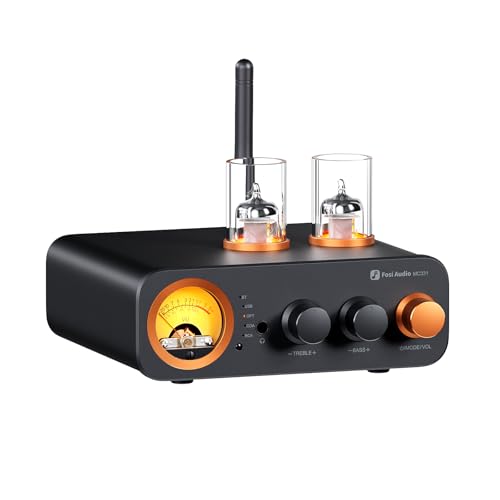
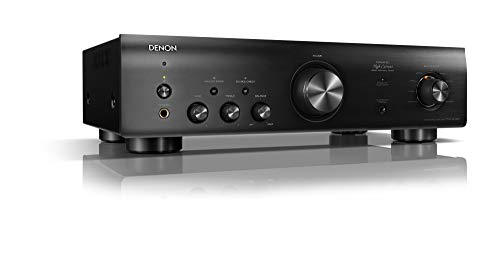
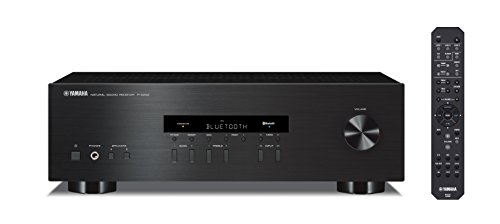

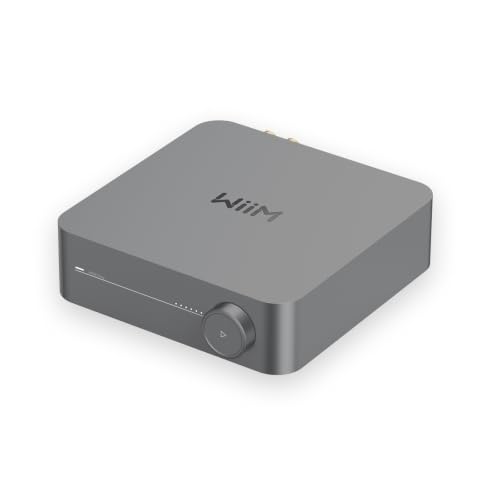
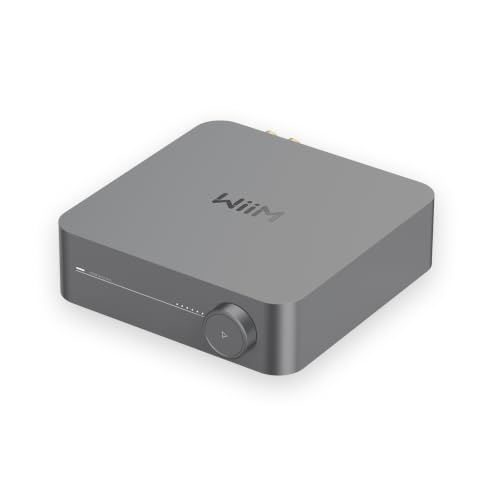

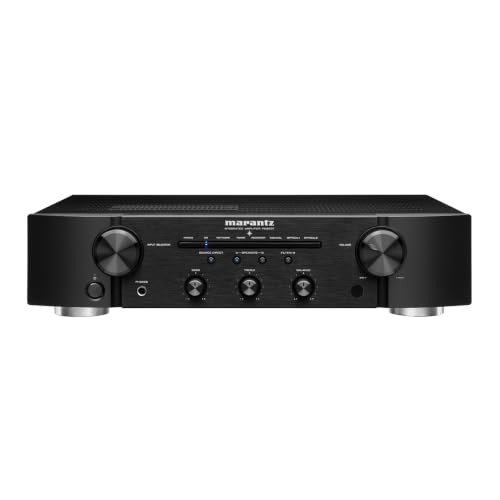
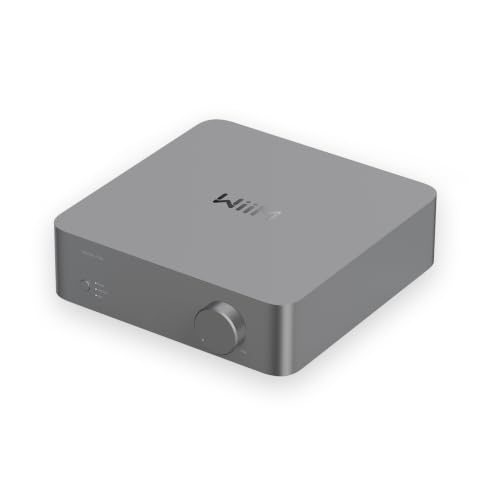
Who Should Buy Which Amplifier
First-time system builders
A simple, forgiving integrated amplifier with a few inputs and a remote suits a first system. Look for 30 to 60 watts per channel, Bluetooth for phone playback, and a clear 4 to 8 ohm rating. It will drive most bookshelf speakers without fuss.
Upgraders replacing an old amplifier
If your old amplifier has no digital inputs, a modern model adds optical, USB or HDMI ARC so a TV and computer connect directly. Keep speakers that still sound good and upgrade the amplifier first; clean power often improves clarity more than new speakers do.
Serious listeners
Low noise, a strong power supply and stable behavior with difficult speaker loads matter most. Look for published ratings into 4 ohms, a quiet noise floor and solid binding posts. Preamp outputs leave room to add a power amplifier later.
Key Features Explained
Power, distortion and headroom
Watts describe how much power an amplifier can deliver, but clean power at normal volume matters more than a maximum figure. A well built 50 watt amplifier can sound more relaxed than a poorly built 150 watt one. Doubling the wattage adds only a small step in loudness, so buy headroom for peaks rather than chasing big numbers.
Speaker load and stability
Speakers are rated at 4, 6 or 8 ohms. Lower numbers draw more current, so check that the amplifier lists a rating for your speakers. Stable designs stay cool and composed at volume; others may shut down or sound strained. If you plan to connect more than one pair, confirm the combined load stays inside the amplifier's limits.
Inputs and connectivity
List your sources before shopping: a TV (optical or HDMI ARC), a turntable (phono input or an external preamp), a computer (USB), and a phone (Bluetooth). Add one spare input for future gear. Wired inputs remain the most stable choice, while Bluetooth is convenient for casual listening.
Build, cooling and reliability
A heavier chassis often means a larger power supply and better heat handling. Leave clear space above the vents and avoid stacking other devices on top. Heat is the main long-term enemy of an amplifier, and free airflow is the cheapest protection.
Types of Amplifiers Compared
Solid state amplifiers
Solid state designs deliver clean, consistent power with little maintenance. They suit most homes and are the safe default for bookshelf and floor-standing speakers.
Class D amplifiers
Class D models are compact and efficient and run cool, so they fit shelves, desks and closed cabinets. Modern versions sound very good and are often the best value for small rooms.
Tube amplifiers
Tube designs offer a warm, textured sound that some listeners love. They run hotter, need more care, and suit efficient speakers best. For a pairing guide, see our best speakers for tube amplifiers.
Integrated amplifiers and receivers
An integrated amplifier combines preamp and power sections in one box. A receiver adds a radio tuner and, usually, video switching, which suits a TV-centered system. Choose an amplifier for music first and a receiver for movies.
Matching the Best Amplifier for Speakers to Your Room
When you choose the best amplifier for speakers, remember that efficient speakers play loudly on modest power, while low-sensitivity designs need more. Small rooms and near-field listening rarely need more than 50 watts per channel, and large rooms benefit from 100 watts or more. If you are shopping for specific brands, our guide to the best amplifier for klipsch speakers shows how pairing works with efficient horn-loaded designs. Compact rooms may prefer the options in our best small amplifier for speakers guide, while patio systems have different needs, covered in best amplifier for outdoor speakers. Car installs are a separate world, explained in best amplifier for car speakers.
Budget Guide
Compact class D amplifiers start around $100 and are fine for desks and small rooms. Between $250 and $600 you find integrated amplifiers with better power supplies, built-in DACs and streaming. Above that, extra money buys stronger current delivery, nicer build quality and more inputs. Spend more only for a feature that solves a real problem, such as a phono input, HDMI ARC or stable low-impedance power for demanding speakers. A good amplifier lasts through several speaker changes, so it is one of the better places to invest.
Remember to add the cost of cables, speaker stands and a surge protector. These small items protect the system and make setup cleaner, and they are easy to forget when comparing prices.
Setup Tips
Switch everything off before connecting speaker cables, match red to red and black to black, and keep stray wire strands away from the other terminal. Use 16 gauge cable for short runs and 14 gauge for longer ones. Start at low volume, then raise it slowly while you listen for distortion. Give new gear a few days of normal use before judging it.
Placement also matters. Keep speakers away from corners, set them at ear height and leave space around the amplifier so that heat can escape.
Common Mistakes to Avoid
- Buying on maximum watts instead of clean power and a published impedance rating.
- Forgetting the phono question: a turntable without its own preamp needs a phono input.
- Blocking the vents or placing the amplifier inside a closed cabinet without ventilation.
- Spending the whole budget on the amplifier and none on placement, stands and decent cable.
- Skipping the return policy, since room and taste decide how a system sounds.
Frequently Asked Questions
What is the difference between an amplifier and a receiver?
A receiver adds a radio tuner and often video switching to an amplifier, while a dedicated amplifier focuses on power and sound quality. Choose a receiver for a TV-centered system and an amplifier when music is the priority.
How long do amplifiers last?
A well built amplifier can last for many years, though capacitors age and dusty vents shorten its life. Keep it clean, cool and away from direct sun.
Can an amplifier improve poor speakers?
An amplifier can reveal what good speakers offer, but it cannot fix damaged drivers or speakers that are too small for the room.
Do cables change amplifier sound?
Well connected cables of adequate gauge matter for reliability, while very costly cables rarely change the sound in a meaningful way for most listeners.
Should I leave my amplifier on all day?
Some designs benefit from staying warm, but leaving it on uses power and adds heat, so switching off when not in use is usually sensible.
Final Thoughts
The best amplifier for speakers matches your speakers' impedance, offers the inputs your sources need, and has enough clean power for your room. Use the product table above as a shortlist, then check ratings, inputs and return terms before you buy.


