
Best Amplifier for Car Speakers for 2026: A Buying Guide
Disclosure: We may earn a commission when you buy through links on this page, at no extra cost to you. As an Amazon Associate I earn from qualifying purchases. Learn more

The best amplifier for car speakers delivers honest RMS power and fits your car. See channels, class, installation basics and mistakes to avoid.
The factory stereo in most cars sends only a small amount of power to each speaker, so sound turns thin and fuzzy as soon as you raise the volume on the highway. The best amplifier for car speakers fixes that by giving the speakers clean power from the car battery, with enough headroom for music to stay clear over road noise. This guide explains channels, power ratings, installation and the mistakes to avoid. The product table above lists current options to shortlist.
An amplifier does not make a bad speaker good, but it lets a decent speaker play at its best. It also gives you a clear upgrade path: start with a four channel amplifier for door and dash speakers, then add a subwoofer later.
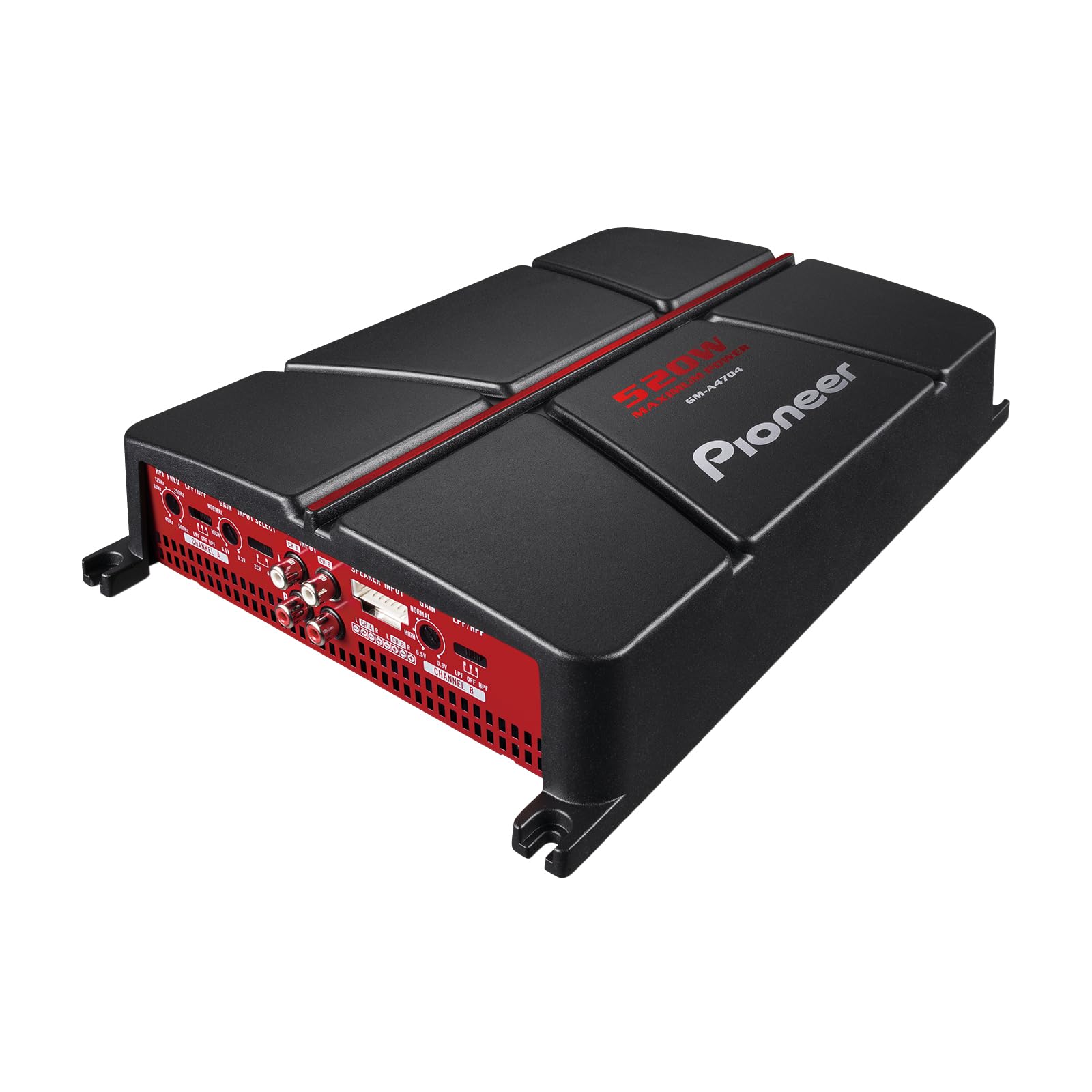


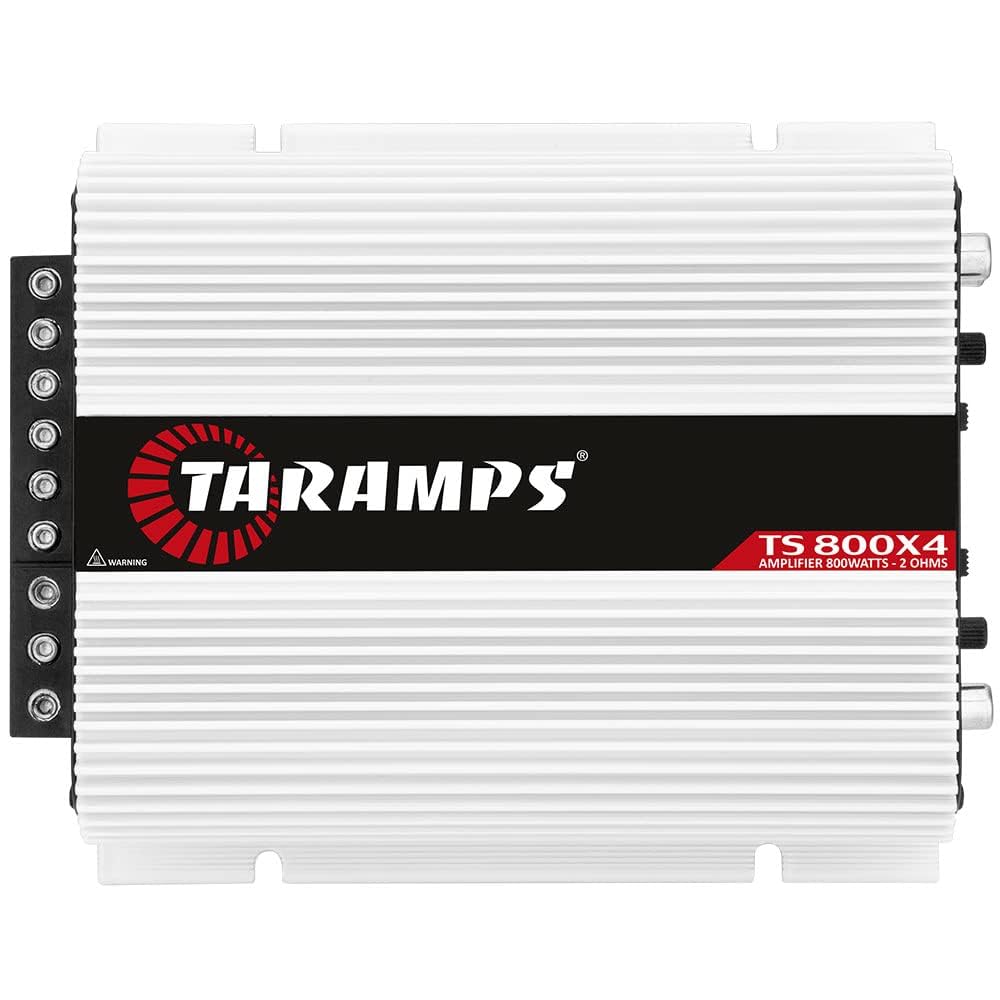

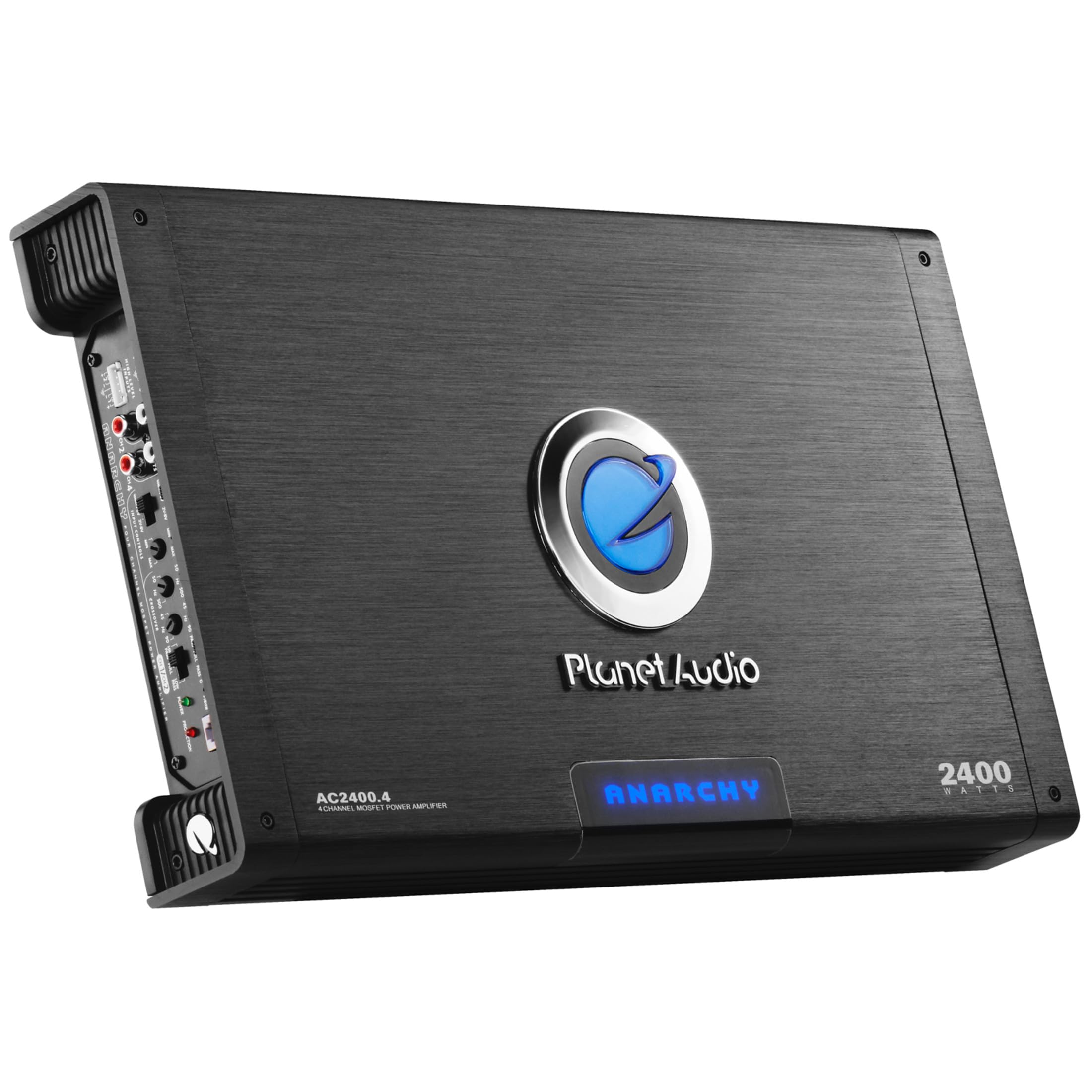


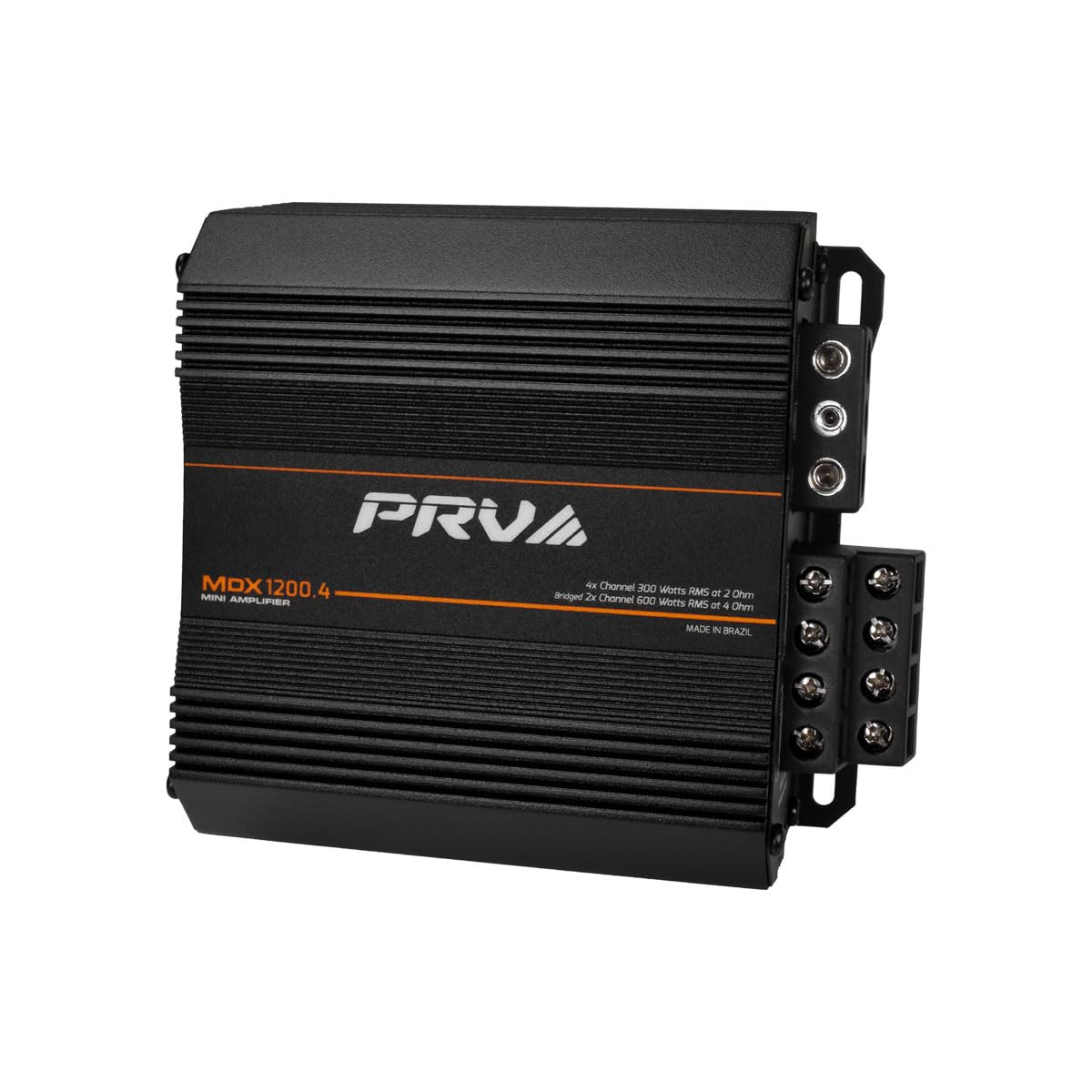


Who Should Buy the Best Amplifier for Car Speakers
- Drivers with aftermarket speakers that need more power than the head unit supplies.
- Listeners who play music loudly or drive on fast roads with a lot of noise.
- Anyone planning to add a subwoofer and wanting a clean, expandable system.
- Owners of a factory system who want better clarity without replacing the radio.
If your project is focused on front doors, see our guide to the best amplifier for car door speakers. For the speakers themselves, compare best car stereo speakers and best sounding car speakers.
Key Features to Compare
Channels
One channel drives one speaker or a subwoofer. A four channel amplifier covers a front and rear pair, a two channel amplifier covers a single pair, and a mono amplifier is designed for a subwoofer. Five channel amplifiers combine four speaker channels with a subwoofer channel in one box.
RMS power
RMS power is continuous output and is the only number worth comparing. Peak or maximum power is a marketing figure. For door speakers, 50 to 75 watts RMS per channel is a sensible target, and many speakers are rated close to that range. Match the amplifier to the speaker's power handling, not above it by a large margin.
Class and efficiency
Class D amplifiers are compact and efficient, so they fit under seats and run cool. Class AB amplifiers are larger and warmer but are valued by some listeners for their sound. Either works if the power rating is honest, so compare the RMS figure at 4 ohms and the stated distortion rather than the class label alone.
Inputs and filters
Look for RCA inputs for use with an aftermarket radio, or speaker level inputs if your factory radio has no preamp outputs. A built-in high pass filter protects small speakers from deep bass, and a low pass filter helps when you add a subwoofer.
Fit, Size and Compatibility
Measure the space under the seats or in the trunk before you order, and leave room for air and for wiring. Check that your radio has RCA preamp outputs, or choose an amplifier with speaker level inputs. Some premium factory systems use digital signal paths that require an integration module, so confirm compatibility for your year and trim before ordering.
Matching Power to Your Speakers
Start with the power handling printed on your speakers, usually shown as RMS and peak. Choose an amplifier that delivers close to the RMS figure per channel. A slightly stronger amplifier is fine if you set the gain carefully, because clean headroom is easier on speakers than a weak amplifier pushed into distortion. If your speakers are rated at 50 watts RMS, an amplifier giving 50 to 75 watts RMS per channel at 4 ohms is a safe fit.
Remember that car speakers are usually 4 ohm designs, and that bridging two channels into one speaker or subwoofer changes the load and the output. Read the amplifier manual before bridging, and never bridge into a load below the rated minimum.
Wire, Fuse and Ground Sizes
Power cable size depends on the amplifier's current draw and the length of the run. As a rough guide, smaller amplifiers up to about 400 watts RMS total use 8 gauge power cable with a 30 to 40 amp fuse, while bigger systems need 4 gauge cable and a larger fuse. Use the manual for exact values. Fit the fuse within about 18 inches of the battery, keep the ground cable short and as thick as the power cable, and attach it to clean bare metal. A weak ground is the cause of many whines and cut-outs.
Installation Basics
A typical installation runs a fused power cable from the battery to the amplifier, a short ground to clean bare metal, signal cables along the opposite side of the car, and a remote turn-on wire. Disconnect the negative battery terminal before you work, mount the amplifier firmly, and set the gains with the manual in hand. If wiring a car is outside your comfort zone, a professional installer can do it in a few hours and set the gains correctly.
Everyday Use and Care
Once the system is working, give it a week of normal driving before you judge it. Re-check the gains after a few days, and listen at different speeds and volumes. Car interiors swing from freezing nights to hot summer afternoons, so a solid mount and ventilation matter. Check connections twice a year, keep the amplifier clear of loose cargo, and listen for hiss or distortion that could signal a loose ground or a gain set too high. Keep the fuse near the battery at the rated value.
Mistakes to Avoid
- Shopping by peak power instead of RMS power.
- Setting the gain like a volume knob, which causes clipping and can damage speakers.
- Skipping the inline fuse near the battery.
- Using a painted or loose ground point.
- Running signal and power cables side by side, which invites alternator whine.
Frequently Asked Questions
What is the difference between an amp and an amplifier?
Nothing: amp is short for amplifier. In car audio listings the terms are used interchangeably, so compare channels and RMS power instead of the name.
How many channels do I need?
Four channels for front and rear speakers, two for a single pair, and an extra mono channel if you plan to add a subwoofer. A five channel amplifier covers everything in one box.
Will an amplifier drain my car battery?
It draws power only when the radio is on. A moderate system will not drain a healthy battery while you drive, but playing loud music with the engine off for a long time can. A good ground and a healthy battery help.
Do I need new speaker wire?
Factory wire is often thin. Replacing it with 16 gauge cable improves power delivery, especially on longer runs.
Why do I hear engine noise through the speakers?
Alternator whine usually comes from a poor ground or signal cables running next to power cables. Move the cables apart and clean the ground connection.
Final Thoughts
The best amplifier for car speakers has honest RMS power for your speakers, the inputs your radio provides and a size that fits your car. Plan the wiring carefully, set the gains patiently and use the product table above to compare current models. For a deeper look at a related question, see our best amplifier for speakers guide, and consider a subwoofer later.


