Best Aviation Smart Watches Made Simple: A Clear Buying Guide for 2026
Disclosure: We may earn a commission when you buy through links on this page, at no extra cost to you. As an Amazon Associate I earn from qualifying purchases. Learn more

New to the best aviation smart watches? Learn GPS, maps, battery, and fit in plain language, plus setup steps and mistakes to avoid as a first buyer.
Buying your first aviation smart watch can feel like learning a second language, with talk of GPS modes, moving maps, and flight logs before anyone explains the basics. You do not need to be a pilot to follow this guide, and you do not need every feature makers advertise. We will build from plain definitions to a confident shortlist of the best aviation smart watches for your flying, training, or travel routine.
Keep one question in front of you the whole time: what will this watch help you do during a real flight or a real trip that your phone cannot already do more easily? That filter removes most confusion, and it protects your budget from features that only look impressive in a store demo.



Aviation Smart Watches 101: The Basics
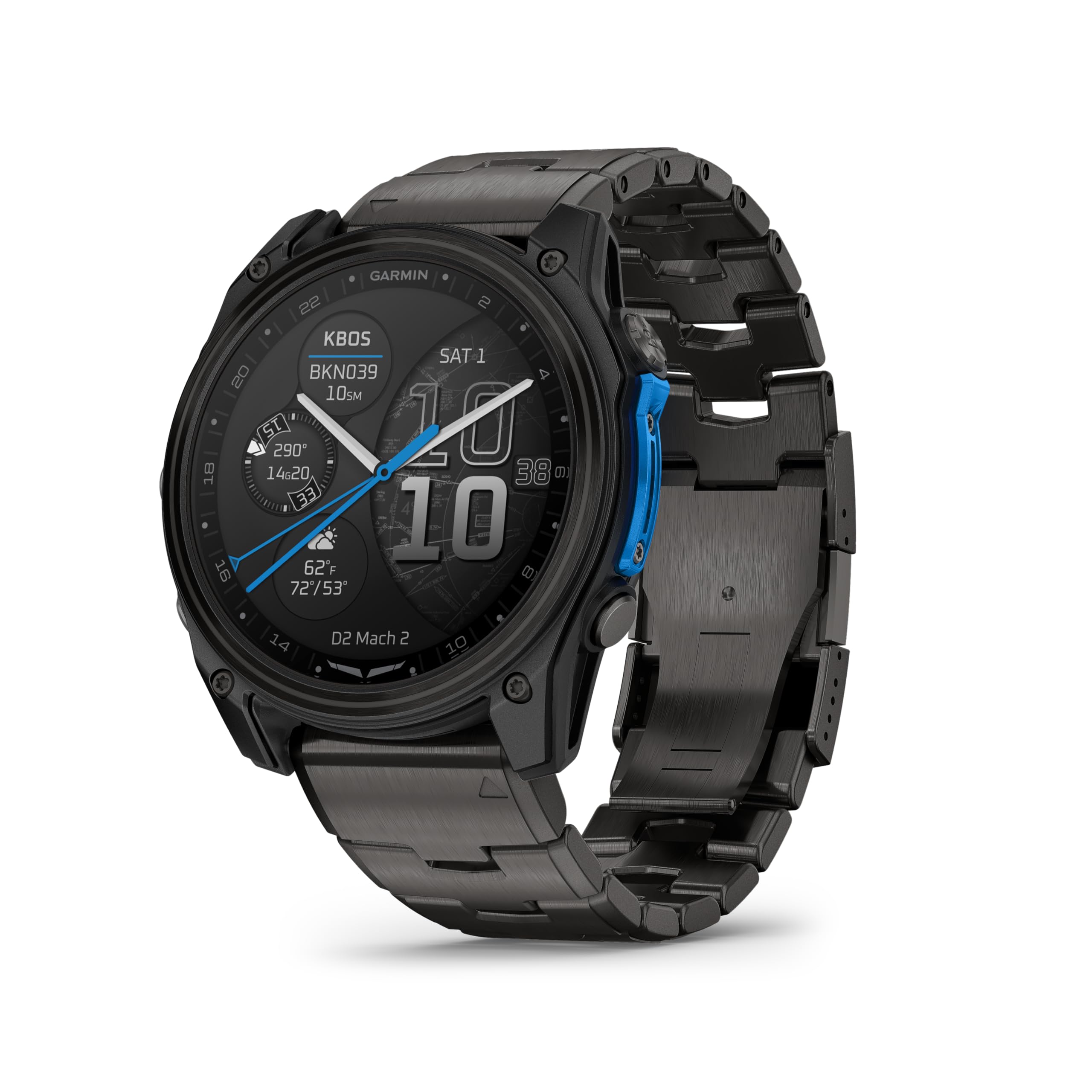
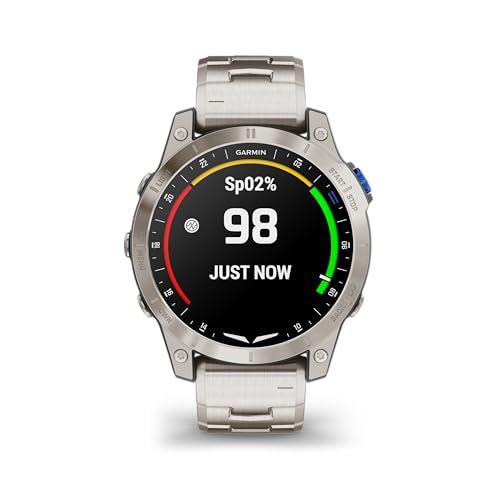
An aviation smart watch is a wrist computer that combines normal smartwatch tools, such as notifications, activity tracking, and music control, with flying focused tools such as GPS position, airport information, weather data, and flight logging. It connects to your phone by Bluetooth and uses phone data for many services, while its own GPS and sensors work away from the phone for position and altitude estimates.
Think of it as a backup and a convenience, never as your primary flight instrument. Certified panel instruments and approved navigation sources remain in charge in the cockpit. The watch earns its place by keeping key information glanceable, logging flights automatically, and serving as a capable travel and fitness watch on the ground. If you understand that role from the start, you will judge the comparison table below by usefulness rather than by novelty.
Key Specs of the Best Aviation Smart Watches
Movement Type and What Smart Really Means
Unlike quartz or automatic watches, a smart watch runs on a rechargeable battery and an operating system that updates over time. Accuracy comes from network and GPS time, so it will be more precise than any mechanical watch. The trade is upkeep: expect charging every few days to a few weeks depending on GPS use, and expect the model to age as software support ends. When a listing mentions solar assist, it means light can extend time between charges, not that the watch runs forever without a cable. Plan your charging routine before you buy.
Water Resistance Rating
Water ratings on smart watches are usually given as 5 ATM or 10 ATM, which roughly match 50 m and 100 m ratings on classic watches. In practice that means showering and swimming are fine on most current models, while diving and high speed water sports are not. Salt water and soap can age seals and straps, so rinse the watch in fresh water after ocean use and dry it before charging. Also note that leather straps fitted for style should be swapped for silicone before any swim.
Crystal and Case Materials
Sapphire crystal is the best screen cover for scratch resistance and is worth the step up if you work around metal cockpits, seat rails, and hangar tools. Gorilla Glass style covers cost less and resist shattering well, but they pick up scratches sooner. Cases range from light polymers that disappear on the wrist to titanium that adds durability with low weight. Stainless steel looks classic but can feel heavy during long wear. For daily flying and travel, a light case with a sapphire or well protected screen offers the most forgiving balance.
Strap and Bracelet Options
Silicone straps are the practical default for smart watches because they handle sweat, rain, and frequent washing without damage. Leather and metal options dress the watch up for the office, and a quick release strap system lets you swap in seconds with 20 mm or 22 mm bands on many models. Check that the strap is long enough for your wrist and that the buckle or clasp sits flat, since you will wear this watch for sleep and activity tracking if you want full health data. Buy a spare silicone band early, it is the part that wears first.
Case Size and Wrist Fit
Smart watch cases often run 42 to 51 mm, and aviation models lean large to fit more screen and battery. On a smaller wrist a large case can press on the wrist bone and slide during activity, which hurts both comfort and heart rate accuracy. Measure your wrist, compare lug to lug length rather than diameter alone, and favor the smaller size if you plan to sleep in the watch. Screen readability matters, but a watch left in a drawer for discomfort helps no one. Thickness also counts, since tall cases catch on cuffs and cockpit edges.
Smart and Fitness Features
The aviation layer usually adds airport databases, direct to navigation aids for reference, weather overlays, and automatic flight logging when the watch senses takeoff and landing. Fitness tools include GPS tracks, heart rate, sleep, and oxygen saturation estimates. Treat health readings as trends for your own awareness, not as medical measurements, and talk with your clinician about any personal health concern rather than relying on a watch. Battery life drops sharply during GPS activity, so check the GPS hours rating, not just the smartwatch mode rating, before you trust it for long flying days.
If your interest is style first, our guide to the best looking smart watches covers finishes and strap pairing in detail. If you fly with traditional instruments and want a simpler companion, our guide to the best aviation watches explains the classic pilot watch route without the software layer.
Rookie Mistakes to Avoid
- Buying the largest screen without trying the case size, then finding the watch too heavy and tall for daily wear and sleep tracking.
- Trusting the headline battery figure, which assumes light use, while your GPS flying and training days may cut real life to a fraction of that claim.
- Paying for aviation databases and subscriptions without checking renewal costs, since some flight features need an ongoing plan after the first period.
- Expecting the watch to replace certified cockpit instruments, rather than serve as a backup reference and a flight log.
- Ignoring phone compatibility, especially if you use an iPhone, since some aviation smart watches pair more fully with Android phones.
Phone pairing deserves one more check. Readers on Android can compare options in our guide to the best smart watches android, which explains notification and app differences by platform.
Getting Started: Setup and First Use
Charge the watch fully, update its software before your first flight, and pair it with the maker app on your phone while you are on home WiFi. Enter your home airport, your units, and your emergency information, then set which notifications may reach your wrist in the cockpit, keeping the list short. Wear the watch snugly for a few ground days to learn its menus, practice starting a flight activity in the car or on a walk, and confirm that logs sync to the app as expected. Finally, test the charger in your flight bag and at home, since a forgotten proprietary cable is the most common reason these watches go unused on trips.
Frequently Asked Questions
How long does a watch battery last?
In smartwatch mode, many aviation models last from several days to about two weeks, while continuous GPS use may last only about 20 to 40 hours depending on settings. Screen brightness, weather updates, and music playback shorten those figures. Solar assist can extend standby time in bright conditions but will not replace charging during heavy GPS weeks. Build a habit of charging during a shower or desk hour, and the battery will rarely become a problem.
What case size fits my wrist?
Start with lug to lug length against the flat top of your wrist, then judge thickness. Wrists under about 6.5 inches often prefer the smaller case option in each range, around 42 to 45 mm, while larger wrists can carry 47 to 51 mm comfortably. Because aviation models are tall, try the watch with a long sleeve if you can. A return friendly seller matters here, since wrist fit is hard to settle from photos and charts alone.
Is a smartwatch worth it over a classic watch?
Yes, if you will actually use flight logging, GPS tracks, notifications, and health trends each week. If you only want the time, a world time display, and a pilot look with almost no upkeep, a classic watch serves better and costs less over its life. Many pilots own both and choose by the day. Be honest about charging habits, because a smart watch that sits dead during flights delivers none of its promised value.
How water resistant should a watch be?
A 5 ATM rating covers daily life, showers, and pool swimming for most owners, which is enough for typical travel and training. Choose 10 ATM if you swim often or spend time around boats and want extra margin. In all cases rinse after salt water, avoid pressing buttons underwater unless the maker allows it, and replace straps that show cracking. Water resistance also fades as seals age, so treat an older watch with more care.
Quartz or automatic: which is better?
For this category the comparison changes, since a smart watch replaces both with a rechargeable system that is more accurate and far more capable, at the cost of charging and software aging. Quartz remains better for a simple backup watch that must work after months in a drawer. Automatic suits traditional pilot style. Choose the smart route only when its extra data will change what you do on flying or training days, otherwise the simpler watch wins.
Our Verdict
Let cockpit role, battery life in GPS mode, and wrist fit decide your purchase, in that order. Confirm phone compatibility and subscription costs, use the product table above to compare sizes and GPS ratings, and pick the best aviation smart watches option that you will gladly charge, wear overnight, and glance at in flight without distraction. A modest model worn daily beats a flagship left at home.