
Best Amplifier for Outdoor Speakers for 2026: A Buying Guide
Disclosure: We may earn a commission when you buy through links on this page, at no extra cost to you. As an Amazon Associate I earn from qualifying purchases. Learn more

The best amplifier for outdoor speakers delivers clean power in open air and stays indoors. Compare channels, zones and wiring tips.
Outdoor speakers are built to survive rain and sun, but they still need a source of power. The best amplifier for outdoor speakers drives them cleanly across a patio or yard, handles several zones if you want them, and lives somewhere dry and ventilated. Open air swallows sound quickly, so outdoor listening demands more power and more careful planning than a living room. This guide explains how to match power, channels, impedance and inputs to your outdoor system. The product table above lists current options.
The speakers can stay outside all year, but the amplifier should not. Place it indoors, in a garage, in a covered closet or in a ventilated cabinet, and run outdoor-rated cable to the speakers.

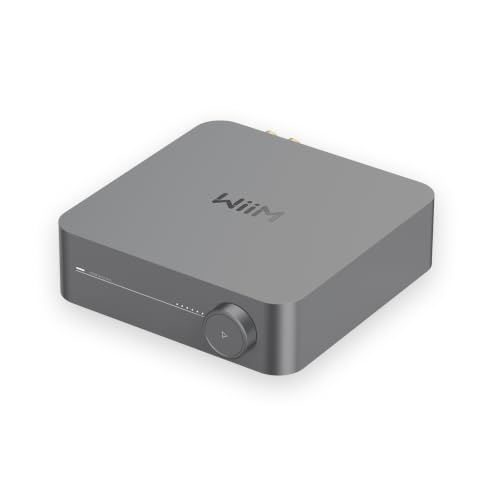

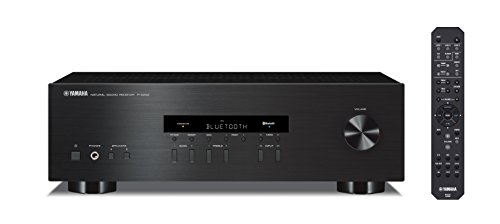

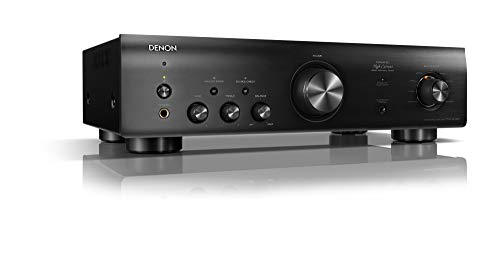
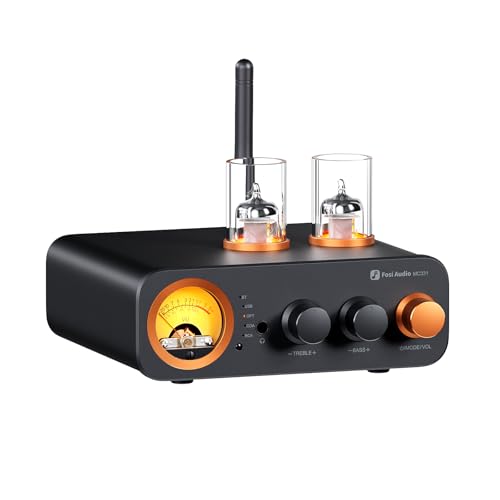
Who Should Buy the Best Amplifier for Outdoor Speakers
- Homeowners with in-wall, in-ceiling or landscape speakers on a patio, deck or pool area.
- Owners of passive outdoor speakers who need a stereo amplifier or a multi-zone amplifier.
- Entertainers who want music for parties, sports and film nights outdoors.
- Anyone extending an indoor system with a second zone outside.
If you are still choosing speakers, see best outdoor speakers, and for portable options without a separate amplifier, compare best outdoor portable speakers and best outdoor wireless speakers.
Key Features to Compare
Clean power at volume
Open air needs more power than a closed room. A pair of outdoor speakers in a medium patio typically wants 50 to 100 watts per channel, and more if you play loudly or cover a large area. Quality matters more than size: a clean amplifier stays clear at the volume that cuts through background noise, while a weak one distorts.
Impedance match
Most outdoor speakers are 8 ohm designs, but some are 4 ohm. Check that the amplifier supports your speakers' impedance, and be careful when wiring several speakers to one channel, because the combined load drops. A mismatch can trigger protection shutdowns or damage.
Channels and zones
A stereo amplifier drives one pair. A four channel amplifier drives two pairs, such as a patio and a pool, and a multi-zone amplifier lets you control volume per zone. Count your speakers before you shop.
Source flexibility
An amplifier with several inputs handles a TV, a phone, a turntable and a streaming box without constant cable swaps. Bluetooth is convenient for guests, WiFi streaming gives better quality, and wired inputs are the most reliable.
Durability and placement
Outdoor speakers carry the weather rating, so the amplifier itself should stay in a sheltered location. Choose a sturdy chassis with good ventilation, and keep it away from damp, direct sun and dust. If a bathroom, garage or shed is hot, add space and airflow.
Types of Amplifiers for Outdoor Use
Stereo amplifiers
Compact stereo amplifiers are an affordable, simple choice for one pair of speakers on a patio or deck.
Bluetooth and streaming amplifiers
These add wireless streaming and app control, so a phone becomes the remote. They suit casual entertaining and are covered in more detail in our best bluetooth amplifier for outdoor speakers guide.
Four channel and multi-zone amplifiers
For larger yards, four channel amplifiers let you drive two pairs with separate volume, and multi-zone amplifiers let you control each area from an app.
Receivers
A stereo receiver adds a tuner and extra inputs, which suits a combined indoor and outdoor system.
Planning Your Outdoor System
Start with a simple sketch of the yard. Mark where people sit, where speakers can mount, and where the cable can run to the amplifier. Speakers spread along the seating area give more even sound than a single loud pair at one end, which means more channels at lower power often beats a bigger amplifier. For a rectangular patio, one pair under the eaves is usually enough. For a garden with separate seating areas, plan one pair per area and a four channel or multi-zone amplifier. For a pool, add a dedicated pair with its own volume control so the sound can stay modest near the water.
Think about the source too. If music mostly comes from a phone, a Bluetooth or streaming amplifier is the simplest route. If the system also serves a television or a turntable, choose an amplifier with the right wired inputs. A remote or app that works from the seating area is more useful than a long feature list.
Budget Expectations
Capable compact amplifiers start around $80 to $150. Four channel Bluetooth amplifiers cost about $100 to $250, and streaming multi-zone amplifiers cost $300 to $800. Spend more when you need several zones, stronger power or a reliable app. Add the cost of outdoor-rated speaker cable and weatherproof connectors, which are inexpensive but important.
Wiring and Weather Tips
Use outdoor-rated or direct-burial speaker cable for runs outside, and seal connections with waterproof connectors. Keep the amplifier indoors and run the cable through a drilled hole sealed with weatherproof caulk. Use at least 16 gauge cable for runs under 50 feet and 14 gauge for longer ones. Turn off the system during storms, and add a surge protector to the amplifier.
Setup Tips
Place speakers at a height that covers the seating area evenly, usually under eaves or on walls about 8 feet up. Aim them slightly down toward listeners. Set volume gradually and be considerate of the neighbors, since outdoor sound carries much farther than indoor sound. Leave a few weeks of normal use before you decide whether the speaker positions need to change. If you hear hum or hiss, check grounds and cables first.
Mistakes to Avoid
- Buying on size alone without checking that the amplifier fits the space and the number of speakers.
- Leaving the amplifier outdoors in the weather.
- Wiring too many speakers to one channel, which lowers the combined impedance below the amplifier's limit.
- Using thin indoor cable for long outdoor runs.
- Skipping a surge protector in storm-prone areas.
Frequently Asked Questions
How much power do outdoor speakers need?
Plan for 50 to 100 watts per channel for a medium patio. Larger areas benefit from more headroom, and efficient speakers need less.
Can I use my indoor amplifier outdoors?
Yes, if it is indoors and drives the speakers through outdoor-rated cable. Check that it supports the speaker impedance and add a speaker selector if you want to switch between indoor and outdoor pairs.
Should I choose Bluetooth or wired?
Bluetooth is convenient for phones and guests. Wired and WiFi connections are more stable and sound better for critical listening.
How do I protect the amplifier from heat and moisture?
Keep it in a dry, ventilated indoor location. Leave space around the vents and avoid closed cabinets.
How many outdoor speakers can one amplifier drive?
That depends on channels and impedance. A stereo channel pair can drive one pair of 8 ohm speakers, and a speaker selector or four channel amplifier extends this.
Final Thoughts
The best amplifier for outdoor speakers provides clean power at volume, matches the speaker impedance and stays in a dry location with outdoor-rated wiring. Count your speakers and zones, shortlist from the product table above, and compare our broader best amplifier for speakers guide if you want more background.


