
Best Amplifier for Martin Logan Speakers for 2026: A Complete Buying Guide
Disclosure: We may earn a commission when you buy through links on this page, at no extra cost to you. As an Amazon Associate I earn from qualifying purchases. Learn more

The best amplifier for martin logan speakers stays stable into low impedance and runs cool. See power, price tiers and setup tips.
Martin Logan speakers ask more of an amplifier than most speakers do, and that is exactly why owners search carefully before buying. The electrostatic panels in the larger models dip to very low impedance at high frequencies, while the dynamic models still reward clean, stable power. Choosing the best amplifier for martin logan speakers means looking past the watt headline to current delivery and stability. This guide explains what to check, what each price tier delivers, and how to set the system up, so you can use the comparison table below with confidence.
The reward for a good match is the clarity these speakers are famous for: voices floating free of the cabinets and detail that stays calm at volume. The penalty for a poor match is an amplifier that runs hot, sounds strained, or shuts down on demanding passages.

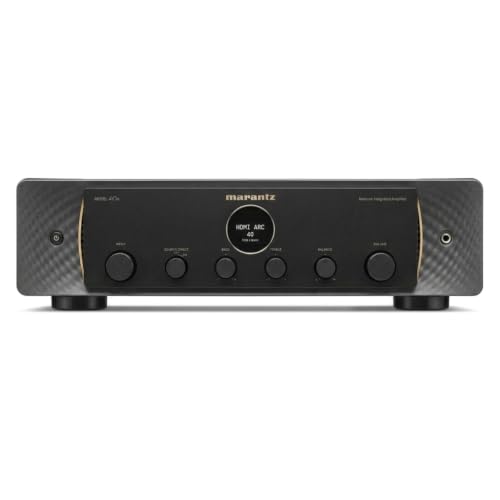
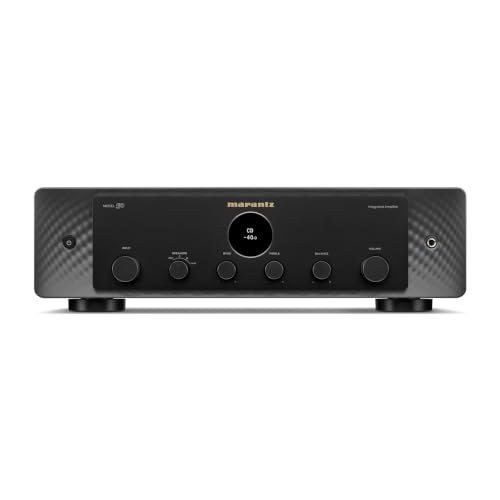

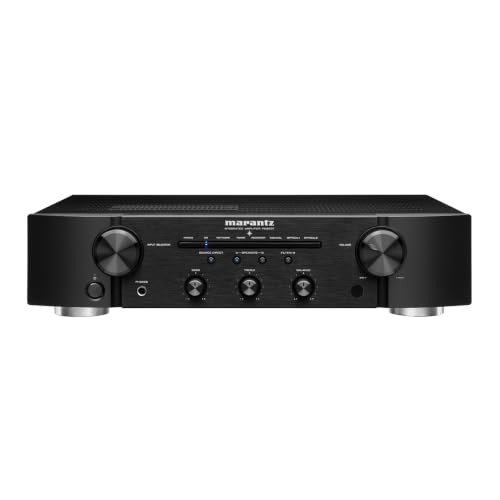
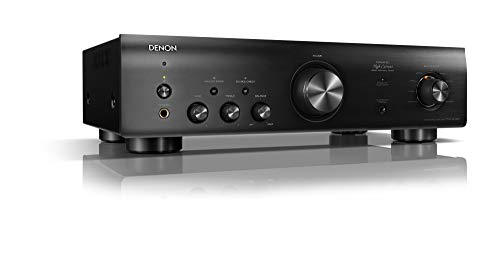
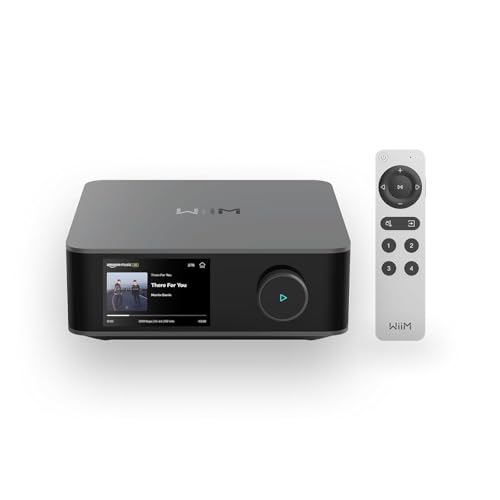
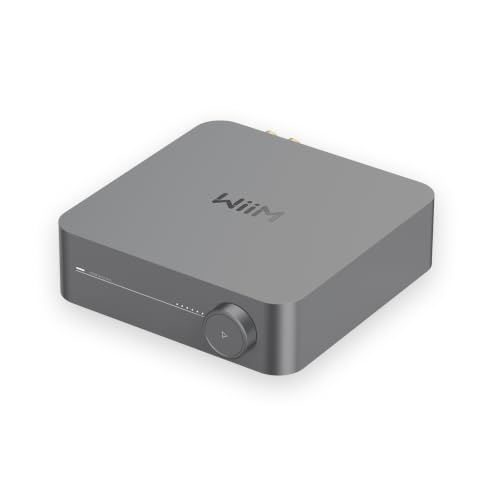

What Each Price Tier Delivers
Rather than naming individual models, this section describes what each spending level generally buys you with Martin Logan speakers. Match the tier to your speaker model and room size first, then compare specific units in the product table above.
The Balanced Tier
Around $700 to $1,500, you find integrated amplifiers and AV receivers with genuinely strong power supplies, stable output into low impedance, and about 100 to 150 watts per channel into 8 ohms with a healthy 4 ohm figure behind it. This tier suits most Martin Logan owners, including the hybrid electrostatic models, in small and medium rooms. Build quality, binding posts, and heat management are all a clear step up here, and preamp outputs often appear, leaving a door open to a separate power amplifier later.
The Value Tier
Between about $300 and $700, careful shopping still finds amplifiers that handle the easier Martin Logan models, such as the compact dynamic bookshelf and center speakers, very well. Expect roughly 60 to 100 watts per channel and honest ratings, but check the fine print for a 4 ohm rating and keep volume sensible with the electrostatic models. This tier fits a bedroom, office, or a theater built from the smaller speakers in the range. Spend the savings on placement and a good center channel match.
The Premium Tier
Above about $1,500, separate power amplifiers and flagship integrated models deliver deep current reserves, large transformers, and output stages rated comfortably into 2 ohms on some designs. This tier suits the big electrostatic panels in large rooms, where impedance dips and wide dynamics test lesser amplifiers. You also gain balanced inputs, generous heat sinking, and construction meant to last decades. If you own the larger panels, this tier is not indulgence; it is the natural partner the speakers were designed around. Our guide to the best martin logan speakers shows how the models scale in size and demand.
How to Choose the Best Amplifier for Martin Logan Speakers: Buying Guide
Features That Matter for Martin Logan Speakers
Stability into low impedance is the headline feature, because electrostatic panels can dip toward 2 ohms or lower at the top of the frequency range, even when the nominal rating reads 4 or 6 ohms. Choose an amplifier that publishes a 4 ohm power rating, runs cool at volume, and never sounds hard or glassy on strings and voices. About 100 watts per channel into 8 ohms is a sensible target for the panels, while the compact dynamic models thrive on half that. This is the one specification area where cutting corners shows up quickly.
Sound Quality and Tuning
These speakers are revealing, so the amplifier should be neutral and quiet rather than warm and colored. A low noise floor keeps the famous panel transparency intact during quiet passages. Tone controls are rarely needed once placement is right, and many owners prefer a direct or bypass mode for the shortest signal path. If your room is bright with glass and hard floors, soft furnishings will improve the sound more honestly than electronic correction applied heavily.
Connectivity
Match the inputs to your sources: HDMI ARC or optical for a TV, a phono stage for a turntable, USB for a computer, and network streaming or Bluetooth for phone based listening. Balanced connections appear on premium gear and help with long cable runs between a preamp and a separate power amplifier. If you plan to grow into separates, confirm the integrated amplifier or receiver offers preamp outputs. Our terminology guide to the best amp for martin logan speakers covers the same ground from the amplifier side, which helps if you are comparing listings that use the shorter word.
Ecosystem and App Features
Streaming amplifiers and modern receivers add app control, room correction, and firmware updates. Room correction is genuinely useful with the hybrid models, because it can smooth the handover between the electrostatic panel and the cone woofer in your specific room. Check that the platform supports your music services and that updates still arrive. If you prefer a purist stereo setup, a plain integrated amplifier avoids all of this and will never be stranded by a discontinued app.
Power Supply and Heat
Driving low impedance loads turns electrical energy into heat, so power supply and cooling matter. Look for generous heat sinks, a heavy chassis, and vents that stay clear in your furniture. Class AB designs run warm and need open air, while efficient class D designs run cooler and suit closed cabinets, as long as the specific model is rated for low impedance loads. An amplifier that stays merely warm after an hour of film sound is telling you its supply is sized correctly.
Room and Placement Demands
Electrostatic panels radiate sound from front and back, so they need space behind them, often two feet or more, and they reward careful positioning more than most speakers. Keep them away from side walls where you can, and expect a smaller sweet spot than with wide dispersion cone speakers. Amplifier choice interacts with placement: a system pulled into the room plays with more ease, so you may need less power than a corner squeezed setup suggests. Budget floor space as part of the purchase, not as an afterthought.
Types of Amplifiers
Integrated Amplifiers
One box holds the preamp and power sections, which keeps cost and clutter down. Strong integrated models drive most Martin Logan speakers beautifully and suit music first systems. Check for a 4 ohm rating and preamp outputs if you might add a power amplifier later. This is the default choice for a stereo panel setup.
AV Receivers
A receiver adds surround decoding, HDMI switching, and room correction for theater systems built around a Martin Logan center and surrounds. Choose a model with preamp outputs for the front channels, so a separate power amplifier can take over the demanding panels while the receiver handles the rest. That hybrid route is popular for good reason.
Separate Power Amplifiers
A dedicated power amplifier offers the deepest current reserves and the coolest running under load. It suits the largest panels and listeners who play loudly in big rooms. The cost is money, shelf space, and an extra interconnect cable. If your current amplifier sounds strained on peaks, this is the upgrade that fixes it; our general guide to the best amplifier for speakers explains separates in context.
Streaming Amplifiers
These compact units combine streaming with amplification and fit modern living rooms where a rack of boxes is unwelcome. The better models now deliver real current and stable low impedance behavior, but you must verify the rating rather than assume it. They suit the smaller dynamic Martin Logan models and moderate listening levels best.
Tips to Get the Most From Your Amplifier
- Give the panels room. Pull electrostatic speakers out from the wall behind them and toe them in slowly while a familiar voice plays, until it locks into focus.
- Keep firmware updated. On receiver and streaming models, updates maintain services and sometimes improve room correction results.
- Mind the heat. Leave clear space above the amplifier and dust the vents with a dry cloth every few months.
- Use sensible cable. For longer runs, 14 gauge copper wire keeps resistance low; make sure terminals are snug and no stray strands touch.
- Avoid maximum volume for long sessions. If the sound hardens, back off a little; the panels and your ears both prefer clean power. Compact rooms may do better with the approach in our guide to the best small amplifier for speakers.
Frequently Asked Questions
What features matter most in amplifiers for martin logan speakers?
Stability into low impedance matters most, shown by a published 4 ohm rating and cool running at volume. Electrostatic panels dip sharply at high frequencies, so current delivery beats headline watts. Aim for about 100 watts per channel for the panels and half that for the compact dynamic models. A quiet noise floor protects the transparency these speakers are bought for.
Can a normal receiver drive electrostatic Martin Logan speakers?
Many can at moderate volume, but the safest receivers publish 4 ohm ratings and offer preamp outputs for the front channels. If the receiver runs hot or the sound turns harsh on loud passages, it is asking for help. Adding a separate power amplifier for the front pair is the standard cure and transforms headroom. Until then, keep levels sensible and ventilation generous.
How much power do Martin Logan speakers need?
The hybrid electrostatic models are happiest with about 100 to 200 watts per channel of stable, low distortion power in an average room. The compact dynamic models need far less, often 50 to 80 watts. Sensitivity figures for panels can mislead because impedance varies so widely, which is why the quality of the watts matters more than the count. Buy for stability first and wattage second.
Do Martin Logan speakers work outdoors or in humid rooms?
No, these are indoor speakers, and electrostatic panels in particular dislike moisture and dust. There is no weather rating to look for here; instead, keep them in a normal living environment away from steamy bathrooms and open windows in wet weather. If you need sound outside, that is a different speaker category entirely, and our guide to the best amplifier for outdoor speakers explains the separate demands.
Why does my amplifier get hot with these speakers?
Low impedance at high frequencies makes the output stage work harder, and hard work becomes heat. Warmth is normal for many designs, but a unit too hot to rest a hand on, or one that shuts down, is undersized or starved of air. Improve ventilation first, then consider whether the amplifier rating truly covers low impedance loads. Persistent shutdowns are a message to upgrade, not to ignore.
Our Verdict
Decide with three checks: a published low impedance rating, enough clean power for your room, and ventilation the unit can live with. Meet those, and Martin Logan speakers deliver the clarity you paid for. Compare your finalists in the product table above, and remember that the best amplifier for martin logan speakers is the stable, quiet one that never draws attention to itself. The panels will handle the magic from there.


