
Best Amp for Martin Logan Speakers: A First Time Buyer's Guide for 2026
Disclosure: We may earn a commission when you buy through links on this page, at no extra cost to you. As an Amazon Associate I earn from qualifying purchases. Learn more

Shopping for the best amp for martin logan speakers for the first time? Learn the terms, compare options, and avoid rookie mistakes with this easy guide.
Buying your first serious amplifier feels intimidating, and Martin Logan speakers add one twist: many of their models use electrostatic panels that ask more of an amp than ordinary box speakers do. The good news is that the rules are simple once someone explains them in plain English. Finding the best amp for martin logan speakers comes down to stability, current, and a few honest specifications.
This guide starts with the basics, translates the spec sheet, and flags the mistakes first time buyers make most often. The comparison table below shows current options, and the sections after it will help you read that table with confidence, even if this is your very first hi fi purchase.


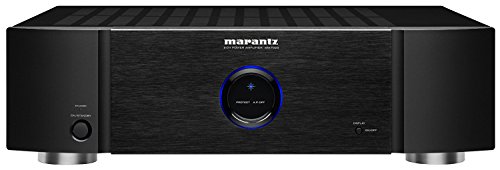


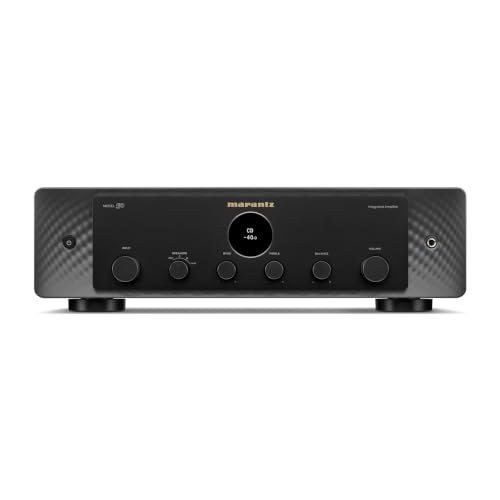
Amps 101: The Basics
An amplifier takes the small signal from your source, such as a streamer, turntable, or TV, and gives it the strength to move a speaker. Without enough strength, music sounds thin and strained long before it sounds loud. A receiver combines an amp with a tuner and switching for several sources, while an integrated amp keeps the amp and volume control in one box without the tuner. A separate power amp does only the heavy lifting and needs a preamp or a source with its own volume control.
Martin Logan speakers matter here because electrostatic panels behave differently from cones. Their impedance can fall to very low values at high frequencies, sometimes near 1 to 2 ohms on some models, even when the nominal rating reads 4 or 6 ohms. An amp that stays stable and calm into that load will sound smooth. An amp that struggles can turn bright or shut down. That single idea explains most of what follows. If you are still choosing the speakers themselves, our guide to the best martin logan speakers walks through the range.
One more beginner term is worth knowing: gain structure, which simply means how the volume steps are arranged across your source and amp. If your streamer outputs a strong signal, the amp volume will sit low for normal listening, and that is fine. What you want is a volume control that lets you make small, comfortable adjustments in the range you use every day, rather than one that jumps from quiet to loud in the first quarter turn. Test this in the store if you can, because you will live with that control daily.
Key Specs Explained in Plain English
Features That Matter for Martin Logan Speakers
The one feature to insist on is stability into low impedance. Look for an amp rated into 4 ohms whose maker also states output into 2 ohms, or at least describes the design as high current. Electrostatic panels also reward a quiet amp, because their clarity exposes hiss and hum that lesser speakers hide. Many Martin Logan models are fairly sensitive, often around 90 dB or a little higher, so you do not need extreme wattage. You need the watts the amp does have to stay clean and controlled when the impedance dips.
Watts and Current: What the Numbers Mean
Watts describe how much work the amp can do, but the fine print decides everything. Always compare watts per channel, RMS, at a stated impedance. A rating of 100 watts at 8 ohms that climbs toward 150 or more at 4 ohms signals a healthy power supply. Current, measured in amps, is what actually pushes through a difficult load at high frequencies. Beginners often chase the biggest watt number in the room; experienced panel owners read the 4 ohm figure first and treat the rest as a bonus.
Sound Quality and Tuning
Electrostatic panels are prized for speed and transparency, so the amp should get out of the way. Look for low distortion figures and a frequency response that stays flat well beyond the audible range, which usually signals stable behavior with a reactive panel load. Avoid heavy tone shaping on a first system, because you need a neutral baseline before you can judge your room. If voices sound edgy, the fix is often placement or a softer room, not a warmer amp bought in a hurry.
Inputs and Connectivity
List your sources before you shop. A streamer may connect by digital inputs, a turntable needs a phono stage, and a TV needs an HDMI ARC or optical input. Balanced connections help on long cable runs but are not essential in a small room. Bluetooth built into an amp is handy for casual listening from a phone, yet a wired or WiFi streamer will sound better and drop out less. Keep it simple: an integrated amp with the three or four inputs you actually use beats a feature packed unit whose menus you dread. Our wider guide to the best amp for speakers explains input types in more depth.
Placement and Room Size for Speakers
Electrostatic panels radiate sound from both front and back, so they need space behind them, often two to three feet or more from the wall. In a small room, the smaller Martin Logan models make more sense than the tall flagship panels. The amp you choose should match the room too, because a modest room at moderate volume asks far less of the power supply. Sit at a reasonable distance, keep the panels away from side walls where you can, and let placement do the work that equalizers cannot.
Rookie Mistakes to Avoid
- Judging by 8 ohm watts alone. Panels dip far below their nominal rating, so an amp that looks strong at 8 ohms may still struggle where it counts.
- Buying the amp before the speakers. The speaker model sets the load and the sensitivity, so choose speakers first, then match the amp to them.
- Ignoring the manual warnings. If a maker says an amp is not suited to 4 ohm loads, believe it, especially with electrostatic models.
- Spending the whole budget on the amp. Cables, a decent source, and simple room soft furnishings all shape the result. Leave money for the full system.
- Cranking a new system on day one. Set volume gently, check for heat or distortion, and let yourself learn the system at sane levels first.
Getting Started: Setup and First Use
Unbox the amp where it will live, because good amps are heavy and awkward to move twice. Connect speaker cables with the power off, red to red and black to black, and make sure no stray wire strands touch the neighboring terminal. Give the amp shelf space above it for heat to escape. Connect one source, start with the volume low, and play something you know well. Then set the panel position, toe the speakers in slightly, and listen for a week before changing anything. Small placement moves teach you more than quick cable swaps. If you want deeper background before connecting separates, read our comparison of the best amplifier for martin logan speakers options and layouts.
Frequently Asked Questions
What features matter most in amps for martin logan speakers?
Stability into low impedance matters most, then current delivery and a low noise floor. Panels can dip near 1 to 2 ohms at high frequencies on some models, so an amp that welcomes difficult loads keeps the treble smooth. A useful extra is a protection circuit that guards both amp and speakers quietly, without tripping during the loud passages of normal listening.
How many watts does a first time buyer need?
For most rooms and most Martin Logan models, about 75 to 150 watts per channel into 4 ohms from a stable design is a comfortable range. Sensitivity on many models sits near 90 dB, so that power reaches strong volume without strain. Buy for control rather than loudness: clean power at your real listening level beats a huge rating you never use beyond a quarter of the volume dial.
Wired or wireless sources: which sounds better?
A wired connection sounds better and behaves more reliably for serious listening. Streaming over WiFi to a dedicated streamer also performs very well, because the data arrives intact and the amp does the conversion. Bluetooth from a phone is fine for podcasts and casual playlists, but compression can soften the fine detail that electrostatic panels reveal so clearly. Keep Bluetooth as the convenience option, not the main path.
Can a compact amp run Martin Logan speakers?
Yes, if the compact amp is genuinely stable into low impedance and you listen at moderate levels in a small room. Size alone no longer decides quality, since modern compact designs can deliver strong current. Check the fine print for a 4 ohm rating and clear guidance on difficult loads. Our notes on the best mini amp for speakers explain where compact models make sense and where they run out of headroom.
Why do my panels sound bright with some amps?
Brightness usually comes from the amp working hard into the falling high frequency impedance, or from a hard, empty room. Panels send a lot of sound at the back wall, and bare walls reflect it straight back at you. Try more distance from the wall, a rug, or curtains before blaming the amp. If the amp also runs hot or shuts down, the load is simply beyond it and a stronger match is the honest fix.
Wrapping Up
Remember three things: choose speakers first, insist on stability into low impedance, and compare honest 4 ohm power rather than headline watts. Give the panels space, start listening at gentle levels, and let placement finish the job. Compare your shortlist in the product table above, and you will choose the best amp for martin logan speakers for your room with the calm confidence of a second time buyer.


