Best Amplifier for Focal Speakers: A First Time Buyer's Guide for 2026
Disclosure: We may earn a commission when you buy through links on this page, at no extra cost to you. As an Amazon Associate I earn from qualifying purchases. Learn more

Shopping for the best amplifier for focal speakers for the first time? Learn the terms, compare options, and avoid rookie mistakes with this easy guide.
Buying your first real amplifier feels harder than it should, because every product page throws watts, ohms, and classes at you without explaining which ones matter. If you own Focal speakers, or plan to, this guide walks from the plain basics to a confident purchase. We will explain how to find the best amplifier for focal speakers for your room and budget, what each key spec means in everyday language, and which rookie mistakes to skip. No jargon is left unexplained, and nothing assumes you have done this before.
Focal speakers are known for clarity and detail, which is good news and a warning at once. A clean, honest amplifier lets that detail shine, while a rough or weak one stands out just as clearly. The comparison table below will make much more sense once you finish the basics section.


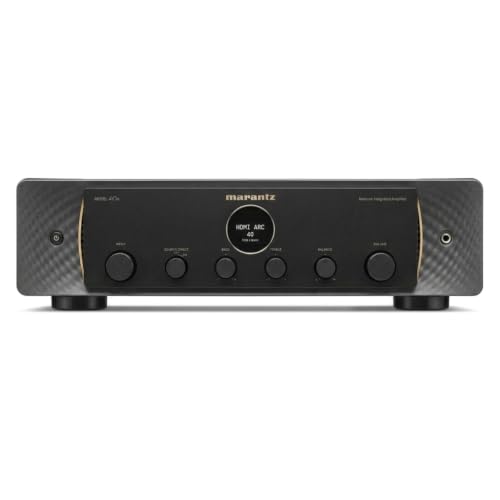
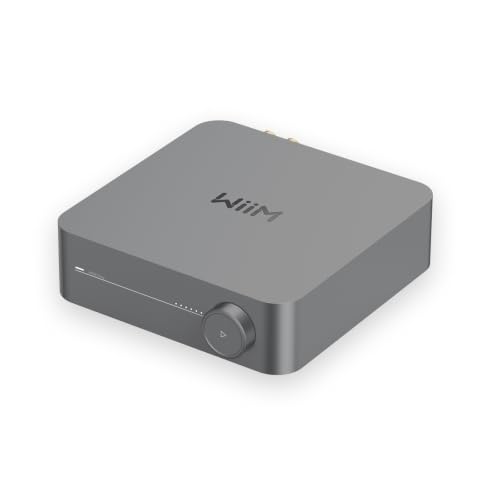
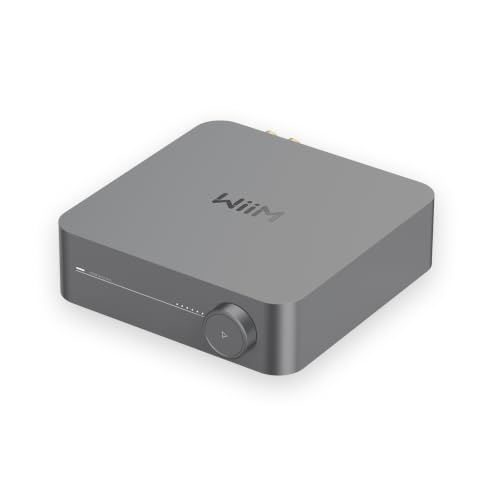

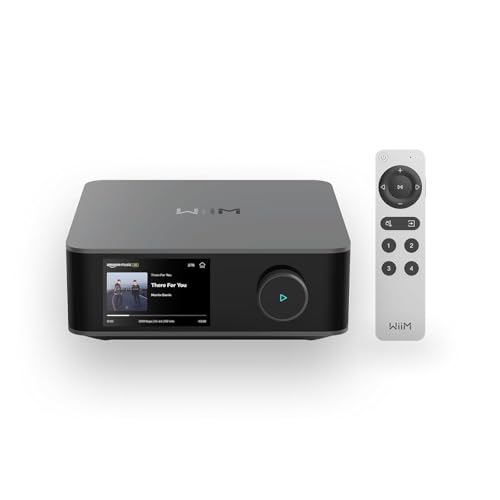
Amplifiers 101: The Basics
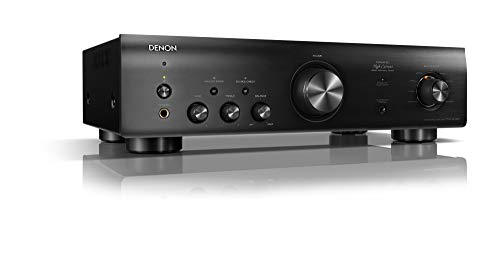
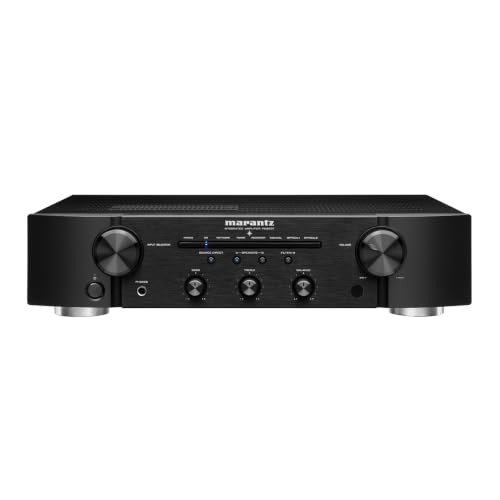
An amplifier takes a small electrical signal from your phone, turntable, or TV and makes it strong enough to move speaker drivers and fill a room with sound. Every amplifier has two jobs inside: a preamp section that selects sources and controls volume, and a power amp section that does the heavy lifting. An integrated amplifier puts both jobs in one box, which is what most first time buyers should choose. A receiver adds radio and video handling to the same idea.
Three terms unlock every spec sheet. Watts measure how much power the amplifier can deliver. Ohms measure how hard the speaker is to drive, and lower numbers mean a harder job. Sensitivity, written as dB, tells you how loud a speaker plays with one watt, and higher numbers mean you need less power. Focal publishes all three for its speakers, and the amplifier only has to match them sensibly, not perfectly. If you want the wider picture first, our guide to the best amplifier for speakers explains amplifier families in the same plain style.
Key Specs of the Best Amplifier for Focal Speakers Explained
Features That Matter for Focal Speakers
Focal speakers reward an amplifier with low distortion and a quiet background, because their tweeters reveal hiss and harshness that softer speakers hide. Most Focal home models are rated around 8 ohms with dips lower, and they ask for roughly 25 to 150 watts depending on the model. A safe first purchase is an integrated amplifier delivering about 50 to 100 watts per channel into 8 ohms, with a published rating into 4 ohms as a sign of a strong power supply. Check your exact speaker manual for its recommended range and stay inside it.
Power Ratings Explained
Power ratings confuse beginners because brands measure them differently. Trust the figure stated per channel, with both channels driven, across the full 20 Hz to 20 kHz range, at a low distortion number such as 0.1 percent or less. A rating given at one frequency or at 1 percent distortion flatters the product. Also know that doubling watts adds only a small step in loudness, so a clean 60 watt amplifier is a better buy than a sloppy 120 watt one. Headroom, the reserve above average level, is what makes music sound relaxed rather than louder.
Sound Quality and Tuning
Sound quality here means the amplifier adds as little of its own character as possible. Focal speakers already have a clear, lively voice, so a neutral amplifier keeps voices natural and instruments easy to follow. Simple bass and treble controls are enough for most rooms, and a loudness feature helps music sound full at low evening volume. If a demo sounds tiring after ten minutes, that pairing is telling you something, because detail should invite longer listening, not shorten it.
Ecosystem and App Features
Many amplifiers now stream music over WiFi and take commands from a phone app. This is pleasant if you listen from streaming services daily, and firmware updates through the app keep those services working as platforms change. The risk is dependence on an app you may not love, so check recent app reviews before choosing a streaming model. A plain amplifier plus a small separate streamer is the alternative, and it lets you upgrade the digital side later without replacing the amplifier. Owners planning a full Focal system can browse our guide to the best focal speakers for matching ideas.
Connectivity
Make a list of everything you will plug in before you shop, then count inputs on the back panel photo. A TV needs HDMI ARC or an optical input. A turntable needs a phono input, or you must budget for a small external phono stage. A computer sounds best through a USB input that uses the amplifier DAC. Bluetooth covers casual phone listening, and version 5.0 or newer gives a steadier connection across a room. One spare input is a wise cushion for the source you have not bought yet.
Noise Floor and Quiet Backgrounds
Here is the beginner friendly version of a spec often tied to headphones: what matters with revealing speakers is a low noise floor, sometimes listed as signal to noise ratio. A figure around 100 dB or better means silence between songs stays silent instead of hissing softly. You can test this in a store by pausing the music and raising the volume slowly; a good amplifier stays quiet. This single check tells you a lot about build quality and suits Focal speakers especially well.
Rookie Mistakes to Avoid
- Buying the most watts in the budget. Watt claims are the easiest number to inflate and the least useful alone; clean power and a strong supply matter more.
- Ignoring impedance dips. A speaker rated at 8 ohms may dip far lower, so choose an amplifier that also lists a 4 ohm rating or is known for stability.
- Forgetting the phono question. Plugging a turntable into a normal line input gives thin, quiet sound, because records need a phono stage.
- Leaving no air around the amplifier. Stacking gear on top of the vents cooks the parts inside and shortens the life of the unit.
- Spending everything on the box. Keep a little back for speaker stands, cable, and placement; a modest amplifier set up well beats a costly one set up badly. If shelf space is tight, our guide to the best small amplifier for speakers shows compact options that still behave properly.
Getting Started: Setup and First Use
Unbox the amplifier and place it on a firm surface with clear space above the vents. Connect the speakers first, red terminal to red terminal, with the power off, and make sure no loose wire strands touch the case or the other terminal. Then connect your main source, plug in the power cord, and switch on at a low volume setting. Play something familiar and raise the volume slowly, listening for clean, balanced sound from both speakers. If one side is quiet, swap the speaker cables at the amplifier to learn whether the issue follows the cable or stays with the channel, which tells you where the fault lives. Update the firmware on streaming models during this first session, and keep the box and manual until the return window closes.
FAQs
What features matter most in amplifiers for focal speakers?
Low distortion, a quiet noise floor, and honest power between about 50 and 100 watts per channel matter most. Focal speakers reveal flaws, so cleanliness beats brute force. A published 4 ohm rating is a good sign of a capable power supply. After that, choose by inputs: phono for vinyl, HDMI ARC or optical for TV, and USB or streaming for digital music.
How much power do Focal speakers need?
Most Focal home speakers play happily on about 50 watts per channel in an average room, because their sensitivity is usually fair to good. Larger floor standing models in big rooms benefit from 100 watts or a little more for headroom. Check the recommended range in your speaker manual and buy near the middle of it. Extra headroom sounds like ease, not volume, at normal listening levels.
Can a budget amplifier damage Focal speakers?
A very weak amplifier turned up until it distorts is the classic way speakers get hurt, because heavy distortion stresses tweeters. The fix is simple: if the sound turns harsh or flat, turn it down. A modest but honest amplifier used sensibly is safe, and Focal speakers are built to handle their rated range. When in doubt, choose the amplifier with the stronger power supply rather than the bigger claim.
Should a first time buyer choose an amplifier or a receiver?
Choose an integrated amplifier if music is the main job, because your money goes into two good channels. Choose a receiver if the system centers on a TV and may grow to surround sound, since it adds HDMI switching and room correction. Both can drive Focal speakers well. If the room will also serve outdoor or secondary zones later, plan inputs now; our guide to the best amplifier for outdoor speakers shows how different that job can be.
Do I need a separate DAC or streamer for Focal speakers?
Not at first. Many integrated amplifiers include a DAC and Bluetooth or network streaming. If you later want better digital sound, a separate streamer or DAC can be added through a spare input without replacing the amplifier.
Our Verdict
For a first purchase, aim for clean and honest power in the middle of your speakers range, the inputs your sources need today plus one spare, and enough air around the box. Compare your shortlist with the product table above, and remember that the best amplifier for focal speakers is rarely the loudest or the cheapest. It is the one that stays quiet, plays clean, and lets you stop thinking about gear and start enjoying records.