Best Analog Speakers of 2026: Complete Buying Guide
Disclosure: We may earn a commission when you buy through links on this page, at no extra cost to you. As an Amazon Associate I earn from qualifying purchases. Learn more
The best analog speakers take a direct cable input and suit your room. Compare sound, connectivity and placement before you buy.
The phrase analog speakers covers simple wired speakers and modern models that still take a direct analog input from a turntable, phone, or receiver. Buyers get lost because listings stress wattage and Bluetooth versions while saying little about drivers, placement, or room fit. This guide to best analog speakers focuses on the choices that shape sound in your room, so you can buy once and listen happily for years.
Start with the comparison table below to compare size, inputs, and battery or power needs. Then work through the buying guide sections in order, since each one narrows the field further.

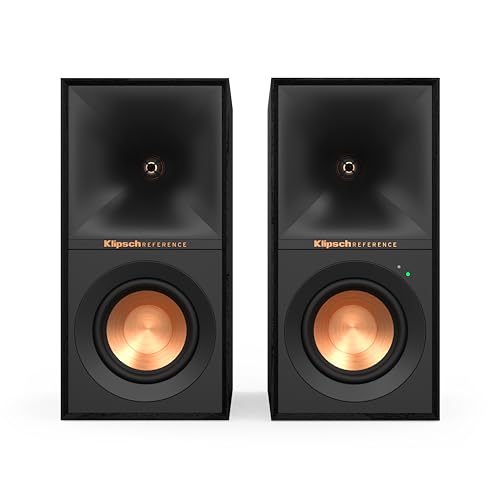


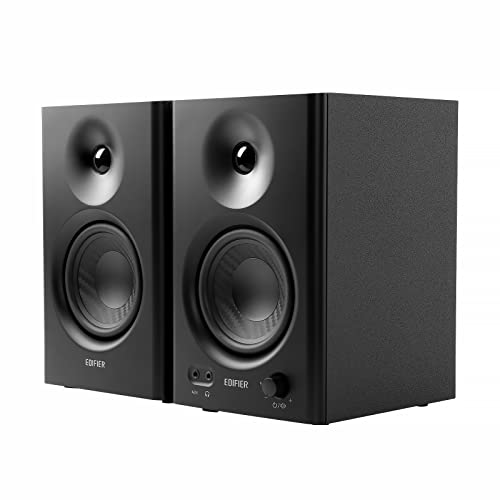
What a Strong Choice Looks Like at Each Level
Best Overall Profile
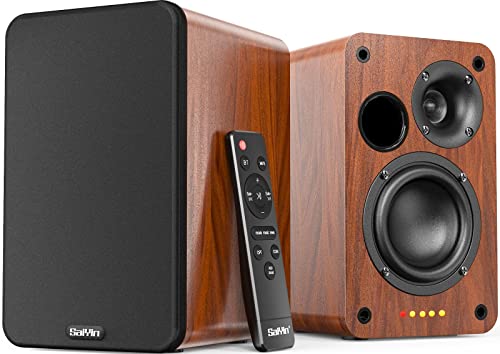
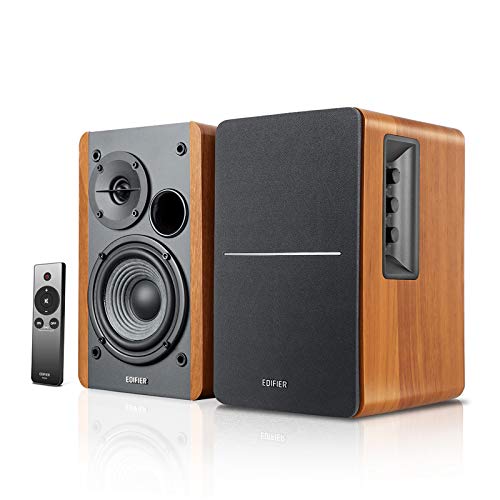
A well rounded pair or single unit balances clear midrange with controlled bass, offers both wired analog input and Bluetooth, and suits a medium room without strain. Expect prices around $200 to $400 for bookshelf pairs in this class, with solid cabinets and useful tone controls. This profile suits mixed listening: vinyl in the evening, streaming during the day, and television dialogue at night. Its limit is deep bass, which still needs a subwoofer for film effects.
Best Value Profile
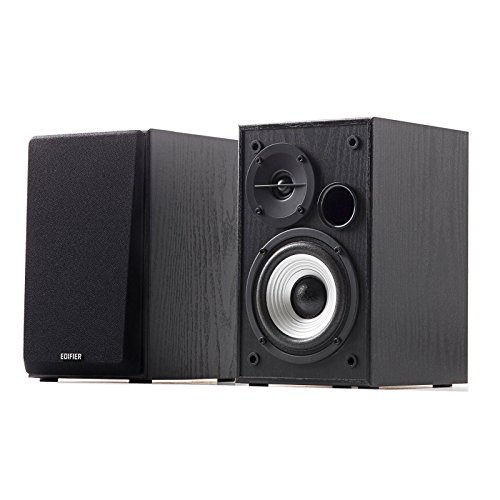
Value models around $100 to $200 keep the essentials: honest drivers, a clean amplifier, and at least one analog input for a turntable or CD player. You give up some cabinet finish, app features, and bass depth, but the core sound can be surprisingly close to pricier sets. This profile suits first systems, bedrooms, and desks. Buy it when your source is modest and your room is small, since extra power would go unused.
Best Upgrade Profile
Upgrade models around $400 to $800 buy larger drivers, stiffer cabinets, better crossovers, and inputs that include optical or a proper phono stage. Sound opens up at low volume, voices gain texture, and stereo imaging becomes stable across the sofa. This profile suits dedicated listening rooms and buyers upgrading from a soundbar. Its limit is diminishing returns, since placement and room shape start to matter more than the speakers themselves.
How to Choose the Best Analog Speakers: Buying Guide
Sound Quality and Tuning
Driver size sets the floor for bass: 4 inch woofers suit desks, 5 to 6.5 inch woofers fill living rooms, and anything smaller needs help for film sound. Frequency response figures only help when given with a tolerance, such as plus or minus 3 dB, since a bare range hides dips. Neutral tuning flatters voices and acoustic music, while bass lifted tuning suits parties and electronic music. If vinyl is your main source, our guide to the best analog speakers for vinyl covers phono inputs and grounding in depth.
Connectivity: Bluetooth Version, Codecs, and Wired
Wired analog input remains the most reliable path, with no delay and no pairing fuss. Bluetooth 5.3 adds stable range and multipoint pairing, while codecs matter by device: AAC suits Apple gear, aptX and LDAC can help Android phones that support them. Latency matters for video, so check for a low latency mode if the speakers will serve a television. For purely wireless listening, compare the options in our guide to the best bt speakers before you commit.
Placement and Room Size for Speakers
Bookshelf speakers sound best on stands or firm shelves with tweeters near ear height and some space from rear walls. Corners boost bass but can muddle voices, so pull speakers 8 to 24 inches from walls when you can. In small rooms, nearfield models avoid overwhelming the space, while large rooms need bigger drivers or a subwoofer. Pairing two units for true stereo beats one larger unit for imaging, since voices lock to the center.
Durability and Water Resistance: IP Rating
Indoor bookshelf models rarely carry an IP rating, and that is fine for a living room. Portable analog input models meant for patios should reach IPX4 for splashes, while IP67 means the unit survives dust and brief immersion. Sealed cabinets resist kitchen steam and bathroom humidity better than ported designs with open seams. Whatever the rating, keep charging ports closed outdoors and dry the unit before storing it.
Microphone Quality
Some powered speakers include a microphone for voice assistants or speakerphone calls. In a living room, mic quality decides whether commands work from the sofa or only up close. Echo cancellation matters more than raw sensitivity, since the speaker hears its own output. If calls matter, test with a window open, because fans and traffic expose weak noise handling fast. Pure listening models skip mics entirely, which many buyers prefer for privacy.
Ecosystem and App Features
Apps can add equalizer presets, firmware updates, stereo pairing, and source switching from your phone. A simple three band equalizer solves most room problems, while room correction features help in odd shaped spaces. Check whether the app is required for basic functions; the best designs keep volume and input control on the unit itself. Firmware support matters over years, so favor brands with a record of updating older models.
Comfort, Fit, and Weight
For speakers, comfort means handling: weight, carry handles, and controls you can reach without a manual. A unit under 5 lb moves between rooms easily, while bookshelf pairs at 10 lb each stay put once placed. Rounded edges and rubber feet protect shelves and reduce vibration marks. If you move gear often, look for a balanced top handle and a cabinet finish that shrugs off scuffs.
Types of Analog Speakers
Home and Bookshelf Models
Bookshelf models deliver the best sound per dollar at home, with stereo separation and enough output for films and music. Their drawback is footprint: stands, cables, and placement rules take planning. They suit listeners with a fixed seating spot. If pure sound quality leads your search, our guide to the best sounding speakers explains what separates good tuning from great tuning.
Wireless and Bluetooth Models
Bluetooth models with analog input give you both worlds: cable free streaming most days and a wired link for turntables or televisions. The drawback is battery care on portable versions and slight delay on some codecs. They suit mixed households where phones are the main source. For travel first designs, see our guide to the best portable speakers for smaller and tougher options.
Powered Models for Turntables
Powered bookshelf pairs with RCA inputs connect straight to a turntable that has its own phono stage, or to a record player with a built-in preamp. They save the cost of a separate amplifier and suit small rooms. Check the input type before you buy, because a turntable without a preamp needs one in the chain.
Gaming Models
Gaming use rewards low latency above all, so a wired analog or optical link beats Bluetooth for fast dialogue cues and effects. Nearfield placement at a desk keeps sound detailed at low volume during late sessions. A headphone output on the speaker is a quiet bonus for night play. Avoid heavy bass boost here, since it masks footsteps and speech in competitive titles.
Setup and Care Tips
- Keep firmware updated, since updates often fix pairing drops and improve equalizer behavior.
- Store portable units in a case or padded bag to protect drivers and grilles in transit.
- Wipe grilles and cabinets with a dry or slightly damp cloth, and never spray cleaner directly on a driver.
- Avoid max volume for long sessions, which stresses amplifiers and can distort drivers over time.
- Run new speakers at moderate volume for the first hours of listening so you can spot rattles or defects early.
- Keep cables relaxed with gentle bends, since tight coils and pinched runs cause crackle at the connectors.
Analog Speakers: Your Questions Answered
How long does the battery last?
Portable models typically run 10 to 24 hours at moderate volume, and far less near maximum. Bass heavy music and cold weather shorten runtime further. A practical know how point is to charge before the battery sits empty for weeks, since deep discharge ages lithium cells. Mains powered bookshelf models avoid the issue entirely, one reason they suit fixed setups.
What IP rating do I need for outdoor use?
IPX4 covers splashes by the pool or light rain for a garden party. Choose IP67 if the speaker will live outdoors, face dust, or risk a full dunk. Remember that ratings assume fresh water and closed port covers, and salt water still calls for a rinse afterward. Indoor only models should stay indoors regardless of how sturdy they look.
Wired or wireless: which sounds better?
Wired sounds better when everything else is equal, with no compression and no pairing delay. Wireless wins on convenience and often sounds close enough that guests never notice a gap. Many buyers use both: wired for the turntable and television, Bluetooth for phones. Choose the connection per source rather than pledging loyalty to one.
What does analog mean for a speaker?
An analog speaker takes a direct, cable-carried audio signal, such as RCA or 3.5 mm, instead of relying only on a digital wireless link. It is the simplest and most reliable way to connect a turntable, a television or a receiver, and many models add Bluetooth as a bonus.
Do analog speakers need a separate amplifier?
Passive models do, powered models do not. A powered pair has the amplifier built in and plugs straight into a source, while a passive pair needs a receiver or an amplifier. Check the product description for the words powered or active.
Our Verdict
Prioritize tuning and room fit first, then inputs, then smart extras. A modest pair placed well will beat a costly set squeezed into a corner. Whichever best analog speakers you shortlist from the product table above, check driver size and input types one last time before ordering.