
Best Analog Speakers for Vinyl by Budget: Smart Picks for 2026
Disclosure: We may earn a commission when you buy through links on this page, at no extra cost to you. As an Amazon Associate I earn from qualifying purchases. Learn more
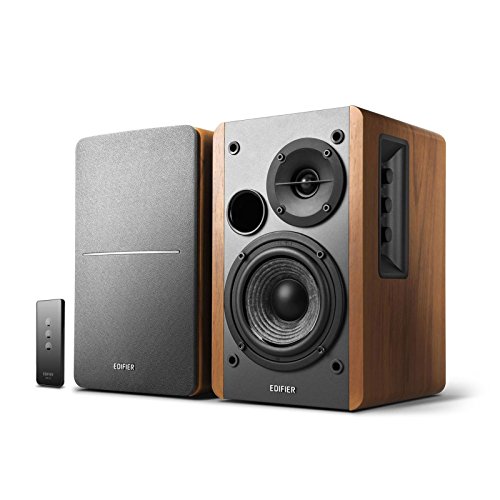
Compare best analog speakers for vinyl by budget, driver size, inputs, and room fit, and learn what each price tier adds for record listening.
Speakers for records range from under $100 a pair to well over $1,000, and the jump in price buys very different things depending on whether the speakers are powered or passive. The best analog speakers for vinyl match your turntable, your amplifier or receiver if you use one, and the size of your room, in that order. This guide breaks down what each budget tier really delivers, which features matter for vinyl playback, and how to use the comparison table below without overspending on the wrong upgrade.
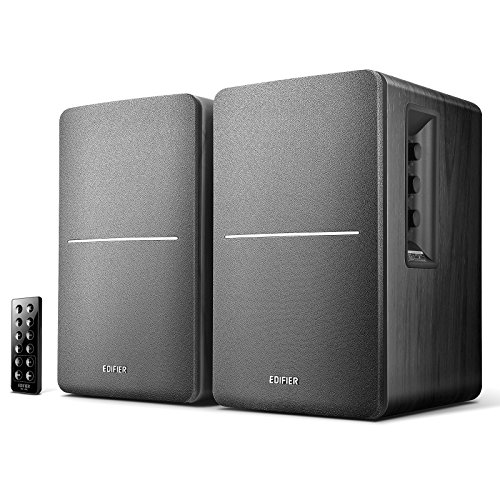
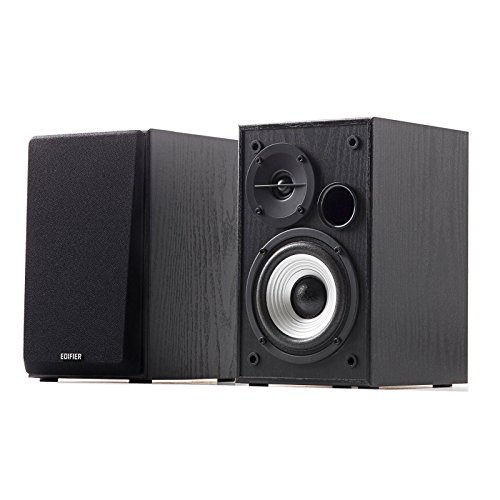
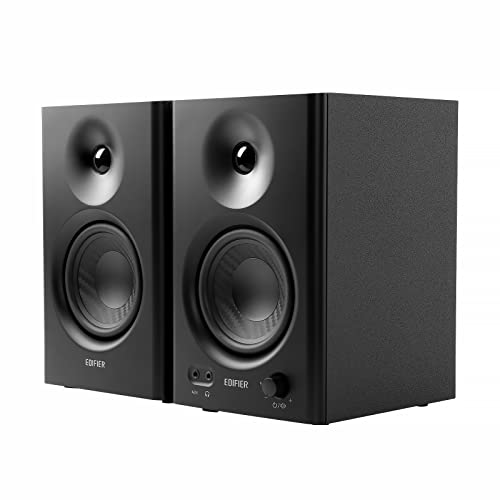

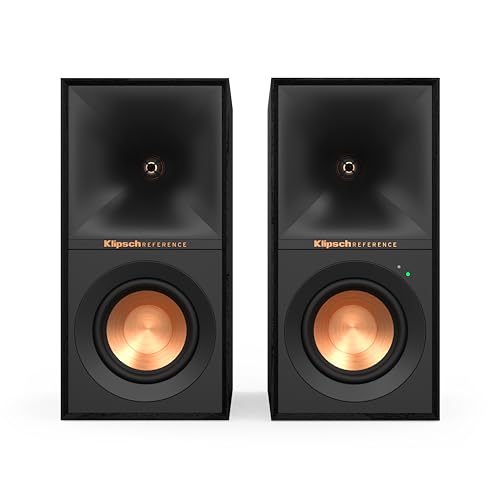

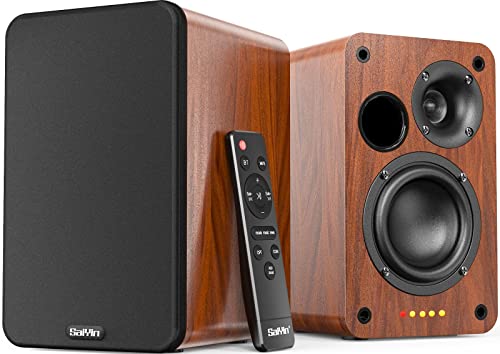


Budget Tiers at a Glance
Budget Tier: Starting a Listening Setup
At around $100 to $250 a pair, most vinyl friendly options are powered bookshelf speakers with built in amplification, which keeps a first setup simple. Expect modest bass from smaller drivers, basic tone controls on some models, and inputs that may include RCA for a turntable with a built in phono stage. Sound will fill a bedroom, office, or small living room at moderate volume without strain.
The main limits are deep bass, stereo separation at higher volume, and cabinet finish. For a first record setup or a second room, those limits are reasonable, and money saved here can go toward records and a better cartridge later.
Midrange Tier: Fuller Sound and Better Inputs
Between about $250 and $600 a pair, speakers gain larger woofers, sturdier cabinets, and cleaner sound at higher volume. Passive models in this range pair with a separate amplifier and reward that extra box with better control, while powered models add useful inputs such as optical for a TV and Bluetooth for casual streaming. A phono input appears on some powered designs, which can remove the need for a separate phono stage.
This tier suits listeners who play records several times a week and want vocals and acoustic instruments to sound natural at real listening levels. It is the point where room placement starts to matter as much as the speakers themselves.
Premium Tier: Detail, Bass, and Build
Above about $600 a pair, spending more buys lower and tighter bass, finer detail, wider sound staging, and cabinets and finishes built to last for decades. Premium passive speakers assume a capable amplifier, and their makers publish fuller measurements, including sensitivity and impedance that help you match components. Powered premium models add room correction or app based tuning on some designs.
Choose this tier when vinyl is your main listening source and your room can support better placement. In a small or untreated room, premium speakers can expose flaws rather than hide them, so budget for placement and basic room care as part of the purchase.
What Your Money Gets You at Each Price Tier
Budget Tier: What to Expect
Expect compact cabinets, drivers around 3 to 5 inches for the woofer, and simple rear or remote controls. Bass will be present but not deep, so bass heavy records sound lighter than they should, though a later subwoofer can fill that gap on systems that offer a subwoofer output. Check that output before you buy if future bass is part of your plan.
Also expect fewer connection options and lighter build. None of that prevents enjoyable listening, and a well placed budget pair often beats a costly pair shoved into corners.
Midrange Tier: The Sweet Spot for Most Buyers
Midrange speakers should give you a 5 to 6.5 inch woofer, a tweeter with smoother high frequencies, and a cabinet that does not buzz or ring at normal volume. Stereo imaging improves, so instruments sit in clearer positions between the speakers. Inputs broaden, finishes improve, and replacement parts and support become easier to find.
For most record listeners this tier balances cost, size, and sound for years. Readers building a full vinyl chain can compare cabinet styles in our guide to the best vinyl bookshelf speakers for shelf and stand placement ideas.
Premium Tier: When Spending More Pays Off
Premium money pays off in three audible ways: cleaner sound when the music gets busy, bass that stays controlled at volume, and a wider, deeper sense of space on well recorded albums. Build quality also becomes a long term value, with real wood veneer, solid binding posts on passive models, and drivers designed for low distortion.
It pays off least when the rest of the chain is weak. A worn stylus, a turntable on the same shelf as the speakers, or a poor pressing will limit premium speakers just as much as budget ones.
Features of the Best Analog Speakers for Vinyl Worth Paying For
Features That Matter for Vinyl
Vinyl playback needs a correct phono stage somewhere in the chain, because records are cut with reduced bass and boosted highs that the phono stage reverses. Confirm whether your turntable, your amplifier, or your powered speakers provide that stage, and never connect a turntable without one to a normal line input, because the sound will be thin and quiet. A ground connection also matters when a separate phono stage is used, since it controls hum.
Analog RCA inputs are the core requirement here. Despite marketing language around digital features, a clean analog path from turntable to speakers is what this purchase is about, a point our guide to the best analog speakers covers across music sources.
Ecosystem and App Features
Some powered speakers add Bluetooth, WiFi streaming, remote controls, and app based EQ. These extras help a living room system serve records, TV, and phone streaming from one pair of speakers. They add nothing to pure vinyl sound quality, though, and app dependence can age a product if support ends.
Pay for these features when one system must do everything in the room. Skip them, and put the money into drivers and cabinets, when the speakers will live in a dedicated listening corner fed by a turntable and an amplifier.
Sound Quality and Tuning
Driver size, cabinet volume, and tuning decide the basic character. Larger woofers move more air and reach lower notes, while a well tuned smaller speaker can sound clearer in a small room than an oversized one. Frequency response figures give a rough guide to bass reach, but listening level and room shape change what you hear more than a few published hertz.
For vinyl, a balanced and slightly warm tuning flatters most records and hides surface noise better than a bright tuning that emphasizes hiss and clicks. If a powered model offers tone controls, small adjustments beat extreme settings.
Shoppers comparing turntable focused bundles can also see our guide to the best vinyl player speakers for pairing notes.
Placement and Room Size for Speakers
Bookshelf speakers sound best on stands or a firm shelf at ear height when seated, angled slightly toward the listener, and placed away from walls by a foot or more where space allows. Keep the turntable off the same surface as the speakers, because vibration from the speakers can travel into the cartridge and create feedback or muddy bass. That isolation point is a practical know how step many first setups miss.
Small rooms suit compact speakers at moderate volume, while large open rooms may need bigger drivers or a subwoofer. Buy for the room you have, not the room you hope for, and leave budget for stands if your shelves are crowded.
Listeners who love older designs can compare eras in our guide to the best vintage speakers for vinyl, noting that older speakers may need repair before they perform well.
Long Term Costs to Factor In
Ownership costs extend beyond the speakers. Passive setups need an amplifier or receiver, speaker wire, and possibly a phono stage, while powered setups may need stands, isolation pads, and cables. Over years, budget for a replacement stylus for your turntable, record cleaning supplies, and eventual foam surround or crossover repair on older passive speakers.
Warranty length and parts support matter more at premium prices. A maker that stocks drivers and offers US service protects a larger purchase, while a no name powered speaker with a failed amplifier board can become a total loss after the warranty ends.
Frequently Asked Questions
What features matter most in analog speakers for vinyl?
A correct phono stage in the chain, clean RCA inputs, and drivers sized for your room matter most. One point often missed is gain matching: a powered speaker with a sensitive input can hiss at low volume with some phono stages, so check for a dedicated phono input or a volume range that suits quiet listening. Good placement then unlocks what those features offer.
Wired or wireless: which sounds better?
A wired analog connection sounds better for vinyl because it avoids converting your record signal to a digital wireless stream and back. Wireless links add convenience for phone music and multiroom listening, and modern links can sound very good, but they add delay and compression steps that a direct cable avoids. For records, run the cable, and save wireless for casual sources.
For alternate phrasing of this same search, our guide to the best speakers for vinyls covers similar ground for record focused setups.
Do I need a phono preamp for vinyl speakers?
Only if neither your turntable nor your speakers have one built in. Many records players include a preamp, and some powered speakers add a phono input. Without a preamp somewhere in the chain, records sound thin and quiet.
Should I choose powered or passive speakers for records?
Powered speakers are simpler and cost less overall, because the amplifier is built in. Passive speakers need a separate amplifier or receiver, but they let you upgrade each part later. Choose powered for a compact first setup and passive for a growing system.
Where should I place the turntable relative to the speakers?
Keep it on a separate, stable surface away from the speakers. Vibration from the speakers can travel into the cartridge and cause feedback or muddy bass, so isolation matters as much as the speakers themselves.
Final Thoughts
Match the speakers to your turntable chain and your room first, then let budget decide how much bass, detail, and build you can add. Placement and a correct phono stage will improve any tier more than a rushed jump to the next one. The product table above can help you compare driver sizes, inputs, and power types side by side.
Chosen that way, the best analog speakers for vinyl will make your records sound full and relaxed every time you sit down to listen.

