Best Analog Smartwatches: Types Compared and How to Choose for 2026
Disclosure: We may earn a commission when you buy through links on this page, at no extra cost to you. As an Amazon Associate I earn from qualifying purchases. Learn more

Compare types of best analog smartwatches by battery life, tracking, phone fit, and style, so you can choose the right hybrid watch for you.
A watch with real hands that also counts steps, buzzes for calls, and tracks sleep sounds ideal, until you meet the range of hybrid designs and realize each type trades features for battery life in a different way. The best analog smartwatches keep a classic dial while adding only the smart help you will actually use. This guide compares the main types against solar, automatic, and quartz watches, then walks through fit, features, and care, with the comparison table below as your quick reference.



How Analog Smartwatches Compare to Other Options
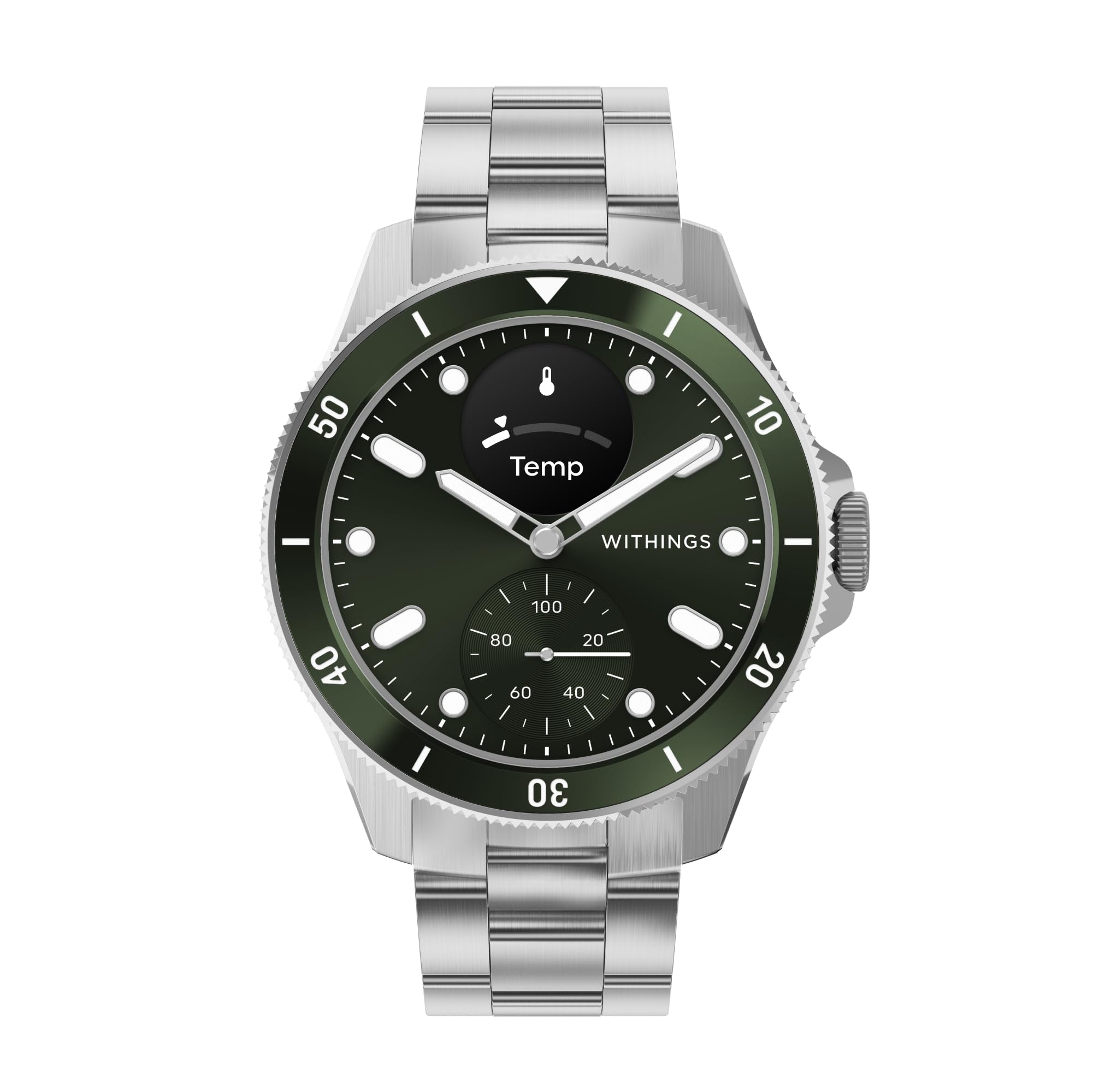
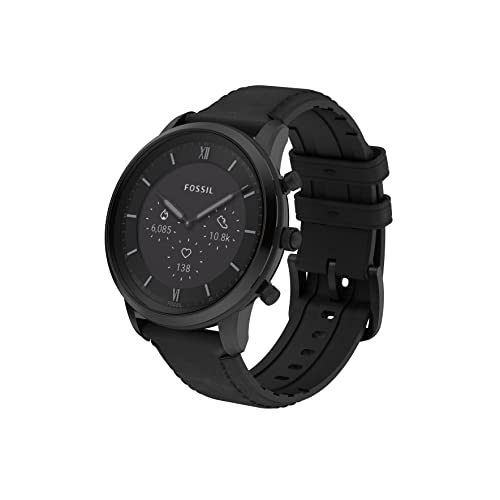
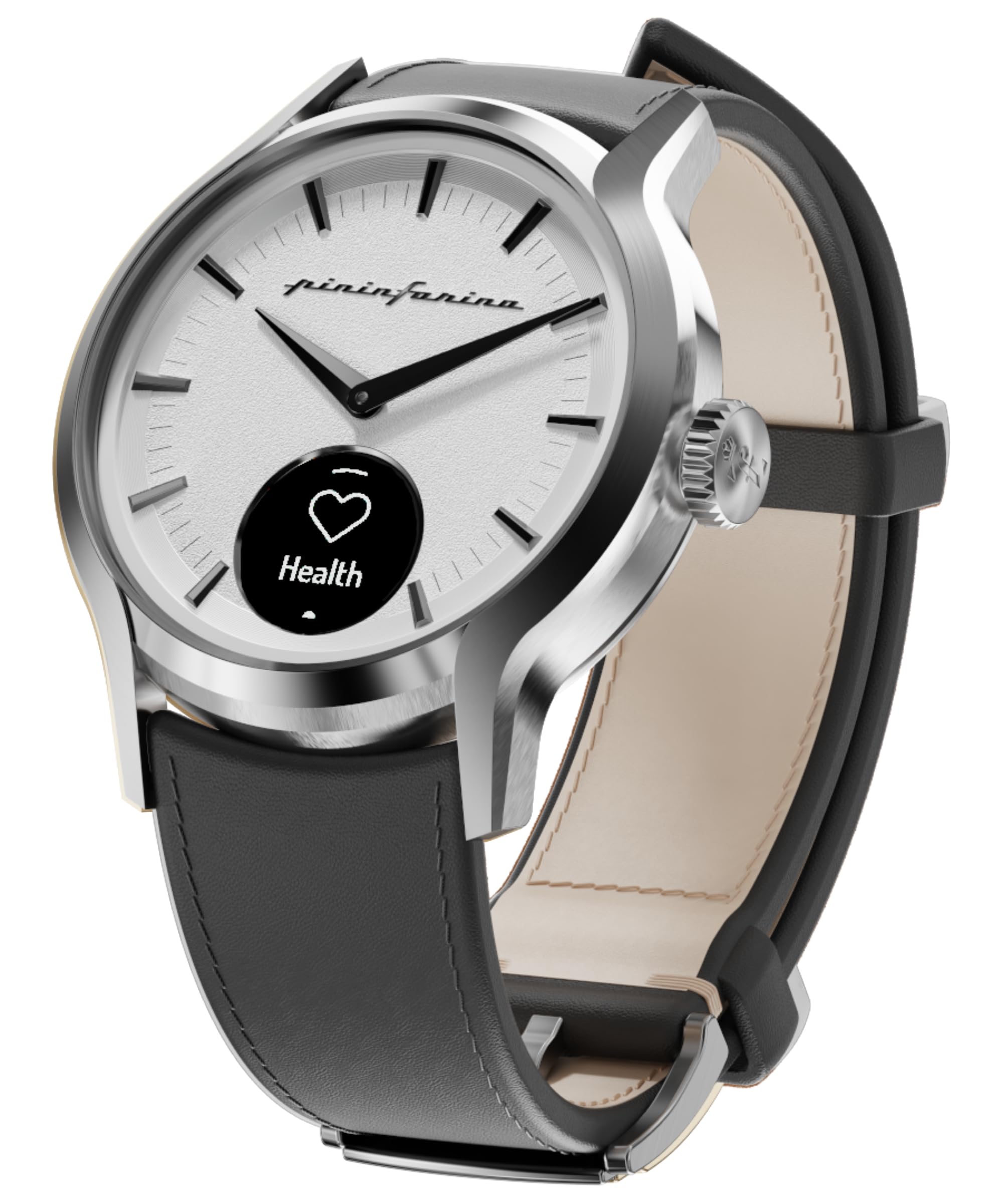
Think of four broad types. Full hybrid watches hide all smart functions behind moving hands and a phone app. Hybrids with a small display add a discreet screen for messages or heart rate. Traditional quartz, solar, and automatic watches give up connection entirely in exchange for simplicity and long service. Your best type depends on how much phone contact you want on your wrist.
Analog Smartwatches vs Solar Watches
Analog smartwatches connect to your phone for alerts, activity tracking, and sometimes heart rate or sleep data, and they need charging every few days to a few weeks depending on features. Solar watches use light to power a quartz movement, can run for months without attention, and tell time with great accuracy, but they offer no notifications or tracking. The daily experience is the real split: connected help versus total independence.
Choose the hybrid if missed calls, step goals, or silent alarms shape your day. Choose solar if you travel off grid, dislike charging cables, or want a watch that works the same in ten years without an app account.
Analog Smartwatches vs Automatic Watches
Automatic watches are mechanical, powered by wrist motion, and valued for craft, smooth second hand sweep, and freedom from batteries. Analog smartwatches are electronic at their core, with a battery, sensors, and software, so they gain tracking and alerts but face eventual software and battery limits. Accuracy also differs: a connected hybrid can sync time from your phone, while an automatic drifts by seconds per day.
Pick the automatic for a lifetime mechanical object and a screen free wrist in the fullest sense. Pick the hybrid when data and discreet alerts matter more than movement heritage.
Analog Smartwatches vs Quartz Watches
A plain quartz watch and a hybrid can look identical on the wrist, yet the quartz watch does one job with a battery that lasts years and no pairing, updates, or permissions. The hybrid adds an app, Bluetooth connection, sensors, and charging, and in return gives you activity records, phone alerts, and features such as vibrating alarms or music controls. Price overlaps widely, so features, not looks, should drive the choice.
If you have ever ignored fitness data after a month, the simpler quartz watch is likely the smarter buy. If you check step and sleep trends weekly, the hybrid earns its extra upkeep.
Shoppers who want the full screen experience instead can compare options in our guide to the best of smartwatches before settling on a hybrid.
Who Should Choose Analog Smartwatches?
The strongest fit is a buyer who likes a traditional watch face at work, at dinner, and in photos, but still wants silent call alerts, a step record, and a vibrating alarm that does not wake a partner. Office workers, teachers, clinicians, and frequent travelers often value that discretion. Battery life of one to four weeks also suits people who dislike nightly charging.
Choose another type if you need full apps, calls from the wrist, detailed GPS routes without a phone, or advanced training metrics. Athletes in serious training and users who rely on voice replies will outgrow most hybrids quickly. Likewise, buyers who want a watch to hand down over decades should look at mechanical or simple quartz designs with no software lifespan.
Men comparing case sizes and strap styles in this category can also see our guide to the best men's smartwatches for the wider connected market.
How to Choose the Best Analog Smartwatches
Smart and Fitness Features
List the features you will use weekly, not the longest feature list you can find. Common hybrid tools include step and distance tracking, sleep duration, heart rate checks, silent alarms, phone finder, and notification filtering by app or contact. GPS usually comes from your phone rather than the watch, which keeps size and battery in check but means runs without a phone lack a route map.
Check what the app records, whether data exports to your health platform, and whether a subscription is required for full history. Wrist health data supports general wellness habits and is not a substitute for medical testing or advice.
Case Size and Wrist Fit
Hybrid watches often run large because sensors, batteries, and motors need room, so check diameter, thickness, and lug to lug length with extra care. Many models sit between 40 and 44 mm and can feel tall on the wrist, especially designs with a display layer under the dial. Smaller options exist and suit slimmer wrists, though they may carry smaller batteries.
A practical know how point is to weigh comfort with the included strap first. A silicone strap suits workouts and sweat, while leather or steel dresses the same watch up, and quick release spring bars make swapping between them a one minute job.
Movement Type: Quartz, Automatic, Solar, and Smart
Inside a hybrid, electronic motors move physical hands, often with a quartz time base or phone sync for accuracy. Some models add solar charging to stretch battery life, while others rely on rechargeable cells or replaceable coin cells that last months. Each power system changes upkeep: rechargeable models need a cable routine, coin cell models need a battery swap, and solar models need regular light exposure.
Ask how the watch behaves when the battery runs low. Better designs keep telling time after smart features shut down, rather than stopping entirely at the moment you need the watch most.
Legibility and Style
Real hands can cover a small display or crowd a dial filled with subdials, so judge legibility in person or in clear photos. Look for strong contrast, lume on the main hands, and a layout where a notification does not require squinting. Some hybrids move the hands out of the way when you read a message, a detail worth checking if a display is included.
Style range runs from dress inspired minimal dials to sport designs with bold markers and rotating bezels. Match the watch to your most formal regular setting, because a sport hybrid under a suit draws more attention than a plain dial at the gym.
Women comparing smaller cases and strap choices can see our guide to the best women smartwatches for sizing notes that apply across brands.
Brand Reputation, Warranty, and Value
Software support is part of value in this category, because an abandoned app can end smart features while the watch still tells time. Favor makers with a track record of app updates, clear warranty terms of at least one to two years, and US based support and parts. Read recent app store reviews for the companion app, since pairing stability and update quality decide daily satisfaction as much as hardware.
Also confirm phone compatibility before you buy, including operating system version limits. Buyers loyal to one phone platform should check our guide to the best iphone smartwatches for pairing considerations that hybrids share.
How to Make Your Analog Smartwatch Last Longer
Treat a hybrid as both a watch and a small electronic device. Keep its software and companion app updated, charge it before the battery sits empty for long periods, and store it away from strong magnets that can disturb hand alignment. Rinse a water rated model with fresh water after saltwater exposure, dry it fully before charging, and avoid pressing buttons underwater unless the maker allows it.
Unlike automatic watches, hybrids do not need movement service every five to seven years, but rechargeable batteries age with charge cycles and may need maker service after several years. A soft case for travel and a screen free dial you can wipe with a microfiber cloth will keep it looking sharp.
Frequently Asked Questions
How long does a watch battery last?
Hybrid battery life ranges from about five days for display heavy models to several months for coin cell designs with hands only. Your settings decide the real number: constant heart rate checks, bright displays, and frequent notifications shorten every estimate. A useful habit is to charge during a regular weekly routine, such as a weekend morning, so the watch never dies on a workday.
What case size fits my wrist?
Most hybrid buyers land between 40 and 44 mm, but thickness and lug to lug span matter as much as diameter because sensor hardware adds bulk. If your wrist is under about 6.5 inches, seek the smaller size in any model line and a strap that tapers, which reduces visual bulk. Try the watch with a long sleeve as well, since tall cases catch on cuffs more than plain quartz watches do.
Is a smartwatch worth it over a classic watch?
A full smartwatch is worth it for apps, calls, voice replies, and detailed training tools, while a hybrid is the middle path for alerts and basic tracking with a classic look. A classic watch still wins for lifespan and simplicity. The deciding question is how often you act on wrist notifications: daily users gain real value, while people who silence most alerts gain little from any connected watch.
How water resistant should a watch be?
For a hybrid you wear during workouts and hand washing, look for at least 50 m, and choose 100 m if you swim with it regularly. Electronics add a caution beyond normal watches: heat from saunas and hot showers can stress seals and batteries, so remove the watch even when its rating looks generous. After any battery or case service, water resistance should be rechecked by the maker or a watchmaker.
Quartz or automatic: which is better?
For buyers considering a hybrid, quartz thinking is the useful frame: accuracy, low effort, and predictable upkeep. Automatic is better only as a deliberate craft choice, with daily wear to keep it running and service every five to seven years. A hybrid sits closer to quartz in spirit, adding electronics to that ease, so choose it when connection helps you and choose automatic when machinery itself is the attraction.
Fitness focused readers can compare training features in our guide to the best smartwatches fitness to see where hybrids stop and sport watches begin.
Our Verdict
Choose your type first, then battery life and app quality, then style. A hybrid that lasts two weeks, pairs reliably with your phone, and reads clearly at a glance will satisfy far longer than a feature packed model you must charge every few days. The comparison table above can help you line up those basics before you commit.
Matched to the right wrist and routine, the best analog smartwatches give you a classic dial with modern help kept quietly in the background.