
Best Amplifier for Bookshelf Speakers for 2026: A Buying Guide
Disclosure: We may earn a commission when you buy through links on this page, at no extra cost to you. As an Amazon Associate I earn from qualifying purchases. Learn more

The best amplifier for bookshelf speakers matches speaker impedance, inputs and room size. Compare amp types, power needs and setup tips.
Choosing the best amplifier for bookshelf speakers is mostly about matching power, impedance and inputs to a compact pair that is usually efficient, easy to drive and placed close to the listener. You do not need a large receiver: a stereo integrated amplifier, a small class D amp or a streaming amplifier usually does the job. The product table above shows current options, and this guide explains how to pick between them.
Bookshelf speakers are often 4 or 8 ohm designs with moderate sensitivity, and they sit on a desk, shelf or stand a few feet from your ears. That means clean, low-noise power matters more than raw wattage.

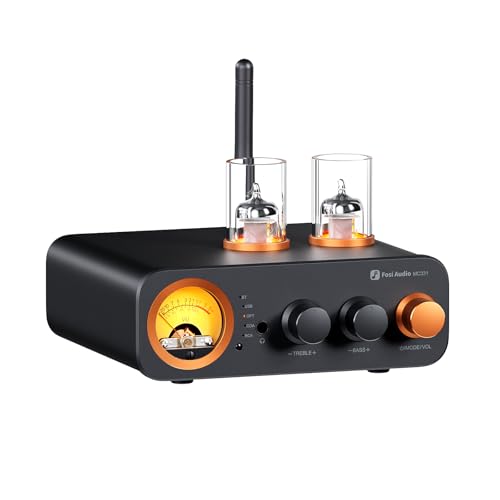
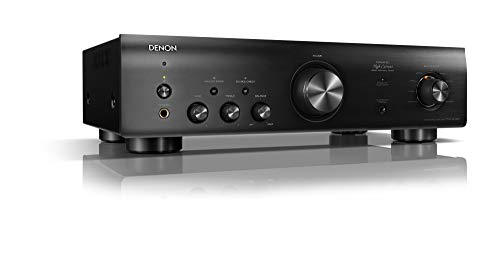
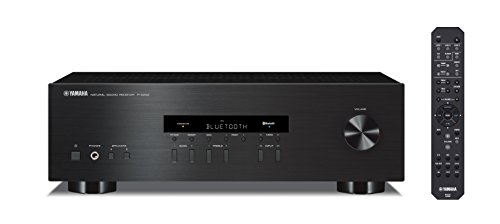

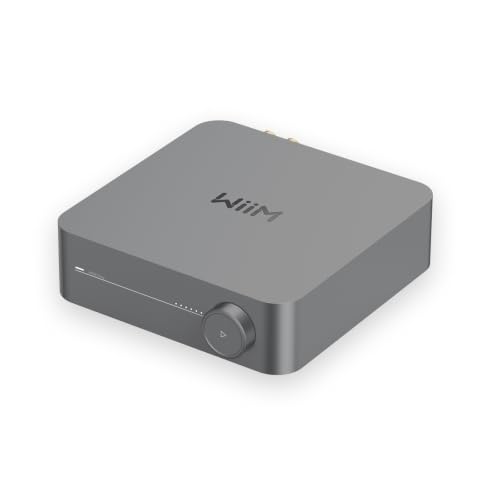
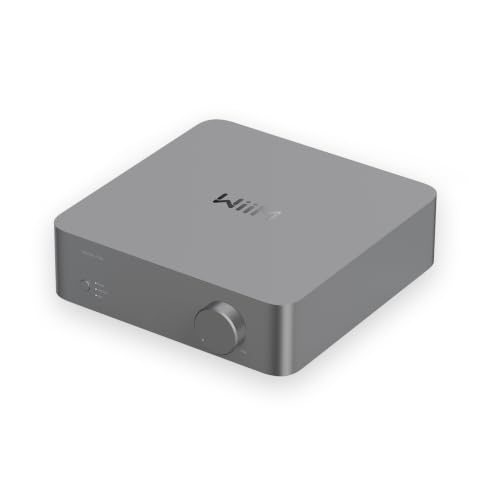
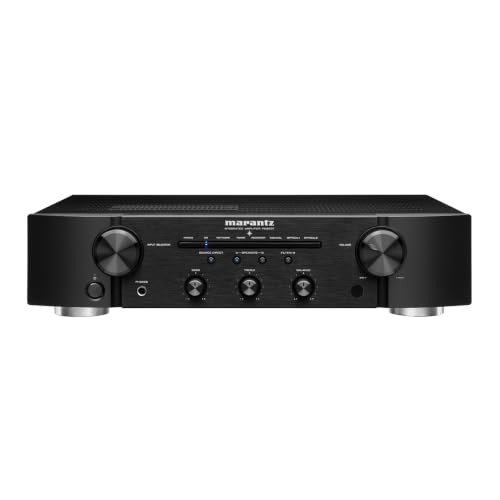

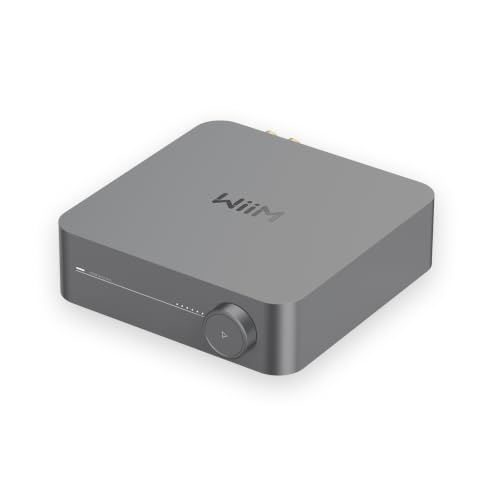
Who Should Buy the Best Amplifier for Bookshelf Speakers
- Desk and home office listeners who want a small box with USB, optical or Bluetooth inputs.
- Living room owners who want better TV sound than a soundbar through an optical or HDMI ARC input.
- Vinyl listeners who need a phono input or room for an external phono preamp.
- Upgraders who bought passive bookshelf speakers and now need a matching amplifier.
If you would rather skip the separate amplifier entirely, see best amplified bookshelf speakers and best powered bookshelf speakers.
Key Features to Compare
Power and impedance
Most bookshelf speakers are happy with 30 to 100 watts per channel. Check the speaker rating (usually 4 to 8 ohms) and choose an amplifier that lists that load. An amplifier that publishes a 4 ohm rating shows a stronger power supply and is the safer pairing.
Inputs
List your sources: a TV (optical or HDMI ARC), a computer (USB), a phone (Bluetooth), a turntable (phono) and a streamer (RCA). Add one spare input for future gear.
Size and cooling
Compact class D amplifiers fit on a shelf or desk and run cool. Class AB models are larger and warmer, so leave space above the vents.
Controls
A remote, smooth volume control at low levels and a headphone output make daily use easier, especially at a desk.
Types of Amplifiers for Bookshelf Speakers
Integrated stereo amplifiers
One box with source switching and power. This is the most direct match for a pair of bookshelf speakers and a good home for a turntable or CD player.
Compact class D amplifiers
Small, efficient and affordable. They suit desks and bedrooms, and several models add Bluetooth and a subwoofer output.
Streaming amplifiers
These add WiFi, apps and often HDMI ARC. They suit people who stream most of their music and want a single small device.
Stereo receivers
A stereo receiver adds a radio tuner and sometimes a phono stage. It is a good value route if you want an all-in-one box for TV and records.
Budget Expectations
Capable small amplifiers start around $100 and are fine for a desk or bedroom. Between $250 and $600 you get stronger power supplies, built-in DACs, better remotes and streaming. Spend more only when a feature, such as HDMI ARC or a phono stage, solves a real need. Remember to add cable and stands to the total.
Matching Power to Your Speakers and Room
Sensitivity tells you how loud a speaker plays with one watt. A speaker around 88 dB needs more power than one at 92 dB for the same volume. In a small room, 40 to 60 watts is usually plenty. In a larger room or with low-sensitivity speakers, choose the upper end of the range for headroom. For a broader overview, our guide to the best amplifier for speakers covers amplifier families in detail.
Setup Tips
Switch everything off before connecting cables, match polarity, and use 16 gauge cable for short runs. Put the speakers on stands or a firm shelf at ear height, a few inches from the wall. Start at low volume and increase slowly while you listen for distortion. Keep the amplifier vents clear and avoid stacking other devices on top. After a few days of listening, revisit the tone controls and the speaker positions, since small changes often improve the sound more than a new component would. If you hear hum, separate power and signal cables, and try a different outlet before assuming a fault.
Reading the Specs: Watts, Ohms and Sensitivity
Three numbers tell you most of what you need. Power in watts per channel shows how much clean output the amplifier can deliver, but only when the rating names the load (for example 50 watts into 8 ohms) and the distortion level. Impedance in ohms tells you how hard the speaker is to drive: lower numbers draw more current, so a 4 ohm pair needs an amplifier that lists a 4 ohm rating. Sensitivity in decibels tells you how loud the speaker plays with one watt, so a 92 dB pair needs far less power than an 85 dB pair.
Two other figures are worth a glance. Signal to noise ratio shows how quiet the background stays between songs; around 90 dB or better is comfortable at a desk. Total harmonic distortion shows how faithfully the amplifier reproduces the signal; a figure of 0.1 percent or lower at normal power is a good sign.
A Short Buying Checklist
- Confirm the amplifier lists a rating that matches your speaker impedance.
- Count the inputs you need today and add one spare.
- Check the physical size against your shelf, including space for cables behind it.
- Look for a remote and a headphone output if you listen at a desk.
- Read the warranty length and the return terms.
Work through this list for two or three shortlisted models and the choice usually becomes clear without any further research.
Common Mistakes to Avoid
- Choosing by maximum watts instead of a published rating into your speaker impedance.
- Forgetting the phono question for a turntable.
- Putting a hot amplifier into a closed cabinet.
- Skipping the return policy, since taste and room decide the sound.
Related Guides
If you are still choosing the speakers, start with best bookshelf speakers. Shoppers on a tight budget can compare best bargain bookshelf speakers.
Frequently Asked Questions
How many watts do bookshelf speakers need?
Most pairs reach satisfying volume in a normal room with 30 to 80 watts per channel. Check the speaker manual for its recommended range and stay inside it.
Can I use a receiver instead of an amplifier?
Yes. A stereo receiver contains an amplifier plus a tuner and often a phono input. Choose a receiver if you want radio or more inputs in one box.
Do I need a DAC?
Many amplifiers include one. If yours does not, a small external DAC can improve sound from a computer through USB or optical.
Is a class D amplifier good enough?
Yes. Modern class D designs are efficient and clean, and they suit bookshelf speakers well.
Will an amplifier work with any bookshelf speaker?
It works with any passive speaker whose impedance and power range match. Powered speakers do not need an external amplifier at all.
Final Thoughts
The best amplifier for bookshelf speakers matches your speaker impedance, offers the inputs your sources need, and has enough clean power for your room. Use the product table above as a shortlist, then check ratings, inputs and the return policy before you order.


