
Best Amp for 4 Ohm Speakers by Budget: Smart Choices for 2026
Disclosure: We may earn a commission when you buy through links on this page, at no extra cost to you. As an Amazon Associate I earn from qualifying purchases. Learn more

Compare the best amp for 4 ohm speakers at every price point and learn what budget, midrange, and premium levels deliver for stable power and lasting use.
Amplifier prices range from under $100 to several thousand dollars, and watt numbers alone tell you almost nothing about value. With 4 ohm speakers the stakes are higher, because these speakers draw more current and expose weak power supplies quickly. This guide to the best amp for 4 ohm speakers explains what each budget tier really delivers so you spend on stable power first.
You will learn how to read a 4 ohm rating honestly, how much headroom your room and speakers need, and which features deserve your money. The comparison table below lists current options in one view. Keep your speaker sensitivity, your room size, and your listening volume in mind as you read, because those three facts decide your shortlist.
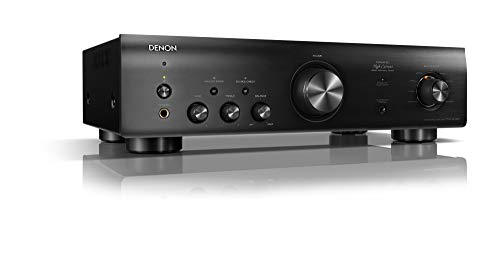


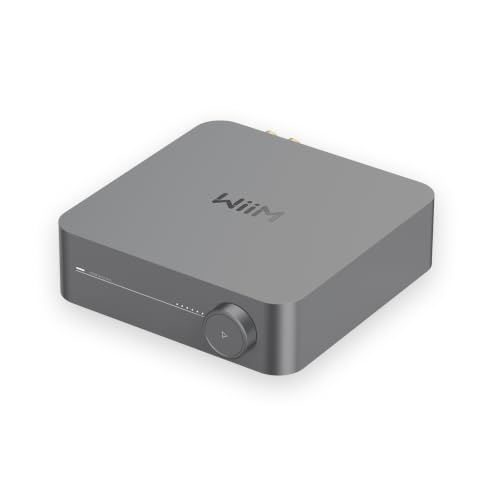


Budget Tiers at a Glance
Judge every amp against its tier and against one nonnegotiable test. It must be clearly rated to drive a 4 ohm load continuously, not merely survive one briefly. Within that rule, tiers differ in current delivery, build quality, inputs, and how cleanly the amp plays at the volumes you actually use.
Budget Tier Guidance: The Stable Starting Point
A sensible budget choice, usually about $100 to $300, covers a single pair of 4 ohm speakers in a small to medium room at moderate volume. Expect a compact Class D design or a simple stereo receiver, basic tone controls, and one or two inputs. Power claims need care here, so favor brands that publish watts at 4 ohms with a distortion figure.
This tier suits desktop systems, bedrooms, and first stereo setups with efficient speakers. The trade offs are headroom and flexibility. Loud listening in a large room, bass heavy music, and a second speaker pair will stress this tier. What must never be missing is an explicit 4 ohm rating and working protection against overheating and short circuits.
Midrange Tier Guidance: The Power Step
A sensible midrange choice, usually about $300 to $800, adds a stronger power supply, better heat management, and cleaner sound at higher volume. Expect honest continuous power at 4 ohms, more inputs including digital options, a remote, and often a subwoofer output and preamp outputs for later growth. Cases feel sturdier and controls feel more precise.
This tier suits most living room systems and buyers who listen at full, engaging volume. It handles impedance dips in real speakers with far less strain than budget models. If you are also considering a receiver format, our guide to the best receiver for 4 ohm speakers explains when that route makes more sense than a pure amplifier.
Premium Tier Guidance: The Control Step
A sensible premium choice, usually above about $800, pays for control and calm under stress. Expect generous current reserves, dual mono or similarly careful internal layouts on some designs, excellent channel separation, and very low noise. These amps hold their composure during quiet passages and loud peaks alike, even with speakers that dip below 4 ohms at some frequencies.
This tier suits large rooms, inefficient speakers, and listeners who hear value in refinement over years of use. The trade off is pure value, because a good midrange amp already drives most 4 ohm speakers well. Buy premium for difficult speakers, big spaces, or a system you plan to keep through several speaker upgrades, not for watt numbers alone.
What Your Money Gets You at Each Price Tier
Budget Tier: What to Expect
At the budget tier, your money buys adequacy with clear limits. A well chosen model drives one pair of reasonably efficient 4 ohm speakers to satisfying volume in a modest room. Inputs stay simple, often analog plus Bluetooth on newer designs, and streaming or room correction features are rare or basic.
Build and longevity reflect the price. Cooling relies on small heatsinks or vents, so placement with open air around the case matters greatly. This tier fits nearfield listening, small apartments, and secondary rooms. Spend here only after confirming the 4 ohm rating in the manual, because some bargain amps rate power at 6 or 8 ohms only and are not safe substitutes.
Midrange Tier: The Sweet Spot for Most Buyers
The midrange tier is the sweet spot because its upgrades solve real 4 ohm problems. Stronger power supplies deliver current when bass notes coincide with an impedance dip, so music stays clear instead of thinning or shutting down. Better volume controls track evenly at low levels, and added outputs let you add a powered subwoofer or a separate power amp later.
You also gain source flexibility, including optical input for a TV and phono input on some models for a turntable. Most living room buyers should start here and stop unless their speakers are known to be demanding. For terminology help, our guide to the best amplifier for 4 ohm speakers walks through rating language in detail.
Premium Tier: When Spending More Pays Off
Spending more pays off when your speakers, room, or habits punish lesser amps. Low sensitivity speakers in a large room need sustained current, and premium power supplies provide it without strain or fan noise. Superior build also brings repairability, better parts availability, and resale strength that budget gear rarely offers.
It pays off in listening terms too. Bass control tightens, voices stay stable in complex passages, and the system sounds relaxed at volumes where budget amps turn harsh. Compare your speakers against our guide to the best amp for 8 ohm speakers only if you are cross shopping systems, because 8 ohm loads are easier and follow different buying logic.
Features Worth Paying For (and Ones to Skip)
Placement and Room Size (for Speakers)
Placement and room size decide how much power you truly need. Speakers near walls gain bass reinforcement and need less power for the same fullness, while speakers pulled into a large open room need more. Bookshelf speakers on stands in a small room are the easiest load case, while floorstanding speakers filling a family room are the hardest.
For stereo listening, keep both speakers at a similar distance from you and toe them in modestly toward your seat. Outdoor and patio use raises volume demands because sound escapes without walls, so allow extra headroom there. No amp upgrade fixes poor placement, so set speakers well before you blame power for thin or boomy sound.
Sound Quality and Tuning
Sound quality in an amp shows as low distortion, low noise, and steady frequency response into your actual speakers. Driver size belongs to speaker shopping, not amp shopping, but the pairing matters. An amp that stays neutral lets your speakers sound as designed, while basic tone controls help you trim bass or treble for your room.
Decide whether you prefer a neutral presentation or a warmer one, then use modest EQ or tone adjustments rather than chasing exotic claims. A loudness or bass boost used sparingly can help at low volume. If a system sounds harsh, check speaker placement and room reflections first, because glass and bare walls cause more harshness than most amplifiers do.
Ecosystem and App Features
Ecosystem features include streaming inputs, app based EQ, firmware updates, and control alongside other gear from the same brand. These are worth paying for when you will use them weekly, such as TV sound over HDMI or optical, multiroom audio, or preset EQ for movies and music. Stable apps and continued firmware support matter more than a long feature list.
Skip elaborate ecosystems on a simple stereo amp if your sources are a turntable and a streamer you already own. Every added network feature is also a future support question. A focused amp with the inputs you need today, plus one spare digital input, usually ages better than a feature packed model tied to an app you dislike.
Features That Matter for 4 Ohm Speakers
Specific specs matter for 4 ohm speakers because they draw roughly twice the current of 8 ohm speakers at the same voltage. First, require a published continuous power rating at 4 ohms with distortion stated. Second, value high current delivery and a robust power supply over a single peak watt headline. Third, confirm protection circuits and adequate heatsinking, since heat is the daily cost of low impedance loads.
Also respect wiring math. Running two pairs of 4 ohm speakers in parallel can present about 2 ohms to the amp, which many amps cannot handle safely. Use a speaker selector with impedance protection or a multichannel design built for the job. Our guide to the best amp for 4 speakers covers that multi pair case directly.
Size, Weight, and Ventilation
An amp lives in your room and in your furniture, so size and heat are buying criteria, not afterthoughts. Full width premium amps can weigh a great deal and need a shelf that supports them plus several inches of open space above for heat to escape. Compact Class D amps fit desks and media cabinets but still need vents unobstructed.
Never stack other gear directly on a hard working amp or enclose it in a sealed cabinet. Heat shortens component life and triggers shutdowns during movies and parties. If your only space is enclosed, choose an efficient design, add a quiet cabinet fan, and monitor temperature during your first long listening session.
Long Term Costs to Factor In
Total ownership cost extends past the amp itself. Budget for proper speaker cable of adequate thickness for your run length, secure connectors, and a surge protector suited to audio gear. A powered subwoofer, if your speakers need bass help, often improves a system more than stepping up one amp tier, so weigh that cost honestly.
Factor in electricity, eventual service, and warranty length. Large Class AB designs draw more power and produce more heat than efficient Class D designs at the same listening level. A longer warranty and a brand with accessible service reduce lifetime risk. For boats and wet spaces, budget separately for corrosion resistant gear, as covered in our guide to the best marine amp for 4 speakers.
Frequently Asked Questions
What features matter most in amps for 4 ohm speakers?
A published 4 ohm continuous rating, strong current delivery, and effective cooling matter most. Those three traits decide whether the amp stays stable and clear when your speakers dip in impedance during bass heavy passages. Inputs and streaming extras rank after stability. If a listing hides the 4 ohm rating or states only peak power, treat that silence as a reason to choose a different model.
Do I need a special codec?
You need a special codec only if you listen over Bluetooth often and care about its quality ceiling. Newer Bluetooth versions and advanced codecs can preserve more detail from a phone than basic Bluetooth, but a wired or WiFi source still sounds best and avoids dropouts. For TV and music from fixed sources, choose the amp for its wired inputs and power, and treat Bluetooth as a convenience extra.
What IP rating do I need for outdoor use?
You need weather protection only if the amp itself lives outdoors or on a boat, and most home amps have no IP rating and must stay dry indoors. For covered patio systems, keep a standard amp sheltered and let outdoor rated speakers handle the weather. For fully exposed or marine installs, choose gear built and rated for that environment rather than risking a home amp outside.
Wired or wireless: which sounds better?
Wired connections sound better and stay more reliable than wireless for a main home system. A cable or optical link avoids compression, pairing issues, and dropouts, and it keeps lip sync with video predictable. Wireless shines for casual listening and clean setups without cable runs. Use wireless for convenience sources and wired connections for the sources you care about most, such as your TV and primary music player.
Wrapping Up
Let stability lead. Confirm the 4 ohm rating, match power and headroom to your room and speaker sensitivity, and give the amp air to stay cool. Most buyers should land in the midrange tier, where honest power and useful inputs meet at a fair price, and step up only for demanding speakers or large rooms.
Compare your finalists in the product table above and check each manual for its 4 ohm rating before you order. Chosen with those checks, the best amp for 4 ohm speakers will drive your system cleanly and safely for years, without shutdowns, strain, or wasted spending.


