
Best Amp for 4 Speakers Made Simple: A Clear Buying Guide for 2026
Disclosure: We may earn a commission when you buy through links on this page, at no extra cost to you. As an Amazon Associate I earn from qualifying purchases. Learn more

A plain first time guide to the best amp for 4 speakers: channels, power, impedance and setup for a clean four speaker system at home.
Buying your first amplifier sounds technical, but the job it does is easy to picture. Your music source, such as a phone or a turntable, sends out a small signal. The amp makes that signal strong enough to move four speakers and fill your room with sound you can feel as well as hear.
This guide walks you from the basics to a confident purchase in plain language. By the end you will know how to find the best amp for 4 speakers for your room, read a spec sheet without guessing, and set the system up correctly on your first try. Start with the comparison table below, then read each section in order.
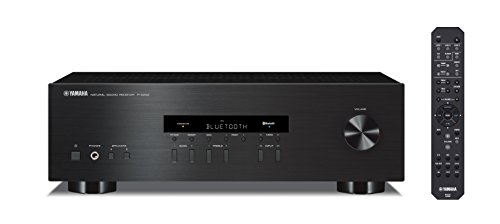


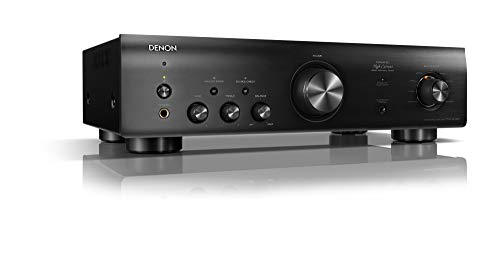
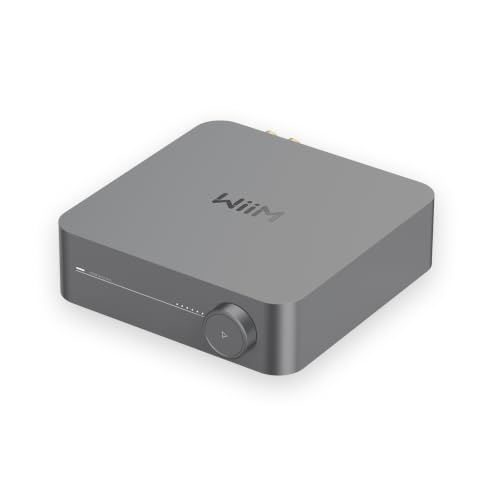

Amps 101: The Basics
An amplifier takes a weak audio signal and boosts it so speakers can play at real room volume. Without that boost, a phone or streamer can drive headphones but not much more. With four speakers, the amp needs enough channels to feed each speaker, or a design that safely shares power between them in a planned way.
Three words unlock most spec sheets. Watts describe power, ohms describe the load a speaker presents, and channels describe how many separate paths of power the amp provides. A four speaker setup usually uses a stereo amp driving two pairs, a four channel amp, or a receiver with zones. Each can work well. The right choice depends on whether all four speakers play the same music in one room, or two pairs play in two different spaces.
Volume is the last basic to grasp. Doubling power does not double loudness, it adds a modest step. That is why chasing huge watt numbers rarely helps a first buyer. Clean power, correct load matching, and sensible speaker placement will please your ears far more than a big number on a box.
Key Specs Explained in Plain English
Features That Matter for 4 Speakers
Four speakers ask more of an amp than two do, so channel layout and load stability come first. Decide whether you need independent volume for a second pair, because that calls for a zone control or a speaker selector. Look for continuous power ratings per channel, protection against overheating, and terminals that accept your wire without a fight. If one pair sits outdoors or in a kitchen, note that now, since placement affects wire length and power needs. A remote and clear front panel labels round out a friendly first amp.
Sound Quality and Tuning
Sound quality in plain terms means clean at your normal volume, not just loud at the maximum. An amp with a little reserve power keeps music relaxed when a film explodes or a chorus swells. Frequency response should be even, so no part of the music shouts over the rest. Bass and treble knobs help you adjust for a hard surfaced room or a soft furnished one. If our guide to the best amp for speakers is also on your reading list, use it to confirm general power advice before you narrow to four speaker models.
Connectivity (Bluetooth Version, Codecs, Wired)
Connections decide what you can plug in today and next year. Most homes need an input for a TV, one for a streamer or computer, and one spare. Bluetooth is a handy extra for phones, and a recent version keeps the link steady across a room. Codecs shape only that wireless sound, while wired sources bypass them entirely. Do not pay much for a long codec list if your main sources use cables. Count your devices, add one spare input for the future, and let that total guide your shortlist.
Placement and Room Size (for Speakers)
Where four speakers go changes the amp you need. Two pairs in one large room share the work and can play at lower individual volume, which is kind to a modest amp. Two pairs in separate rooms may need zone control so one room can stay quiet. Keep speakers away from corners unless you want extra bass, and aim the main pair at your usual seat. The amp itself needs air around its vents and a shelf that will not trap heat. Measure first, because returns for size mistakes waste your time and money.
Impedance deserves one more plain explanation, because it decides safety. Most home speakers are rated at 8 ohms or 6 ohms, and wiring pairs together can lower the total load. Our guide to the best amp for 4 ohm speakers shows what a lower load demands from an amp. When in doubt, choose an amp clearly rated for the load your wiring plan creates.
Rookie Mistakes to Avoid
Most first time regrets come from a short list of avoidable errors. Read these before you order, not after the boxes arrive.
- Judging by peak watts alone, which inflates a number you will never use and hides the honest continuous rating.
- Wiring two pairs in a way that drops the load below what the amp can handle, causing heat or shutdowns.
- Forgetting inputs, then finding the TV, streamer, and game console cannot all stay connected at once.
- Placing the amp in a closed cabinet with no air flow, so heat builds up during every long session.
- Spending most of the budget on the amp and too little on sensible speaker placement and basic wire.
Vehicle owners should also note that door speakers follow different rules. If your four speakers live in a car, our guide to the best 4 channel amp for door speakers covers that install, and our guide to the best amp for 4 6x9 speakers covers larger oval car speakers in detail.
Getting Started: Setup and First Use
Setup goes smoothly when you work in a calm order. Place the amp where air can move, connect the speakers with the power off, and keep left and right pairs matched so stereo music images correctly. Use the same wire length for each speaker in a pair where you can, and check that no stray wire strands touch the next terminal.
Once wired, start at low volume and play a familiar song. Check that each of the four speakers plays, that balance sounds even from your seat, and that no hum or buzz follows the music. Raise volume slowly and stop well before anything sounds harsh. Label the wire ends with tape while the layout is fresh in your mind. That small habit makes any future move or upgrade far less confusing.
Amps: Your Questions Answered
What features matter most in amps for 4 speakers?
Enough channels or a safe way to run two pairs, honest continuous power, and stability at your total speaker load matter most. Those three points decide whether the system plays cleanly all evening or shuts down on loud passages. A detail worth adding is the speaker selector. If you will often silence one pair, a built in selector with protection is kinder to the amp than unplugging wires, and it keeps your settings intact between sessions.
Wired or wireless: which sounds better?
Wired connections sound better for the main system and never drop out mid song. Speaker wire is required in any case, since passive speakers need power from the amp through a cable. Wireless is best treated as an input convenience for a phone, not as the backbone of the system. One practical tip is to keep a simple wired option ready for guests, such as a spare cable near the amp. It avoids pairing delays when someone else wants to play a song.
What IP rating do I need for outdoor use?
For indoor rooms you need no IP rating at all. If one pair of speakers sits on a covered porch, the speakers and any outdoor wiring need weather protection, while the amp itself should stay indoors or in a dry sheltered spot. Run wire through proper entries and keep connections off the ground. For a fully outdoor system, choose gear built and rated for that life from the start rather than asking a living room amp to survive weather it was never designed for.
Final Thoughts
Your first amp purchase comes down to three calm checks. Count your speakers and rooms so the channel plan fits, match continuous power and impedance so the amp runs safely, and leave enough inputs and air flow for daily life. A system chosen that way sounds good on day one and stays easy to live with.
Compare your finalists in the product table above against those checks, set up slowly, and enjoy what four well fed speakers can do. When you are ready to grow the system later, your best amp for 4 speakers choice will still have a clear place in it.


