
Best Amp for 8 Ohm Speakers: Everything to Know Before Your First Purchase for 2026
Disclosure: We may earn a commission when you buy through links on this page, at no extra cost to you. As an Amazon Associate I earn from qualifying purchases. Learn more

Shopping for the best amp for 8 ohm speakers for the first time? Learn the terms, compare options, and avoid rookie mistakes with this easy guide.
Buying your first amplifier feels confusing because the spec sheets assume you already speak the language. You do not need an engineering background to choose well. You only need to understand a handful of terms, match the amp to your speakers and room, and ignore the numbers that do not change what you hear.
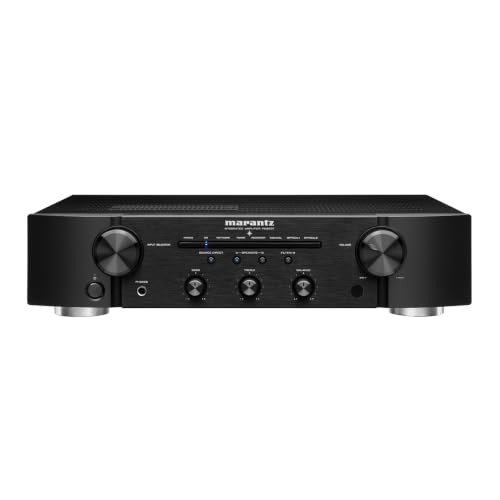
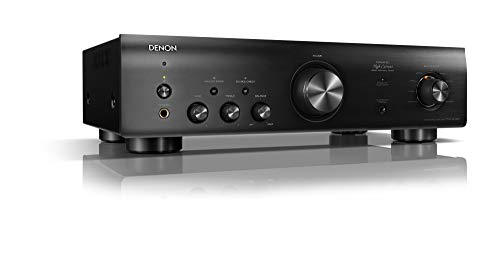
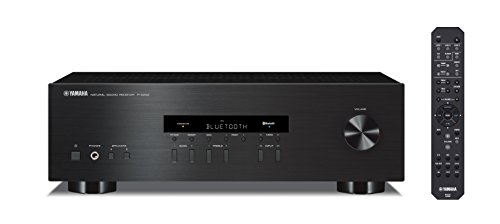
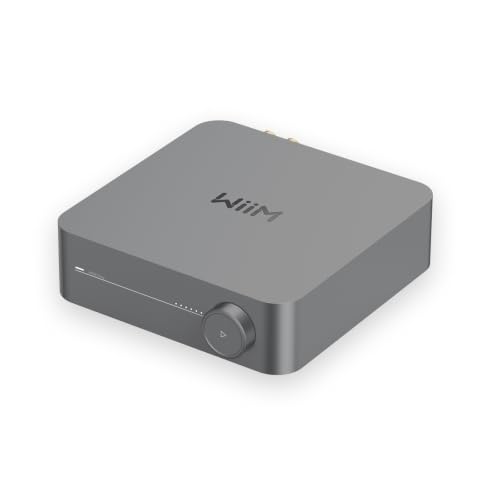
This guide walks you from the basics to a confident shortlist for the best amp for 8 ohm speakers in your home. Along the way you will learn what watts and ohms actually mean, which connections matter, and which mistakes cost first time buyers money. When you are ready to compare models side by side, start with the comparison table below and use the checklists here to read it.


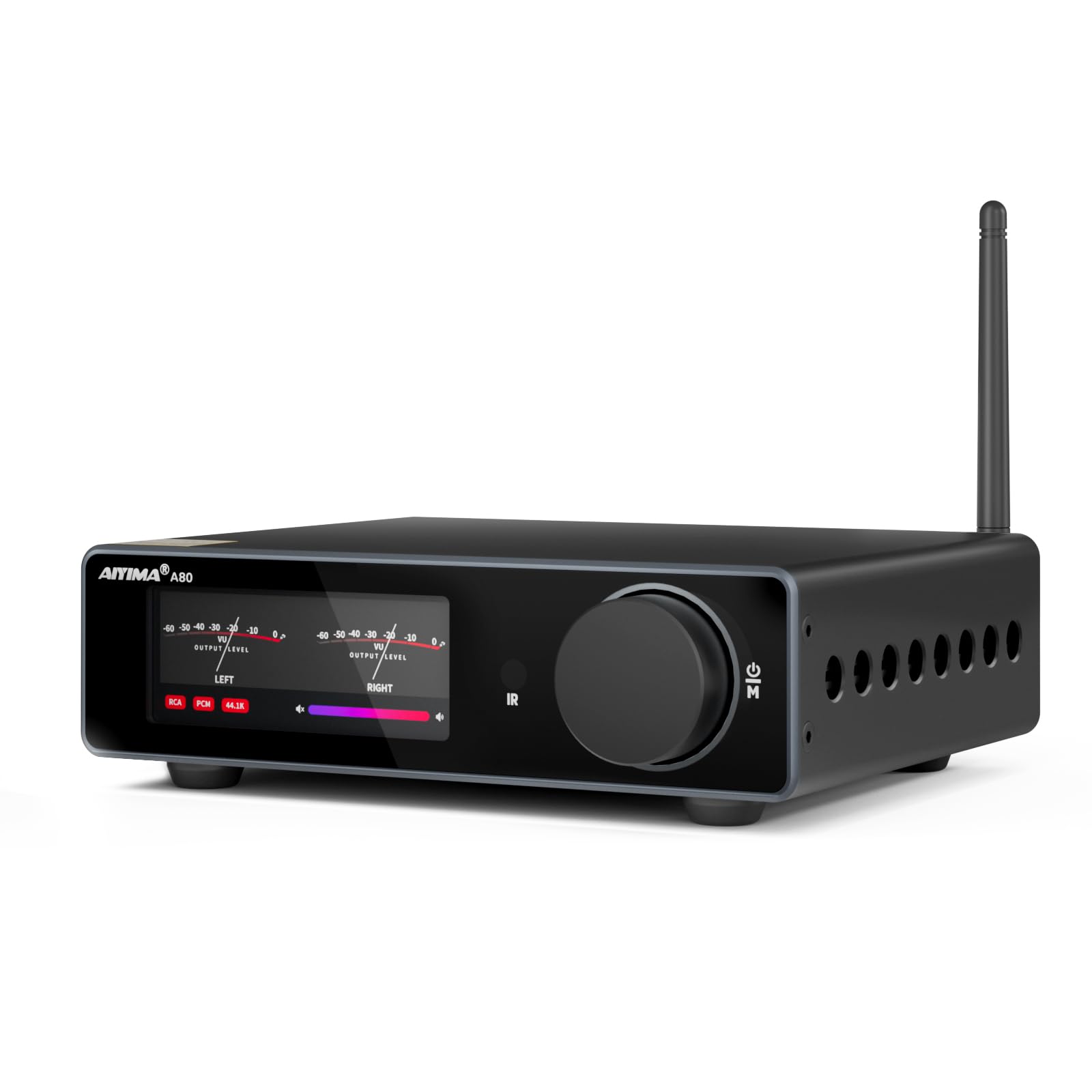


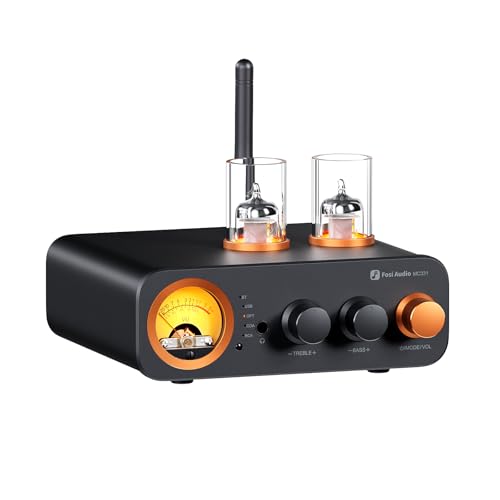
Amps 101: The Basics
An amplifier takes a small audio signal from a phone, streamer, turntable, or TV and makes it strong enough to move speaker drivers. Your speakers then turn that electrical energy into sound. Without an amp, passive speakers stay silent, because the signal from a phone or laptop is far too weak to drive them on its own.
Three terms explain most of what an amp does. Impedance, measured in ohms, describes how much electrical load a speaker presents. Your speakers are rated at 8 ohms, which is the most common and easiest load in home audio. Power, measured in watts, describes how much energy the amp can deliver. Sensitivity, measured in decibels, describes how loud a speaker plays with a given amount of power.
The good news is that 8 ohm speakers are forgiving partners. Nearly every home amp is designed around this load, so your real job is choosing sensible power, the right inputs, and controls you will actually use. If you want broader background before narrowing down, see our guide to the best amp for speakers for how amp classes and formats differ.
Key Specs Explained in Plain English
Features That Matter for 8 Ohm Speakers
Start with power output rated into 8 ohms, because that is the only watt figure that describes your setup honestly. For most rooms and typical listening, about 20 to 60 watts per channel is plenty, since doubling perceived loudness takes roughly ten times the power. Look for a rating given with low distortion, ideally below 0.1 percent, and check that the amp lists output at 8 ohms rather than only at 4 or 6 ohms. A stable 8 ohm rating also tells you the power supply is properly sized. If you are curious how load changes the math, our explainer on the best ohms for speakers walks through impedance in simple terms.
Sound Quality and Tuning
Sound quality in an amp mostly means clean, undistorted power and a tonal balance that suits your speakers. Frequency response tells you the range the amp passes evenly, and a rating like 20 Hz to 20 kHz within a decibel or so means it adds no color of its own. That neutrality is usually what you want, because your speakers should set the character of the sound. Tone controls for bass and treble are still useful, since small rooms and near wall placement can thicken the bass. A loudness or bass boost control helps at low volume, when human hearing naturally perceives less bass and treble.
Placement and Room Size for Speakers
Your room decides how much power you need more than your speakers do. A small bedroom or office setup listened to from about six feet away can sound full and satisfying with modest wattage. A large open plan living room, where you sit twelve feet or more from the speakers, asks for more power or more sensitive speakers to reach the same volume cleanly. Bookshelf speakers on stands or shelves also interact with nearby walls, and placement a foot or more from the wall usually tightens the bass. Think about where the amp itself will live too, because it needs a few inches of open air above it for cooling.
Connectivity: Bluetooth Version, Codecs, and Wired Inputs
List the sources you own today and the one you plan to add next, then match inputs to that list. Most buyers need at least one analog input, an optical input for a TV, and Bluetooth for casual phone streaming. Bluetooth 5.0 or newer gives more stable range, and codec support shapes quality: AAC suits Apple devices, aptX suits many Android phones, and LDAC offers the highest wireless quality when both devices support it. Multipoint pairing, which keeps two devices connected at once, is a convenience worth having if you switch between a laptop and a phone. Wired inputs still matter most, because they carry your best sources without compression or dropouts.
Size, Weight, and Living With the Amp
The outline term comfort translates simply for an amp: it should fit your shelf, stay cool, and be pleasant to use daily. Full width components suit a media console, while compact desktop amps save space on a desk or bookcase. Check the depth as well as the width, and leave room behind for cables to bend without strain. Weight often hints at power supply size, but modern efficient designs can be light and still sound excellent. A clear display, a volume knob with a good feel, and a remote you will not lose all matter more over five years than one extra input you never touch.
Choosing Amps for Your Situation
Best Amp for 8 Ohm Bookshelf Speakers
If your speakers are compact bookshelf models, the best amp for 8 ohm bookshelf speakers is usually a modest integrated amp rather than a powerhouse. Bookshelf speakers often have moderate sensitivity, so about 30 to 80 watts per channel gives comfortable headroom for music and TV in small to medium rooms. Prioritize a subwoofer output if you may add bass support later, since small speakers roll off the lowest notes. A high pass option or bass management is a bonus, not a requirement. On a tight desk, a compact amp keeps the setup tidy, and our guide to the best mini amp for speakers explains what small amps give up and what they keep.
One more situation deserves a note. If your speakers are 4 ohm models in a second room, the matching rules change, because lower impedance draws more current from the amp. Our guide to the best amp for 4 ohm speakers covers what to check before pairing those.
Rookie Mistakes to Avoid
- Chasing the biggest watt number. Peak or inflated ratings impress on paper, but honest continuous power into 8 ohms is what drives your speakers cleanly.
- Ignoring impedance stability. Your speakers are nominally 8 ohms, yet their impedance dips lower at some frequencies, so choose an amp rated comfortably for loads below 8 ohms.
- Buying inputs you do not need. Extra features raise the price, so pay for the connections your real sources use instead of a spec sheet trophy.
- Skipping the subwoofer output. Even if you start with two speakers, a sub out keeps your upgrade path open without replacing the amp.
- Blocking ventilation. Stacking gear directly on top of an amp traps heat, shortens its life, and can trigger thermal shutdown during loud passages.
Getting Started: Setup and First Use
Setup takes about fifteen minutes if you work in order. Place the amp with open air above it, connect speaker wire with the amp off, and match positive to positive on both channels so the speakers play in phase. Strip only about half an inch of insulation, twist the strands neatly, and confirm no stray strand touches the neighboring terminal.
Next, connect your quietest source first, such as a streamer or CD player, then the TV and Bluetooth. Start with volume low, play something familiar, and raise it slowly while listening for distortion or imbalance between channels. Pair Bluetooth only after wired sources work, so troubleshooting stays simple. Keep the firmware updated if your amp supports updates, since makers fix Bluetooth and HDMI quirks that way. Finally, note your favorite settings in your phone so a factory reset never costs you an evening.
Frequently Asked Questions
What features matter most in amps for 8 ohm speakers?
Honest power into 8 ohms, the inputs your sources need, and a subwoofer output matter most. Aim for about 20 to 60 watts per channel for typical rooms, distortion below 0.1 percent, and at least one optical input if a TV is involved. A remote and clear display help daily use more than exotic extras. Spend remaining budget on the speakers and placement, which shape sound far more than small amp differences.
Do I need a special codec for an amp for 8 ohm speakers?
No special codec is required, because codecs only affect Bluetooth streaming, not wired sound. Standard Bluetooth already sounds pleasant for casual listening. If you stream from an Android phone often, aptX support is a nice step up, and LDAC gives the best wireless quality when your phone supports it. Apple devices use AAC, so an amp that handles AAC well serves iPhone owners. For serious listening, a wired or WiFi source still beats every Bluetooth codec.
Wired or wireless: which sounds better with 8 ohm speakers?
Wired connections sound better because they carry the full signal without compression or dropouts. A simple optical or analog cable from your source removes pairing problems entirely and keeps volume control predictable. Wireless shines for convenience, background music, and quick phone streaming when friends visit. Many owners use both: wired for the TV and main music source, Bluetooth for podcasts and casual listening. Choose an amp that makes switching between them painless from the remote.
What IP rating do I need for outdoor use with 8 ohm speakers?
A standard home amp has no IP rating and belongs indoors, away from rain and humidity. If your 8 ohm speakers live on a covered patio, keep the amp inside and run speaker wire out, or choose gear designed for outdoor zones. For equipment that truly lives outside, look for weather resistant ratings such as IP65 or higher on the outdoor components themselves. Never place an indoor amp where sprinklers, pool splash, or condensation can reach the vents.
Wrapping Up
Keep three criteria in front of you: honest power rated into 8 ohms, the inputs your actual sources need, and enough ventilation and space where the amp will live. Match power to your room size rather than chasing the largest number, and leave yourself a subwoofer output for later. The product table above pulls current options together so you can apply these checks quickly. When you find the best amp for 8 ohm speakers for your room and budget, set it up carefully, start at low volume, and enjoy how much more your speakers had to give.


