
Best Amplifier for 4 Ohm Speakers of 2026: Complete Buying Guide
Disclosure: We may earn a commission when you buy through links on this page, at no extra cost to you. As an Amazon Associate I earn from qualifying purchases. Learn more

Choose the best amplifier for 4 ohm speakers with this guide to stable power, impedance ratings, current delivery, and safe speaker matching at home.
A 4 ohm speaker asks more of an amplifier than an 8 ohm model does. It draws more current at the same volume, and an amp that is not built for that load can sound strained, run hot, or shut down during loud passages.
Finding the best amplifier for 4 ohm speakers is mostly about honest ratings: real power into 4 ohms, a power supply with current to spare, and protection that stays out of the way during normal listening. This guide explains the tiers, the specs, and the setup habits that keep a low impedance system sounding relaxed, and the comparison table below lets you check the key ratings side by side.

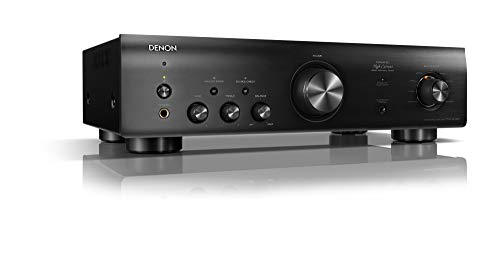
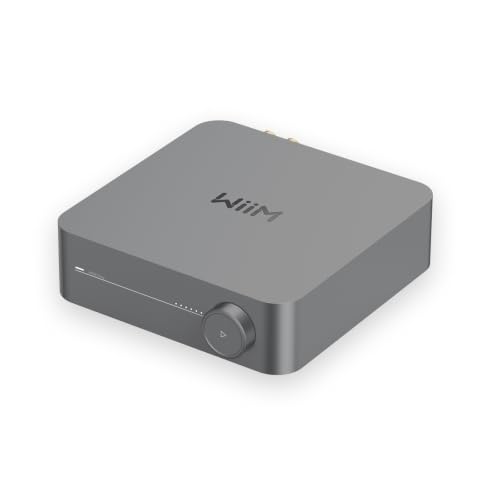
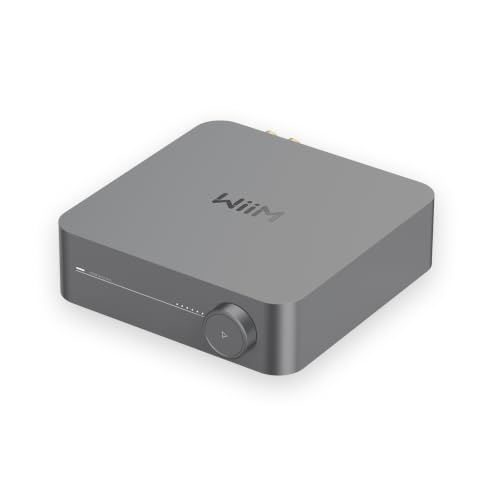
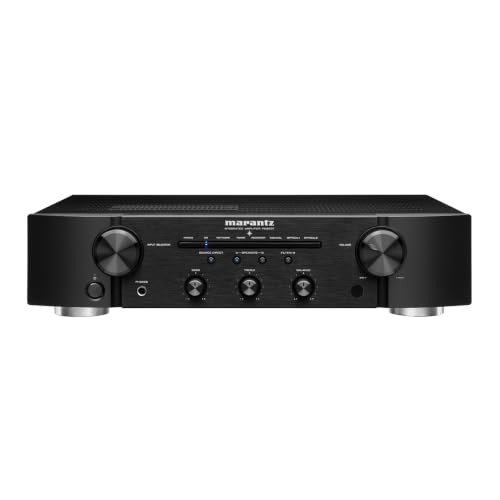

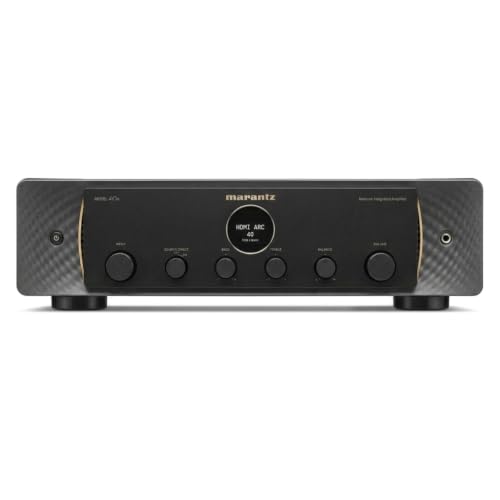

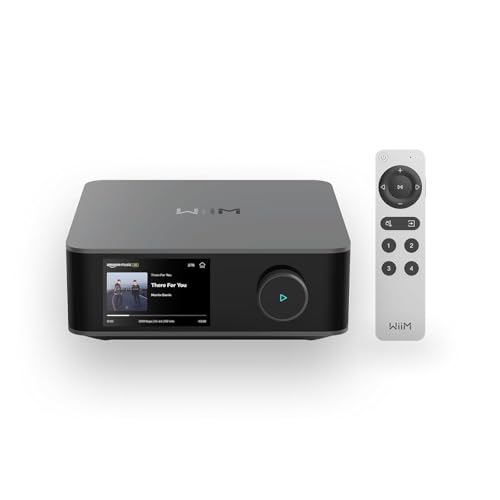
Price Tiers at a Glance
With 4 ohm speakers, extra money mostly buys current delivery and stability rather than features. Read the tiers below as a checklist for what each budget should include.
Entry Tier, Around $100 to $250
Entry tier integrated amps and compact stereo amps can drive one pair of 4 ohm speakers in a small room, provided the maker rates them for 4 ohm loads in writing. Expect modest power, basic inputs, and limited headroom, so very loud listening or bass heavy music may push them hard. Cooling space matters more here than in any other tier. For a bedroom or office system at moderate volume, this tier is a reasonable and honest starting point.
Mid Tier, Around $250 to $600
The mid tier is where 4 ohm systems start to sound effortless. Power supplies grow, ratings into 4 ohms are stated clearly, and many models add a proper remote, digital inputs, and a subwoofer output. Distortion at real listening levels drops, and bass control improves because the amp grips the woofer more firmly. If your speakers are your main system and you listen daily, this tier usually delivers the best value per dollar for low impedance loads.
Premium Tier, Around $600 to $1,500
Premium amps bring high current designs that hold their rated behavior into difficult loads, sometimes down to 2 ohms for short peaks. You also gain better build quality, quieter backgrounds, balanced inputs on some models, and preamp outputs for adding a separate power amp later. This tier suits large rooms, demanding speakers with impedance dips, and buyers who plan to keep one amp through several speaker changes.
How to Choose the Best Amplifier for 4 Ohm Speakers: Buying Guide
Features That Matter for 4 Ohm Speakers
The single most important check is a written 4 ohm rating. Speaker impedance is not flat: a speaker labeled 4 ohms may dip near 3 ohms at some bass frequencies, and the amp must stay stable there. Look for power stated into 4 ohms, not only into 8 ohms, and treat a near doubling of power from 8 to 4 ohms as a healthy sign of a strong power supply. Also check the minimum impedance the maker allows, and never wire two pairs of 4 ohm speakers to one amp unless it is explicitly rated for the combined 2 ohm load.
Current delivery matters as much as wattage. Two amps can both claim 50 watts yet behave very differently, because the one with the larger transformer and capacitor bank keeps voltage steady when bass notes demand sudden current. Weight hints at this, and so do dynamic headroom figures when makers publish them. For most 4 ohm bookshelf speakers of average sensitivity, about 40 to 80 solid watts per channel covers living room listening with headroom to spare.
Sound Quality and Tuning
A stable amp sounds calm. When an amplifier struggles with a low impedance load, the first symptoms are a hardening of treble, thin bass, and a sense that loud passages collapse toward the center. A well matched amp keeps frequency response flat, separates instruments during busy passages, and controls woofer movement so bass notes start and stop cleanly. Damping factor figures above about 100 into 8 ohms suggest that control, though your ears and the 4 ohm rating remain the better guides.
Tone controls and EQ deserve a light touch here. Correct placement first, then use small adjustments. If you find yourself adding large bass boosts, the real problem is usually too little amplifier headroom or speakers working against the room, and more boost only pushes the amp closer to clipping.
Isolation and Background Noise
Low impedance speakers draw more current, and a hard working amp can reveal grounding or interference problems that an easier load hides. Prefer models with a signal to noise ratio around 95 dB or better, keep RCA runs short and away from power cables, and use one wall outlet strip for the whole system to reduce ground loop hum. If you hear hum that changes when you touch the chassis, have an electrician check the outlet grounding rather than lifting safety grounds yourself.
Ecosystem and App Features
Streaming and app control are now common even on traditional stereo amps. A good companion app handles input switching, volume with fine steps, firmware updates, and saved EQ settings. Confirm the amp still works fully from its front panel and remote, because apps change over time. HDMI ARC remains the most useful living room extra, letting your TV remote run volume. Bluetooth with multipoint is convenient for casual listening from two phones, though wired inputs still give the most stable results for critical sessions.
Size, Heat, and Ventilation
Driving 4 ohm loads makes amplifiers work harder, and hard work becomes heat. Class AB models especially need open air above their vents, ideally four inches or more, and should never sit inside a closed cabinet without a fan. Class D designs run cooler and fit tight furniture better, which is one reason they have become popular for low impedance speakers. Check the rear panel spacing too, because sturdy binding posts that accept thick cable or banana plugs make secure, low resistance connections easier.
If you are deciding between a separate amp and an all in one unit, our guide to the best integrated amplifier for 4 ohm speakers explains the integrated route in depth. Buyers who need radio, surround processing, or video switching as well should compare with our guide to the best receiver for 4 ohm speakers before deciding which format fits the room.
Connectivity: Bluetooth, Codecs, and Wired Inputs
Connectivity should match your sources, not a feature checklist. Optical and coaxial inputs suit TVs and disc players, USB suits a computer, and analog RCA inputs suit turntables with a built in phono stage or an external one. Bluetooth 5.3 with AAC or aptX keeps phone listening clean, and latency is low enough for casual video. Wired connections remain the reference for stability, and they avoid the compression that even good codecs apply. Count your current sources, add one spare input, and buy to that number.
Durability and Protection Circuits
Good protection is invisible until it saves your speakers. Look for thermal protection, short circuit protection, and a soft start that avoids thumps at power on. IP ratings such as IP67 belong to portable speakers, not to home amplifiers, so durability here means metal casework, secure terminals, and vents that keep dust out of the power supply path. A clear warranty of two years or more signals maker confidence, and support that publishes full 4 ohm specifications is a good sign in itself.
Types of Amplifiers for 4 Ohm Speakers
Home and Bookshelf Models
Home and bookshelf integrated amps are the most common match for 4 ohm speakers. They combine preamp, power amp, and inputs in one box, sized for a shelf or media console. Choose one with a stated 4 ohm rating and enough ventilation room. They suit dedicated music systems and TV stereo setups in small to medium rooms.
Outdoor and Rugged Installations
Outdoor speakers are often 4 ohm designs, and they are usually driven by an indoor amp or a weather rated install amp in a protected location. Keep the amplifier itself sheltered, use outdoor rated cable, and allow extra headroom because open air listening swallows bass and invites higher volumes. A zone amp with a stable low impedance rating is the practical choice for patios and gardens.
Wired Models
Wired only models skip streaming hardware and spend the budget on the power supply and output stage instead. For a turntable, disc player, or TV based system, that trade is often the smartest one at a given price. You can always add a small streamer later through a spare input. Readers comparing formats can also browse our broader guide to the best amplifier for speakers for context on how these categories differ.
Compact and Gaming Friendly Models
Compact desktop amps suit 4 ohm nearfield speakers at a desk, including setups used for gaming and video. Their lower power is fine at arm length distances, and cool running class D designs fit under a monitor riser. Check for a headphone output with its own volume memory and a USB input for the computer. The same stability rules apply, so confirm the 4 ohm rating even on small units.
Setup and Care Tips
- Confirm the rating before connecting. Match the amp written minimum impedance to your speakers, and set any impedance selector switch exactly as the manual directs.
- Use adequate speaker cable. For runs over about 25 feet with 4 ohm speakers, thicker cable such as 14 gauge keeps resistance low and bass control intact.
- Ventilate generously. Heat rises from working output stages, so open shelf space above the amp protects it during long, loud sessions.
- Start volume low after any change. New wiring or a moved speaker can create a short, and a low first test protects both amp and speakers.
- Keep firmware updated. On streaming models, updates fix bugs and input switching faults that can look like hardware failures.
- Avoid max volume for long sessions. Sustained clipping overheats voice coils, so back off at the first hint of hardening in the sound.
Amplifiers for 4 Ohm Speakers: Your Questions Answered
What features matter most in amplifiers for 4 ohm speakers?
A written 4 ohm power rating, strong current delivery, and effective thermal protection matter most. Together they decide whether the amp stays composed during bass heavy passages or strains and shuts down. After those, look at input fit for your sources and a remote with fine volume steps. A subwoofer output and preamp outputs add upgrade room without forcing a replacement later.
How long does an amplifier last with 4 ohm speakers?
A well matched amplifier often lasts ten to fifteen years, because correct loading keeps heat and stress in the intended range. The mismatch cases are what shorten life: an amp run hot against a load it was never rated for ages its capacitors quickly. Ventilation, moderate volume habits, and dust free vents do more for lifespan than any other care step you can take.
What IP rating do I need for outdoor use?
Home amplifiers do not carry meaningful IP ratings, so keep the amp indoors or in a sheltered, ventilated enclosure and let the outdoor speakers carry the weather rating, ideally IP65 or higher. Use burial rated or outdoor rated cable for garden runs, seal connections against moisture, and add headroom because outdoor listening invites higher volumes. Bring portable gear inside during storms and freezing weather.
Can an amplifier rated for 8 ohms drive 4 ohm speakers?
Sometimes, but only if the maker also states a 4 ohm rating. Without it, the amplifier can overheat or enter protection mode at higher volume. Check the manual for the minimum impedance before connecting.
How many watts do 4 ohm speakers need?
Most home setups do well with 40 to 80 clean watts per channel. Speaker sensitivity and room size change the answer, so choose an amplifier that stays composed at your normal volume with headroom to spare.
Our Verdict
Check the written 4 ohm rating first, allow the amp air to breathe, and buy enough current that normal listening never approaches its limits. Compare your shortlist against the product table above, and the best amplifier for 4 ohm speakers for your system will be the one that stays cool, quiet, and composed at the volumes you actually use.


