
Best AMD Mining Motherboards: A First Time Buyer's Guide for 2026
Disclosure: We may earn a commission when you buy through links on this page, at no extra cost to you. As an Amazon Associate I earn from qualifying purchases. Learn more

Learn how to choose the best amd mining motherboards with plain English specs, PCIe lane checks, power and cooling guidance, and a simple setup checklist.
Buying your first mining board feels confusing because the spec sheets mix mining needs with gaming language that has little to do with running several graphics cards at once. This guide starts with the basics, explains each term in plain English, and shows you how to judge the best amd mining motherboards for a small, stable rig. You will learn what actually matters, what you can safely ignore, and which rookie errors waste the most money.
Work through the sections in order and use the comparison table below to check slot counts and prices as you go. By the end you will have a short checklist you can apply to any board you find.
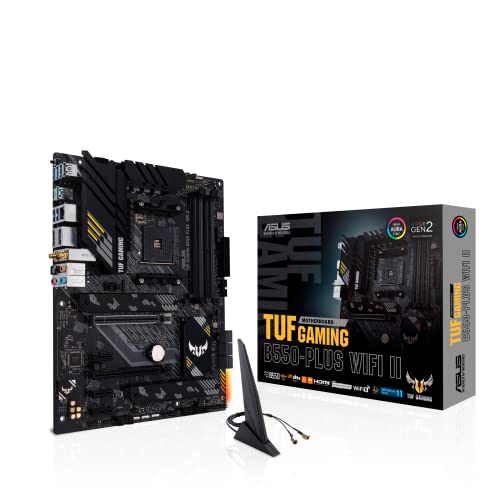


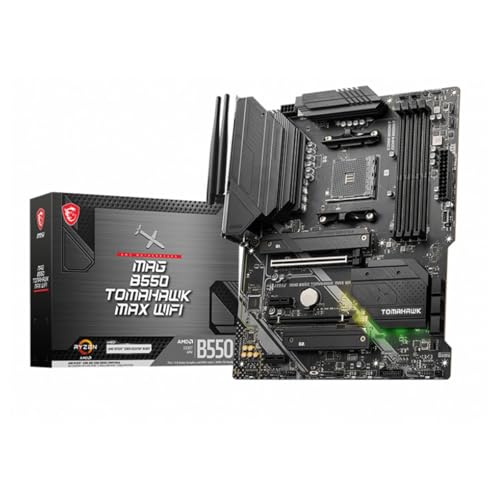


AMD Mining Motherboards 101: The Basics
A mining motherboard is the board that connects your processor, memory, storage, and graphics cards so they can work together around the clock. In a mining rig the graphics cards do the heavy lifting, while the board's job is to give each card a working slot, steady power, and a stable connection for hours at a time. That is why slot layout matters far more on the best amd mining motherboards than fancy audio or decorative lighting.
Most rigs use an open frame instead of a closed case, and cards often connect through riser cables that lift each card away from the board. A riser is a small adapter board with a cable, and it lets you space cards apart for airflow. Because of that setup, the number of PCIe slots and the spacing between them shape your whole build. A board with six or more slots suits a midsize rig, while a board with fewer slots suits a compact starter rig.
The processor on an AMD mining board can be modest, since mining loads the graphics cards rather than the CPU. Your money works harder when it goes toward slots, power delivery, and cooling instead of a fast processor you will never push. Keep that priority in mind through every section that follows.
Key Specs Explained in Plain English
CPU and GPU Pairing
Pairing simply means matching parts so one does not hold the other back. For mining, choose a low cost AMD processor that fits the socket and leaves your budget for graphics cards, because card count and card cooling drive results. A basic four core chip is plenty for a typical rig. Spending more on the processor adds cost and heat without adding mining output, so treat the CPU as a supporting part and check only that the board BIOS supports it out of the box.
Warranty, Support, and Build Quality
A rig runs day and night, so build quality shows up as thick board layers, solid slot reinforcement, and capacitors rated for long service. Look for a warranty of at least two years and a brand support page with current BIOS files and a clear manual you can download before buying. Good support matters when a board refuses to detect a fifth or sixth card, because the fix is often a BIOS setting that the manual explains. Keep your receipt and serial number photos in one folder from day one.
RAM and Storage (DDR5, NVMe SSD)
Mining needs very little memory, and most rigs run well on a single stick of 8 GB or 16 GB. Spending on 32 GB adds nothing for mining itself, though it helps if the machine also serves as a gaming PC with 1440p or 4K play on the side. For storage, a small NVMe SSD of about 500 GB is fast, cool, and plenty for the operating system and mining software. Boards for older AMD sockets may use DDR4 instead of DDR5, and either is fine here because memory speed barely affects mining.
Cooling and Thermals
Heat is the main enemy of a mining rig, and most of it comes from the graphics cards rather than the board. Space cards apart on the frame, aim fans across the cards, and keep the room ventilated so hot air leaves instead of circling back. Air cooling with strong case or frame fans is simpler and cheaper than an AIO cooler, which mainly serves the processor in a gaming build. Watch card temperatures in your mining software and treat sustained readings near the maker limit as a signal to improve airflow or lower power targets.
Power Supply Quality
Your power supply feeds every card at once, so quality and headroom matter more than peak wattage claims. Add up the power draw of all cards and the system, then choose a unit rated well above that total so it runs in its calm, efficient range. An 80 Plus Gold unit is a sensible floor for a rig that runs all day, since wasted energy becomes heat and higher bills. Safety comes first here: never overload a circuit, keep cables fully seated, and use only the cables that came with the unit. Give the rig a ventilated spot away from clutter, and shut it down at once if you smell burning or see discolored connectors.
Rookie Mistakes to Avoid
- Counting slots without checking lanes. A board may show many slots, yet some share bandwidth or switch off when others are used, so read the manual slot chart before you buy.
- Skipping the risers. Cheap, damaged risers cause endless crashes that look like card faults, so buy spares and swap a suspect riser first when one card drops out.
- Undersizing the power supply. Running a unit at its limit causes shutdowns and shortens its life, so leave clear headroom above your total draw.
- Ignoring heat in a closed room. A rig is a space heater, and a sealed room will cook your cards, so plan ventilation before you plan card count.
- Chasing gaming features. Premium audio, heavy heatsink styling, and lighting add cost that mining never rewards, so compare boards built for general AMD builds, such as those in our guide to the best amd motherboards, only when their slot layout truly fits a rig.
Getting Started: Setup and First Use
Once you have chosen among the best amd mining motherboards, start with one card only, install the operating system and drivers, and confirm the rig runs stably for a few hours before adding cards one at a time. This slow approach makes faults easy to trace, because a new problem almost always follows the last part you added. Set the BIOS to start automatically after power loss, enable the settings the manual lists for multi card use, and write down every change you make.
Once all cards are detected, set modest power limits and fan curves, then let the rig run a full day while you check temperatures and stability. Clean dust filters and fans every three months, since dust blankets cards and raises temperatures slowly. Update GPU drivers and BIOS carefully, one change at a time, and only when a fix or a new card requires it, because a needless BIOS update that fails can leave a board unusable.
Think about where the rig lives as well. A spare room or garage corner with steady airflow beats a bedroom, since fans and heat make poor sleeping companions. If you prefer a compact standard build instead, our guide to the best amd itx motherboards covers small boards for tight cases, and the boards in our guide to the best white amd motherboards suit themed gaming builds rather than open frames.
FAQs
Air or liquid cooling: which is better for a mining rig?
Air cooling is better for almost every mining rig. Frame fans moving room air across spaced cards remove the heat that matters, while liquid cooling targets the processor, which barely works during mining. Liquid parts also add pumps and fittings that can leak near live hardware. Spend the difference on better fans, spare risers, and a room fan or vent that moves hot air out of the space.
Is it cheaper to build or buy a prebuilt PC for mining?
Building is usually cheaper for mining because you pay only for slots, cards, and power, not for a case, lighting, or a fast processor. A prebuilt gaming desktop can mine, yet its closed case traps heat and its board often holds only one or two cards. If you want one machine for both gaming and light mining, a prebuilt may still suit you, but a purpose built rig gives more card room per dollar.
How many graphics cards can an AMD board run?
It depends on the slot count and how the board shares lanes. Most ATX AM4 and AM5 boards offer one or two full-length slots plus several small x1 slots, so a common rig runs four to six cards using risers. Check the manual slot chart and the BIOS options for multi card use before you buy.
Does the CPU matter for a mining rig?
Only a little. A basic Ryzen chip with integrated graphics or a low cost model is enough because the cards do the work. Choose a processor the board supports out of the box and spend the savings on power supply quality and cooling.
Why does a card drop out of the rig?
The usual causes are a faulty riser, a loose power plug, heat or a BIOS setting that limits lane use. Swap the riser first, reseat the connectors, then check temperatures and the slot settings in the BIOS.
Our Verdict
Judge every candidate by slot count and layout first, power delivery and build quality second, and support and warranty third, and ignore gaming extras that mining never uses. First time buyers should start with a modest card count, a quality power supply with real headroom, and strong room ventilation, then grow only after a stable week of running. Compare the boards in the product table above against that short list, and the best amd mining motherboards for your budget will stand out quickly. For broader background on socket choices, see our guide to the best motherboards for amd processors and our guide to the best amd ryzen motherboards before you order.


