
The Best Audiophile Speakers for PC: A Buying Guide for 2026
Disclosure: We may earn a commission when you buy through links on this page, at no extra cost to you. As an Amazon Associate I earn from qualifying purchases. Learn more

Compare the best audiophile speakers for pc with this buying guide on drivers, frequency response, placement, connections and price tiers for your desk.
Your computer probably holds your best music library, your streaming apps, and your video calls, yet the built in speakers in most monitors and laptops sound thin and flat. Good desktop speakers change that completely, adding real bass, clear voices, and a sense of space you can hear from your chair.
This guide explains how to choose the best audiophile speakers for pc use without wasting money on features a desk setup does not need. You will learn what driver size, frequency response, inputs, and placement actually do, and the comparison table below pulls the key options together in one place.


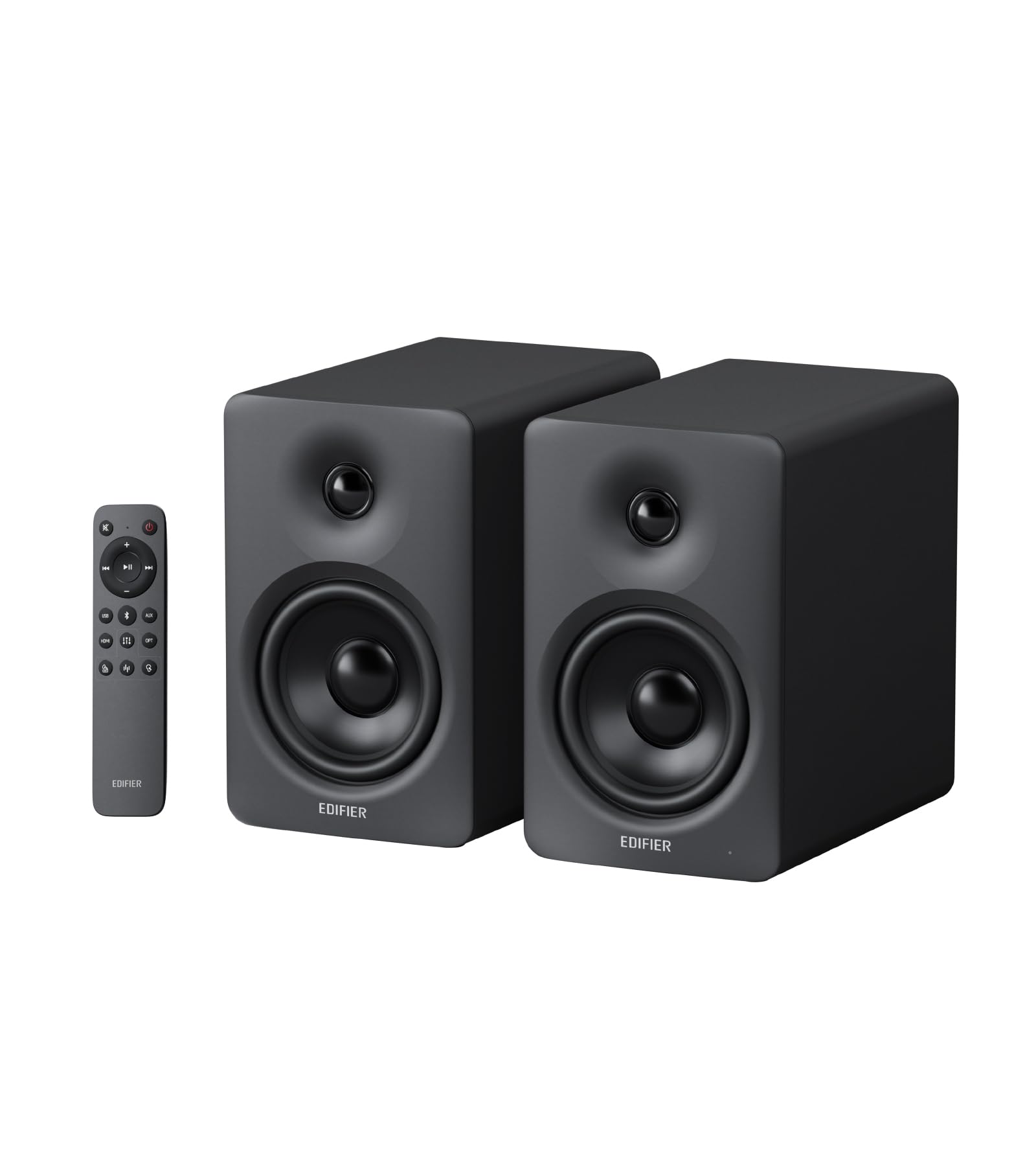
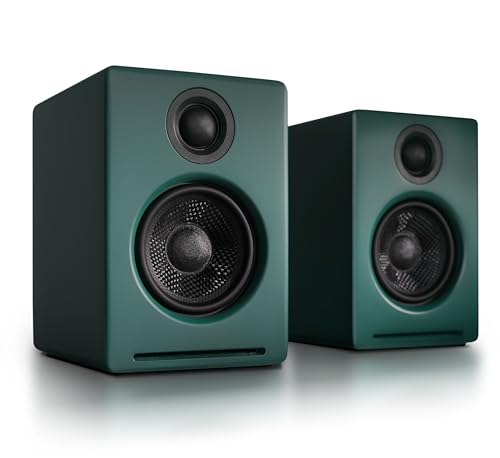
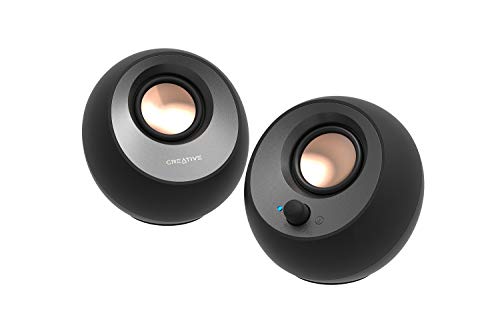
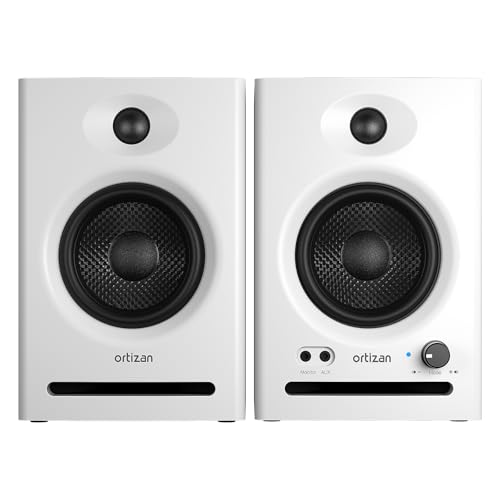

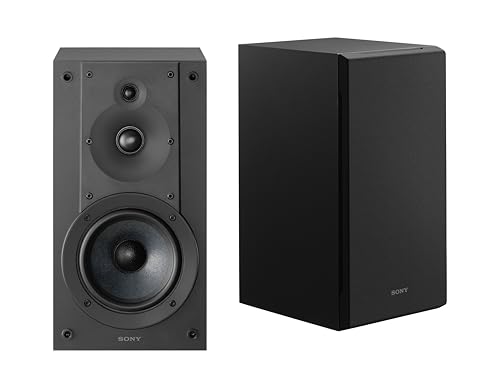
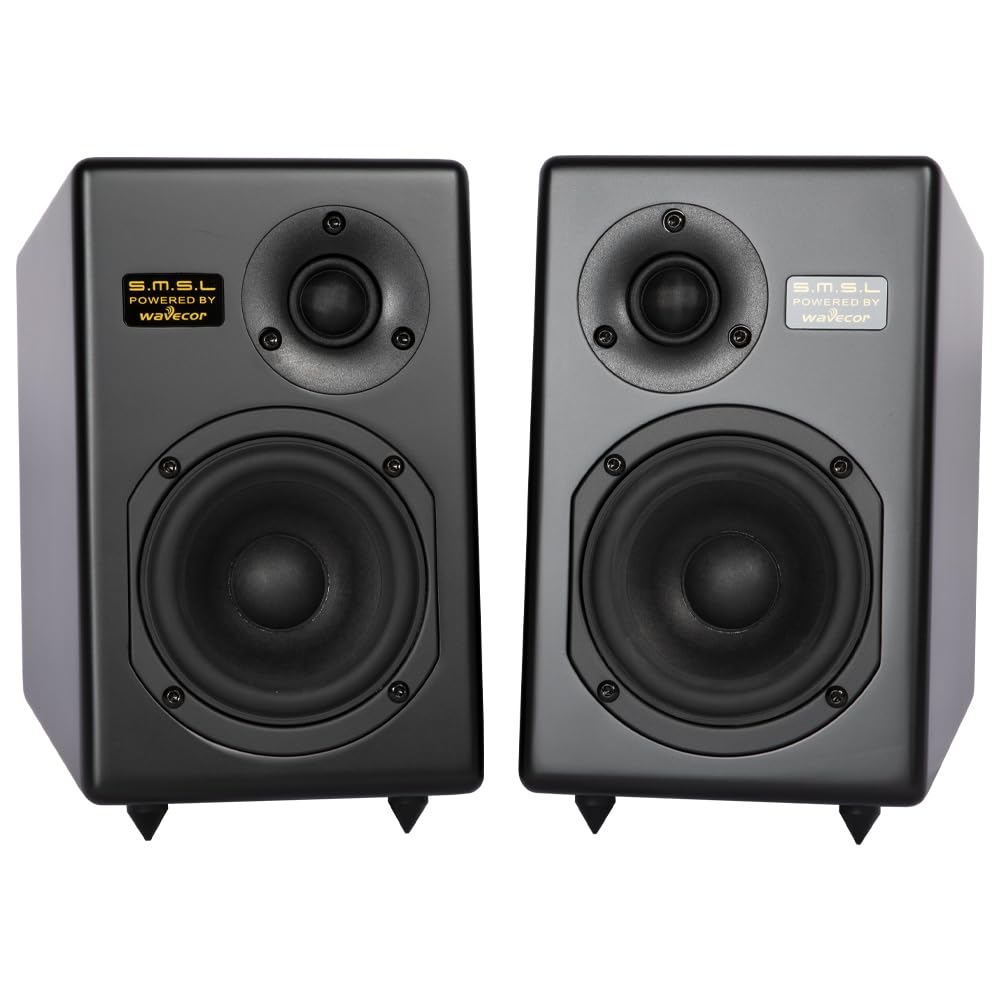
Price Tiers at a Glance
Instead of chasing a single model, think in tiers. Each tier below describes what your money generally buys, what it leaves out, and who should stop there. Match the tier to your room, your source files, and how closely you actually listen.
Best Overall Profile
The balanced tier, usually around $250 to $600 for a pair, suits most desks. Expect two way designs with a woofer of about 4 to 5 inches, a separate tweeter, clean power in the 30 to 80 watt range per pair, and both analog and digital inputs. This tier gives you honest midrange, controlled bass that stops before it booms, and enough detail for lossless files. It is the sweet spot if you listen for hours each day and want sound that stays accurate rather than flashy.
Best Value Profile
Value pairs, often around $100 to $250, cut the extras rather than the basics. You usually give up digital inputs, remote controls, and app based EQ, but a well tuned 3 to 4 inch woofer can still sound clear and lively at desk distance. Look for a front volume knob, a headphone jack, and a cabinet that feels solid when you knock on it. This tier works well for students, spare rooms, and anyone upgrading from monitor speakers for the first time.
Best Premium Profile
Premium pairs, often about $600 to $1,500, buy you refinement rather than volume. Cabinets get heavier and quieter, amplifiers stay clean at higher output, and inputs expand to include balanced connections and high quality digital conversion. Bass reaches lower without a separate subwoofer, and stereo imaging becomes precise enough that you can place voices and instruments in space. Choose this tier if your desk is your main listening room and your music library deserves the extra resolution.
How to Choose the Best Audiophile Speakers for PC
Features That Matter for PC
A desk is a near field listening spot, usually 2 to 4 feet from the speakers, and that changes what matters. Wide dispersion and smooth response at low volume matter more than raw power. Prioritize a USB or optical input so the speaker uses its own digital conversion instead of a noisy computer headphone jack. A front volume control, a subwoofer output for later, and shielded cabinets that sit happily beside a monitor round out the short list.
Sound Quality and Tuning
Frequency response tells you the range a speaker covers, and a figure like 55 Hz to 20 kHz suggests honest bass for a small cabinet without promising subwoofer depth. Treat the number as a rough guide, since cabinets that claim very low bass from tiny drivers usually boost and distort. A neutral tuning suits PC use best because you sit close and hear every peak. Slight warmth in the lower midrange flatters voices, while a sharp treble lift quickly becomes tiring during long sessions.
Placement and Room Size (for Speakers)
Placement does more for sound than any cable upgrade. Put the tweeters near ear height, angle each speaker slightly toward your chair, and keep the pair and your head forming a rough triangle. A few inches of space behind the cabinet lets rear ports breathe, while foam pads under the base stop desk vibrations from coloring the bass. In a small room, a compact pair placed well will beat a large pair crammed into corners every time.
If your desk sits in a larger shared space and you also want a broader view of the category, see our guide to the best audiophile speakers for room based setups beyond the desktop.
Ecosystem and App Features
Some powered speakers offer an app with EQ presets, firmware updates, and input switching, while others rely on simple rear panel tone knobs. Both approaches work. App EQ helps when your desk sits against a wall and bass builds up, because you can trim the low end in seconds. Check that the app supports your phone system and that the speaker still works fully without it. Firmware updates occasionally fix Bluetooth bugs, so a maker that publishes updates is a quiet plus.
Types of Audiophile Speakers
Gaming Models
Gaming focused desktop speakers add low latency wired modes, RGB lighting, and sometimes a dedicated mode that lifts footsteps and dialogue. The sound hardware often matches music models at the same price, so you pay partly for looks. If your desk doubles as a gaming station, read our guide to the best pc speakers for gaming and weigh latency and connectivity alongside pure sound quality.
Wireless and Bluetooth Models
Bluetooth models free your desk from one cable and let a phone or tablet play music while the computer sleeps. Bluetooth 5.3 connections are stable at desk range, and multipoint pairing lets two devices stay connected. The trade off is compression and a small delay, which matters for video and games. For relaxed listening from a phone, wireless is convenient. For your best files, a wired digital input still wins.
Wired Models
Wired models remain the purist choice for a fixed desk. A USB connection carries a clean digital signal, an optical cable avoids ground loop hum, and plain analog RCA or 3.5 mm leads work with almost anything. There is no battery to age, no pairing dance, and no latency. If pure fidelity at your chair is the goal, start wired and add wireless only if you truly miss it. For a broader look at fidelity first options, see our guide to the best sounding pc speakers.
Tips to Get the Most From Your Audiophile Speaker
- Set speaker level first, computer level second. Keep your computer volume around 75 to 90 percent and control listening level on the speaker, which keeps the digital signal strong and the noise floor low.
- Use the best input you own. Try USB or optical before analog, play a familiar track on each, and keep the one that sounds cleaner at low volume.
- Decouple the cabinets. Foam pads or small stands under each speaker stop the desk acting like a sounding board and tighten the bass noticeably.
- Keep firmware updated. Check the maker site or app every few months, since updates can fix pairing faults and improve EQ behavior.
- Dust the drivers gently. A soft dry brush keeps dust off cones and tweeters, and never press on a tweeter dome to clean it.
- Avoid max volume for long sessions. Sustained full power strains small amplifiers and your hearing alike, so back off when voices start to shout.
FAQs
What features matter most in audiophile speakers for pc?
Near field tuning, a clean digital input, and honest midrange matter most. Because you sit close, low amplifier hiss and smooth response at modest volume beat headline wattage. Add a subwoofer output for future flexibility and front controls you can reach without standing. Cabinet size should fit your desk with space behind for ports, since placement shapes the sound you actually hear every day.
Wired or wireless: which sounds better?
Wired sounds better in almost every direct comparison. A USB or optical link delivers the full signal with no compression and no delay, while Bluetooth codecs shrink the data to fit a radio link. Modern codecs sound pleasant for casual listening, and many listeners enjoy them daily. Still, if you own lossless files and listen closely, keep a wired path available and use wireless for convenience listening.
Do I need a special Bluetooth codec?
No special codec is required for wired listening, since USB and optical carry the full digital signal. Codecs only enter the picture with Bluetooth, where AAC suits Apple devices and aptX or LDAC can carry more data from many Android phones and computers. The difference is real but modest at desk distance. Choose speakers with a good wired input first, then treat codec support as a bonus.
Wrapping Up
Start with placement, honest midrange, and a clean digital input, and the rest falls into place. Match the price tier to how closely you listen, keep the cabinets at ear height, and let the product table above guide your final shortlist. Chosen well, the best audiophile speakers for pc use will make your desk the best sounding seat you own. If budget leads the decision, our guide to the best affordable pc speakers shows where the smart savings are.


