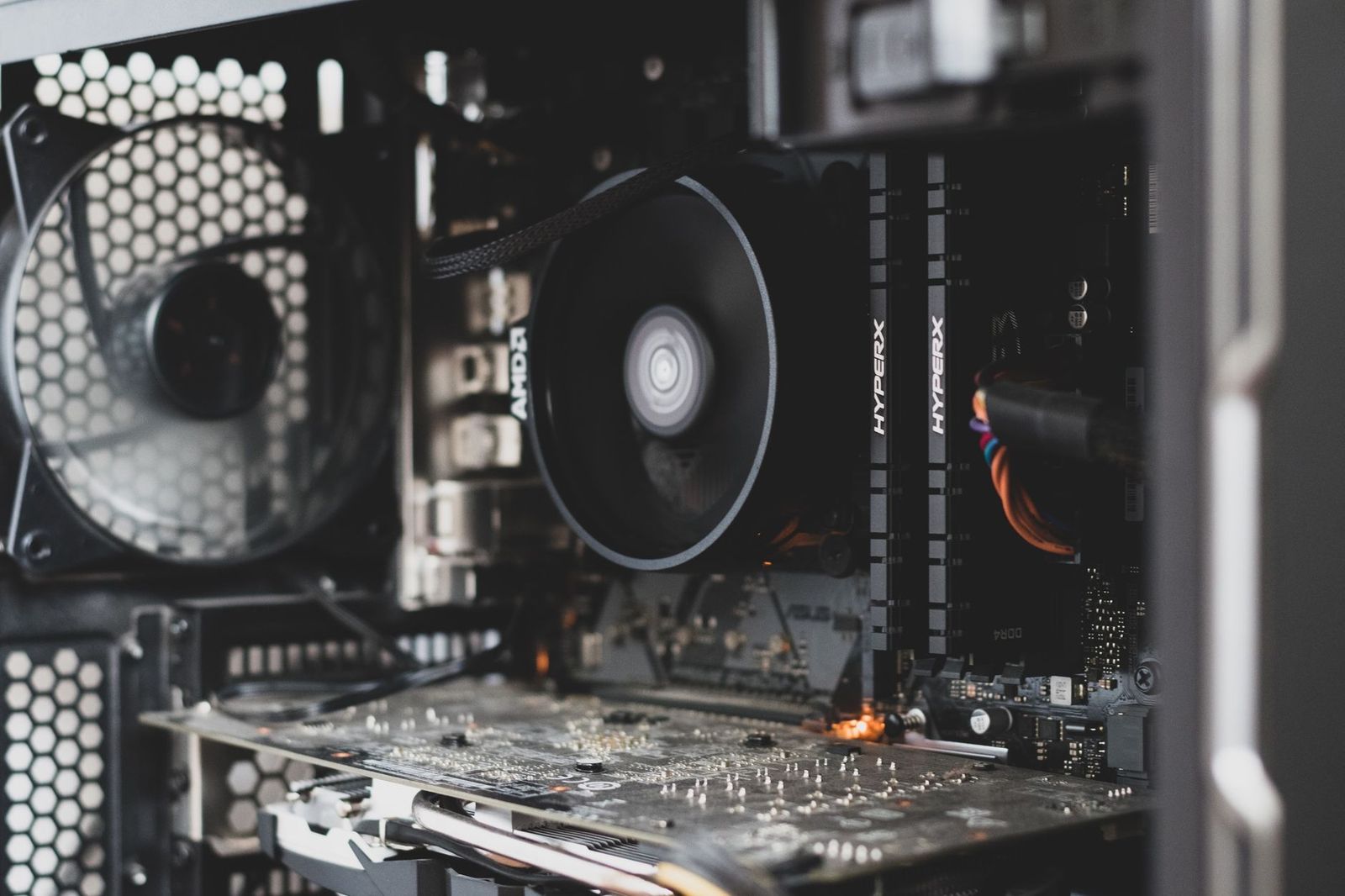
Best AMD Ryzen Motherboards: Every Type Explained Side by Side for 2026
Disclosure: We may earn a commission when you buy through links on this page, at no extra cost to you. As an Amazon Associate I earn from qualifying purchases. Learn more

Compare the best amd ryzen motherboards by build type, ideal user and price range to pick the right board style.
Motherboard listings look alike at first glance, yet the right choice depends entirely on the kind of PC you plan to build or buy. A board that shines in a large tower can be wasted in a compact system, and a simple board can hold back a powerful processor. This guide compares the best amd ryzen motherboards by build type so the differences are easy to see.
Instead of chasing the longest feature list, you will learn which board style fits high end gaming, a ready made desktop, or a fully custom build. The comparison table below collects current options in one view. Keep your processor, case size, and upgrade plans in mind as you read, because those three facts narrow the field faster than any marketing claim.


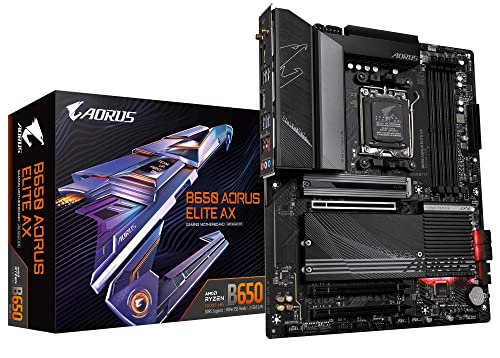


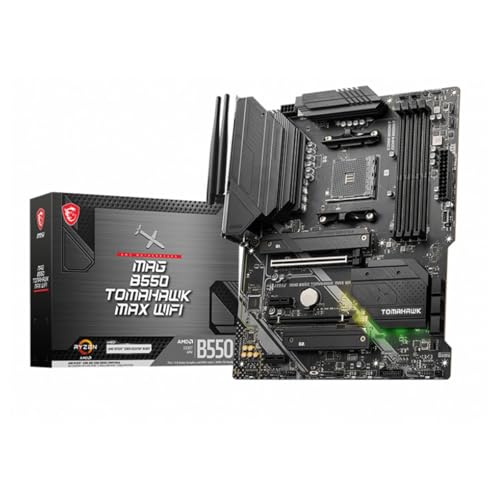

Types of AMD Ryzen Motherboards Compared
Every Ryzen motherboard shares the same job. It connects the CPU, memory, storage, and graphics card, delivers power to each part, and provides the ports you use daily. Types differ in size, power delivery strength, number of expansion slots, and how much control you get over settings and upgrades.
Price rises with stronger power stages, more fast storage slots, better networking, and extra features for tuning. Paying more only helps if your processor, graphics card, and case can actually use those extras. The three build contexts below show where the money helps and where it does not.
High End 4K Builds
Boards for high end 4K builds serve powerful processors paired with strong graphics cards that push demanding games and creative work. These boards use robust power delivery to keep a top tier CPU stable under long loads. They also offer multiple NVMe SSD slots, fast USB ports, and strong networking for large files and online play.
The trade off is cost and size. Most need a mid tower or larger case, and many features go unused if you install a modest graphics card. Choose this type if you already plan a high end GPU, want room for several fast drives, and expect to keep the system for years with upgrades. If your monitor is 1080p and your GPU is modest, this tier is more board than you need.
Prebuilt Gaming Desktops
Boards inside prebuilt gaming desktops are chosen by the system maker to balance cost, stability, and ease of assembly. You do not select the exact board, but you should check what it allows later. Look for spare memory slots, an open NVMe SSD slot, and standard power connectors so upgrades stay simple.
The strength of this route is convenience. The system arrives assembled and checked as a whole, with one warranty contact. The weakness is variation. Some makers use standard boards that upgrade easily, while others use custom shapes or limited BIOS options that restrict future CPUs and memory. Ask for the board chipset and slot layout before you buy, not after.
Custom Built PCs
Boards for custom built PCs give you full control. You match the chipset to your CPU, pick the size that fits your case, and choose exactly how many storage, memory, and expansion options you want. This route suits builders who enjoy selecting each part and want a clear upgrade path.
The cost is responsibility. You must confirm compatibility, install parts carefully, and handle returns part by part if something fails. The reward is value and flexibility. A well chosen midrange board in a custom build often delivers the same daily performance as a far pricier board, because you spend only on features you will actually connect and use.
High End 4K Builds vs Prebuilt Gaming Desktops: Which Should You Choose?
Compare these two routes on control first. A high end custom build lets you choose the board, cooling, and power supply as a matched set. A prebuilt shifts those decisions to the maker, which saves time but limits your say over board quality and layout.
Compare them on upgrades next. Custom builds with standard boards accept new drives, memory, and often newer processors with a BIOS update. Prebuilts vary widely, so a low starting price can become poor value if the board blocks the upgrade you planned for next year.
Finally, compare support and price. A prebuilt gives you one support contact and a system level warranty, which many buyers value. A custom build can cost less for the same performance if you shop carefully, but your time is part of the price. Choose the prebuilt for convenience, and choose the custom high end route for control and longevity.
How to Choose the Right AMD Ryzen Motherboard
Warranty, Support, and Build Quality
Good build quality shows in sturdy slots, clean soldering, and heatsinks that sit firmly over the power stages. These details matter because a motherboard is the hardest part to replace. Swapping it means rebuilding almost the entire PC, so reliability here saves more time than any small speed gain elsewhere.
Most boards carry a warranty of about one to three years depending on region and seller, so confirm the terms before you buy. Also check how easy BIOS updates and driver downloads are on the maker support page. Clear manuals, labeled board markings, and thoughtful cable routing space all signal a board designed to be lived with, not just sold.
CPU and GPU Pairing
Pair the board to the processor first and the graphics card second. A high core count CPU needs strong power delivery, especially under long rendering or gaming sessions. A modest office CPU does not, so you can save money and still get a stable system. The board should support your exact CPU model, sometimes after a BIOS update, so verify the support list.
For graphics, the board mainly needs a full length slot and enough case clearance for your card. Your GPU choice should follow your monitor. Modest cards suit 1080p, stronger cards suit 1440p, and only the most powerful cards justify the cost of smooth 4K play. If you are planning a Ryzen 7 system, see our guide to the best motherboards for amd ryzen 7 for pairing notes by that tier.
Upgradability and Standard Parts
Upgradability is where standard parts pay off. Four memory slots let you start with two sticks and add more later. Spare NVMe and SATA ports let you add storage without replacing drives. A standard board size and standard power connectors mean a future case or power supply swap stays straightforward.
Be cautious with proprietary parts in some large brand desktops. Custom board shapes, unusual power connectors, and locked settings can block normal upgrades. If you are comparing older platforms, our guide to the best amd motherboards for ryzen 5000 explains what to check. For a wider shortlist, see our guide to the best amd motherboards and compare slot counts side by side.
Noise Levels
The motherboard influences noise more than many buyers expect. Fan headers and fan control settings decide how smoothly case and CPU fans respond to heat. Good control lets fans spin slowly during light work and rise gradually under load, instead of surging up and down with every small temperature change.
Coil whine, a faint high pitched sound under load, can come from power components on the board or graphics card. You cannot fully predict it, but quality power stages and a well matched power supply reduce the risk. Place the PC on or under a desk thoughtfully, use an AIO cooler or a quiet air cooler as suits your build, and set gentle fan curves in the BIOS during your first setup session.
How to Make Your AMD Ryzen Motherboard Last Longer
Dust is the main enemy of a long lived board. Clean dust filters and fans every three months, or more often in homes with pets, and keep the case off carpet where airflow is poor. Heat trapped by dust forces fans to work harder and ages components faster than normal use does.
Update GPU drivers and BIOS carefully, and only from the official support page for your exact board model. Read the update notes first, do not interrupt power during a BIOS update, and change one thing at a time. Monitor temperatures with free tools during your first weeks so you spot a loose cooler or a blocked fan before it becomes damage.
AMD Ryzen Motherboards: Your Questions Answered
Which chipset suits which Ryzen chip?
Match the socket first: AM4 boards (B450, B550, X570) take Ryzen 3000 and 5000 chips with DDR4, while AM5 boards (A620, B650, B850, X870) take Ryzen 7000, 8000G and 9000 chips with DDR5. Within a socket, B-series chipsets suit most builders and X-series chipsets add extra lanes and ports.
How much RAM do I need for gaming?
Most gaming PCs should use 16GB of DDR5 as a minimum, with 32GB as the comfortable choice for new builds. Two matched sticks enable dual channel operation and better performance than a single stick. If lists of the best reviewed amd ryzen motherboards leave you unsure, prioritize capacity and a board with four slots over decorative extras you will never adjust.
Can I upgrade to a newer Ryzen chip later?
Often yes within the same socket, but check the maker CPU support list and the BIOS version required. AM5 is the newer platform with the longest runway, while AM4 has reached the end of its upgrade path with Ryzen 5000.
Air or liquid cooling: which is better?
Air cooling is better for most builders because it is simple, reliable, and quiet at a lower cost. Liquid cooling suits compact cases with limited height or top tier CPUs in sustained heavy work, and it can look cleaner in windowed cases. Either way, confirm the cooler mounts for your socket and that your board headers can control its fans or pump as the manual directs.
Is it cheaper to build or buy a prebuilt PC?
Building is usually cheaper for the same parts when you shop carefully and reuse a case, storage, or monitor. Buying a prebuilt can be better value during parts shortages or sales, and it includes assembly and system support. Compare full totals, including the operating system and warranty. If you are weighing flagship CPUs, our guide to the best motherboards for ryzen 9 shows the board strength that tier demands.
Wrapping Up
Start every decision with socket and chipset compatibility, then judge power delivery, slots, and ports against your real parts list. That order prevents the most expensive mistakes. Size the board to your case, keep standard parts where you can, and leave one or two upgrade paths open for storage and memory.
Use the product table above to compare your shortlist, and revisit our guide to the best motherboard for ryzen if you want a single board focus. With those checks done, the best amd ryzen motherboards become a clear match between your processor, your case, and your plans, not a guess based on the longest feature list.