
Best Available Graphics Cards 2026: Matching the Right Card to Your Routine
Disclosure: We may earn a commission when you buy through links on this page, at no extra cost to you. As an Amazon Associate I earn from qualifying purchases. Learn more

Compare available graphics cards by chip class, video memory, power draw and case fit, matched to 1080p, 1440p and 4K routines without overspending.
There is no single card that suits every desk, because a card that flies through a 1080p shooter can feel slow on a wide 1440p monitor. Shoppers sorting through the best available graphics cards also face a moving target, since popular models sell out and prices shift week to week. Your routine, your screen and your power supply decide the right choice far more than any chart does.
This guide works routine first. The comparison table below lays the main card classes side by side, and the sections after it match chip class, memory, power draw and physical size to real uses. Guides to best graphics cards available right now change quickly as stock turns over, so treat availability as a check you repeat at checkout, not a fact you read once.


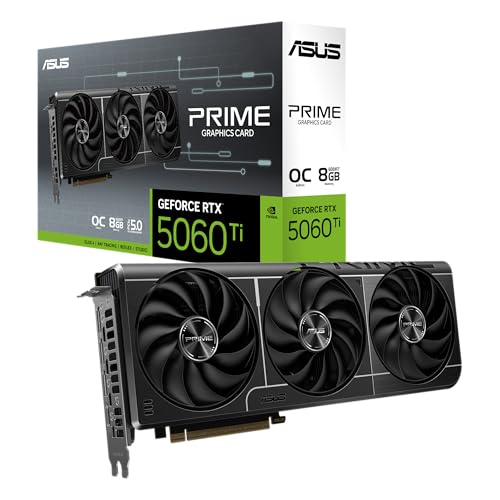
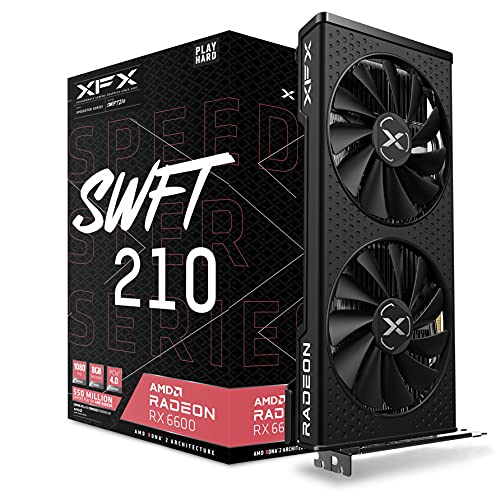
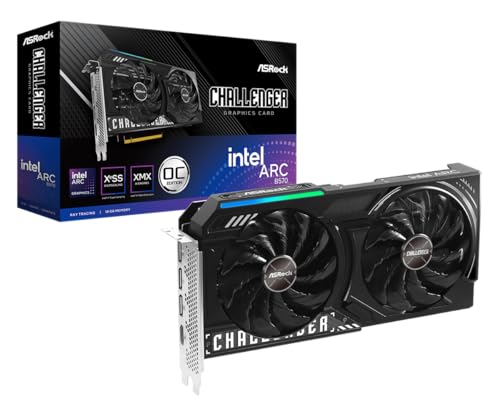


Who Should Buy Which Available Graphics Cards?
For Remote Workers and Creators
Your day runs on several screens and long hours rather than peak frame rates. Look for a card with three or four display outputs, quiet fans that stop at idle, and hardware video encoding for smooth calls and fast exports. A memory size of about 12 gigabytes gives editing timelines room to breathe without paying gaming prices. Our guide to best affordable graphics cards covers the lower price bands in detail if your work is mostly documents, calls and light photo editing.
For Students and Everyday Users
Everyday computing asks little of a graphics card, so spend on reliability instead of speed. An entry class card or a processor with strong built in graphics handles browsing, streaming and schoolwork with ease. Low power draw means the card may need no extra power connector and stays quiet in a small case. Prices in this class run about $150 to $300, and a stable driver record matters more here than a small speed edge.
For Gamers and Power Users
Gaming is where card classes separate fast. A midrange chip drives 1080p at high settings and 1440p at moderate settings, while a high end chip targets 1440p high refresh or 4K play, and memory of about 12 to 16 gigabytes keeps texture settings high as games grow heavier. If gaming is your main use, our guide to best graphics cards for gaming breaks down frame rate targets by genre. Cooling quality also matters, since a loud card under your desk wears thin over a long session.
For Compact Builds and Small Cases
A small case rules out long cards before price even enters the picture. Short models run about 170 to 240 millimetres long and two slots thick, and they draw modest power that a compact supply can feed. Cooling runs tighter in a small box, so a card that exhausts air sensibly and a case with a clear intake path both help. Measure the space from the rear bracket to the drive cage first, then shop only among cards that clear it with room for cables.
Key Features of the Best Available Graphics Cards
Chip Class and Speed
The chip class governs the speed class of the whole card, stated plainly: a stronger chip renders more frames at a given resolution, and every other part of the card exists to feed and cool that chip. Steps between chip classes are large, while steps between two cards sharing a chip are small. Availability is a stock class that shifts constantly, so a sensible plan names a first choice chip and one fallback step in each direction before you start shopping.
Video Memory and Resolution
Video memory governs the resolution class a card can serve well. About 8 gigabytes suits 1080p play, about 12 to 16 gigabytes suits 1440p, and 4K play is happiest with 16 gigabytes or more. Memory cannot be added later, so a card that runs short stutters when texture data spills into slower system memory. Buy for the monitor you own plus the one you plan to buy next, not for the largest screen you might ever want.
Power Draw and Power Supply
Power draw governs whether your existing supply can run a new card safely. Entry cards may draw all they need from the motherboard slot, while high end cards want two or three eight pin connectors and a supply of about 750 watts or more. Leave headroom above the rated draw, since brief power spikes exceed the printed figure. A quality supply in the 80 Plus Gold class protects the whole build and runs quieter under load than a bargain unit.
Card Size and Case Fit
Case size and power draw together govern fit, because a card must clear the case physically and the supply electrically. Check three numbers: card length against case clearance, card thickness in slots against the gap below it, and cooler height against the side panel. Thick coolers can block the neighbouring slot you wanted for a capture or network card. When two cards perform the same, the shorter and thinner one almost always installs with less drama.
Cooling and Noise
Cooling design decides how a card behaves in a real room. Two or three fan coolers move air inside the case and rely on case airflow to carry heat away, while blower designs push heat straight out the back and suit tight cases. Fan stop at idle keeps office work silent. Under load, a cooler with headroom spins slower and quieter than a small cooler working at its limit, which is why the same chip can sound very different across card designs.
Processor Pairing
A graphics card far stronger than the processor wastes money at 1080p, where the processor often sets the frame limit. At 1440p and 4K the card does most of the work, so an older processor matters less. Pair the card to your screen first and your processor second. If you plan a processor upgrade within a year, buying one card step up now can still make sense, as long as the power supply and case already fit it.
Common Mistakes to Avoid When Buying Available Graphics Cards
- Blindly following best graphics cards ranked charts that test at a different resolution than your own monitor.
- Buying on price alone and skipping the power supply check, then facing a shutdown under load.
- Choosing memory size for today and leaving no room for the larger monitor you already plan to buy.
- Ignoring card length and thickness until the cooler meets the drive cage or covers a needed slot.
- Paying for a high end chip while an ageing processor caps frame rates at your resolution anyway.
Care and Maintenance Tips
Clear dust from case filters and card fans about every three months, since a felted layer of dust raises temperatures and fan noise. Update graphics drivers a few days after release rather than on day one, so early faults surface on other machines first. Watch load temperatures with a free monitoring tool after any change, and treat a sudden jump as a sign of dust, a tired fan or poor case airflow. Keep the case intake path unblocked and the side panel vents clear of the wall.
FAQs
What graphics card does a 1440p gaming monitor need?
A midrange chip class with about 12 gigabytes of memory serves a 1440p monitor well. The refresh rate changes the answer as much as the resolution does: a 60 hertz screen is an easy target, while a 165 hertz screen asks for a step up in chip class to feed it. Fast paced shooters benefit most from that step, while slower strategy and story games look fine at lower frame rates on the same panel.
Can a new graphics card be held back by an older processor?
Yes, an older processor can cap frame rates even when the new card has power to spare. The tell tale sign is a card running well below full load while frame rates stall in busy scenes. The effect shrinks as resolution rises, because the card carries more of the work at 1440p and 4K. A free monitoring overlay that shows per part load makes the bottleneck obvious before you spend on the wrong upgrade.
How do I check whether a graphics card will fit my case?
Measure the space inside your own case before trusting any listing. Run a tape from the rear slot bracket to the first obstruction, usually a drive cage or front fan, and compare it with the card length with at least a centimetre to spare for power cables. Count the rear slot covers the card thickness will cover, and check that nothing you need sits in those slots. Card makers print exact dimensions, so match all three numbers, not just length.
When should a graphics card be replaced?
Replace a graphics card when it stops serving your routine rather than on a fixed schedule. Clear signs include driver support ending for your card class, games that stay choppy even at low settings on your screen, and fans that grind or stop despite cleaning. A card used for office work and video can serve far longer than a gaming card, since its workload never grows. Rising repair costs on an old card usually argue for replacement instead.
How can I tell whether a card is really in stock?
Check that the listing shows a delivery date and ships from a seller you recognize, and be wary of prices far above the maker's suggested range. Availability shifts from day to day, so confirm stock at checkout rather than relying on an earlier visit. If your first choice is sold out, step to the nearest chip class that still fits your case and power supply, rather than paying a large premium for the same card.
Final Thoughts
Start with your routine and your screen, then let chip class, memory and power draw narrow the field. Check physical fit before you fall for a price, and confirm stock on the day you buy. The product table above gathers the main classes for a quick side by side check. Match those points honestly and the best available graphics cards for your desk stop being a gamble and become a short list you can trust.


