
Best AMD ATX Motherboards 2026 by Budget
Disclosure: We may earn a commission when you buy through links on this page, at no extra cost to you. As an Amazon Associate I earn from qualifying purchases. Learn more

What the best amd atx motherboards offer at each budget, with notes on CPU support, power delivery, slots and case fit.
ATX boards for AMD CPUs span a wide price range, and the listings can make a costly board look essential when a simpler one would serve you just as well. Extra ports, stronger power delivery, and better cooling all have a place, but only if your build uses them. This guide sorts the market by budget so you can see where extra money truly helps.
The best amd atx motherboards share a few traits at every price, including honest CPU support, clear layout, and stable power for the chip you own. Use the comparison table below to see the tiers side by side, then read on for what each tier gives up and what it adds.
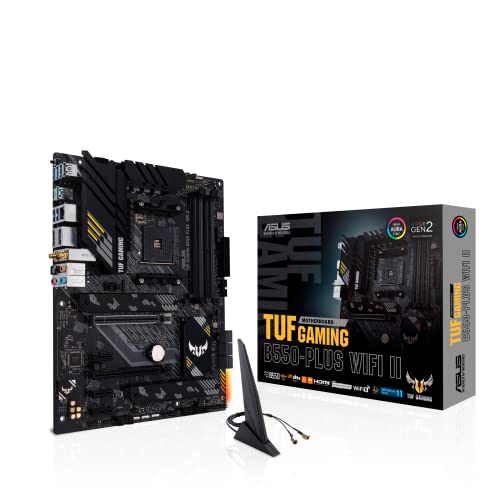
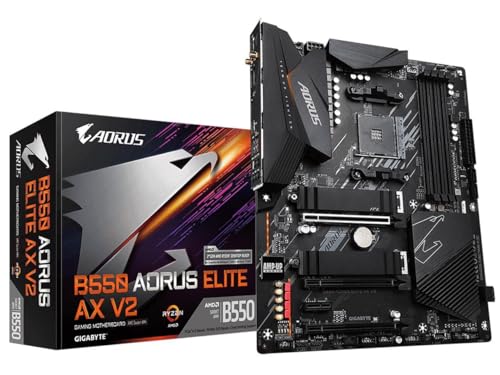
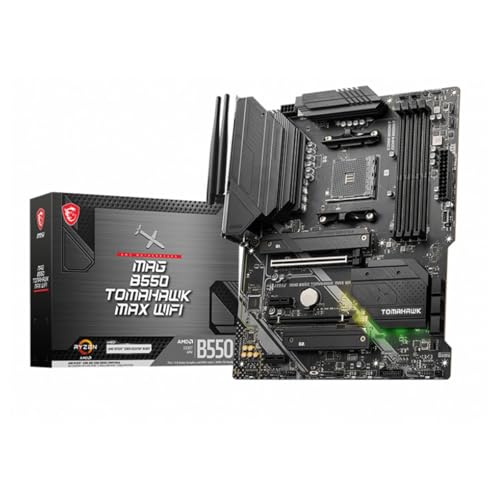
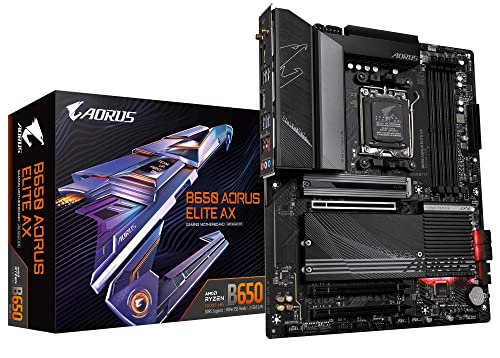


What a Good Board Looks Like in Each Budget Band
Rather than naming single models, this section describes what a strong choice looks like in each budget band. Use it as a checklist against any board in the product table above. A board that meets the checklist for its band is a sound buy, even if its name is less familiar.
Budget Band
A strong budget choice covers the basics without waste. It supports current AMD CPUs in its class, offers at least two memory slots with room to expand, and provides one full length graphics slot plus basic storage connectors. You give up extras such as many USB ports, premium audio, and elaborate heatsinks. For a 1080p gaming PC or a family computer, that trade is sensible, because the money saved can fund a better graphics card or a larger SSD.
Midrange Band
A strong midrange choice adds comfort and room to grow. Expect better power delivery for higher core CPUs, four memory slots on many boards, faster storage options, and more fan headers for quieter cooling. This band suits most gaming builds aimed at 1440p, plus creators who keep many drives and devices attached. It is the band where build quality and support usually step up in a way you can feel during setup and daily use.
Premium Band
A strong premium choice earns its price through power, connectivity, and refinement. It handles top tier CPUs with cooler and quieter power stages, offers many high speed ports, and often adds better audio and stronger networking. This band suits a long life flagship build, heavy multitasking, and users who upgrade the GPU more than once on the same board. If you will never use the extra ports or power, the premium band is money spent on features that sit idle.
What Your Money Gets You at Each Price Tier
Budget Tier: What to Expect
Budget boards usually cost around $100 to $150 and focus on core function. You get solid support for mainstream CPUs, enough slots for one graphics card and a couple of drives, and basic networking. Power delivery is tuned for modest chips, so check the CPU support list before pairing one with a high core count processor. This tier suits first builds, office PCs with light gaming, and anyone reusing a case and storage they already own.
Midrange Tier: The Sweet Spot for Most Buyers
Midrange boards usually cost around $150 to $250 and balance features with price. You gain stronger power stages, more storage and USB options, and better heatsinks that keep temperatures lower under load. Most buyers stop here because the gains are practical, not cosmetic. A board in this tier can carry a strong GPU today and a faster one later. For a broader view across brands and sockets, see our guide to the best atx motherboards before you decide.
Premium Tier: When Spending More Pays Off
Premium boards often cost around $250 to $450 or more. Spending more pays off when you run a top CPU for years, attach many fast drives, or need the best networking and audio built in. You also get easier building touches such as clear debug displays and stronger slot reinforcement. If your build is a simple gaming PC, this tier adds cost without adding frame rate. Spend the difference on the GPU or monitor instead.
Features Worth Paying For (and Ones to Skip)
Feature lists grow longer as price rises, but only a few features change daily use. Strong power delivery, enough storage slots, and headers for the fans you own matter every time you switch the PC on. Decorative covers, extra lighting, and ports for gear you do not own add cost without adding comfort. Work through the five areas below and mark each one as needed, nice, or pointless for your build. That simple list keeps a sales page from deciding for you.
Cooling and Thermals
Good cooling starts with heatsinks on the power stages and a layout that lets air reach them. Air cooling suits most builds and costs less, while an AIO cooler can help a top CPU in a warm room or a case with limited airflow. Watch load temperatures in your first week. If the board power area runs hot, add a case fan aimed across it before you blame the board itself.
CPU and GPU Pairing
Pair parts by the resolution you play at. For 1080p, a modest CPU and a mid level GPU give high frame rate in most games. For 1440p, the GPU matters more, so buy the board tier that supports your CPU well and put the rest into graphics. For 4K, a premium board still adds no frame rate on its own. Avoid a bottleneck by checking results for your exact CPU and GPU pair.
Warranty, Support, and Build Quality
Cover of one to three years is typical, and clear support pages matter when you need a BIOS update for a newer CPU. Good build quality shows in tidy cable routing space, firm slots, and a manual that explains each header in plain words. Keep your receipt and note the board revision number. Those two details make any support request faster and far less stressful.
Upgradability and Standard Parts
An ATX board in a standard case gives you the widest upgrade path, unlike the proprietary parts found in some prebuilt systems. Free memory slots, a spare storage slot, and a standard power supply size all extend the life of the build. If space forces a smaller format later, our guide to the best mini atx motherboards explains what changes when you step down in size. Plan one upgrade ahead and the board rarely needs replacing.
Case Size, Airflow, and Aesthetics
ATX boards need a case that fits the full board depth with room for cables along the edge. Airflow matters more than looks, so favour a front panel that lets air in and space for at least two intake fans. Lighting and colour are personal, and a white build can look clean when parts match. If that style appeals, see our guide to the best white amd motherboards for layout ideas on this platform.
Long Term Costs to Factor In
Think in years, not in checkout totals. A board that supports the next CPU generation or one more storage drive can postpone a full platform change, which is the most expensive upgrade a PC owner faces. Keep the box and the spare cables, since a missing bracket or cable often forces a needless purchase later.
The board price is only part of the total. Budget for a power supply with an 80+ Gold rating, case fans if your case ships with few, and a larger SSD once your game library grows. Electricity cost is modest for most homes, but a system left on all day adds up over years. A board with free slots delays a full rebuild, which is the largest saving of all. Readers comparing compact options can also check our guide to the best amd itx motherboards to weigh size against expansion.
AMD Atx Motherboards: Your Questions Answered
Do I need ATX or is micro ATX enough?
Micro ATX is enough for one graphics card and one or two drives, and it fits smaller cases. Choose ATX if you want more PCIe slots, more M.2 and SATA ports, a roomier layout and more fan headers.
How long will a gaming PC stay relevant?
A gaming PC built on a midrange ATX board typically stays relevant for four to six years. The GPU usually needs an upgrade first, while the board and CPU carry on if you chose enough memory slots and storage room. Lowering a few settings in new games extends that span. Esports and older titles remain smooth far longer than new demanding releases.
How much RAM do I need for gaming?
Most gamers should aim for 32GB when the budget allows, with 16GB as a workable floor for lighter play. Two matched sticks give better stability and speed than one stick of the same total size. More memory helps if you stream, edit video, or keep many browser tabs open while you play. Check the board limit and slot count before you buy your first kit.
Air or liquid cooling: which is better?
Air cooling is better for most builds because it is simple, reliable, and easy to dust. A quality tower cooler handles most AMD CPUs quietly. Liquid cooling suits top chips in tight cases or warm rooms, but it costs more and adds a pump that can wear out. Either way, case airflow decides real temperatures more than cooler type alone.
What GPU do I need for 1440p?
For 1440p, you need a mid level to strong graphics card, paired with a CPU that will not cap its frame rate. Most current games run well at high settings on such a card, with the heaviest titles needing a few lowered options. Spend on the GPU before a premium board. Our wider guide to the best amd motherboards can help if you are still choosing the platform itself.
The Bottom Line
Choose the tier that matches your CPU, keep power delivery and slots ahead of looks, and leave room for one GPU upgrade. Those habits serve every budget. Compare the options in the product table above, then pick the best amd atx motherboards in the band that fits your build, knowing the extra features you pay for are ones you will actually use.


