Best All Weather Mats in 2026: A Checklist Before You Buy
Disclosure: We may earn a commission when you buy through links on this page, at no extra cost to you. As an Amazon Associate I earn from qualifying purchases. Learn more

Run this buyer checklist before choosing the best all weather mats: footwell fit, tray depth, pedal safety, materials, cleaning, and price bands.
Snow, mud, and road salt all arrive on your shoes, and the carpet under them pays for it week after week. Choosing the best all weather mats comes down to a short checklist, not a brand name, because mats that look alike on a shelf differ in fit, depth, and grip. A good set traps the mess in a tray you can lift out and hose clean, in every season. This guide runs the checks in the order that matters, starting with fit.
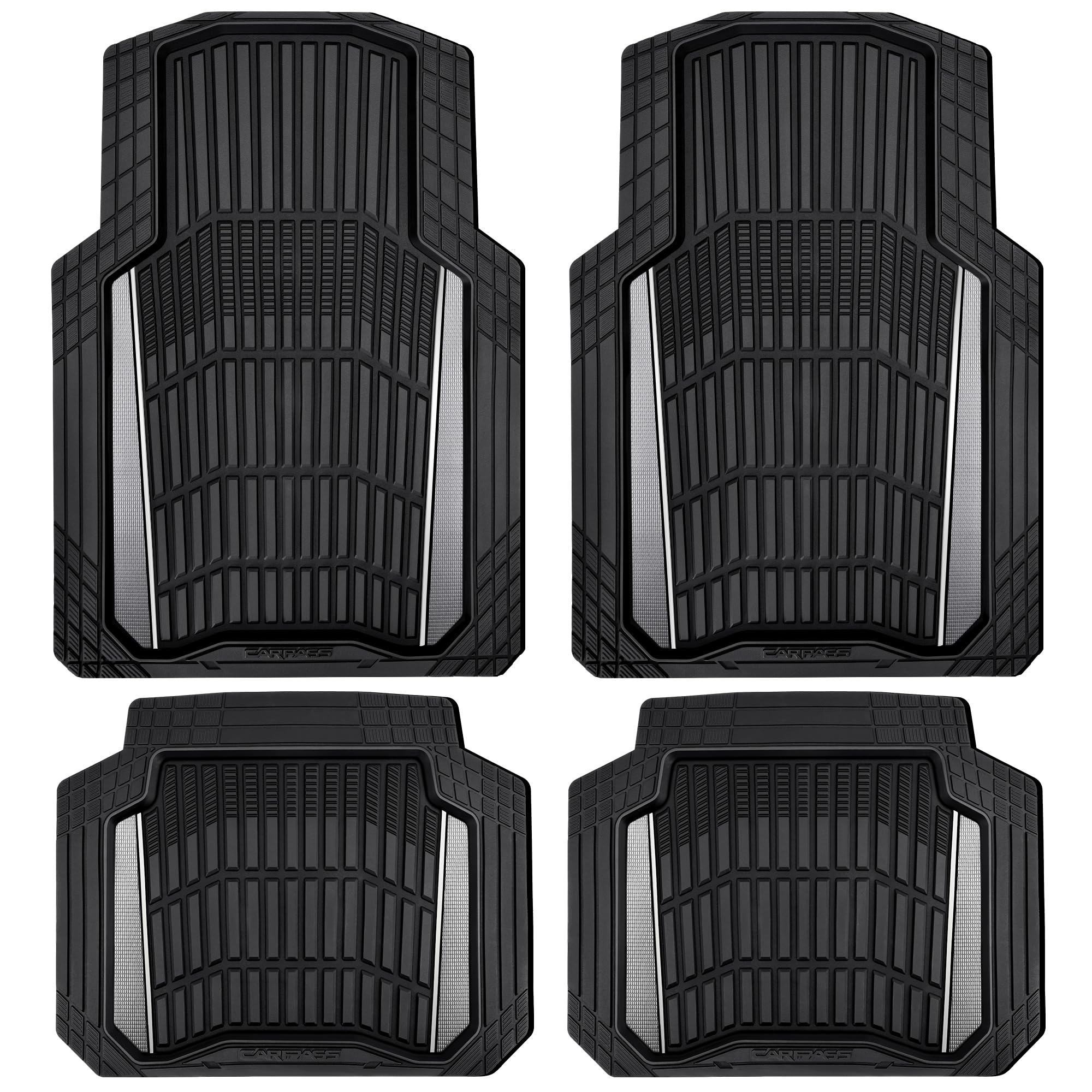
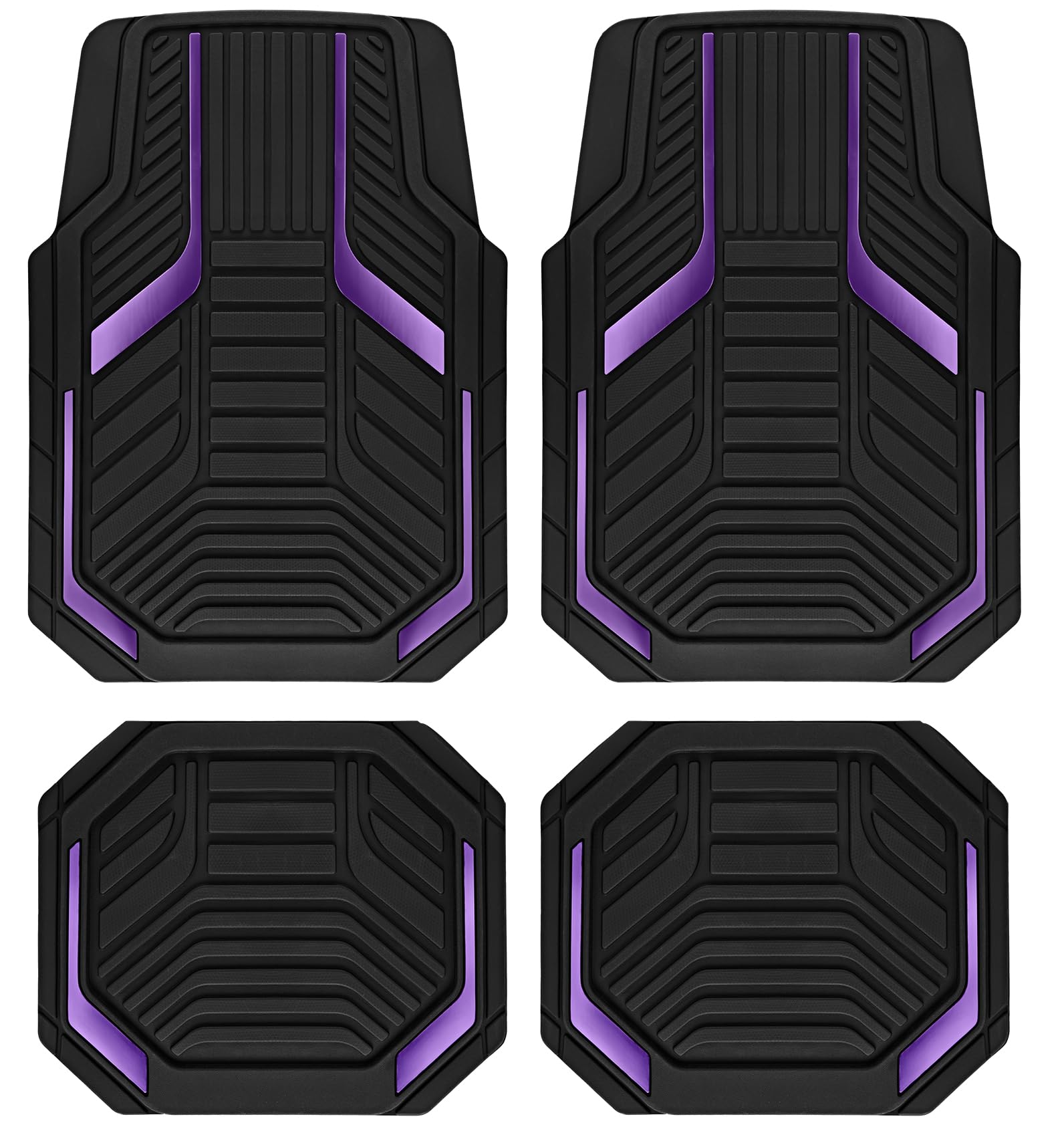
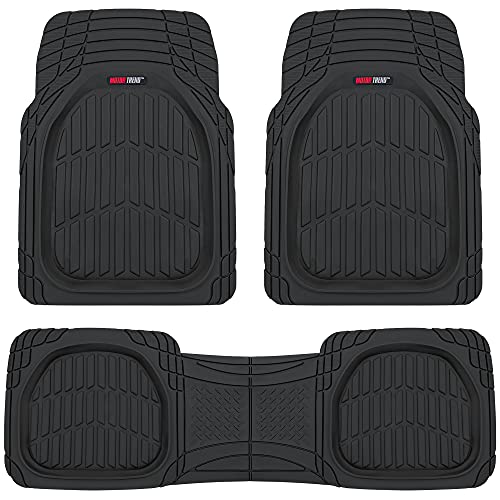
This guide stays with car floor mats, because that is where the all weather label does the hardest work. Home entry mats are a neighboring class that scrapes boots at a doorway and never faces pedals, engine heat, or road salt spray, so they follow different buying rules and sit outside this checklist. If you want the version written only for vehicles, our guide to the best all weather car mats covers it. For everyone comparing sets side by side, the product table gathers the options this checklist judges.





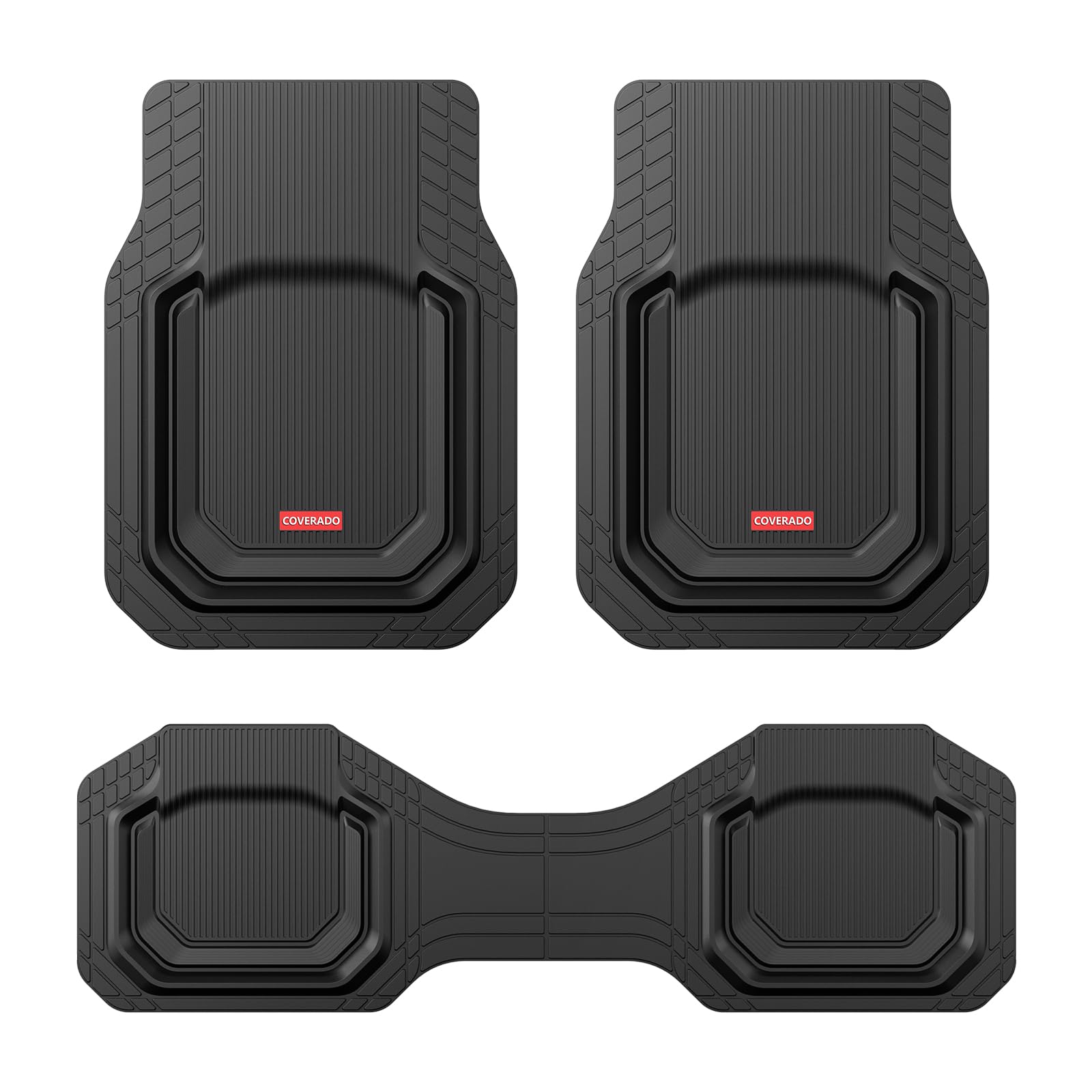

The Checklist: Six Checks Before You Spend
Start from your own weather and your own passengers, because both decide how much tray and coverage you need. A snow belt commuter, a parent hauling toddlers with drink cups, and a dog owner facing muddy paws all stress a set in different ways. Keep your hardest week in mind as you run the six checks, and judge every set against that week rather than an average day.
Check One: Measure the Footwell, Not the Listing
Mats come in two broad classes: universal sets that you trim to fit, and vehicle specific sets molded to one footwell shape. Measure the length and width of each front footwell with a tape, and note where the pedals, the seat rails, and the center console narrow the space. The driver and passenger sides are rarely mirror images, so measure both. A mat that is two inches short at the top lets meltwater run off the end and soak the carpet it was bought to protect.
Check Two: Tray Depth and the Raised Lip
The tray is the whole point of the product, so judge it like a container. Deep channels and a raised lip around the edge hold a boot full of snow until it melts, then keep that water on the mat instead of at its edges. Shallow mats with flat borders look tidy but spill at the first corner or hill. Pickup drivers who need coverage for a crew cab and a cargo bed can compare the best all weather floor mats for trucks before settling for a car sized set.
The Pedal Safety Check, Stated Plainly
A driver side mat must never reach or ride over the pedals. Fit it flat in its footwell, hook it onto the retention posts or clips where the car provides them, and press every pedal through its full travel before you drive anywhere. Never stack an all weather mat on top of a carpet mat, because a loose stack can slide forward and bunch under the brake pedal.
A mat that curls at the edges is a replacement case, not a small nuisance to live with. The curling corner is the part that creeps toward the pedals over time, so a set that no longer lies flat has failed the most important check on this page. When in doubt, take the driver mat out until a flat replacement is fitted.
Check Three: Material, Flex, and Grip Underfoot
Rubber sets are heavy, flexible, and quiet, and they grip the carpet well with molded nibs on the back. Thermoplastic sets are lighter and hold a sharper tray shape, but cheap versions can stiffen in deep cold and slide on smooth carpet. Flex a corner in the shop if you can, and look for a back covered in nibs or a texture that bites. Shoppers who prefer a simple flat sheet over a molded tray can read our guide to the best weather floor mats for that simpler style.
Check Four: Cleaning That Fits Your Routine
Every set on your shortlist should lift out one handed, because a tray full of water is awkward to carry with two. The routine is simple: shake off the loose grit, hose the mat down, scrub the channels with a stiff brush, and let it dry fully before it goes back in. A mat refitted while damp traps moisture against the carpet and breeds a sour smell. If that routine sounds like more than you will do monthly, choose smoother channels that rinse clean in seconds.
Check Five: Warranty and Support
Warranty length on mats is usually short, so read what it actually covers rather than how long it runs. Useful coverage names cracking, curling, and torn retention holes; weak coverage names factory defects only and expires fast. Ask whether a single damaged mat can be replaced on its own, because the driver mat wears out years before the rear pair. Keep the receipt with the car paperwork so a claim does not depend on memory.
What Each Price Band Buys in the Best All Weather Mats
The sets in the product table above sort into three bands, and for most family cars the best all weather mats sit in the middle one. The bands differ less in looks than in molding accuracy, tray depth, and how the set ages.
The Budget Band: About $30 to $60 a Set
Budget sets are usually universal mats you trim along molded guide lines, or simple molded sets for common cars. Expect thinner walls, a shallow tray, and a fit that is close rather than exact. They suit a second car, a work vehicle, or a driver in a mild climate where snow is rare. Check the driver mat twice at this price, because pedal clearance and retention matter more than the money saved.
The Middle Band: About $60 to $120 a Set
Middle band sets are molded for a specific model, with deeper channels, a taller lip, and holes that land exactly on the factory retention posts. This is the band where mats stop sliding, stop spilling, and start lasting several winters. Most buyers who face real snow, mud, or road salt should shop here first. A matching cargo tray is often sold separately at this level, so price the full coverage you actually want.
The Premium Band: About $120 to $200 a Set
Premium sets buy thicker material, full coverage that climbs the sides of the footwell, and a reinforced heel pad where the driver heel pivots. Rear mats and a cargo liner are more often included rather than added later. The warranty is usually the longest of the three bands, and the material resists the cracking that ends cheaper sets. Pay for this band if the car is new, leased with return conditions, or kept for many years.
Quick Buyer Checklist
Run these questions against any set before you order. A single no on the first two questions should end the purchase.
- Does the driver mat hook onto the retention posts or clips fitted in your car?
- Can you press every pedal through its full travel with the mat fitted and the seat set where you drive?
- Is the tray lip high enough to hold the meltwater from a pair of snowy boots?
- Does the set cover the rear footwells, or only the front row?
- Can you lift each mat out with one hand when it is full of water?
- Do you have a spot where a washed mat can dry fully before going back in?
- Does the warranty name cracking and curling, or only factory defects?
Red Flags That Should Stop the Purchase
- A driver mat with no retention holes or clips, because nothing stops it creeping toward the pedals.
- A listing that promises one set fits nearly every car, because that shape cannot match your footwell closely.
- Tray walls so thin that the mat folds when you lift it holding water, spilling the load it exists to carry.
- No material named at all, or vinyl sold with rubber wording, because the two age very differently in cold weather.
- A warranty measured in days rather than years, which tells you how long the maker expects the set to last.
Hose, Dry, Refit: Keeping a Set in Shape
Wash mats on the driveway, not in the house, and work through the channels with a stiff brush where grit packs down. Rinse until the water runs clear, then stand each mat on its edge in the sun or against a wall until it is dry to the touch on both sides.
Store a spare set flat, never folded, because a fold becomes a crease that lifts off the carpet. Drivers who rotate a second set, such as the ones in our guide to the best auto mats, always have a dry set ready while the first one dries. Inspect the edges each season, and replace any mat that has started to curl.
Drivers who swap back to carpet mats in summer should store the all weather set flat, clean, and out of direct sun, because heat and folding both work on the material while it waits. Wash and dry the set before it goes away for the season. Grit left sitting in the channels all summer grinds in a little deeper every time the set is moved.
All Weather Mats: Your Questions Answered
How do I measure my footwell before ordering all weather mats?
Measure each front footwell with a tape, from the top under the pedals down to where the seat base begins, then across at the widest point. Note anything that narrows the space, such as seat rails, a wide center console, or a footrest on the driver side. Photograph the empty footwell before you shop, because comparing a listing diagram against your own photo catches shape mismatches that numbers alone can miss.
Why does a new all weather mat smell, and what can I do about it?
The smell is the new rubber or plastic itself, and it fades on its own within days. Stand the set outside or in a garage for a day or two before fitting it, and wash it once with mild soap and water. Avoid scented sprays and dressings on the surface, because anything that makes a mat feel slick under a wet shoe works against the grip you bought it for.
Can I trim a universal all weather mat to fit my car?
Yes, universal mats are made to be trimmed along the molded guide lines in their surface. Cut on the ground outside the car, take off a little at a time, and check the fit after every cut. Never trim the driver side mat anywhere near the pedals, and stop cutting while a small gap remains, because an edge that touches a pedal or a rail will lift and curl as you drive.
How often should all weather mats be replaced?
Replace a mat when its edges curl, its surface cracks, a retention hole tears, or the heel area wears smooth and shiny. A well made set usually lasts several winter seasons before any of that happens. The driver mat always goes first, so check it at the start of every winter. Some makers sell single front mats, which can halve the cost of keeping the set safe.
Do all weather mats protect carpet from road salt?
Yes, the tray catches salted meltwater before it reaches the carpet, which is where salt does its lasting damage. Rinse the mats during the salt months rather than only in spring, because dried salt crust grinds into both the mat surface and any carpet it touches. Shake the loose grit out before it dries hard, and the weekly rinse takes under a minute per mat.
Final Thoughts
Fit, tray depth, and pedal safety decide this purchase, in that order, and everything else is refinement. Compare your shortlist against the product table above, then run the checklist once more before ordering. Readers still deciding between carpet and rubber for everyday driving can start with our guide to the best mats for car. In the end, the best all weather mats are the set that fits your footwells, holds a winter of meltwater, and stays flat under the pedals.