Best Auto Mats: A First Time Buyer's Guide for 2026
Disclosure: We may earn a commission when you buy through links on this page, at no extra cost to you. As an Amazon Associate I earn from qualifying purchases. Learn more

New to car mats? This first time buyer guide to the best auto mats covers fit, materials, pedal safety, and prices in plain, simple English.
If you have never bought car mats before, the choice looks bigger than it is. Shelves are full of rubber trays, carpet squares, and shaped liners, all promising to save your interior. The truth is simpler: the best auto mats for a first purchase are the ones that fit your footwells, suit your weather, and stay exactly where you put them.
This guide starts from zero. It explains what a mat actually does, translates the specs into plain English, and walks you through your first fitting step by step. The product table gives a quick overview, and the sections after it go deeper in the order a new buyer needs them.



Auto Mats 101: The Basics
An auto mat is a removable cover that sits on the floor of your car, under your feet. Its whole job is to catch what shoes carry in: grit that grinds carpet fibers down, water and slush that soak through to the padding, and salt that leaves white stains and feeds rust at the floor pan. When the mat gets filthy or worn, you lift it out, clean it or replace it, and the carpet underneath stays presentable for resale and pleasant for daily driving.
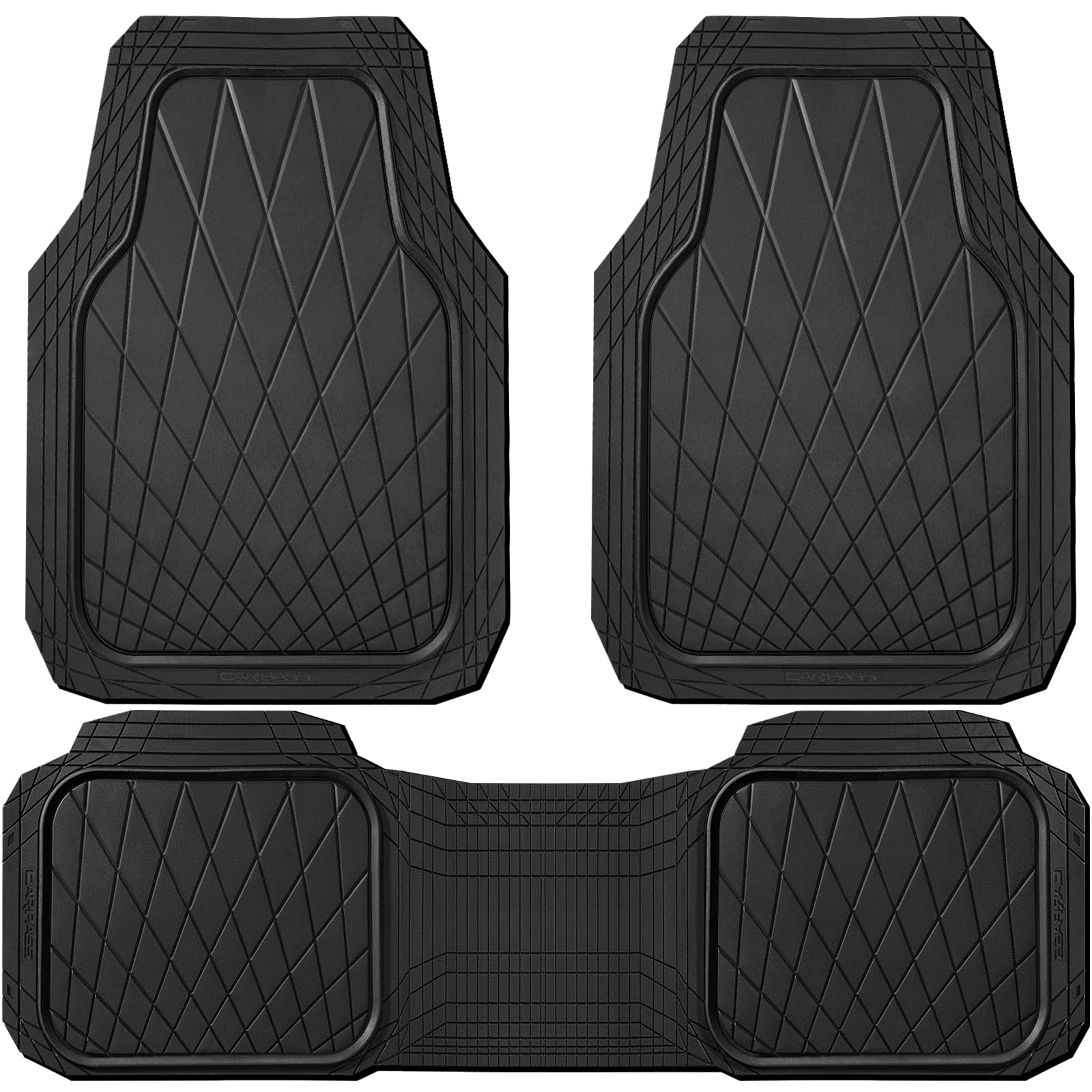
A few terms cover most listings. A set means the pieces included, usually two front mats or four pieces for both rows. A liner is a shaped tray with raised edges that holds liquid like a shallow pan. Retention posts are the small studs built into many car floors, and better mats have matching holes or clips that lock onto them. If you want to see every style compared in one place before you shop, the type by type breakdown of best auto floor mats shows how liners, trays, and carpet sets differ.
One basic surprises many new owners: the driver mat matters more than the other three combined. It takes the most wear from your heels, and it sits inches from the pedals. Everything in this guide treats that front left position as the priority, and the passenger and rear mats as the supporting purchase.
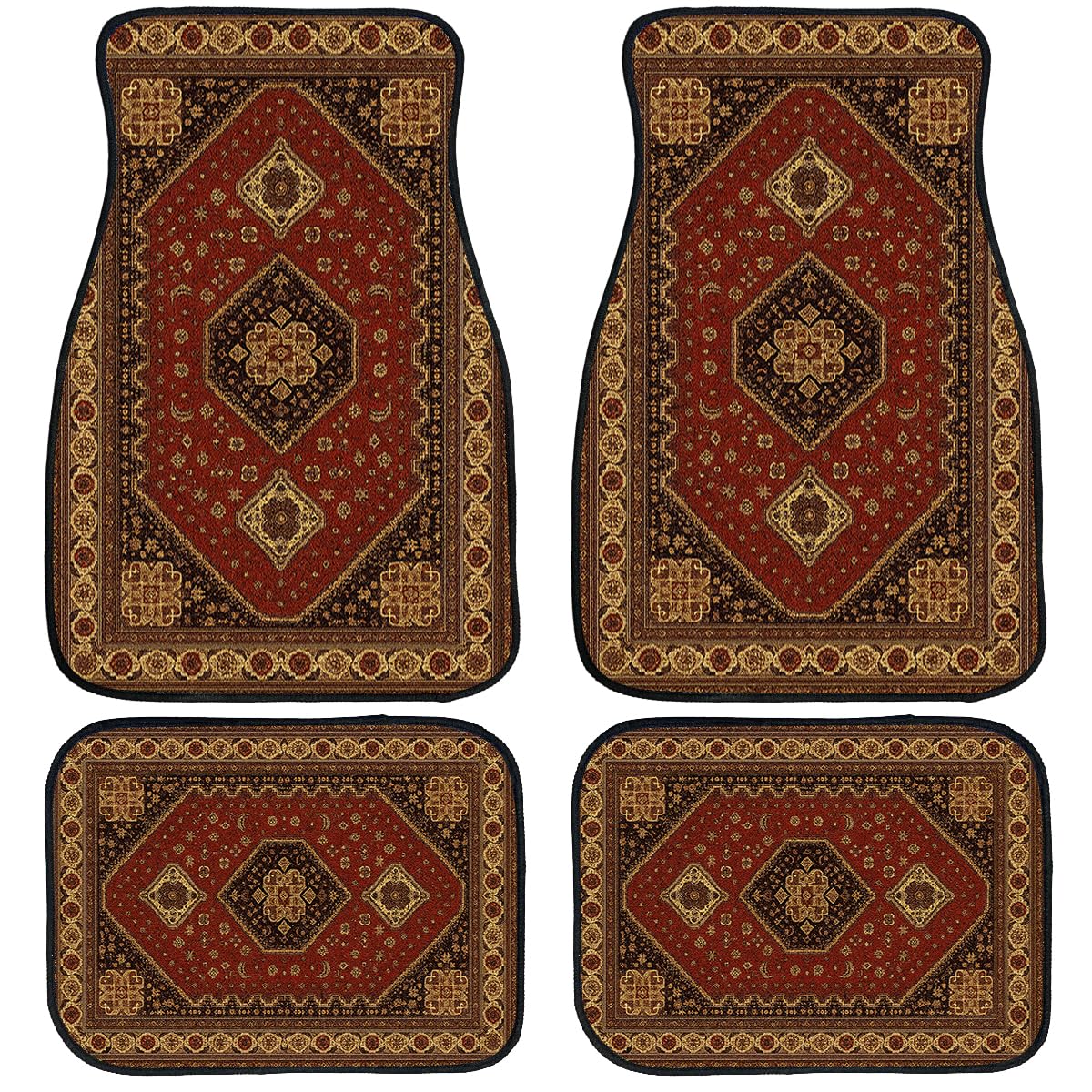
Sets are sold in a few shapes, and knowing the shapes saves confusion at the shelf. Front only sets cover the two seats that see daily use and suit a commuter who rarely carries passengers. Four piece sets add a rear pair for families and ride share drivers. Some vehicles also take a long rear piece that runs across the whole back footwell in one strip, which helps when three passengers share the row and the middle hump needs cover too.
Key Specs Explained in Plain English
Intended Use and Who It Is For
Begin with who rides in the car and what they bring in. A solo commuter on paved roads mainly fights dust and coffee drips, so a tidy mid priced set is plenty, and shoppers comparing general options can browse the sets gathered under best mats for car to see the range. Families add juice boxes, cracker crumbs, and muddy cleats in the back row, which argues for a full set with raised edges in both rows. Dog owners should think about hair and wet paws, which vacuum off rubber far faster than out of carpet pile.
Climate sharpens the choice further. In the snow belt, boots come in loaded with slush and gritty melt that needs a tray shape and a real raised edge, because flat mats let that salty water run straight off the sides. In beach country the enemy is sand, which works deep into carpet and resists vacuuming, so a mat you can lift out and shake hard wins. Drivers who climb in wearing work boots bring gravel and job site mud, and they should buy for the messiest day of the week, not the average one.
Build Quality and Materials
Three materials dominate. Rubber is flexible, grippy, and shrugs off water, but cheap blends can smell strongly for the first weeks and can stiffen in deep cold. Thermoplastic is the firm material used for molded liners; it holds a precise shape and tall edges, and it rinses clean in seconds. Carpet looks and feels most like the car interior and quiets road noise, yet it absorbs liquid instead of containing it. Judge quality by thickness, clean edges, and a backing that grips rather than slides.
Two details separate a good mat from a flimsy one at any price. The first is the heel area on the driver piece: better sets reinforce it with a thicker pad, because that one spot takes thousands of heel pivots between the pedals. The second is edge finishing. Cleanly molded or bound edges lie flat, while rough cut edges curl upward over time and start the sliding problem you most want to avoid. If a listing shows close photos, look at the corners first, since corners reveal the true build quality fastest.
Fit, Retention, and Pedal Safety
Before you look at colors or prices, check the retention system in your own car. Kneel down, lift the current driver mat, and look for posts, hooks, or clips on the floor. Your new mat must use that same system so it is physically locked in place. Then check the shape: the mat should cover the footwell without creeping up the firewall or crowding the pedal arms, and your heel should land on the mat, not on its raised edge.
The reason is blunt. A mat that slides forward can wedge under the brake or catch the accelerator, which is why vehicle makers warn against loose mats near the pedals. Never stack a fresh mat over the old one to save time, and if a mat bunches, curls, or shifts when you press the pedals, take it out of the car that day. Follow the manufacturer's instructions for your vehicle. Fit is not a cosmetic detail on the driver side; it is the most important requirement.
Maintenance and Long Term Costs
Owning mats is cheap, but it is not free of effort. Rubber and thermoplastic pieces need a shake or a hose down every few weeks, and carpet sets need vacuuming plus the occasional wash when stains set in. The routine that protects the car is drying: a mat put back while still damp traps moisture against the carpet and grows a musty smell that is hard to remove. Long term cost is mostly replacement timing, since a worn through driver mat stops protecting anything.
Storage matters if you swap sets with the seasons. Keep the off season set flat, or rolled loosely with the top surface facing out, in a dry spot away from heavy boxes that can crease it. A creased or curled edge rarely relaxes fully again, and that curl is often what starts a mat creeping. When you bring a stored set back out, lay it flat in the sun for an hour before fitting, which softens the material and helps it settle into the footwell.
Price vs Value
First sets fall into three rough bands. Simple universal sets cost about $20 to $45 and cover the basics for dry climates. Mid priced sets around $50 to $110 add thicker material, deeper channels, and shapes matched to common vehicles. Molded liner sets run about $120 to $250 and buy exact fit with tall liquid holding edges. For a first purchase, the middle band is the honest sweet spot for most drivers, with the top band making sense when you plan to keep the car through many winters.
Warranty and Customer Support
Warranties in this category are modest, and that is normal. Budget sets may offer little beyond a returns window, mid priced sets often cover defects for about one to three years, and premium liners sometimes promise much longer coverage against cracking. Read what is actually promised: a warranty covers faults in the material or molding, not heel wear from years of driving. Keep your order details, because a photo of a cracked corner plus proof of purchase is usually all a claim needs.
Rookie Mistakes to Avoid
- Buying on looks alone: a mat that matches your seats but slides under your pedals is a hazard, so fit and retention checks come before color every time.
- Stacking new mats over old ones: the doubled layer can jam against the accelerator and defeats the retention clips, so the old set comes out before the new set goes in.
- Skipping the back row: rear passengers track in just as much grit, and unprotected rear carpet is where stains show up first at resale time.
- Trimming a universal mat too fast: cutting in one pass usually removes too much, so trim a little, check the fit, and trim again.
- Refitting a wet mat: moisture trapped under a damp mat smells within days, so let every mat dry fully in open air before it goes back.
Getting Started: Setup and First Use
Start by removing the old mats completely and vacuuming the bare footwells, because grit left underneath acts like sandpaper. Read the fitting notes in the box before the first use, then lay the new driver mat in place and press its holes or clips firmly onto the retention posts until it cannot slide by hand. Sit in the seat and work both pedals through their full travel with the engine off, confirming your shoe and the mat stay clear of the pedal arms.
During the first week, glance at the driver mat each time you get in. New mats sometimes settle or shift a few millimeters as they relax into the footwell shape, and catching that early creep lets you reseat the clips before it becomes a habit. After that first week, a monthly check is enough for most drivers.
Fit the passenger and rear mats next, and give universal pieces a final trim only after you have checked the fit in the car. Clean and inspect the set monthly: look for curling corners, worn heel areas, and clips that no longer grip. Many new owners sort the mats first and then look at other starter accessories; if a camera is next on your list, our guide to best auto cameras explains the main types in the same plain style.
Best Auto Mats: Your Questions Answered
Do I need auto mats if my car already has carpet?
Yes, because the carpet is the thing you are protecting. Factory carpet is fixed in place, costly to deep clean, and expensive to replace, while a mat is a removable layer that takes the damage instead. Grit does most of the harm: every step grinds it into the fibers like sandpaper. A basic set costing about $25 can delay carpet wear for years, which matters most if you plan to sell or trade the car later.
Should a first time buyer choose rubber or carpet auto mats?
Choose by your weather, not by appearance. Rubber wins wherever rain, snow, or muddy shoes are routine, because liquid sits in its channels until you tip it out, and it hoses clean in a minute. Carpet wins in dry climates where comfort and a quiet cabin matter more than spill control. If your year mixes both, buy rubber for the wet months and keep carpet for summer, since many drivers happily run two seasonal sets.
How do I check that an auto mat fits my car before buying?
Measure the driver footwell length and width with a tape, then lift the existing mat and note where the retention posts sit. Compare those numbers and that post layout with the size chart on the listing, and be suspicious of any set that lists no dimensions at all. For trim to fit styles, confirm the uncut mat is larger than your footwell in every direction. When a seller offers a vehicle lookup tool, use it, but still do the tape measure check at home.
Can I put new auto mats on top of the old ones?
No, never stack mats on the driver side. Two layers are thicker than the retention clips were designed to hold, so the top mat can creep forward until it bunches at the pedals or catches the accelerator. Stacking also lifts your heel position and changes how your foot meets the pedals. Take the old set out, store it flat as a spare if it is still sound, and let the new set sit alone on the clips exactly as intended.
When should I replace my first set of auto mats?
Replace the driver mat when the heel area wears thin or tears, because that hole lets grit and water straight through to the carpet. Replace any mat that cracks, curls at the corners, or no longer locks onto its retention posts, since a mat that moves is a safety issue rather than a cosmetic one. In practice, thin sets may last about one to two years, sturdy rubber about five years or more, and molded liners often outlast the car itself.
Final Thoughts
Your first set does not need to be fancy. Measure your footwells, confirm the retention posts, pick the material that matches your weather, and spend in the middle band unless your winters argue otherwise. Do that, and the best auto mats for your car will quietly do their one job for years. The product table above is a handy place to compare the shapes and prices side by side before you order.