Best All Weather Car Mats: A Buying Guide for 2026
Disclosure: We may earn a commission when you buy through links on this page, at no extra cost to you. As an Amazon Associate I earn from qualifying purchases. Learn more

Choose the best all weather car mats with this buying guide: fit classes, raised lip trays, materials, cleaning, and honest price bands for every car.
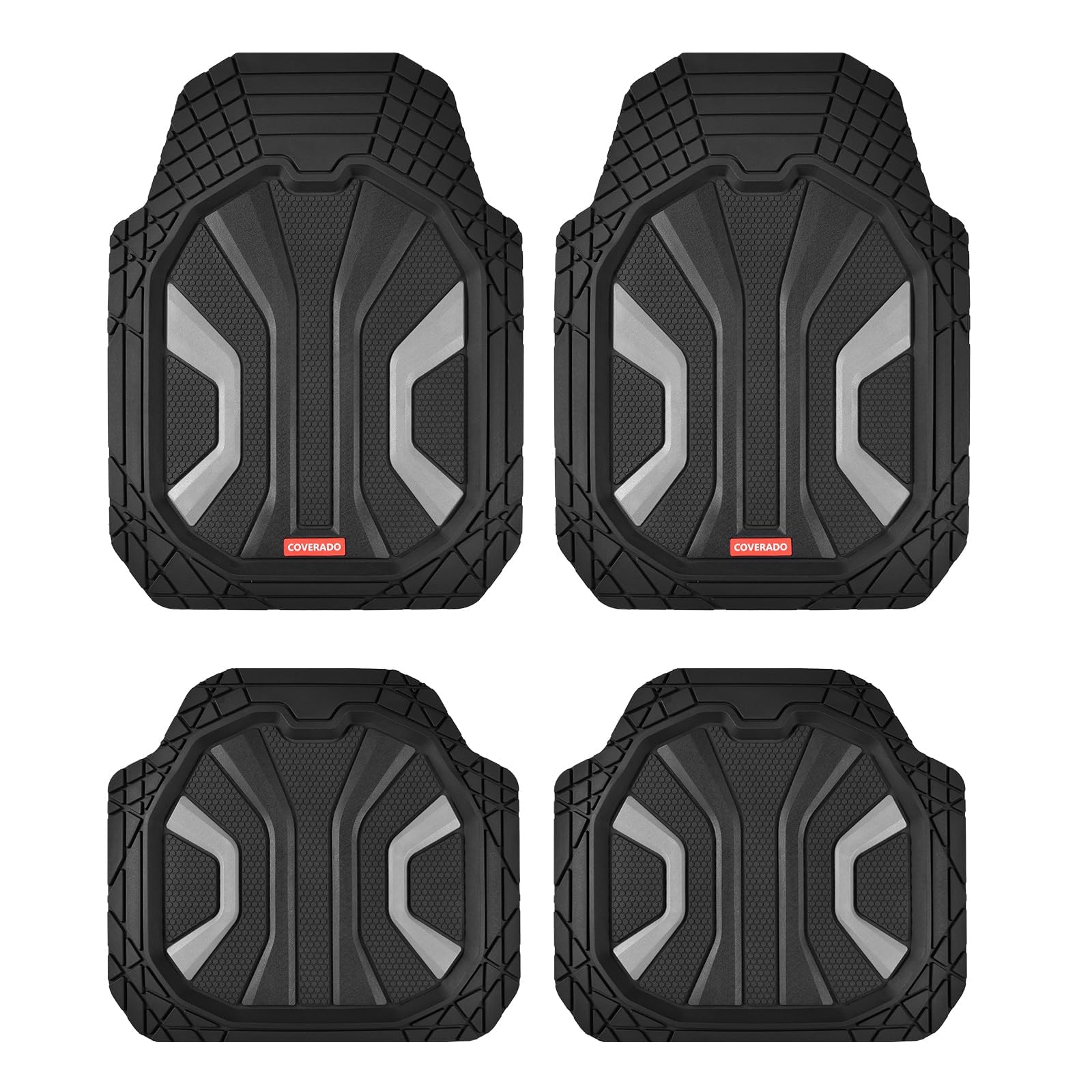
Carpet mats soak up meltwater, road salt, and mud, then hold that mess against the floor of your car for weeks. All weather mats exist to trap the water in a tray you can lift out, shake off, and hose clean. Drivers shopping for best all weather car mats usually need three things: a fit that stays put, a lip tall enough to hold slush, and a material that stays flexible in winter cold.
This guide works through those decisions in order, from fit classes to materials to cleaning, with honest price bands instead of product reviews. The product table below gathers the current options in one place, and the sections after it explain how to judge each set against your car and your climate.




What the Price Bands Buy
Mat prices say less about brand prestige than about fit precision and material thickness, so read the bands below as a guide to what your money actually changes. A companion checklist of the best all weather mats looks at the same bands from a whole vehicle angle, while this guide stays focused on car footwells.
Entry Band Sets: About $25 to $45
Entry sets are universal rubber mats with shallow channels and a flat or low edge. They keep the worst of the mud off the carpet and rinse clean in seconds, which is enough for mild climates and occasional wet weather. The compromise is fit: edges gap, corners curl sooner, and slush can escape over a low lip. Buy this band for a second car or a short ownership horizon, not as a ten year answer.
Middle Band Sets: About $45 to $80
The middle band adds deeper trays, taller lips, and trim to fit designs that follow your footwell outline far more closely. Rubber compounds improve, so mats stay supple in cold weather and lie flatter in summer heat. Rear seat coverage usually becomes a full width piece rather than two small squares. For most drivers in wet or snowy regions, this band is where protection and price balance best.
Premium Band Sets: About $80 to $150
Premium money buys custom fit liners molded to one specific car's floor, with tall walls that climb the sides of the footwell. Retention points line up with the factory posts, materials resist staining and salt, and the tray holds a full boot load of meltwater without spilling. The catch is that the set fits one car only, so the value depends on keeping that car for years. Long winters and heavy salt use make this band easier to justify.
How to Choose the Best All Weather Car Mats
Start With the Job Your Mats Must Do
Name your worst conditions first, because they decide everything else. Daily commuting in salted slush calls for a tall lip and deep channels, while school runs with muddy shoes mainly need easy rinsing and full rear coverage. Drivers who wear work boots track in grit that grinds carpet, so a heel pad on the driver mat matters more than styling. If you are comparing general options before narrowing down, our guide to the best mats for car covers the wider carpet and rubber landscape.
Fit Comes First: Custom Fit, Trim to Fit, or Universal
Custom fit classes are cut or molded for one car's footwells, so edges meet the trim and the mat cannot wander. Trim to fit classes arrive oversized with molded cut lines, and they reward buyers who check the outline against the car's floor before the first cut. Universal classes are the loose fit compromise: cheap and transferable between cars, but with gaps where water escapes and a greater tendency to shift. Whichever class you choose, the full range of best floor mats for car follows the same rule that coverage you can trust starts with the outline of your own footwells.
The Raised Lip and the Tray Question
The whole reason this mat class exists is the tray. A raised lip holds meltwater, salt brine, and spilled drinks on the mat instead of letting them run onto the carpet, and deep channels steer that liquid away from your shoes while you drive. Judge a mat by how much water the footwell tray can hold before it reaches the lip, not by how rugged the surface pattern looks. Shallow fashion mats with bold tread designs often hold less than plain, deep trays.
Materials and Build Quality
Traditional rubber stays flexible in hard cold, grips the carpet, and shrugs off salt, though cheap blends can smell strongly when new and crack sooner. Molded thermoplastic liners hold a precise tray shape with tall walls, feel firmer underfoot, and clean up with a quick shake. Carpet topped all weather mats trade some spill capacity for a quieter, softer look in dry seasons. Drivers who already know they want the classic flexible option can compare the best rubber car mats as a dedicated class.
Cleaning and Long Term Costs
All weather mats ask little: lift them out, shake off the grit, hose them down, and let them dry fully before refitting so trapped moisture does not sit against the carpet. Salt crust rinses away with plain water, and a soft brush handles dried mud in the channels. There are no filters or parts to buy, so long term cost is simply replacement when the driver heel area wears thin or edges start to curl. Larger vehicles wear the same way, only faster, which is why our guide to the best car mats for suv stresses heel wear on big driver footwells.
Warranty and Support
Warranties on mats usually cover cracking, splitting, and defects in the molding rather than wear, and terms vary from a year to the life of the mat. Keep the receipt and check the claim process before you buy, because a tall premium price with a short warranty is poor value. Support matters most for custom fit sets, where a wrong pattern for your model year is only fixable through the seller. A maker that lists fitment by exact model and year is a good sign in itself.
Safety First: Mats Stay Flat and Clear of the Pedals
One rule outranks every buying factor in this guide: a floor mat must never reach or ride over the pedals. A mat that slides forward can bunch against the accelerator or catch a pedal as it returns, and that is a driving hazard, not a cosmetic flaw. Fit the mat flat in its own footwell, pushed fully back, and fasten it to the car's retention posts or clips where your car has them fitted. If a mat has no way to stay anchored, treat that as a reason to choose another set.
Never stack a new mat over an old one, because the pair can shift together and ride up the footwell wall toward the pedals. An old mat that curls at the edges is a replacement case, since curled corners catch heels and refuse to lie flat no matter how often you straighten them. After every cleaning, refit the dry mat, press it into the corners, reattach the clips, and press each pedal through its full travel before driving to confirm nothing touches. Follow your vehicle manufacturer's instructions for mat fitting.
Fitting and Care Tips
- Remove the old mats first. Start from bare carpet so the new set sits flat and the retention posts are easy to reach.
- Hose, then dry fully. Rinse grit and salt away, shake off the water, and let the mat dry completely before refitting it.
- Shake out grit weekly in winter. Loose grit grinds into both the mat surface and your shoe soles, and a ten second shake prevents most of it.
- Store spare mats flat. Rolling or folding a molded liner for a season can leave it warped and slow to lie flat again.
- Lift mats after a soaking. If water ever gets under a mat, dry the carpet beneath it before refitting, so moisture is not sealed in.
- Check the clips after cleaning. Retention posts only work when they are actually engaged, so confirm each one clicks back into place.
Frequently Asked Questions
How much should a driver spend on all weather car mats?
Most drivers land in the middle band, about $45 to $80 for a full set, which buys a real tray, decent rubber, and rear coverage. Mild climates and short ownership can justify the entry band, while long salty winters justify premium custom fit. One saving worth knowing: driver only sets exist, and the driver footwell takes most of the wear, so replacing that single mat can refresh a set for far less.
How long do all weather car mats last?
A decent rubber or molded set lasts about 4 to 7 years of daily use, and cheap thin sets can give up in half that time. The driver mat always wears first, usually in the heel area where your foot pivots between pedals. When the surface wears smooth there, or edges start curling despite cleaning, the mat is near the end of its useful life even if it still looks respectable elsewhere.
How do I clean all weather car mats without damaging them?
Plain water and a soft brush handle almost everything, including dried salt crust, and a mild soap solution deals with oily grime. Avoid harsh solvents and oily dressings, which can leave the surface slick under your heels and shorten the material's life. Always let the mat dry fully before refitting it, since sealing dampness against the carpet invites odor and mildew in the footwell.
What features matter most when buying all weather car mats?
Fit, lip height, and material come first, in that order, because they decide whether water stays on the mat at all. The feature buyers most often overlook is retention compatibility: a mat shaped for your car but unable to use its anchor posts will still creep forward over time. Check that the set works with your car's clips or posts before anything else on the feature list impresses you.
Should I keep my carpet mats after fitting all weather mats?
Yes, store the carpet set flat and dry rather than selling or discarding it. Many drivers swap back to carpet in the dry season for a softer look and quieter cabin, then return the all weather set when the weather turns. Keeping the original mats also helps at resale time, since buyers read a clean factory set as a sign the car was cared for. Store them flat so they refit without curled edges.
Are premium all weather car mats worth the extra cost?
They are worth it where winters are long, roads are salted, and you plan to keep the car for years, because exact fit and tall walls stop the slow salt damage that cheap mats only delay. In a mild climate, or on a car you will sell soon, the premium difference mostly buys appearance. The honest measure is your worst week of weather, not your average week, so price the set against the slush it must hold.
The Bottom Line
Fit, lip height, and material decide whether an all weather mat protects your car or merely covers the carpet. Choose the fit class honestly, spend into the middle band unless your winters argue for premium, and use the product table above to compare sets on those terms. Bought that way, the best all weather car mats quietly pay for themselves the first time a boot load of meltwater lifts out in one piece instead of soaking in.