Best All Season Tires for SUV: Our 2026 Checklist and Top 3 Picks
Disclosure: We may earn a commission when you buy through links on this page, at no extra cost to you. As an Amazon Associate I earn from qualifying purchases. Learn more

The best all season tires for suv owners: our checklist plus Michelin, Kumho and Hankook picks with sizing tips.
Tires are the only part of your SUV that touches the road, so they shape braking, handling, comfort, noise and fuel economy every time you drive. All season tires are the default choice for most SUV and crossover owners: they handle dry roads, rain and light snow in one set, without the swap that winter tires require. But all season tires vary widely in tread life, wet grip, ride quality and load capacity. This guide to the best all season tires for suv owners walks through the checklist we use, then shares three picks that pass it.
We explain how we evaluate SUV tires, share our top picks, give you a quick buyer checklist and red flags, cover tips to make tires last and answer common questions. Every tire in the table above is sold new on Amazon US, and each listing shows one size; most models come in many sizes. Always buy the size, load index and speed rating listed on your vehicle's door placard or owner's manual, have tires mounted and balanced by a professional and check pressure monthly.


How We Evaluate the Best All Season Tires for SUV Owners
We judge all season SUV tires on wet and dry traction, light snow capability, tread life and warranty, ride comfort and noise, load capacity for your vehicle and value. A good tire stops confidently in the rain, rides quietly on the highway and lasts tens of thousands of miles. We compared maker specifications, warranty terms and the overall pattern in owner feedback; we did not drive on these tires ourselves.
Features That Matter for SUVs
SUVs are heavier and taller than cars, so tires need strong sidewalls, adequate load capacity and stable handling. Highway terrain (H/T) and touring all season tires suit most SUVs and crossovers driven on pavement, offering a quiet ride and long tread life. All terrain tires suit SUVs that see gravel and dirt but trade some quietness and tread life.
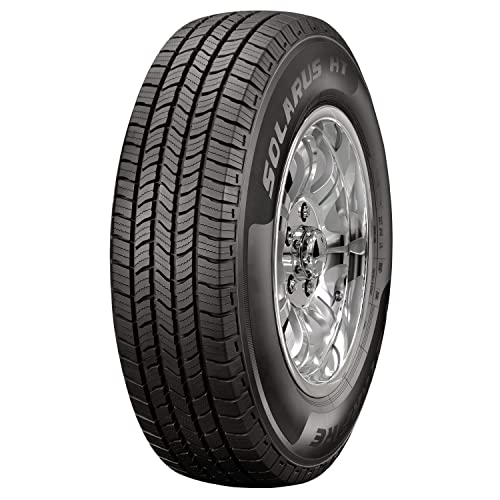
Look for the M+S (mud and snow) marking, which Starfire lists on its Solarus HT, for basic light snow capability. The three peak mountain snowflake symbol indicates stronger snow performance.
When choosing among the best all season tires for SUV use, also consider your typical trips. Highway commuters benefit from low road noise and long tread life, while families who drive gravel roads to campsites or trailheads may prefer a tougher tread and stronger sidewalls.
Vehicle Compatibility and Sizing
Tire size is printed on the sidewall in a format like 235/60R18: 235 is width in millimeters, 60 is sidewall height as a percentage of width and 18 is wheel diameter in inches. The load index and speed rating follow, like 103H. Your vehicle placard lists the correct size, load index and minimum speed rating.
Some tires are XL (extra load) or LT (light truck) rated, like the Hankook Dynapro HT LT225/75R16 E load range. LT tires suit heavy duty SUVs and towing; passenger rated tires suit most crossovers.
Ease of Installation
Tires must be professionally mounted, balanced and, ideally, aligned. Many buyers ship tires to a local installer. Budget for mounting, balancing, valve stems or TPMS service kits and disposal of old tires. Replacing all four tires at once keeps handling balanced, which matters especially on all wheel drive SUVs.
Ask the installer to torque lug nuts to the vehicle maker's specification and recheck them after the first 50 to 100 miles, a common shop recommendation for safety.
Warranty and Brand Support
Treadwear warranties indicate expected tread life. Starfire lists a 50,000 mile warranty on the Solarus HT, made by Cooper Tire, and premium touring tires often carry higher warranties. Check what the warranty covers, such as treadwear, workmanship and road hazard, and keep records of rotations, since many warranties require them.
Performance Specs
Speed rating, load index and UTQG ratings help compare tires. UTQG lists treadwear, traction and temperature grades on the sidewall. Higher treadwear numbers suggest longer life, and AA or A traction grades indicate stronger wet braking. Speed ratings like T (118 mph) and H (130 mph) indicate maximum sustained speed capability.
Traction and temperature grades also show up on the sidewall. An A temperature grade indicates better heat resistance at speed, which matters for heavy SUVs on long highway trips in summer.
Ride Comfort and Noise
Touring and highway tires prioritize a smooth, quiet ride. Starfire lists a quiet ride and even treadwear for the Solarus HT, and premium tires like the Michelin Defender LTX M/S2 and Continental CrossContact LX25 are designed for highway comfort. All terrain tires with aggressive tread tend to be louder.
Road noise also depends on your vehicle and road surfaces. Concrete highways amplify tread noise, so touring tires with variable pitch tread blocks help on long commutes.
Build Quality and Weather Resistance
All season compounds balance grip in heat and cold. They stay flexible in cool weather better than summer tires but harden in deep cold, which is why winter tires outperform them on ice and heavy snow. Silica rich compounds and siping improve wet and light snow grip.
3 Picks That Pass Our Checklist
Our picks are the Michelin Defender LTX M/S2 for most SUVs, the Kumho Crugen Premium KL33 for value and the Hankook Dynapro HT RH12 in LT sizing for heavy use and towing.
Best Overall: Michelin Defender LTX M/S2
The Michelin Defender LTX M/S2 suits SUV owners who want long tread life, confident wet grip and a quiet ride, at around $275 for a 265/70R17 116T XL tire. It is an all season highway tire designed for passenger SUVs and light trucks, available in many sizes from 17 to 22 inch wheels.
Two strengths stand out: Michelin's reputation for tread life and the Defender line's focus on long lasting, all weather performance, which suits families who drive many highway miles. XL load sizes support heavier SUVs.
The limitation is price; premium tires cost more upfront, though long tread life spreads that cost over more miles. Skip it if you mainly drive off road, where an all terrain tire fits better.

Best Value: Kumho Crugen Premium KL33
The Kumho Crugen Premium KL33 is for crossover and SUV owners who want a comfortable all season touring tire at a lower price, at around $173 for a 235/60R18 103H tire. It is a touring all season tire aimed at crossovers and SUVs that mostly drive on pavement.
Its strengths are value and an H speed rating in this size, which suits highway driving. Kumho is a large tire maker with a long history of value focused tires.
The trade off is that value tires may not match premium brands in tread life or wet braking. Skip it if you tow heavily or drive in frequent snow.

Value tires make the most sense on crossovers driven mainly around town and on highways in mild climates, where extreme snow or towing performance is not needed.
Best for Heavy Use: Hankook Dynapro HT RH12 (LT)
The Hankook Dynapro HT RH12 suits SUVs and light trucks that tow, carry heavy loads or work hard, at around $199 for an LT225/75R16 115S load range E tire. It is a highway terrain all season tire built in light truck sizes for higher load capacity.
The appeal is load capacity and durability for working vehicles, with highway tread for a reasonable ride on pavement. LT construction resists punctures and supports trailers better than passenger tires.
The limitation is a firmer ride than passenger touring tires. Skip LT sizes if your crossover's placard calls for passenger tires.

Quick Buyer Checklist
- Size: match the size on your door placard or current tires.
- Load index and speed rating: equal to or above the placard.
- Type: touring or highway for pavement, all terrain for gravel and dirt.
- Weather: M+S for light snow, three peak snowflake for regular snow.
- Treadwear warranty: higher mileage for high mileage drivers.
- Installation: budget for mounting, balancing and alignment.
- Set of four: especially for all wheel drive vehicles.
Red Flags to Watch For
Avoid tires with a lower load index or speed rating than your vehicle requires. Check the DOT date code on the sidewall; very old tires, even if unused, may have aged rubber.
Be wary of listings with unclear sizes or missing load and speed information. Mixing different tire models on one axle or on an all wheel drive vehicle can affect handling and drivetrain components. Finally, do not rely on all season tires for severe winter conditions; use winter tires if you regularly drive on ice and deep snow.
Watch for uneven wear on your old tires before replacing them. Wear on the edges or inside shoulder usually points to alignment or inflation issues that will shorten the life of new tires if not corrected.
Tips to Get the Most From Your All Season Tires
Check pressure monthly with a gauge when tires are cold, using the pressure on your door placard, not the maximum on the sidewall. Rotate tires every 5,000 to 7,500 miles or as the maker recommends. Get an alignment if the vehicle pulls or after hitting a big pothole. Inspect tread depth with a gauge or the penny check, and replace tires at 2/32 inch or sooner for wet and snow safety.
FAQs
What features matter most in all season tires for SUVs?
The correct size, load index and speed rating, strong wet traction, long tread life with a solid warranty and a quiet ride matter most. Choose highway or touring tires for pavement and all terrain for light off road use.
How long do all season SUV tires last?
Many all season SUV tires last 40,000 to 70,000 miles depending on the model, driving habits and maintenance. Starfire lists a 50,000 mile warranty on its Solarus HT. Replace tires older than about six to ten years regardless of tread, following the maker's guidance.
Regular rotation, correct pressure and good alignment are the biggest factors you control, and together they can add thousands of miles to a set.
Will these tires fit my vehicle?
Each model comes in many sizes. Find your size on the door placard or current tire sidewall and select the matching size, load index and speed rating. When in doubt, ask a tire professional.
Never install tires with a lower load index than your vehicle requires.
Do I need professional installation?
Yes, tires should be mounted and balanced by a professional with the right equipment, and TPMS sensors may need service. An alignment helps new tires wear evenly.
Professional shops also record tire pressures and inspect valve stems and wheels for damage, which helps new tires start their life in good condition and supports warranty claims later.
Are all season tires safe in snow?
All season tires handle light snow, especially those with M+S or three peak snowflake markings, but winter tires perform much better on ice and deep snow. In snowy regions, consider a dedicated winter set.
Should I replace all four tires at once?
Replacing all four keeps handling balanced and is often recommended for all wheel drive SUVs, where mismatched tread depths can strain the drivetrain. If you replace only two, put the new tires on the rear axle unless your vehicle maker says otherwise.
Final Thoughts
The best all season tires for suv drivers match your vehicle's size and load needs and suit how you drive. The Michelin Defender LTX M/S2 is our best overall pick for tread life and highway comfort, the Kumho Crugen Premium KL33 offers solid value for crossovers and the Hankook Dynapro HT LT handles heavy use and towing. Install professionally and keep pressures right.
For more car guides, see the best portable tire inflator, the best car batteries, the best car battery for cold weather and the best portable air compressor for car. Then compare current prices in the product table above.