Best Portable Tire Inflator: A Complete Buying Guide
Disclosure: We may earn a commission when you buy through links on this page, at no extra cost to you. As an Amazon Associate we earn from qualifying purchases. Learn more
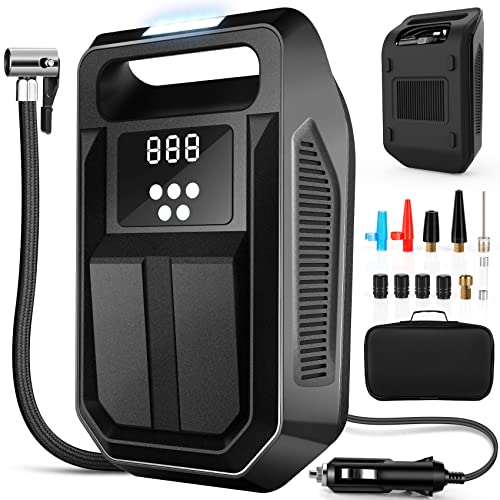
A flat or a soft tire never happens at a convenient time, and that is exactly why so many drivers keep a tire inflator in the trunk or glovebox. The best portable tire inflator for your vehicle depends less on brand hype and more on how you plan to use it: quick top-offs before a road trip, emergency repairs on the shoulder of a highway, or routine maintenance on a driveway. Some models plug into your car's 12V outlet, others run on a rechargeable battery, and a few offer both. Before you buy, it helps to understand what actually separates a reliable unit from one that leaves you second-guessing your tire pressure. This guide walks through the features, tradeoffs, and mistakes worth knowing first.

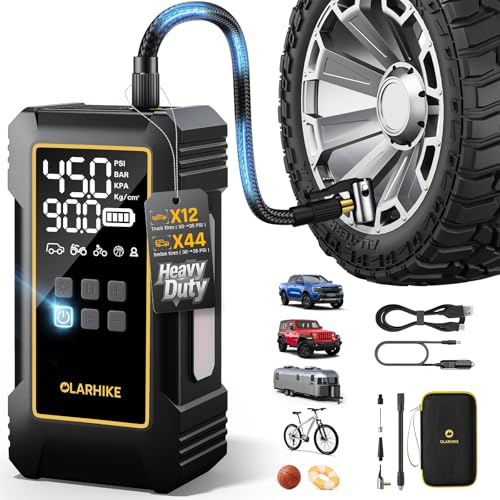
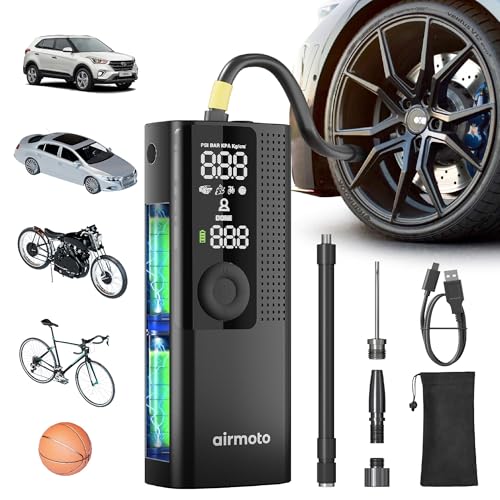
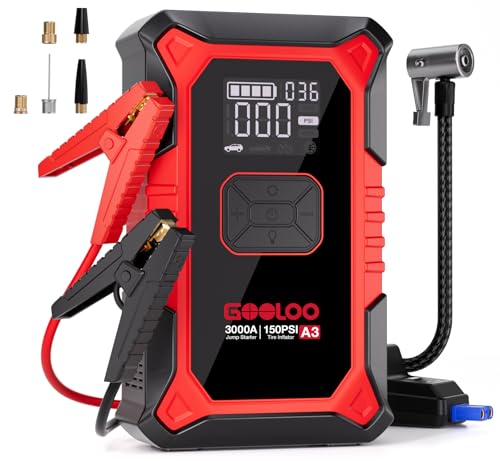


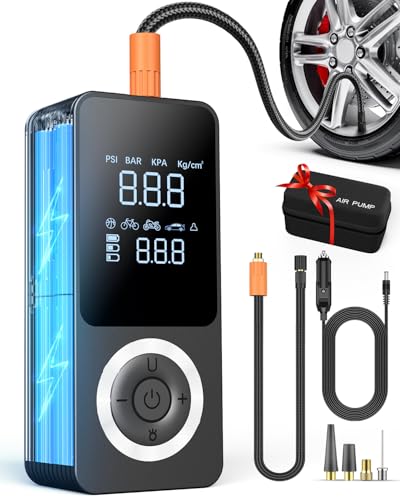

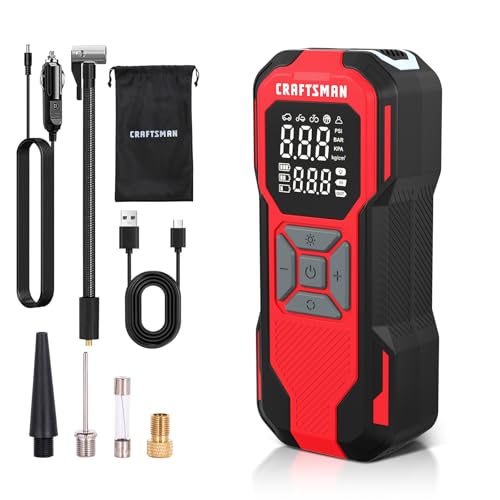
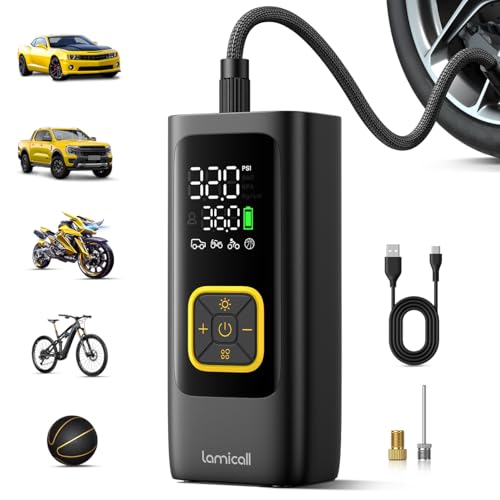
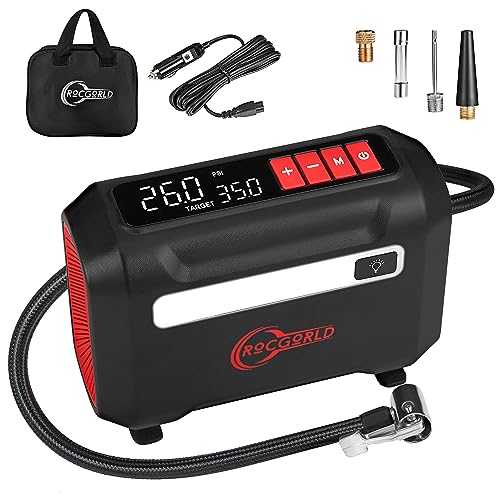
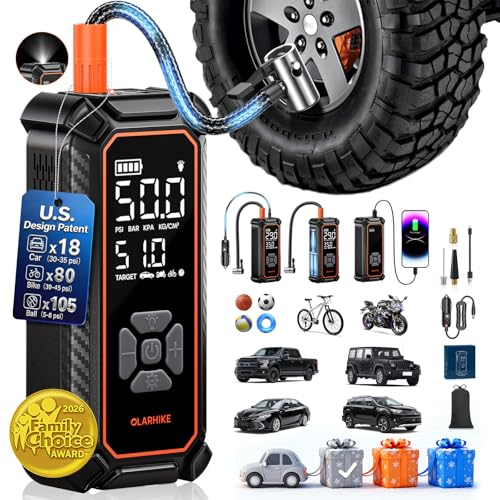
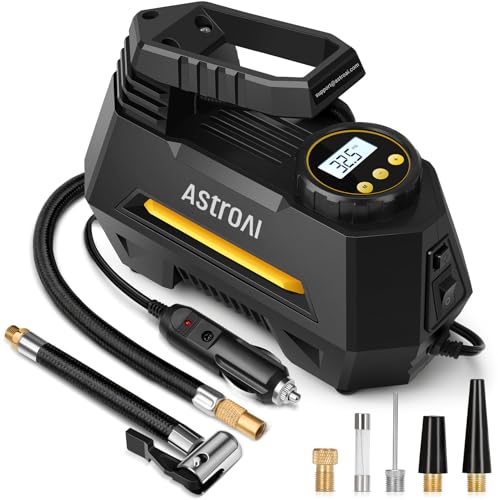
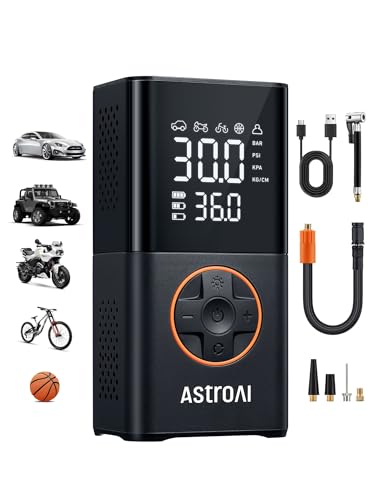
Power Source: 12V Outlet, Cordless Battery, or Both
The power source is usually the first fork in the road when choosing an inflator. Each option has a different relationship to your vehicle's battery, your patience, and how far you can walk from the car while it works.
When a 12V Plug-In Model Makes Sense
A 12V model plugs into your car's power outlet and draws power directly from the engine, which means it will not run out of charge mid-tire. The tradeoff is the cord itself: most units have a cable long enough to reach all four tires, but you are still tethered to the car. If you run the inflator with the engine off for more than a few minutes, you risk draining the battery, so it is worth starting the engine before you begin.
When a Cordless Battery Model Makes Sense
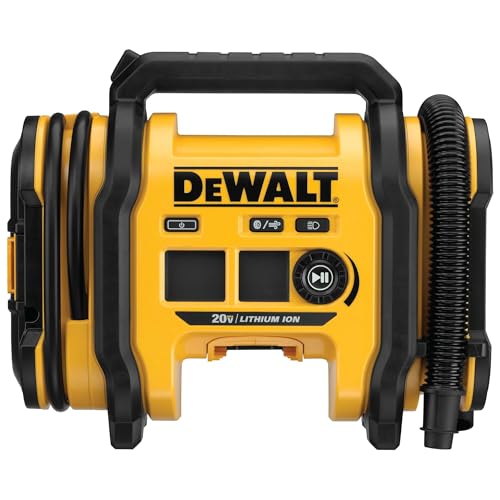
A cordless, battery powered version lets you walk freely around the vehicle, which matters if you are inflating a trailer tire, a bike tire, or something parked away from the car entirely. The catch is runtime: a heavy job like refilling a tire from nearly flat can drain a charge faster than topping off pressure that only dropped a few PSI. If you go cordless, check the battery level before a long trip rather than assuming it is ready.
Pressure Accuracy and Inflation Speed You Can Trust
Two features decide whether an inflator earns your trust after the first use: how accurate the built-in gauge is, and how quickly it gets a tire to the right pressure.
Why Gauge Accuracy Varies So Much
Built-in gauges are convenient, but they are not all equally precise. Some units drift a few PSI off from a dedicated pressure gauge, which matters more than it sounds since even a small difference affects handling and tire wear. A digital pressure gauge with a clear readout tends to be easier to judge than an analog dial, and a model with an auto-shutoff feature that stops at your target PSI removes some of the guesswork entirely.
What Determines How Fast It Fills a Tire
Inflation speed depends on the motor's airflow output, not just its PSI rating. A small unit built for topping off pressure might take ten minutes or more to fill a tire from empty, while a more powerful compressor can finish the same job in a few minutes. If you mostly need quick top-offs, speed matters less. If you are dealing with a fully flat tire on the roadside, a faster unit saves real time.
Compact Emergency Kits vs Higher-Capacity Inflators
Not every inflator is built for the same job, and the size difference usually tells you which category you are looking at.
- A compact, keychain-sized unit is meant to live in a glovebox or emergency kit. It is light, inexpensive, and good enough to get a soft tire to a safe pressure so you can drive to a shop, but it is not built for repeated heavy use or larger tires.
- A higher-capacity inflator, usually larger and a bit heavier, is built for trucks, SUVs, trailers, or anyone who airs down for off-road driving and needs to air back up regularly. These models tend to inflate faster and handle bigger volumes of air without overheating.
If you only need occasional roadside backup, the compact style is plenty. If you tow a trailer or drive off-road often, the extra capacity earns its keep.
What a Reasonable Price Range Buys You
Portable tire inflators span a wide range of prices, and the difference usually comes down to power, accuracy, and build quality rather than brand name alone.
At the lower end, you get a basic unit that plugs into the 12V outlet, inflates slowly, and includes a simple gauge. That is enough for occasional emergency use.
Spending more typically buys a faster motor, a more accurate digital gauge, auto-shutoff, and sometimes a battery option in addition to the 12V cord. It may also mean a sturdier housing that holds up to being tossed in a trunk repeatedly. Very few drivers need the most expensive option available; match the spend to how often you will actually use the inflator, not to the longest feature list.
Mistakes That Leave You Stranded With a Soft Tire
A few avoidable mistakes are behind most of the frustration people report with these tools.
Trusting an inaccurate built-in gauge without ever double-checking it is the most common one. If your inflator's reading does not match a separate gauge or the number on your tire's sidewall, get it checked before you rely on it for anything beyond a rough estimate.
Buying an underpowered unit for the vehicle you actually drive is another common gap. A small unit meant for a sedan can struggle on a truck or SUV tire, taking far longer than expected and sometimes overheating before it finishes.
Finally, letting the battery sit dead in a cordless model, or leaving a 12V unit unused for months without testing it, means finding out it does not work at the worst possible time. Whichever version of the best portable tire inflator you choose, test it occasionally so it is ready when you actually need it.
Frequently Asked Questions
How long does a portable tire inflator take to fill a tire?
It depends on the tire's starting pressure and the unit's airflow. Topping off a tire that lost a few PSI usually takes a couple of minutes, while filling a tire from nearly empty can take ten minutes or more with a smaller unit.
Is a cordless or 12V tire inflator better?
Neither is universally better. A 12V model offers unlimited runtime as long as the engine is running, while a cordless model offers more freedom to move around the vehicle but depends on battery charge.
How accurate are the gauges on portable tire inflators?
Accuracy varies by model. Built-in gauges are convenient but can be off by a few PSI compared to a dedicated gauge, so it is worth double-checking an inflator's reading against another source occasionally.
Will using a 12V inflator drain my car battery?
It can, if you run it with the engine off for an extended period. Starting the engine before use protects the battery, especially for larger tires that take longer to fill.
What PSI can a portable tire inflator reach?
Most consumer models reach somewhere between 100 and 150 PSI, which is far beyond what a passenger tire needs but useful for other inflatables like sports balls or air mattresses.
Can a portable tire inflator work on a completely flat tire?
Yes, most units can fill a tire from flat, though it takes noticeably longer than a routine top-off and works best with a model that has enough airflow for the tire size.
Can I use a tire inflator for bike tires or sports equipment?
Yes. Most inflators come with adapter nozzles that work on bike tires, pool toys, and sports balls in addition to vehicle tires.
Getting the Right Inflator for Your Trunk or Glovebox
Choosing the best portable tire inflator comes down to matching power source, accuracy, and capacity to how you actually drive. A compact 12V model covers most emergencies, while a higher-capacity or dual-power unit makes sense if you tow, off-road, or simply want faster results. Whichever you pick, test it before you need it so it does not let you down on the road.