Best Portable Air Compressor for Car: Complete Buying Guide

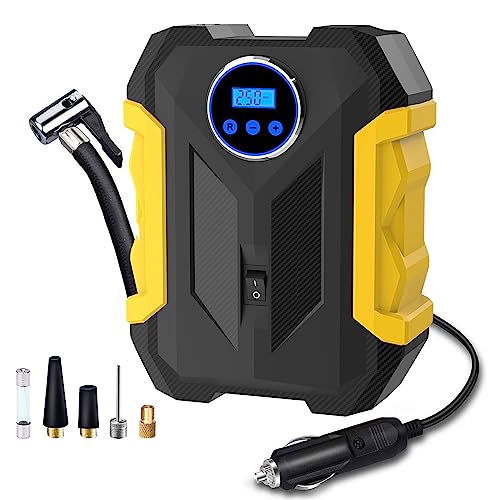
A tire warning light almost never comes on at a convenient moment. Maybe it's a slow leak you notice in a grocery store lot, or a tire that looks a little soft before a road trip. This is exactly the gap the best portable air compressor for car tires is built to fill: a small unit that plugs into your 12V accessory socket, lives in the glovebox or trunk, and gets a tire back to spec without a trip to the gas station. It is not a shop compressor and it is not meant to run air tools. Its whole job is airing up tires, quickly and accurately, wherever your car happens to be parked. Here is what actually separates a unit worth keeping in the car from one that will let you down the one time you need it.

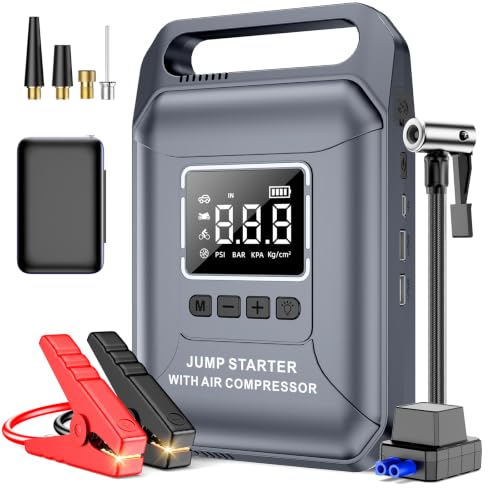
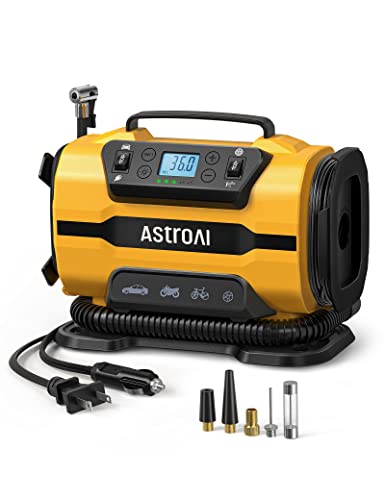
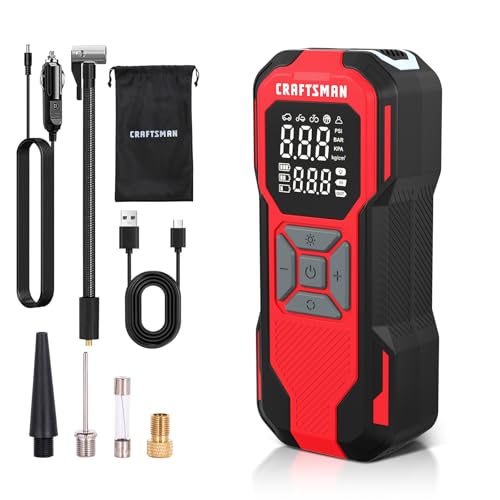
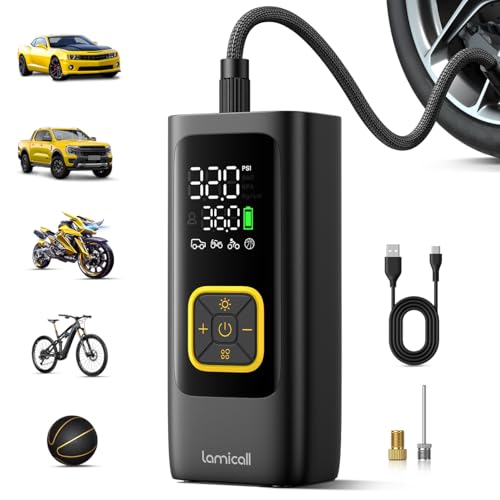
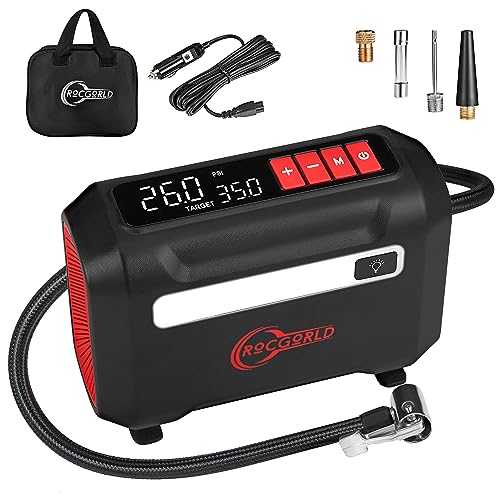
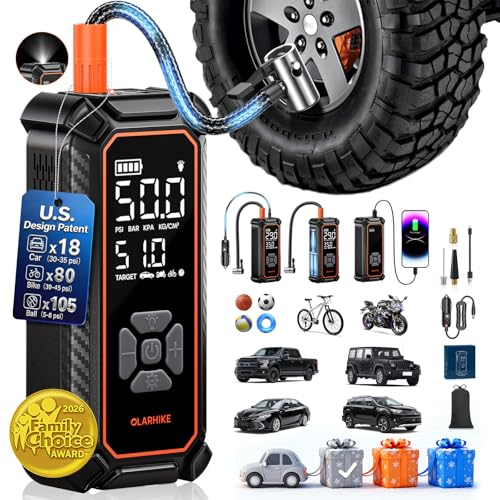
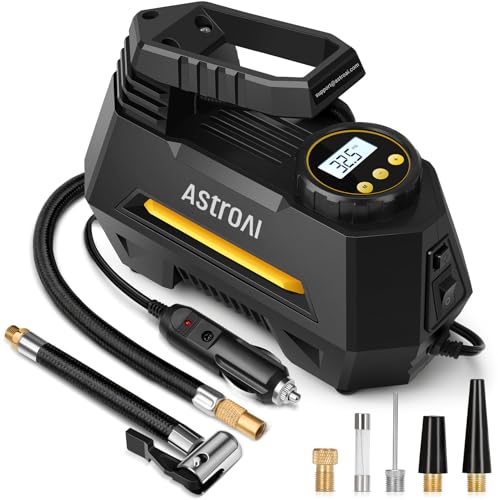
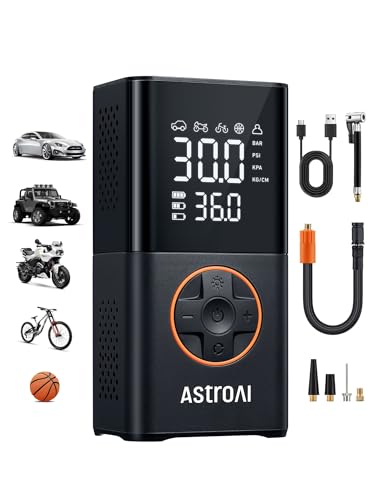
How Fast a 12V Compressor Actually Fills a Tire
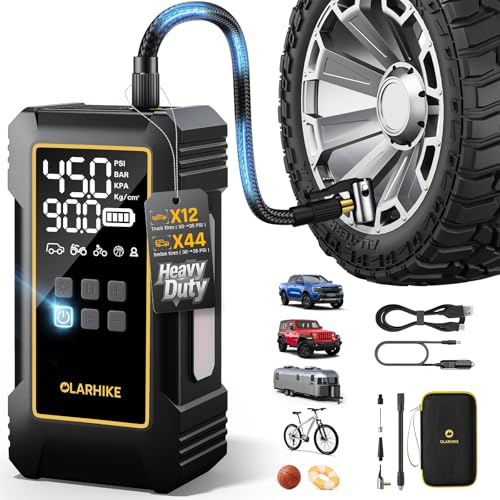
Marketing copy loves to lead with maximum PSI, but that number tells you almost nothing about how long you will be standing on the shoulder of a road waiting for a tire to fill. Airflow, listed as CFM or liters per minute, is the spec that actually predicts fill time. Budget 12V plug-in units moving around 30 to 50 liters per minute typically bring a standard passenger tire from flat to 35 PSI in roughly five to six minutes. Faster units marketed for topping off rather than full reinflation can finish a partially low tire in under a minute, but that number usually assumes the tire only needs a few PSI, not a full refill from empty.
Passenger car tires only need 30 to 35 PSI, so a compressor rated for 100 PSI maximum has plenty of headroom. If you also air up a truck, SUV, or trailer tire from time to time, look closer to 150 PSI so the motor is not working at its limit on every use. When a listing skips CFM entirely and only advertises max PSI, treat that as a gap in the spec sheet, not a good sign. Duty cycle matters too: a unit rated to run continuously for only a few minutes at a time may need a short cooldown before it can tackle a second tire, which is worth knowing before you are stuck airing up all four on a cold morning.
Cigarette Lighter Socket Limits: Fuses, Amps, and Battery Drain
This is the part that trips up more drivers than any other, and it is specific to plug-in units rather than something a shop compressor ever has to deal with. Most cigarette lighter and accessory sockets are protected by a 10 to 15 amp fuse, but a compressor working hard to fill a nearly flat tire can pull 20 amps or more. The result, reported repeatedly across mechanic forums and owner threads, is a blown fuse mid-inflation, sometimes on the very first use. It is rarely a defective unit; it is usually just more current than that particular socket circuit was built to pass continuously.
A few habits keep this from happening. Run the engine while inflating rather than relying on battery power alone, since idling keeps voltage steady and reduces the amp draw needed to do the same work. Avoid running the compressor well past the time it should reasonably take, since a stalled or struggling motor draws more current than one working normally. If you drive an older vehicle and plan to inflate more than one tire in a sitting, keep a spare fuse of the correct rating in the glovebox; it is a five-minute fix instead of a call for roadside help. Running the compressor with the engine off for several minutes can also pull the battery down further than most drivers expect, so keep sessions short if the engine is not running.
Digital Gauge Accuracy and Auto-Shutoff
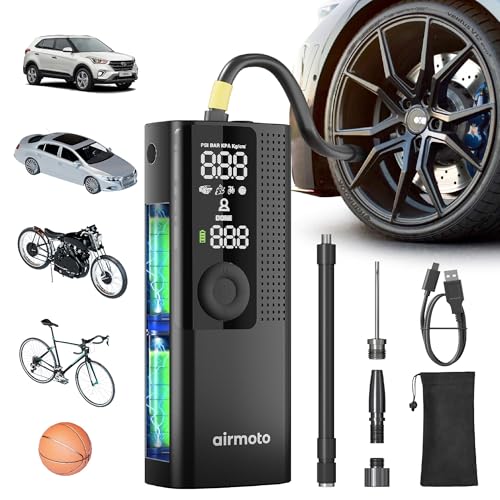
A compressor that fills a tire quickly is not useful if you cannot trust the number it shows you. Digital gauges are generally easier to read precisely and often come with a stated accuracy, such as plus or minus 1 PSI, which matters more than it sounds like it should. A gauge that reads a few PSI off in either direction can leave a tire underinflated enough to affect handling and tire wear, or overinflated enough to make the ride harsher than it needs to be. Analog dial gauges are simpler and rarely fail outright, but they are harder to read precisely and almost never lit for nighttime use.
Auto-shutoff is the feature that turns gauge accuracy into something you do not have to babysit. Set a target PSI, start the compressor, and it stops on its own once the tire reaches that number, rather than relying on you to watch a display in the dark or in bad weather. Cheaper units are more likely to overshoot the target slightly or shut off a touch early, so if a listing specifically states its shutoff accuracy, that is a meaningful detail rather than filler copy. It is still worth double-checking the reading with a separate handheld gauge every so often, the same way you would with any tool that matters for safety, since even a good gauge can drift after months of use in a hot glovebox.
12V Plug-In vs Cordless Battery Inflators
The two dominant formats solve slightly different problems, and picking the wrong one for how you actually drive is a common source of buyer's remorse. A 12V plug-in model draws continuous power straight from the car, so as long as the engine is running, it will not run out of energy partway through a job. That makes it the more dependable choice for a fully flat tire or for airing up more than one tire in a single stop. The tradeoff is the fuse and battery-drain issues covered above, plus the practical limit of needing the car itself to work.
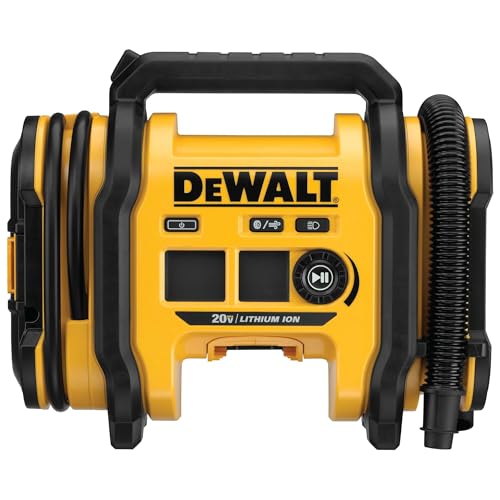
Cordless battery units run on an internal rechargeable pack, so they work away from the vehicle entirely, useful for a bike tire in the driveway or a trailer tire at a campsite. They tend to shine at quick top-offs but can struggle, or run out of charge, on a tire that needs a full refill from flat. If cordless convenience matters more to you than raw fill speed on a dead-flat tire, it is worth comparing dedicated cordless tire inflators directly against the 12V plug-in style covered here before you decide. Some manufacturers sell dual-power versions that include both a car cord and a battery pack, which cost more but remove the tradeoff entirely.
Frequently Asked Questions
What PSI should I actually use for my car's tires?
Check the sticker inside the driver's door jamb, not the number molded into the tire's sidewall. The door sticker lists the manufacturer's recommended pressure, usually 30 to 35 PSI for most passenger cars, while the sidewall number is only the tire's maximum safe pressure.
Why did my cigarette lighter fuse blow while inflating a tire?
Most accessory sockets are fused around 10 to 15 amps, and a compressor working on a nearly flat tire can briefly pull more than that. Keeping the engine running and not letting the compressor run far past its normal fill time both reduce how often this happens.
Do I need to leave the engine running to use a 12V inflator?
It is a good habit. Running with the engine off for several minutes to fill multiple tires can pull the battery down noticeably, especially on older vehicles, while a running engine keeps voltage steady and the job finishes faster.
How accurate are the gauges on these units, really?
It varies by model, which is why a stated accuracy figure, such as plus or minus 1 PSI, is worth looking for on the product listing. Digital gauges are generally easier to read precisely than analog dials, and both types can drift over time with heavy use.
Can a portable compressor fix a tire that will not hold air?
No. If a tire is punctured or damaged badly enough that it keeps losing pressure after being filled, it needs a patch, plug, or replacement rather than repeated topping off. In that situation you may end up needing a set of floor jacks to swap in a spare instead.
Is a 12V plug-in or a cordless battery inflator better for a car?
A 12V plug-in tends to be the more dependable choice for a fully flat tire since it draws continuous power from the running engine. A cordless model is more convenient for quick top-offs and can be used away from the car entirely.
Keeping One Ready for the Next Flat
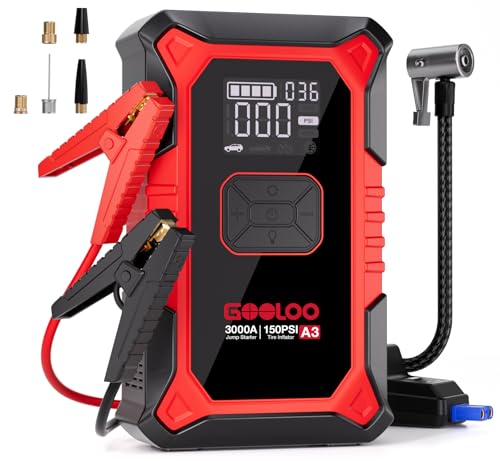
The best portable air compressor for car tires is the one that is actually in the car when a warning light comes on, not the one sitting in a garage drawer at home. Prioritize real CFM numbers over max PSI claims, understand the fuse and battery limits of your accessory socket, and pick a gauge you trust enough to walk away from once auto-shutoff kicks in. Store it somewhere you will remember, alongside other roadside basics like a jump starter or a compact trunk vacuum, so the whole kit is grab-and-go the next time a tire needs air.