Best Affordable Washer and Dryer Sets 2026: Guide
Disclosure: We may earn a commission when you buy through links on this page, at no extra cost to you. As an Amazon Associate I earn from qualifying purchases. Learn more
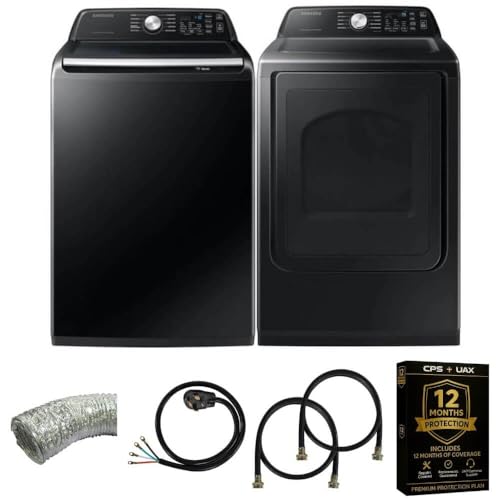
Pick affordable washer and dryer sets that fit your space and laundry load, with tips on capacity, efficiency, and installation needs before you buy.
Laundry day runs smoother when washer and dryer match in capacity, size, and features, and a set makes that matching simple. If you want the best affordable washer and dryer sets, capacity and installation requirements matter more than cycle count. The comparison table below gives a quick overview, while this guide explains how to choose a set for your home and household.
Sets vary in loading style, venting, and size, and those differences decide whether the pair fits your laundry room at all. A dryer that needs venting cannot go where a ventless model can, and a washer too large for your doorways creates delivery headaches. This guide covers measurements and household needs before features, so your set actually works in your home.



Who Should Buy Them
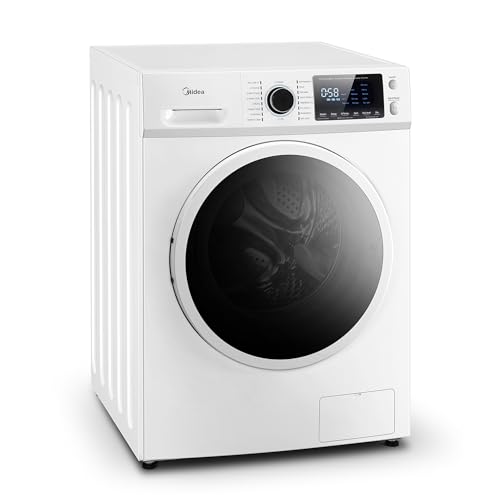
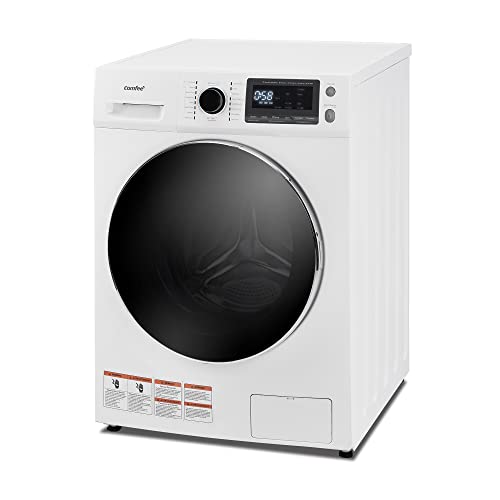
Washer and dryer sets suit families, couples, and households doing regular laundry loads. They are ideal when replacing both machines together or furnishing a new laundry room. If you rarely do laundry or live alone with limited space, a single combination unit may suit better. For regular household laundry, a matched set offers capacity and convenience.
Key Features of the Best Affordable Washer and Dryer Sets
Compare washer and dryer sets on the practical points that decide cleaning, drying, and running costs.
- Capacity match. Washer and dryer capacities should align, so a full wash load dries in one dryer cycle.
- Energy efficiency. Efficient models save water and electricity over years, which matters for frequent laundry.
- Loading style. Front loaders usually use less water, while top loaders offer easier loading for some users.
- Venting type. Vented dryers need an outside vent, while ventless models offer placement flexibility.
- Cycle options. Useful cycles include quick wash, delicates, and bulky items, while obscure cycles add little value.
Types and Options
Washer and dryer sets come in a few configurations, each with its own space and installation needs.
- Side by side sets. Separate machines beside each other, the most flexible layout for larger laundry rooms.
- Stacked sets. Dryer above washer, ideal for closets and small laundry areas.
- Combination units. One machine that washes and dries, best for very small spaces and light loads.
- Top load pairs. Traditional top loading washers paired with matching dryers, familiar and often affordable.
How to Choose the Right One
Measure doorways, laundry room dimensions, and vent and water connections before shopping. Check electrical requirements too, since dryers often need a dedicated circuit or gas connection. Think about weekly load size: families need larger capacities, while smaller households can save money and space with compact models. Noise matters if laundry sits near bedrooms.
Consider who does laundry and how: front loaders need bending, while top loaders need reaching. The product table lets you compare capacity and dimensions side by side. Plan delivery access as well, since large machines through narrow doors cause delays. If installation needs gas or vent work, budget for professional help.
For a related guide, see best washer and dryer sets. For a related guide, see best washer & dryer sets. For a related guide, see best electric washer and dryer sets. For a related guide, see best stackable washer and dryer sets. For a related guide, see best washer and gas dryer sets.
Budget and Long Term Value
Affordable washer and dryer sets often cost from about $800 to $1,500 for the pair, with efficient models higher. Spending more usually buys larger capacity, quieter operation, and better efficiency. Energy and water savings over years can offset a higher upfront price for frequent users. Include delivery and installation costs in the total, since they vary widely.
Everyday Use and Care
Clean washer seals and dispensers regularly to prevent odour and mould. Empty lint filters after every dryer load, since lint buildup harms efficiency and safety. Check hoses yearly for cracks and replace them before they fail. Leave washer doors ajar between loads to dry the drum, and wipe dryer vents periodically.
Mistakes to Avoid
- Buying machines that do not fit doorways or laundry connections.
- Mismatching washer and dryer capacities, so drying takes two cycles.
- Ignoring venting and electrical needs until delivery day.
- Skipping lint filter cleaning, which harms drying and safety.
Getting the Most From Your Choice
Laundry runs best as a household system, including sorting, stain care, and drying habits, not just machine choice. Sort by colour and fabric, treat stains promptly, and avoid overloading, which reduces cleaning and strains machines. Use appropriate temperatures for fabrics, and dry clothes promptly to prevent odour. Good habits protect clothes, save energy, and extend machine life far beyond any single feature.
Think about laundry across household changes, because family size, work clothes, and bedding needs evolve. A set with flexible capacity and useful cycles adapts better than one bought for a single moment. Consider noise if laundry sits near living spaces, and plan maintenance like hose checks and lint cleaning as routine tasks. Machines chosen for the long term serve changing households gracefully.
Questions to Ask Before You Order
Before ordering, measure every doorway and connection, confirm electrical and venting needs, and check capacity against your largest loads. Ask about delivery, installation, warranty, and energy costs for your usage level. These questions prevent delivery day surprises and ensure the set works in your home from the first load.
- Do machines fit doorways, space, and connections?
- Does capacity handle bedding and family loads?
- Are venting and electrical needs covered?
- What do delivery and installation cost?
Long Term Value
When you judge long term value, look beyond the purchase price to how washer and dryer set holds up under daily use. Drum, motor, and seal quality decide whether laundry stays reliable through years of weekly loads. A product that needs frequent replacement or repair quickly costs more than a slightly pricier alternative that lasts. Check warranty length, availability of spare parts, and how easily the item can be cleaned or serviced at home. These practical details decide whether a budget buy stays a bargain or becomes a repeated expense over the years you own it.
Total cost includes hoses, filters, and energy and water costs, and planning for those costs avoids surprises. Efficient models save running costs over years, which can outweigh a higher purchase price for frequent users. Set aside a small amount for upkeep from the start, and compare that total against the next price tier rather than judging the sticker alone. Often the middle option costs less over three years than the cheapest one, because it avoids early replacement and performs better throughout its life.
Know when to upgrade rather than repair. If repairs approach replacement cost, leaks recur, or efficiency falls despite maintenance, replacement makes sense. Until then, regular care and timely small fixes extend life considerably. A thoughtful owner gets far more value from a mid priced washer and dryer set than a careless owner gets from a premium one, so habits matter as much as hardware.
- Check warranty length and spare part availability before buying.
- Budget for upkeep costs from the first year, not as an afterthought.
- Compare total ownership cost across price tiers, not sticker price alone.
Frequently Asked Questions
What capacity do I need?
Capacity depends on household size and laundry frequency. Smaller households often manage with compact models, while families need larger drums for bedding and bulk loads. A washer that handles your largest regular load, such as bedding, avoids extra cycles. Match dryer capacity to washer capacity for smooth laundry days.
Are front loaders better than top loaders?
Front loaders usually use less water and energy and clean gently, while top loaders offer easier loading and faster cycle additions. Neither suits everyone. Choose by water costs, physical comfort, and space, rather than by trend alone. Both styles clean well when used correctly.
Do I need a vented dryer?
Vented dryers need an outside vent to expel moist air, while ventless dryers condense moisture internally and offer placement flexibility. Ventless models suit apartments and closets without vent access, though drying may take longer. Check your laundry space before choosing a dryer type.
How can I save energy on laundry?
Wash full loads in cold water when possible, use efficient cycles, and dry with clean lint filters and appropriate heat settings. Avoid over drying, which wastes energy and wears clothes. Efficient machines help, but habits like full loads and cold washes save energy on any set.
When should hoses and vents be checked?
Check washer hoses yearly for cracks, bulges, and loose connections, and replace them every few years or at the first sign of wear. Clean dryer vents regularly to prevent lint buildup, which harms efficiency and raises fire risk. If you smell gas near a gas dryer, leave the area and call a professional promptly.
Final Thoughts
The best affordable washer and dryer sets are the ones that fit your space, match your laundry load, and run efficiently for years. Measure first, match capacities, and plan installation carefully. Laundry chosen well becomes a quiet background task rather than a weekly frustration.