
Best Airtight Bread Box in 2026: Buying Guide for Fresher Loaves
Disclosure: We may earn a commission when you buy through links on this page, at no extra cost to you. As an Amazon Associate I earn from qualifying purchases. Learn more

The best airtight bread box seals flush and fits your loaf and counter. Compare gasket, clamp lid and hinged styles.
Picture a Saturday morning loaf that was soft on Thursday and already dry at the edges by the weekend. That quick slide from fresh to stale is usually about air moving in and out of storage, not about the bread itself. Choosing the best airtight bread box for your home comes down to your counter space, how many people eat bread each day, and what you can spend. The product table lists current options so you can match a box to your routine.
For broader storage ideas, start with our guide to the best bread box. This guide stays focused on sealed boxes that slow moisture loss and keep outside odors away from your loaf.


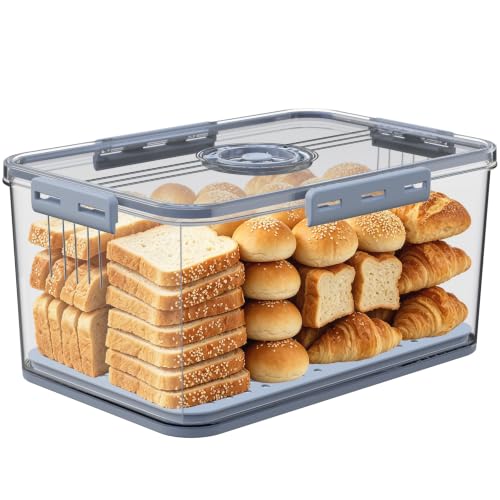


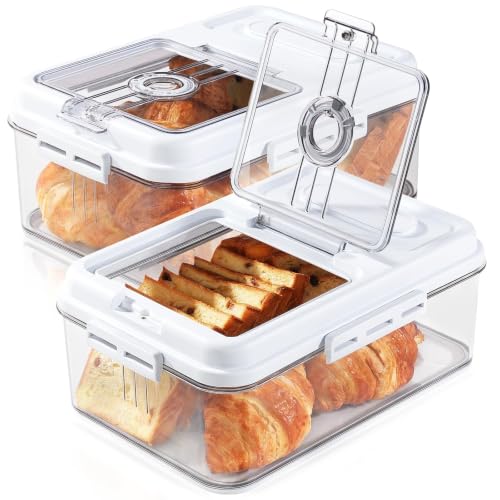

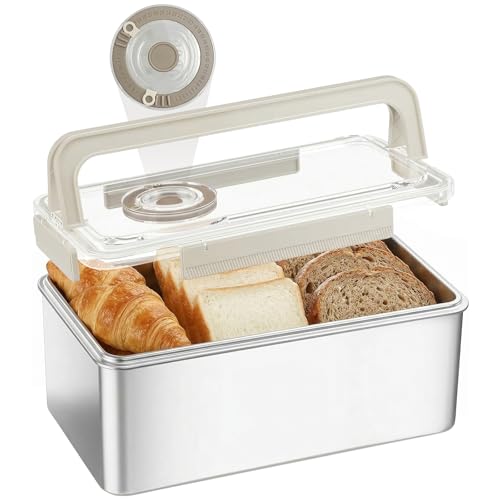
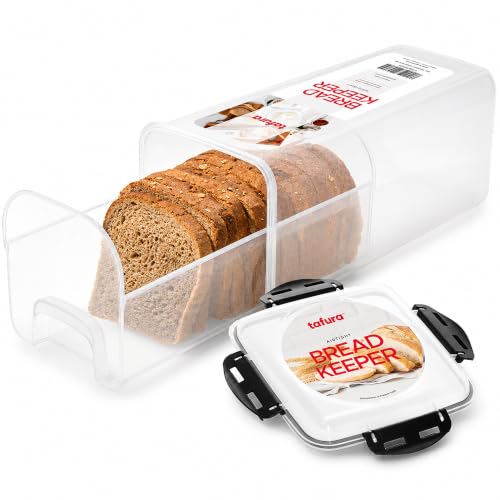

Quick Answer: The Main Types in 30 Seconds
Three sealed styles cover most homes. A compact gasket lid box suits one or two people with a small counter. A large clamp lid box holds family loaves and rolls together. A roll top or hinged lid box with a sealing edge gives easy daily access when several people open it often.
- Compact gasket lid box: best for small kitchens and a single standard loaf.
- Large clamp lid box: best for families, batch baking, and mixed breads.
- Hinged or roll top sealed box: best for busy counters where the lid opens many times a day.
Before You Buy: A Quick Checklist for Choosing a Bread Box
Work through size, material, features, seal quality, safety, and budget before you look at styles. A box that fits your counter but not your loaf will annoy you daily, and a roomy box with a loose lid will not protect bread either.
Size: Match It to Your Space
Measure the counter footprint first, including the space the lid needs to open without hitting cabinets above it. Then measure your usual loaf, since tall bakery rounds and long sandwich loaves need very different interiors. A small box holds one standard loaf, a large box holds two loaves or a loaf plus rolls, and an extra large box suits batch baking days. Leave a little spare room inside, since cramming bread in can crush the crust and bend the lid out of line.
Which Type Fits Your Routine
Wood and bamboo boxes feel at home in warm, traditional kitchens and hide crumbs well, but the seal depends heavily on how precisely the lid is made. Stainless steel and other metal boxes wipe clean fast and suit modern counters. Enamel and ceramic styles add weight and a farmhouse or vintage look, though they can chip if knocked. If a classic timber look appeals to you, compare the best wooden bread box options, then check each lid for a sealing strip before you decide.
Features Worth It (and Ones to Skip)
A lid that doubles as a cutting board earns its keep in a small kitchen, since you slice right where you store. A small window helps you see when supplies run low without opening the box and letting air in. Vent controls can help crusty loaves keep some texture. Skip extras you will never use, such as fancy racks for a household that only stores one loaf, or a huge viewing panel on a box that sits in bright sun, since light can warm the interior.
Airtight Seal and BPA Free Materials
The seal is the whole point of this category. Look for a continuous gasket, a clamp, or a lid edge that sits flush all the way around, with no visible gaps at the corners. Press the lid closed and check that it does not rock or slide. For plastic parts that touch food, look for a clear BPA free label and food grade material notes from the maker. Glass, steel, and wood avoid that question for the main body, though their gaskets are usually silicone or rubber.
Freezer, Microwave, and Oven Safety
Most bread boxes are counter storage only, and that is fine for daily use. Do not assume a box or its lid can go in the freezer, microwave, or oven unless the maker states it plainly for that exact part. Metal and wood should never go in a microwave, and gaskets can warp with oven heat. If you freeze bread often, slice it first and use freezer bags or wrap for the freezer, then move thawed slices to the box for the day.
Realistic Budget Ranges
About $30 or less usually buys a simple compact box with a basic lid fit, fine for a single loaf and a tight budget. About $30 to $50 is where seals get more consistent and materials feel sturdier, which suits most homes. At about $100, you are paying for larger capacity, heavier steel or ceramic, and finer lid work. Spend for seal quality and size first. Decorative finishes add cost without keeping bread fresh for longer, so treat them as a style choice, not a freshness upgrade.
Three Types Compared: How to Choose Without Guesswork
Instead of chasing a single winner, match the type to your household, weighing capacity, access, and upkeep against your own routine.
Compact Gasket Lid Boxes for Small Households
A compact box with a soft gasket suits one or two people who buy or bake a single loaf at a time. It takes little counter room, the lid lifts straight off, and there is less trapped air inside around a small loaf. The limit is obvious: a tall round loaf or a pack of rolls may not fit beside the main loaf. Choose this type if your kitchen is small and you shop for bread often in modest amounts.
Large Clamp Lid Boxes for Families and Bakers
A large box with clamping edges seals firmly and holds a family supply, which matters when the box opens at breakfast, lunch, and snack time. If you bake your own loaves each week, our guide to the best bread box for homemade bread covers cooling and crust care in more depth. Let homemade bread cool fully before sealing it in, since trapped steam softens crust and can leave condensation on the lid. Capacity is the strength here, so confirm the footprint before ordering.
Hinged and Roll Top Sealed Boxes for Easy Daily Access
A hinged lid or roll top design opens with one hand and stays attached, which helps when kids serve themselves or your hands are full. The trade off is the moving edge, where crumbs can collect and break the seal over time. Wipe that edge often and check that the front closes flush. This type suits busy family counters where convenience matters as much as storage, as long as you keep the sealing surfaces clean and the lid aligned.
What to Judge in an Airtight Bread Box
Judge any box on five points: seal and freshness, materials, capacity and fit, cleaning, and value for the price. Seal comes first, since a loose lid turns an airtight claim into plain counter storage. Materials decide weight and care, capacity must fit your real loaf, and cleaning matters because crumbs build up fast. Value means paying for those points, not for decoration alone.
Strengths and Limits of Airtight Boxes
A good sealed box slows staling, shields bread from cooking odors, and keeps counters tidy without plastic wrap on every loaf. In dry homes or heated winter kitchens, that protection is easy to notice after two or three days. Sealed storage also keeps curious pets and kitchen dust away from food, which a loose bag on the counter cannot do.
The downside is crust. Very crusty loaves, especially sourdough, can lose some crackle in a fully sealed space as moisture from the crumb softens the outside. If that texture matters most to you, read our guide to the best bread box for sourdough for storage that balances crust and moisture. Airtight boxes also need regular emptying and wiping, since a sealed space can hold stale smells if old crumbs sit inside for weeks.
Common Buying Mistakes to Avoid
- Guessing the size: a box that is too small crushes loaves, and one that is too large may not fit under your cabinets.
- Trusting the word airtight alone: a lid with corner gaps lets air move freely, so the claim means little without a gasket or clamp.
- Sealing warm bread: steam trapped inside softens crust and leaves moisture that shortens storage life.
- Paying for unused extras: windows, boards, and racks only help if your routine actually uses them each week.
- Ignoring lid clearance: a tall hinged lid that hits a cabinet will chip paint and discourage daily use.
Cost of Ownership and Care
A bread box has no running cost, but small upkeep keeps it working well. Gaskets can flatten or crack after years of use, and some makers sell replacements for a modest cost. Budget a few minutes each week rather than money, and the box should serve for years without special products or tools.
Empty the box, shake out crumbs, and wipe the interior with a damp cloth, then let it dry fully with the lid open before refilling. For the full routine by material, see how to clean a bread box. Avoid soaking wood or bamboo, since water can swell the lid and ruin the fit. Check the gasket monthly for crumb buildup along the corners, where small gaps tend to start.
FAQ
How do you clean an airtight bread box without damaging the seal?
Remove the gasket gently if it comes off, and wash it in warm water with a small amount of mild soap, then dry it fully before refitting. Never scrub the gasket with rough pads, since tiny cuts can stop it sealing flush. Wipe metal or plastic bodies the same way, and keep water away from wooden lids beyond a damp cloth. Let every part air dry with the lid open, since closing a damp box invites stale odors.
Is an airtight bread box worth it for store bought sliced bread?
Yes, if your household takes several days to finish a loaf and your kitchen runs dry or warm. Sliced bread exposes more surface to air than a whole loaf, so it dries out faster once the bag is open and loosely twisted shut. A sealed box gives it a more stable space. If you finish a loaf in one or two days, the gain is small, and a simple box or the original bag may serve you just as well.
How long does an airtight bread box last?
The body of a steel, ceramic, or solid wood box can last well beyond five years with basic care. The part that ages first is the sealing edge: gaskets compress, hinges loosen, and roll top tracks wear. A box that no longer closes flush has lost its main benefit even if it still looks fine. Check the lid fit once or twice a year, and replace a worn gasket if the maker offers one before you replace the whole box.
Can an airtight bread box keep bread fresh in a humid kitchen?
It helps by keeping extra kitchen moisture and odors out, but it cannot fix bread that went in damp. In humid homes, cool loaves fully, avoid sealing bread while it is still warm, and open the box briefly each day so stale air escapes. If mold appears often, store smaller amounts, freeze the extra slices, and keep only what you will eat in two or three days inside the box on the counter.
What size airtight bread box fits a standard sandwich loaf?
Most standard sandwich loaves need an interior a little longer than the loaf itself, with enough height for the domed top to clear the lid. As a rough guide, look for an inside length of about 12 to 13 inches and a height near 6 inches, then confirm against the loaf you buy most often. Artisan rounds need more width and less length, so measure your usual bread rather than relying on the word standard on a listing.
Final Thoughts
The right choice is the box whose seal you trust, whose size fits your counter and your loaf, and whose style you enjoy using daily. Compact gasket boxes suit small homes, large clamp lid boxes suit families and bakers, and hinged designs suit busy counters. Whichever type you pick from the product table above, the best airtight bread box is the one that closes flush every time and keeps your bread tasting fresh through the week.


