
Best BPA Free Meal Prep Containers: Sizes, Seals and Types (2026)
Disclosure: We may earn a commission when you buy through links on this page, at no extra cost to you. As an Amazon Associate I earn from qualifying purchases. Learn more

Best BPA free meal prep containers guide to plastic, glass and divided sets, lid seals, heat limits and pack sizes.
Sunday afternoon in a busy home kitchen often ends the same way. A pot of rice, a tray of chicken, and a pile of chopped vegetables all need a home, but the cabinet holds mismatched boxes and lids that fit nothing. Choosing the best bpa free meal prep containers for your household comes down to your fridge space, the number of people you feed, and your budget.
This guide covers sizes, materials, seals, and safety ratings in plain terms, then compares the main types side by side. Use the product table to scan the options fast, and for the wider category view, start with our guide to best meal prep containers.



Quick Answer: Three Types in 30 Seconds
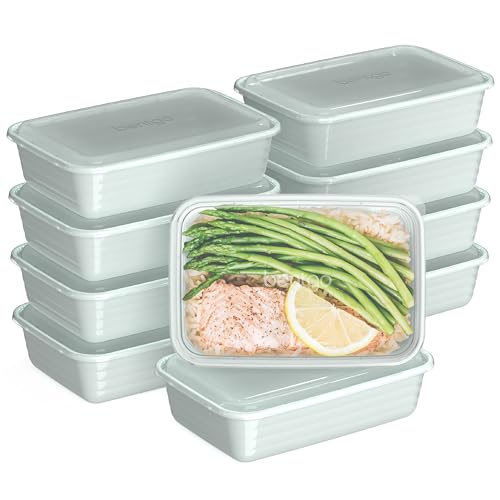
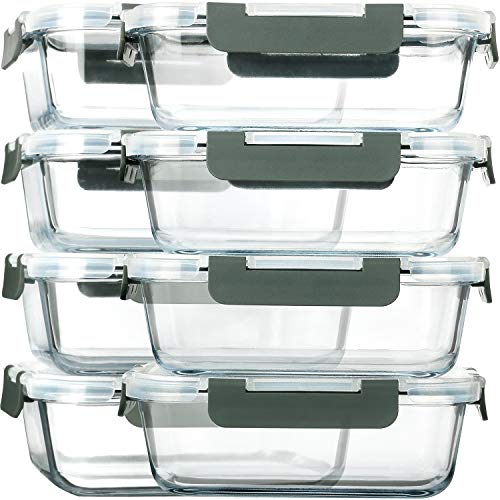
Most homes land on one of three types. Lightweight BPA free plastic sets stack neatly, travel well, and cost the least per box. Glass bases with BPA free lids reheat evenly and resist stains, but they weigh more in a work bag. Divided bento style boxes keep foods apart and suit portion based lunches for adults and kids.
The product table above shows how these types compare on seal, material, and best use. If you cook in big batches, favor large stackable sets. If you prep two or three lunches at a time, a smaller divided set serves you better and takes less shelf room.
Before You Buy: A Quick Checklist for Choosing Meal Prep Containers
The checklist below follows the order that matters in daily life. Start with fit, because a container that crowds your fridge will annoy you every single week. Then look at material, seal, safety ratings, and price.
Size: Match It to Your Space
Count the meals you truly store at once, then buy for that number, not for an ideal week you rarely live. Single compartment boxes around 3 to 4 cups hold a full dinner portion, while two and three compartment boxes split a main dish from sides in smaller amounts. Sets come in 10 pack, 20 pack, and even 50 pack counts, and large packs only pay off if your fridge shelves and cabinet depth can hold the stack without wasted gaps.
Which Type Fits Your Routine
Glass suits home reheating and foods with strong colors or oils, and our guide to best glass meal prep containers covers that route in depth. BPA free plastic suits commuting, school bags, and freezer rotation because it is light and forgiving when dropped. Stainless steel lasts for years but cannot go in a microwave, and disposable boxes make sense only for giving food away. Divided layouts help when sauces must stay away from crisp foods until lunch.
Think about how long food sits before you eat it. A five day rotation needs a tighter seal and freezer room, while a two day routine can rely on simpler lids. Matching sets in one size also stack faster and end the nightly hunt for the right lid.
Features Worth It (and Ones to Skip)
Snap lids with four locking flaps are worth paying for, since they close with clear feedback and hold a seal under bag pressure. Removable silicone gaskets are also worth it, because you can wash under them where residue hides. Skip lids with built in utensils you will lose, decorative vents that do not open, and mixed size bundles where half the tiny boxes never leave the cabinet. One lid size across the whole set is a quiet feature you will thank every wash day.
Airtight Seal and BPA Free Materials
BPA free means the maker did not use bisphenol A in the plastic. Check the product page and the base stamp for that claim on both the box and the lid, because glass sets often pair a glass base with a plastic lid. If you want to limit plastic contact further, the options in best non toxic meal prep containers explain what else to look for. A good seal should resist a gentle squeeze without the lid lifting at any corner.
Freezer, Microwave and Oven Safety
Read each rating separately, because a set can be freezer safe and microwave safe while its lid is neither. Glass bases often allow oven use, but the plastic lid must stay out of the oven and off the box while food reheats. Leave headroom for soups and sauces that expand in the freezer, and let a cold glass base sit on the counter a few minutes before oven heat to lower stress on the glass. Stainless steel belongs in neither the microwave nor a routine oven reheat plan for lunches.
Realistic Budget Ranges
Sets in the product table run from about $13 for a 20 piece plastic set to about $31 for a glass set. Cheaper sets are usually all plastic with simple press on lids, fine for short storage and light travel, while locking flaps, gaskets, glass bases, and sturdier lids cost more. Spend toward the top only when you prep weekly and reheat in the same box, since daily use is where stronger hinges repay you.
Best BPA Free Meal Prep Containers: Glass, Plastic and Divided Sets
Instead of chasing a single winner, match the type to your routine. The best bpa free meal prep containers for a train commute look very different from the right set for a family fridge, and the three types below cover nearly every home.
Lightweight Plastic Sets for Commutes and Stacking
Plastic sets win on weight and price per box, so losing one at the office hurts less. They nest when empty and stack when full, which helps small fridges. The trade off is surface wear over time, since forks and knives can scratch the interior and tomato based sauces can leave color behind. Choose thicker walls and smooth interiors if you pack saucy meals often, and keep these sets for travel days if you also own glass for home reheating.
Glass Sets for Reheating and Lasting Value
Glass bases move from fridge to microwave to table without flavor carryover from last week, and they wash clean with less scrubbing. They cost more per box and add real weight to a shoulder bag, so many households keep them at home. Look for lids that close on all four sides and for bases with straight walls, which stack better than sloped shapes.
Divided and Bento Style Sets for Portions
Divided boxes keep a protein, a grain, and a vegetable in separate zones, which helps with portions and keeps textures apart until you eat. They shine for school lunches and snack plates. The limits are real, though. Each zone holds less, soups have no place here, and a leaky sauce can still creep under a divider. If most of your meals are stews or curries, pair one divided set with plain single compartment boxes.
What We Like and What We Do Not: BPA Free Compared With Other Options
BPA free plastic gives you a clear material claim at a low weight and price, which older mixed plastic drawers never offered. Glass removes plastic from the food surface almost entirely, yet it asks more money and more care in transit. Stainless steel avoids plastic and shrugs off drops, but it blocks microwave reheating and hides contents, so labeling becomes a chore. If you plan to keep and reuse one set for years, the guide to best reusable meal prep containers compares the durability side in more depth.
The honest downside of BPA free plastic is lifespan. It can warp in high heat, hold odors from strong spices, and scratch with heavy utensil use. Every reusable option also depends on its lids. A great base with a lost lid becomes a bowl, so sets with easy spare lid access hold their value better.
Common Buying Mistakes to Avoid
- Buying a 50 pack for a small fridge, so the stack blocks airflow and half the set lives in a hallway box.
- Assuming the lid shares the base rating, then warping a plastic lid by reheating with it sealed shut.
- Choosing deep boxes for flat foods like wraps, which wastes shelf height and makes portions look smaller than they are.
- Ignoring spare lid availability, so one cracked lid turns a full set into odd pieces within a year.
- Storing strong smelling meals next to fruit cups in weak sealed boxes, so flavors drift across the fridge shelf.
Cost of Ownership and Care
The purchase price is only part of the cost. Replacement lids, a second smaller set for snacks, and early swaps for warped boxes add up across a year. Keep costs down by washing gaskets promptly, drying lids fully before stacking, and storing bases nested with lids kept together in one bin. Hand washing extends lid life, since dishwasher heat is the usual cause of warped edges and loose seals. Store empty boxes with lids ajar in the cabinet so trapped moisture does not leave a stale smell.
Rotate your sets if you prep twice a week. Spreading use across the full pack evens out hinge strain. Retire any base with deep cracks or a lid that no longer clicks on all sides, because a weak seal shortens the safe storage window for cooked food.
Your Questions, Answered
Are BPA free meal prep containers worth it if you already own plain plastic boxes?
Yes, but you can switch gradually instead of replacing everything at once. Start with the boxes you reheat in most often, since heat is where most people prefer a clear material claim. Retire old boxes as they warp or cloud, and use sound ones for dry goods. This staged swap spreads the cost across months and keeps usable plastic out of the bin longer.
How do you clean BPA free meal prep containers so the seals stop smelling?
Remove the gasket and soak it in warm water with a spoon of baking soda for about 30 minutes, then rinse and dry it fully before refitting. For the box itself, a paste of baking soda on a soft cloth lifts lingering spice odor without scratching. Avoid stiff brushes on plastic interiors, because fine scratches give odors and stains more places to settle during the next round of storage.
How long do BPA free meal prep containers last with weekly use?
Plastic sets in weekly rotation often serve well for about one to two years before lids loosen or walls cloud, while glass bases can serve far longer with lids as the wear point. Watch for hinges that whiten at the fold, lids that need pressing at each corner, and bases that rock on a flat counter. Those signs tell you the seal is fading, so move that box to dry storage duty first.
Are expensive BPA free meal prep containers worth the extra cost?
They can be, when the higher price buys thicker walls, replaceable gaskets, and lids sold separately as spares. Paying more for a larger pack count alone rarely helps, since unused boxes add no value. Judge the cost per box you will actually fill each week, and favor the set whose lid system you can maintain without buying a whole new bundle when one hinge fails.
Can BPA free meal prep containers carry hot soup to work without leaking?
Many can, if you leave a small gap at the top, cool the soup slightly before sealing, and carry the box upright in a snug bag. Try a new set at home first by filling it with water, sealing it, and tilting it over the sink for a minute. A lid that passes at home earns your trust for the commute, and a lid that weeps at one corner is better kept for salads and dry meals.
Final Thoughts
Start with your space and your routine, then pick the type that fits both. Plastic travels light, glass reheats beautifully, and divided boxes keep portions tidy. Look back at the product table above, choose the best bpa free meal prep containers for the meals you actually cook, and buy the smallest pack that covers your week.


