
Best BPA Free Food Storage Containers: Glass, Plastic and More (2026)
Disclosure: We may earn a commission when you buy through links on this page, at no extra cost to you. As an Amazon Associate I earn from qualifying purchases. Learn more

Best BPA free food storage containers guide to glass, plastic and silicone sets, lid seals, heat limits and sizes.
Your fridge holds a half pan of lasagna, a small bowl of cut fruit, and soup you want to freeze for next week, yet every lid you grab fits nothing. Choosing the best bpa free food storage containers for your home comes down to your shelf space, the number of people you feed, and how you reheat food. The product table sums up the main models so you can match a set to your routine before you spend anything.
This guide skips brand hype and focuses on daily use, from sizes and materials to the extras that add cost without adding value.
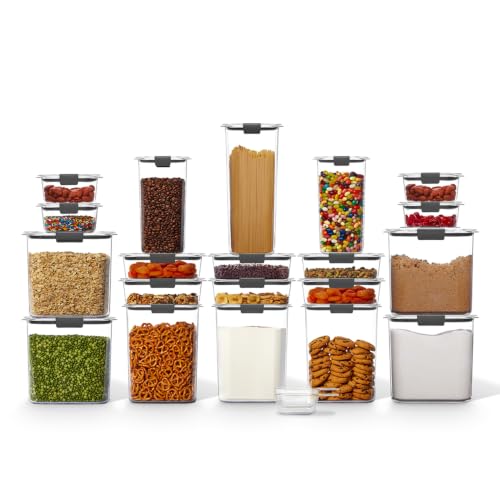
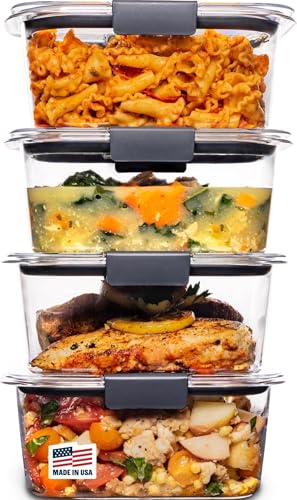


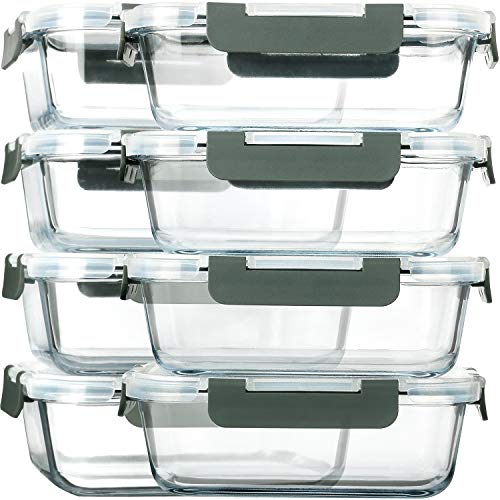


Quick Answer: Three Types That Fit Real Homes
There is no single set that suits every kitchen. Most homes do best with one main material for daily leftovers and a second material for one special job, such as freezing soup or packing lunches.
- Glass sets: Best for reheating at home and storing strong smelling foods, if you can accept extra weight.
- BPA free plastic sets: Best for lunches, kids, and tight budgets, since the pieces are light and will not shatter if dropped.
- Silicone and stainless steel sets: Best for specific jobs, such as collapsing for storage in a small drawer.
If you want a broader view before you narrow by material, see our guide to the best food storage containers for a look at set sizes and lid styles across all materials.
Before You Buy: A Quick Checklist for Choosing Food Storage Containers
Work through the points below in order. Size and material decide most of your daily satisfaction, while lids, seals, and safety ratings decide how long a set stays useful.
Size: Match It to Your Space
Measure the fridge shelf and the cabinet or drawer where the empty set will live, then count the portions you store most often. A single person or a couple usually needs more 1 cup and 2 cup pieces for sauces and sides. Larger families use 4 cup and bigger rectangular pieces for main dishes. Sets sold as 10 piece, 18 piece, or 24 piece count lids in the total, so check how many actual containers you get.
Which Type Fits Your Routine
Glass suits home centered routines where food moves from fridge to oven or microwave and then to the table. BPA free plastic suits packed lunches and homes with young children, since it is light and forgiving when dropped. Stainless steel suits cold storage and transport, but it cannot go in the microwave. Silicone suits small kitchens because many pieces collapse flat, though the softer walls can feel less secure with soup.
Features Worth Paying For and Ones to Skip
Pay for lids that lock on four sides with a silicone gasket if you carry liquids, and for bases that nest with lids stored in one place. Labels help in shared fridges and freezers. Dividers help only if you pack lunches with foods that must stay separate. Skip large sets with many tiny pieces you will rarely fill, decorative bamboo lids for fridge use since they seal poorly, and vents unless you often steam food in the container itself.
Airtight Seal and BPA Free Materials
BPA free means the maker states that bisphenol A was not used in the plastic, and you should confirm that the claim covers the lid as well as the base. A BPA free label does not mean a plastic is free of every chemical, so many buyers choose glass for hot food and use plastic mainly for cold storage. For freshness, look for a continuous gasket with no gaps at the corners. A sound seal slows odor transfer and helps food keep its texture.
Freezer, Microwave and Oven Safety
Check each rating for the base and the lid separately, since lids are often more limited than bases. Glass bases may be oven safe within a stated limit, while their plastic lids usually are not. Plastic bases may be safe for the microwave for reheating, but you should still avoid heating fatty or tomato based food in plastic if you prefer to limit contact with heat. For the freezer, leave head room for expansion and choose straight sided shapes that stack without wasted gaps.
Realistic Budget Ranges
Sets in the product table run from about $24 to $150. Smaller glass and plastic sets sit at the low end and usually suit a first apartment, while locking lids, better gaskets, and a useful spread of sizes cost more. Large family sets cost the most and can pay off if the lids stay available for years. At the top of the range you are mostly paying for larger counts or extra accessories, so buy that tier only when the extra pieces match your routine.
Best BPA Free Food Storage Containers: Glass, Plastic and Silicone Options
The three groups below cover the same buying factors in different ways. Compare weight, heat use, and lid life rather than piece count alone.
Glass Sets for Fridge and Oven Use
Glass sets are the natural choice when you reheat in the same dish you stored in, and they resist stains and odors from sauces and curries. The trade offs are weight in a packed lunch bag and the risk of chips or breaks on tile. If you lean toward glass, compare the options in our guide to the best glass food storage containers and check that replacement lids are sold on their own.
BPA Free Plastic Sets for Lightweight Daily Use
Plastic sets earn their place in busy homes because they are light, they nest tightly, and a dropped piece usually survives. They suit portioning snacks, packing salads, and sending food to school or work. The limits are staining from tomato sauces, lingering odors, and lids that can warp after many hot wash cycles. Use plastic mainly for cold or room temperature food, and retire any piece that turns cloudy, cracks at the rim, or no longer seals evenly.
Silicone and Stainless Steel Sets for Specific Jobs
Silicone bags and collapsible boxes suit campers, small drawers, and buyers who want to cut single use bags, and they handle the freezer well. Stainless steel boxes suit dry goods, packed lunches, and cold dishes where you do not need to see the contents. Neither type replaces a full glass or plastic set for most homes, since silicone can hold odors and steel cannot go in the microwave. Treat them as add ons for one clear job.
How to Compare BPA Free Food Storage Containers
Compare any set on five points in this order: seal and freshness, materials in both base and lid, capacity and fit on your shelves, cleaning effort, and total value over time. Use maker specifications for heat limits and care rules, and read buyer reviews for patterns about warped lids or cracked corners rather than single complaints. The glass vs plastic food storage comparison can help you weigh the two main materials side by side.
What We Like and What We Do Not Like About BPA Free Options
What works well is choice. You can avoid BPA in plastic while keeping the light weight that makes plastic practical, or you can skip plastic for food contact almost entirely by choosing glass or steel. Modern locking lids seal far better than loose press on lids, so soups travel safely and fridge odors stay contained. Sets also nest far better than a mixed drawer of saved takeout tubs.
What falls short is clarity. A BPA free claim tells you what is absent, not how a plastic will age, stain, or handle heat over years of use. Plastic still scores below glass for reheating and for strong smelling foods. Buyers who store dinner most nights may prefer a plan built around the best food storage containers for leftovers in glass, with a few plastic pieces kept only for travel.
Common Mistakes to Avoid
- Buying the largest set on sale, so half the pieces crowd your cabinet and never get filled.
- Checking the base material only, so a lid that is not BPA free or not heat safe slips past you.
- Freezing liquid filled to the rim, so expansion cracks the base or pushes the lid open.
- Heating a sealed container in the microwave, so steam pressure warps the lid and ruins the seal.
- Ignoring replacement lid access, so one lost lid turns a sound base into wasted space.
Cost of Ownership and Care
The purchase price is only part of the cost. Lids are the part you will replace most often, so a set with lids sold separately will cost less over its life than a cheaper set you must replace whole. Wash lids by hand when you can, since high heat in a dishwasher can warp the gasket area over time. Store bases nested and lids in one bin, so you do not buy duplicates for pieces that were only misplaced.
For day to day care, wash soon after use, soak pieces that held oily or tomato based food, and dry lids fully before you store them closed. Our guide on how to clean food storage containers covers stain and odor removal in detail. If you freeze often, keeping a few pieces reserved for that job, chosen from the best food storage containers for freezer, protects your daily set from cracks caused by repeated temperature swings.
FAQ
Are BPA free food storage containers safe for hot soup?
BPA free plastic is best used once soup has cooled a little, since heat and fat increase contact between food and plastic even when BPA is absent. Pour very hot soup into glass instead, then move a cooled portion into plastic for travel if you need the lighter weight. Always check the maker heat limit for the base, vent or remove the lid before reheating, and retire plastic that has warped or turned rough inside.
How long do food storage containers last?
Glass bases can last many years if the rim stays free of chips, while their plastic lids often need replacing sooner as gaskets loosen. Plastic bases usually give a few years of daily use before staining, odor, or warping makes them unpleasant to use. Silicone and steel can last a long time if hinges and seams stay intact. Replace any piece right away if it cracks, leaks after a lid change, or holds a sour smell after a thorough wash.
Are expensive food storage containers worth it?
Paying more is worth it when the extra cost buys a stronger gasket, lids you can replace on their own, and sizes that match your meals. It is not worth it when the price reflects a huge piece count, decorative lids, or accessories you will store more than use. A modest set that you use daily and can refresh with new lids will usually beat a premium set bought for features that never fit your routine or your shelves.
How many food storage containers does a family need?
Most families do well with enough pieces to cover two days of cooking plus packed lunches, which often means about eight to twelve bases in mixed sizes. Count your busiest day rather than an average day. If you cook a large batch each week, add two or three larger freezer pieces instead of more small cups. Extra lids in the sizes you use most prevent the common problem of sound bases sitting idle while every matching lid is in the dishwasher.
Can BPA free food storage containers go in the dishwasher?
Many can, but the top rack is the safer place for plastic bases and for all lids, since the heating element in many machines sits at the bottom. Hand washing lids keeps gaskets supple and helps locking tabs last longer. Glass bases handle machine washing well, though crowded racks can chip rims. Check the care marks on the base of each piece, because silicone, steel with coated finishes, and bamboo lids each follow different rules.
Final Thoughts
Start with your space, your household size, and the way you reheat, then let material and lid quality guide the rest of the choice. The product table above pulls the main types together so you can compare seal style, heat use, and set size in one place. For most homes, the best bpa free food storage containers are the ones whose lids you can replace, whose sizes you fill every week, and whose empty pieces store in the space you actually have.


