
Best 56 Inch Tool Box: Buying Guide (2026)
Disclosure: We may earn a commission when you buy through links on this page, at no extra cost to you. As an Amazon Associate I earn from qualifying purchases. Learn more

Side mount, flush mount or rolling chest: how to match a 56 inch tool box to your truck bed or garage and your tools.
Search for a 56 inch tool box and you will find two very different products under the same width: long boxes that bolt into a pickup bed, and wide rolling chests that live along a garage wall. Both are useful, and the right one depends on where your tools spend their time. Choosing the best 56 inch tool box means deciding that first, then checking lid style, lock quality, drawer layout, and how the box fits your truck or your floor space.
This guide compares the main types at this width and explains the measurements that cause the most returns. The comparison table below lines up current options, and if you want the broader category first, start with our guide to the best tool box options across all sizes.
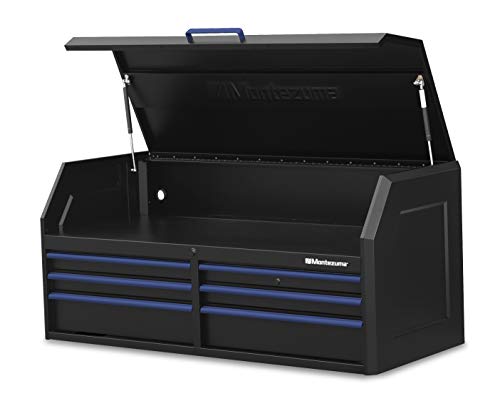
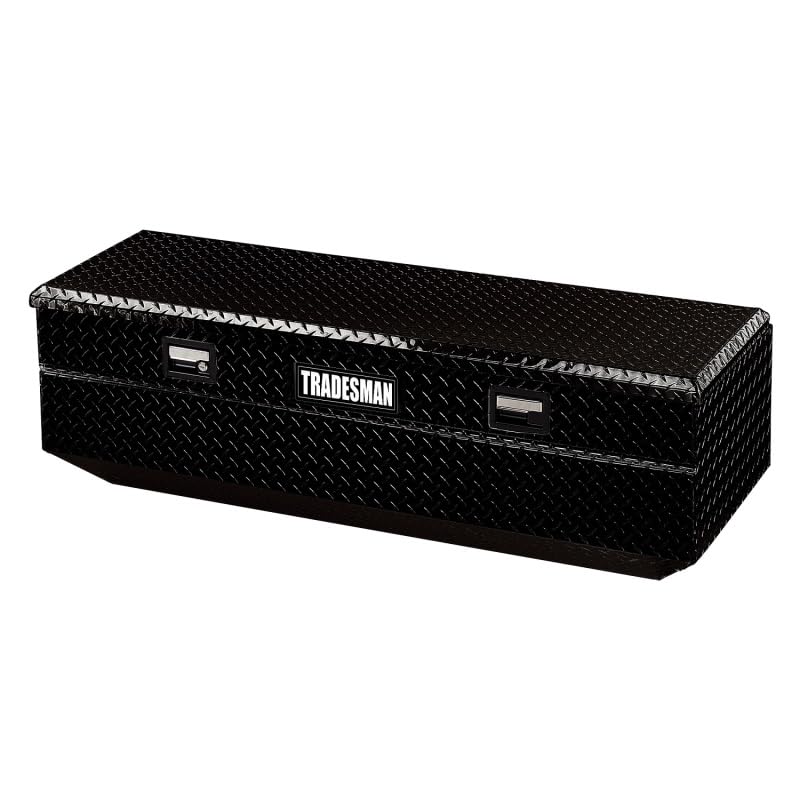
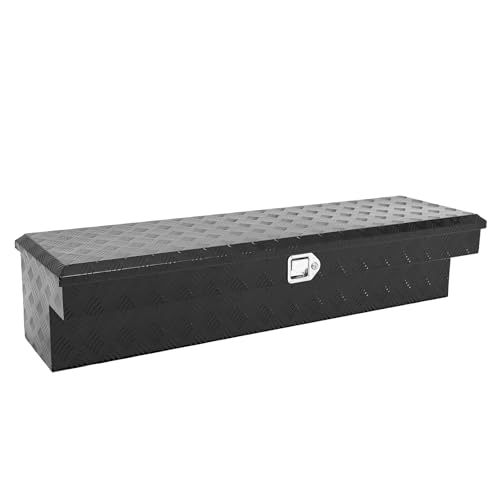
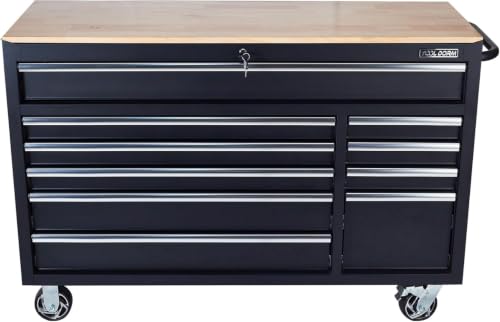


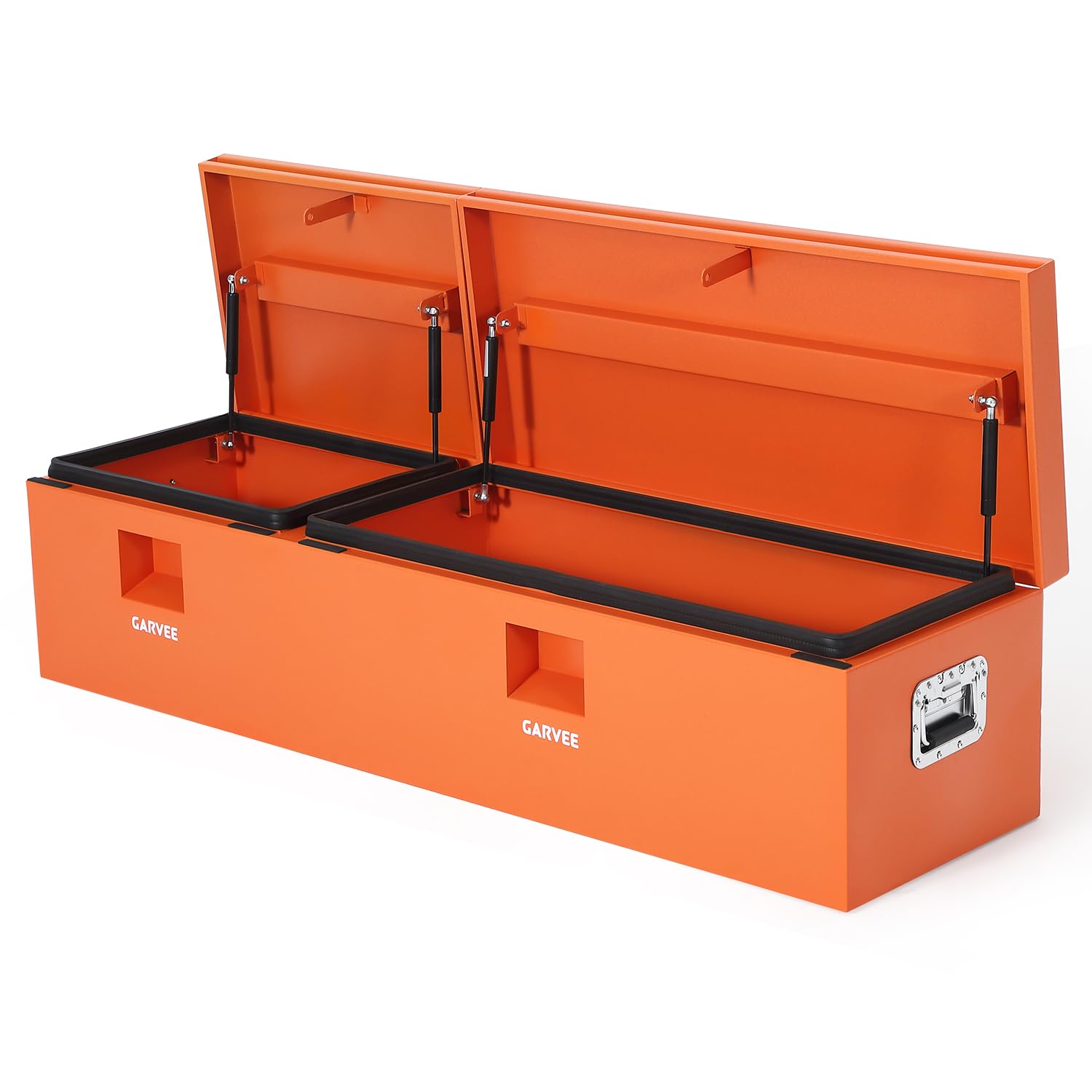
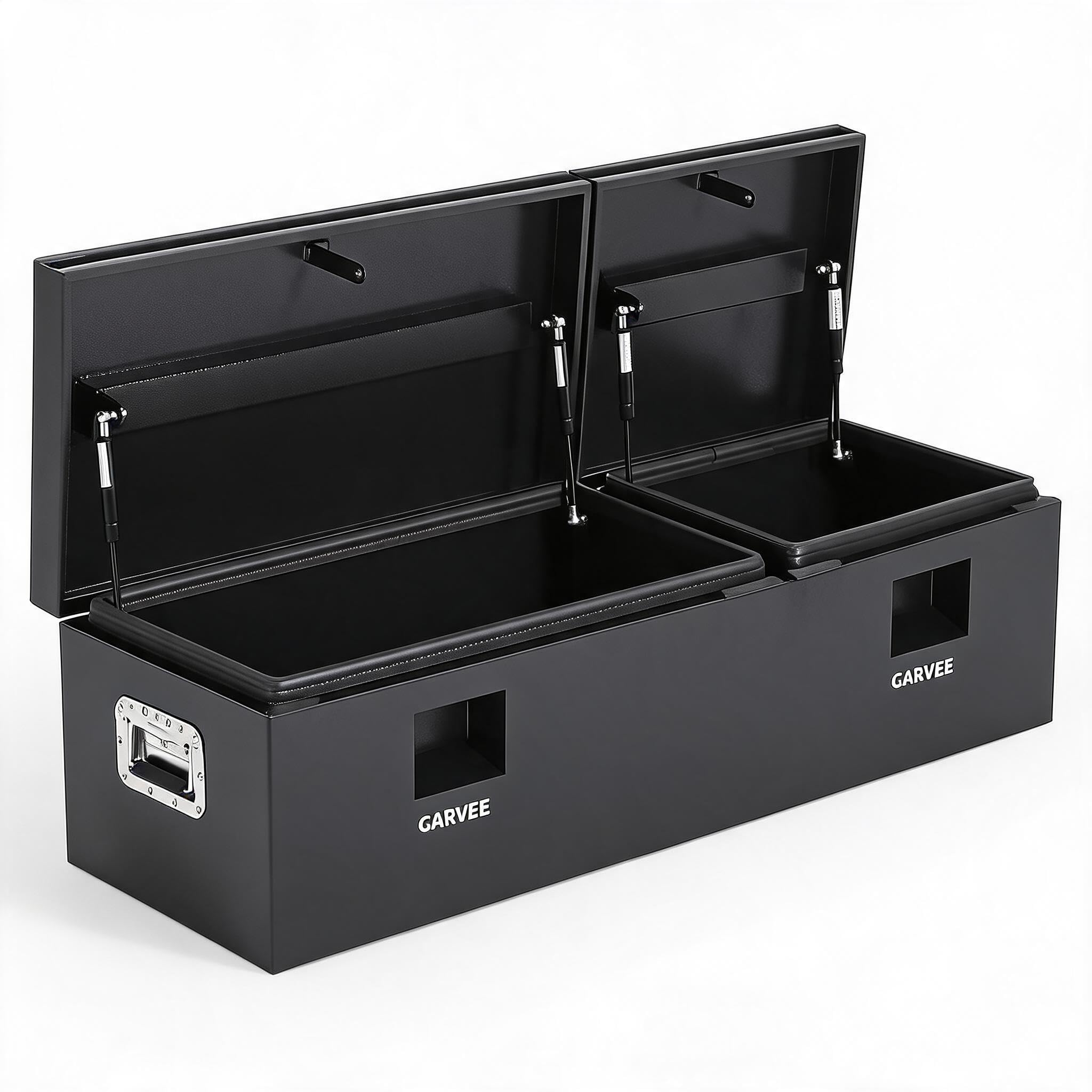
Types of 56 Inch Tool Boxes Compared
At 56 inches, three formats cover most listings. Side mount truck boxes sit on the rails of a pickup bed, flush mount boxes sit lower and keep the bed rails clear, and rolling chests stay in a shop. Each solves a different storage problem.
Side Mount Truck Boxes for Pickup Rails
A side mount box rests along one side of the bed and holds long tools such as pry bars, levels, jacks, and straps. Typical listings at this width run about 56 inches long and roughly 13 to 17 inches wide and deep, so check the exact outside size against your bed rail. Aluminum tread plate resists rust and keeps weight down, while steel costs less and feels more rigid but needs touch ups when the paint chips. A rubber seal around the lid keeps rain and dust out, and two keys with a latch lock are the basic security you should expect. For a wider look at truck specific designs, see our guide to the best tool box for truck use.
Flush Mount Boxes for a Lower Profile
A flush mount box sits inside the bed rails instead of on top of them, which keeps the rear window sight line clearer and avoids catching the box when you load tall items. The trade off is lost bed width, since the box takes space between the wheel wells. Single lid models open from one side, so confirm which side you can reach from the curb and from the tailgate before you buy.
Rolling Chests and Workbench Cabinets
For a garage, a 56 inch rolling chest gives you many drawers in one footprint. Some include a wood work top, a built in power strip, and four casters with two that lock. Drawers on better models use full extension ball bearing slides with a stated load rating, and a lock secures every drawer at once. This format suits hand tool collections that need sorting, and it works as a bench for small repairs. It is not a vehicle box, and it should never ride in a truck bed.
How to Evaluate a 56 Inch Tool Box
Judge each candidate on the same short list. First, outside and inside dimensions, because the width is only one number. Second, material and thickness, since thin sheet dents and rusts sooner. Third, lid and seal design, which decides how dry the contents stay. Fourth, lock hardware and hinges, the parts thieves and weather attack first. Fifth, warranty terms and the availability of replacement latches, struts, and keys.
How to Choose the Right Tool Box
Size and Form Factor
Measure your truck bed rail length, the clear space between the wheel wells, and the height from the rail to the cab window. A box that is too tall can block rear visibility, and one that is too deep may stop the tailgate from closing flat. For a garage chest, measure the wall run, the door path, and the turning room, because a loaded chest is heavy to steer. Tape the outline on the floor before you order.
Material and Weather Resistance
Aluminum tread plate stays light and does not rust, which suits trucks that see road salt. Steel boxes tend to cost less and take impacts without denting as easily, but scratches need paint or they will rust. A diamond or five bar pattern also hides scuffs from daily loading. Wherever the box lives, look for a lid that overlaps the body and a seal that is easy to replace.
Locks, Latches and Security
A tool box protects tools only as well as its lock. T handle latches with a keyed cylinder are common on truck boxes, and a paddle latch with a lock hole adds a second layer. Keep the spare key at home, not in the truck, and avoid leaving expensive power tools in an unattended bed overnight, since any lock can be defeated by a determined thief. Rolling chests usually have a single lock bar that closes every drawer together.
Capacity, Layout and Organization
Long, open boxes store bulky items well but waste space on small parts, so add a small parts tray or a few stackable bins. Inside a chest, shallow drawers suit sockets and wrenches, while deeper drawers hold power tool cases and heavier items. Spread weight evenly, because a box that is loaded at one end can bend its lid or rack its frame.
Installation and Mounting
Most side mount boxes sit on the rails with simple brackets or clamps, and you can usually fit one with basic hand tools. Drilling into the bed is not needed for many designs, but follow the maker instructions and use the supplied hardware so the box cannot shift on the road. Rolling chests need only a level floor, and the casters should be locked whenever you pull a drawer.
How Much Should You Spend?
Basic steel truck boxes in this size often cost about $250 to $400. Aluminum and flush mount models commonly run about $400 to $600, with two pack side mount sets higher. Large rolling chests with power strips and ball bearing slides sit around $900 to $1,200. Price alone does not guarantee a better lid seal, so read the dimensions, materials, and lock details before you pay more.
Is a 56 Inch Tool Box the Right Size for You?
For a full size pickup, 56 inches is a common length that fits along the bed rail with room left for the tailgate and a few straps. It suits tradespeople who carry long tools every day and want them locked and dry. In a short bed truck, measure first, because the box may crowd the wheel well area.
For a garage, a 56 inch chest is a large piece of furniture. It fits a two bay space or a long wall where it can replace several smaller boxes, and it makes more sense if your tools are numerous enough to fill ten drawers. If you only keep a basic home set, our guide to the best tool box for home use covers lighter options, and a best portable tool box may be the more practical companion for jobs away from the garage.
Common Mistakes to Avoid
- Buying by length alone and ignoring depth and height, so the box blocks the rear window or the tailgate.
- Ordering a truck box for a garage, or a rolling chest for a truck, because both are labeled with the same width.
- Skipping the lid seal check, which lets rain reach tools and starts rust.
- Overloading one end of a long box, which bends the lid and strains the hinges.
- Leaving the only key in the glove box, so a break in takes both the box and the key.
- Choosing a thin steel box for a salty climate without planning any touch up paint.
Care and Maintenance
Wipe the box and lid seal clean every few weeks, because grit trapped under the seal wears it and lets water in. Spray a light lubricant on hinges and latches twice a year, and wipe off the excess so it does not collect dirt. Check mounting bolts after the first few weeks of road use, then once a season. On a rolling chest, vacuum drawer corners, wipe liners, and keep caster wheels free of thread and grit. Touch up any scratch in the paint on a steel box right away.
FAQ
What is the best 56 inch tool box for a pickup truck?
For most pickups, a side mount box with an aluminum or steel lid, a rubber seal, and a keyed latch fits the job. Check the exact outside dimensions against your bed rail and cab height, and look for replacement parts such as struts and keys. If rain protection is your top need, favor a lid that overlaps the body and a seal you can replace.
Will a 56 inch tool box fit my truck?
Measure the bed rail from the bulkhead to the tailgate hinge, then compare it with the box length plus a few inches for the tailgate swing. Also check the width against the clear space inside the rail and the height against your rear window. Boxes vary by an inch or two between listings, so use the stated outside dimensions, not the headline number.
How long does a 56 inch tool box last?
A well built aluminum box can last many years because it does not rust, and a steel box lasts as long as its paint stays intact. The parts that fail first are seals, struts, and locks, all of which are inexpensive to replace if the maker sells them. Rolling chests wear mostly at slides and casters, which better models let you swap.
Is a 56 inch tool box worth it?
It is worth it if you carry long tools often or own enough hand tools to fill many drawers, since one locked box saves time and keeps gear dry or sorted. It is harder to justify for occasional use, when a smaller portable box costs less and takes no truck bed or floor space.
How do you clean a 56 inch tool box?
Empty the box, wipe the inside with a damp cloth and mild soap, and dry it fully so moisture does not sit on the metal. Clean the lid seal with a soft brush, and rinse road salt off the outside with fresh water in winter. Let the box air dry with the lid open before refilling it.
Can a rolling tool chest go in a truck bed?
No. A rolling chest is built for a level shop floor, and its drawers can open or slide when the vehicle moves. For a vehicle, choose a box made to be mounted to the bed or rails, and keep the chest in the garage.
Final Thoughts
Decide first whether the box rides in a truck or stays in a shop, then check dimensions, material, seal, and lock before price. Match those points to your bed or your wall run, and the best 56 inch tool box for your work becomes a practical choice rather than a guess. Compare your shortlist against the product table above and confirm the outside size one more time before you order.


