Best Air Purifiers for Pollution for 2026: Everything to Know Before Your First Purchase
Disclosure: We may earn a commission when you buy through links on this page, at no extra cost to you. As an Amazon Associate I earn from qualifying purchases. Learn more

Shopping for the best air purifiers for pollution? Learn CADR, HEPA and carbon basics, sizing and setup in this plain English first purchase guide.
Traffic fumes outside the window, dust that returns a day after cleaning, and smoke that drifts in during dry months all count as indoor pollution once they cross your door. If this is your first purifier, the ratings and filter names can look like a foreign language. This guide explains the best air purifiers for pollution from the ground up, so you can judge any model by what it removes and how fast, rather than by bold claims on a box.
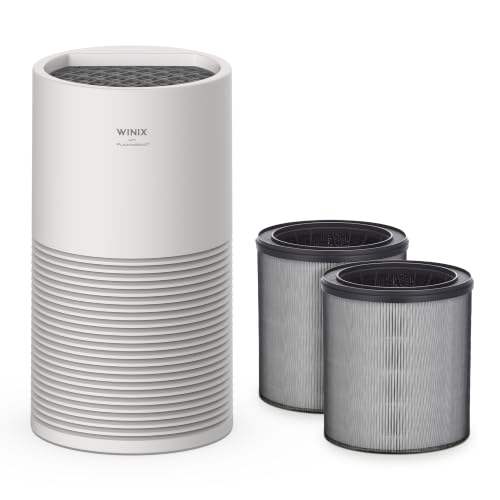
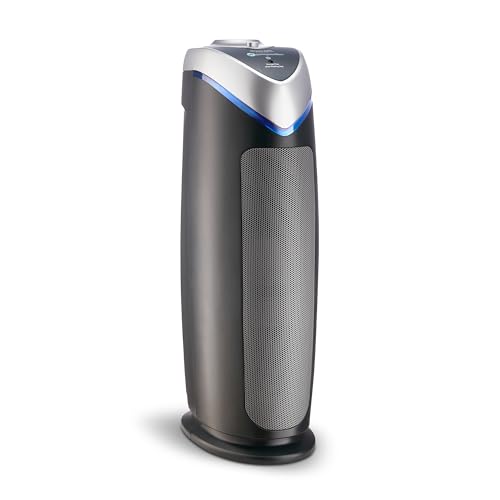
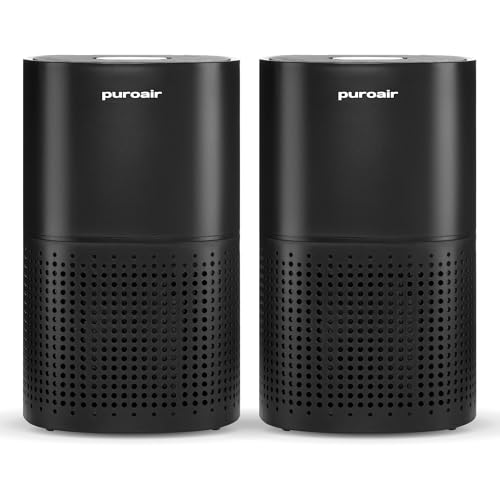
Pollution comes in two forms, and they need two different defenses. Particles such as fine dust, soot, and pollen are caught by a HEPA filter. Gases such as traffic fumes and many chemical vapors need activated carbon. A serious choice handles both. Use the comparison table below to spot candidates, then work through the basics and specs that follow.



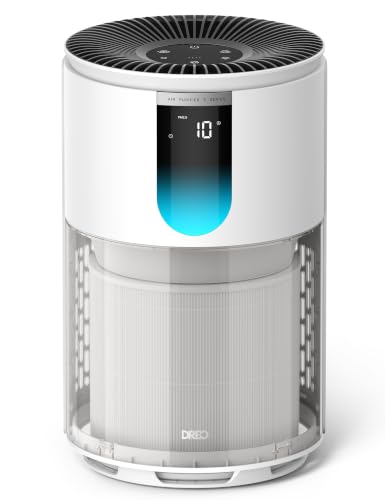
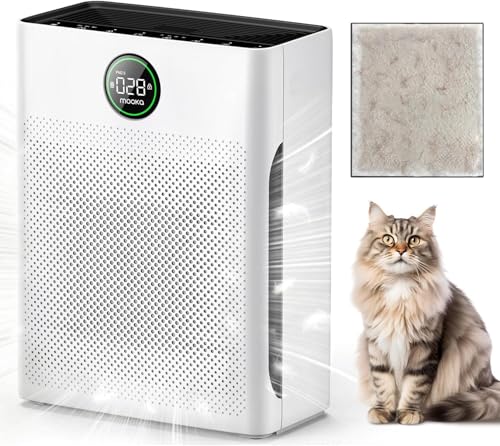


Air Purifiers 101: The Basics
An air purifier is a fan that draws room air through filters and returns it cleaner. It does not bring in fresh air and it does not remove carbon dioxide, so ventilation still matters when outdoor air is good. What it does well is lower the level of particles floating indoors, including the fine PM2.5 particles produced by traffic, cooking, candles, and smoke, which are small enough to travel deep into the lungs.
The filter stack follows a pattern you will see on nearly every model. A pre filter stops large dust and hair. A True HEPA filter captures at least 99.97 percent of particles at 0.3 microns, the size used for the standard test, and catches most smaller and larger particles as well. A carbon filter absorbs many gases and odors, though the amount of carbon varies widely between models. Finally, CADR rates how much cleaned air the whole machine delivers, and a particle sensor on better models shows air quality and drives an auto mode that reacts when pollution rises.
Key Specs Explained in Plain English
Six checks turn a confusing spec sheet into a clear decision. Read them in order and keep your room measurements and your main pollution source in mind as you go.
Features That Matter for Pollution
Pollution duty demands both particle speed and gas capacity. Prioritize a high CADR for smoke, since smoke particles resemble the fine particles in traffic pollution, and look for a generous carbon bed if fumes or chemical smells reach your home. A responsive particle sensor matters because outdoor pollution changes by the hour with traffic and wind. During severe smoke or smog episodes, also plan to seal gaps and limit door opening, because no purifier wins against a constant inflow. Readers in cities with extreme seasonal smog can compare notes in our guide to the best air purifiers for delhi pollution.
Room Size and Coverage
Measure length times width to get square feet, then use the AHAM guide: smoke CADR at least two thirds of the room area. A 450 square foot room needs a CADR near 300. For pollution, aim for about four to five air changes per hour in the room where you spend the most time, because new particles keep entering through doors, vents, and clothing. If one unit cannot reach that rate for a large space, two smaller units at opposite ends often clean more evenly than one machine working at full blast.
Safety Features
Choose UL or ETL certified units with tip over shutoff and a cool running housing for rooms in daily use. Be wary of purifiers that generate ozone to attack pollution, since ozone is itself a lung irritant and adds to the problem you are trying to solve. If a model offers an ionizer, check whether it can be switched off. AHAM verification of CADR and room size claims is the other trust signal to look for, because it means an independent program checked the figures rather than the seller simply printing them.
Energy Efficiency and Operating Cost
Pollution control usually means long running hours, so efficiency matters. ENERGY STAR certified models deliver more cleaned air per watt, and auto mode cuts power use during clean periods by slowing the fan. A typical unit on medium uses roughly 30 to 60 watts, costing a few dollars per month at common rates. Filters are the larger expense: heavy pollution loads a HEPA filter faster, so homes near busy roads should budget for changes at the short end of the stated range and track the yearly total, not just the purchase price.
Noise Level (dB) and Sleep Mode
Decibels tell you how loud each fan speed will feel. Low settings near 25 to 35 decibels suit bedrooms and study corners, while medium settings around 40 to 50 decibels are normal working levels for living rooms. Sleep mode dims lights and holds the fan low overnight. Judge a model by the highest speed you can tolerate for hours, because pollution episodes often require sustained higher speeds, and a machine you keep turning down will clean less air than its rating promises.
Installation and Placement
Portable purifiers need no installation, but placement decides their reach. Set the unit in the room where you spend the most hours, with clear space around the intake and outlet, and keep it away from corners and heavy curtains. A spot near the door or window where pollution enters can intercept particles early, as long as the window itself stays closed during bad outdoor episodes. Do not place the unit beside a stove or fireplace, where heat and heavy grease loads shorten filter life. For a wider look at cleaner types beyond purifiers, see our overview of the best air cleaners.
Rookie Mistakes to Avoid
- Buying by room size alone. Coverage claims often assume gentle cleaning. Pollution needs four to five air changes per hour, so size up from the minimum.
- Choosing a particle only unit for fumes. HEPA cannot absorb gases. Traffic and chemical smells need substantial activated carbon as well.
- Falling for ozone claims. Ozone is a pollutant, not a cure. Skip any machine that lists ozone output as a feature.
- Running it only when air looks dirty. Fine particles are invisible. Steady or sensor driven running keeps levels low instead of chasing spikes.
- Forgetting the filter calendar. A loaded filter quietly loses airflow. A machine that looks fine can be cleaning far less than its rating.
Getting Started: Setup and First Use
Start by removing all plastic wrap from the filters inside the unit, the step new owners miss most often. Set the purifier in your main room with clearance on all sides, close windows and exterior doors during poor outdoor air, and let it run on auto or a steady medium speed for the first days. Replace or clean filters on schedule, keep doors and windows closed while running during pollution peaks, and vacuum the pre filter every few weeks if your streets are dusty. On days when outdoor air clears, open windows for a short while to refresh the room, then close them and let the purifier take over again. Readers comparing whole home strategies can also review our guide to the best home air purifiers for room planning ideas.
FAQs
What features matter most in air purifiers for pollution?
A high smoke CADR, True HEPA filtration, and a substantial carbon stage matter most, backed by a particle sensor that reacts as conditions change. Together they cover fine particles and many gases at a useful speed. Check that ratings are AHAM verified where possible, since pollution duty leaves no room for inflated coverage claims.
Do air purifiers really work?
Yes, for particles the effect is direct and measurable: HEPA filtration removes fine dust, soot, and smoke from air that passes through the unit. For gases the answer is partial, because carbon absorbs many compounds but not all, and it cannot remove carbon dioxide. Ventilation on clean outdoor days remains a partner habit, not a rival one.
What size do I need for my room?
Pick a smoke CADR of at least two thirds of the room area in square feet, and lean larger for homes near traffic or in smoke prone regions. A 360 square foot room needs a CADR near 240 at minimum. If your main space is open plan, count the full connected area or plan on two units.
How often should I replace the filter?
Expect about six to twelve months from a main filter in average conditions and less near heavy traffic or during long smoke seasons. Carbon stages can tire sooner where fumes are constant. Use the indicator light as a prompt, then confirm by checking airflow and whether dust returns faster than it did when the filter was new.
Is it expensive to run 24/7?
No, power use is modest, typically a few dollars per month on the speeds used most. Continuous running is often the sensible choice during pollution episodes, because particle levels rebuild quickly when the fan stops. Auto mode offers a middle path on ordinary days, saving power while still answering sudden spikes from cooking or traffic.
Where is the best place to put it?
Place it where you spend the most time, such as the main living room or bedroom, with open space around the vents. A position near the usual entry path of outdoor air helps, provided windows stay shut during bad episodes. Keep it clear of heat sources and soft furnishings. Our broader overview of the best air cleaners and purifiers explains how placement changes results across cleaner types.
Wrapping Up
For a first purchase, hold onto three checks: smoke CADR sized for four to five air changes per hour, True HEPA for particles, and real carbon depth if fumes reach your home. Add certified safety and a filter budget you can sustain, and most weak options fall away. Return to the product table above with your room size written down, and you will select the best air purifiers for pollution that fits your streets, your rooms, and your routine.