Best Air Purifiers for Delhi Pollution: Matching the Right Model to Your Routine for 2026
Disclosure: We may earn a commission when you buy through links on this page, at no extra cost to you. As an Amazon Associate I earn from qualifying purchases. Learn more

Learn how to choose the best air purifiers for Delhi pollution with this guide to filters, room sizing, sensor options, and daily care for cleaner indoor air.
Delhi air changes sharply with the season, the traffic near your home, and even the floor your flat sits on, so no single purifier suits every household. This guide matches the best air purifiers for Delhi pollution features to real routines, from bedrooms that must stay clean through winter smog nights to living rooms that host family all evening. You will learn how to read filter and sensor specs, size a unit for your room, and keep it working when outdoor air is at its worst.
Start with the room you protect first and the hours you spend there. Most Delhi homes do best by securing the bedroom first, then adding coverage for the main living space, and the comparison table below is easiest to use once you know those two rooms and their sizes.


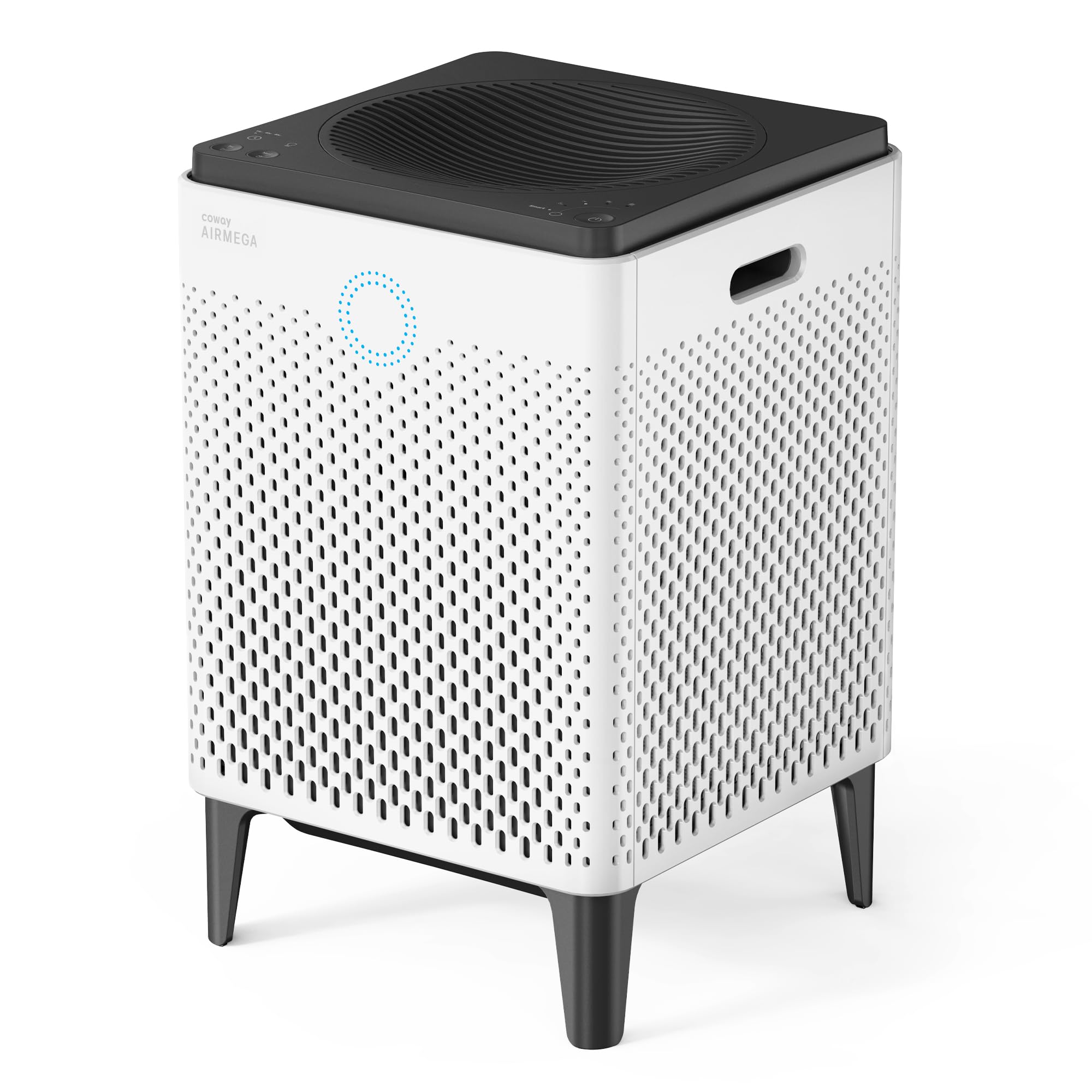
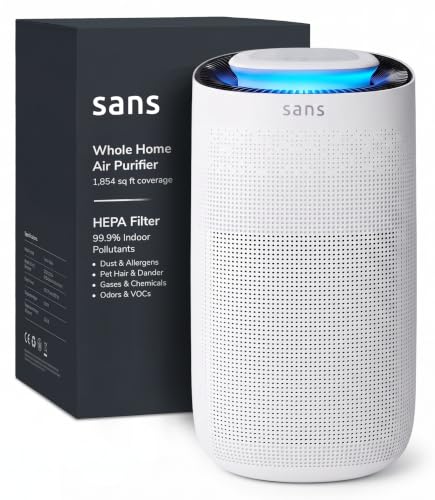

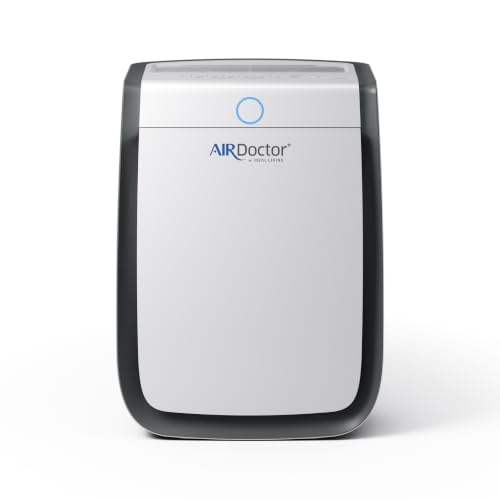


Who Should Buy Which Air Purifiers?
Your daily pattern decides which class of unit makes sense. The three buyer types below reflect the most common Delhi situations, including tight budgets and homes near busy roads.
For First Time Buyers
If this is your first purifier, choose a midsize portable unit with True HEPA filtration, a clear air quality display, and controls you can understand at a glance. Delhi pollution swings through the day, so a sensor with auto mode helps the fan respond when traffic peaks or evening smog settles. Keep the setup simple: one well sized bedroom unit teaches you more than a small unit moved room to room. Check that replacement filters are easy to buy locally or online before you commit, because filter supply during peak season can tighten.
For Value Seekers
Value in Delhi means judging the full season cost, not the festival sale price. Add up the purchase price, the HEPA and carbon filter prices, and how fast heavy pollution loads those filters, since a cheap unit with a short filter life can cost more by spring. A washable prefilter saves money by shielding the main filter from coarse road dust. Look at the best air purifiers for pollution generally if your concern extends beyond one city, and favor brands with steady local service and filter stock. Durable build matters too, because these units run for months without a break.
For Gift Shoppers
A purifier is a thoughtful gift for parents, students in hostels, or a family member with asthma, provided you size it to their bedroom and keep controls simple. Pick a quiet unit with a readable display, include a spare filter if you can, and confirm the return window in case the room size is wrong. Avoid models that need app setup for basic use if the recipient prefers plain buttons. A note with the filter change month written down is a small touch that helps the gift keep working long after the visit ends.
Key Features to Compare
With your buyer type settled, compare the features below. In Delhi conditions, filtration depth, sensor quality, and sizing headroom separate units that cope from units that fall behind in November.
Smart Controls and Sensors
A good particle sensor reads the fine dust that drives Delhi pollution, often shown as a PM2.5 number or a color coded air quality light, and auto mode raises fan speed when levels climb. That response matters during evening traffic, cooking, or a sudden smog shift while you sleep. App control and schedules suit apartments where the purifier sits in a room you enter rarely. Treat sensor claims with care: a display that reacts visibly when you cook or open a door is a good sign, while a sensor that never changes is decoration. Our guide to the best air purifiers for Delhi homes looks at city conditions from another angle.
Filter Type and Replacement Cost
The core stack is a prefilter for coarse dust, a True HEPA filter for fine particles such as PM2.5, and a substantial activated carbon stage for gases and odors from traffic exhaust and smoke. Carbon weight matters more than a thin carbon sheet, because gas capture depends on how much carbon the air passes through. In heavy pollution months, filters load faster than the schedule printed for cleaner cities, so budget for a HEPA change roughly every six to twelve months and check carbon life separately. For filter grade detail, see our guide to the best air purifiers hepa labels and what they promise.
Room Size and Coverage
Size for the pollution load, not just the floor plan. A unit rated exactly at your room area in square feet may cope on a mild day but fall behind when outdoor levels spike and doors keep opening. Choose coverage above your room size so the unit can deliver about four to five air changes per hour, using CADR and AHAM style guidance as your check. Bedrooms of typical flat size suit midsize units, while large living rooms with open kitchens often need a large unit or two placed apart. Measure each room separately rather than trusting a whole home claim.
Noise Level (dB) and Sleep Mode
Delhi bedrooms need cleaning all night during smog season, so the quiet speed figure in decibels is a buying factor, not a footnote. Look for a sleep mode near 25 to 35 dB that also dims the display, since pollution displays can glow brightly at night. The catch is airflow: many units clean very little on their quietest setting, which is another reason to size up, so medium speed stays both quiet and effective. If traffic noise already fills the room, a slightly louder fan may bother you less than it would in a quiet suburb.
Features That Matter for Delhi Pollution
Delhi pollution mixes fine particles from vehicles, industry, and seasonal crop smoke with coarse dust and traffic gases, so a purifier here needs depth in three places at once: HEPA media for PM2.5, real carbon capacity for exhaust odors and gases, and a prefilter tough enough for gritty dust. A sealed housing stops dirty air bypassing the filter, which matters when particle levels are extreme. Homes near main roads should weight carbon and sealing more heavily. For general background on purifier types, our guide to the best air cleaners and purifiers explains how designs differ before you spend.
Common Mistakes to Avoid When Buying Air Purifiers
- Looking only at price. Low cost units with thin carbon and low CADR fall behind badly during peak smog weeks.
- Ignoring smart controls and sensors. Without auto response, the fan misses pollution spikes that arrive while you sleep or work.
- Buying the wrong size. A unit sized exactly to the room has no headroom when outdoor air turns severe.
- Not checking the warranty or service network. Months of continuous running test fans and sensors, so local support matters.
- Leaving doors and windows open on severe days. Constant inflow of polluted air overwhelms even a strong unit in a small room.
Care and Maintenance Tips
Replace or clean filters on schedule, and check the prefilter every few weeks during heavy pollution, because a clogged prefilter quietly cuts airflow. Keep doors and windows closed while running the unit on high pollution days, and seal obvious gaps under the bedroom door if smoke smell creeps in. Leave clearance around intake and exhaust so air can circulate, and wipe the sensor lens gently as the manual directs, since a dusty sensor misreads the room and sets the wrong fan speed.
Take health warning signs seriously during smog season. Breathlessness that is worse than usual, wheezing that does not settle, chest pain, or a child who is struggling to breathe need prompt medical care, not a higher fan speed. If you or a family member has asthma or another lung condition, talk with your clinician about personal needs, including when to stay indoors and how a purifier fits your care plan. Our guide to the best home air purifiers can help you plan a second room once the bedroom is covered.
Frequently Asked Questions
What features matter most in air purifiers for Delhi pollution?
True HEPA filtration, a substantial carbon stage, and a responsive particle sensor matter most. Delhi air carries fine PM2.5, traffic gases, and coarse dust at the same time, so a unit needs particle capture, gas capture, and a prefilter that protects both. Sealed construction ties the package together. Sizing headroom then lets those filters work at useful speed without constant maximum noise.
What size air purifier do I need for my room in Delhi?
Choose a unit rated above your room area, enough for about four to five air changes per hour, because pollution inflow in Delhi is heavier than in cleaner cities. Use the CADR figure rather than the largest square foot claim on the box. A midsize unit suits most bedrooms, while big living rooms often need a large model. When torn between two sizes during smog season, the larger one is usually the safer buy.
Do air purifiers really work against Delhi pollution indoors?
Yes, they lower indoor particle levels a great deal when the room is reasonably closed and the unit is sized well. Owners typically see the PM2.5 display fall within an hour of running on a strong setting. They cannot fix air in open balconies or halls with constant inflow, and they do not remove the need for caution outdoors. Think of the purifier as creating one cleaner room at a time.
Is it expensive to run an air purifier 24/7 in Delhi?
Electricity cost is usually modest, since most units draw power like a small fan, though turbo use during severe weeks adds up. The bigger expense is filters, which load faster under heavy pollution and need timely replacement. ENERGY STAR rated models trim power use, and auto mode avoids running at full speed when indoor air is already clean. Check wattage against your tariff for a personal estimate.
Where is the best place to put an air purifier in a Delhi home?
Put the first unit in the bedroom, on the floor with clear space around it, away from corners and heavy curtains. That room gives you long hours of cleaner air while you sleep, which is when smog often peaks outdoors. Keep it a few feet from the bed so airflow and sound stay gentle. A second unit belongs in the living room where the family gathers in the evening.
Wrapping Up
For Delhi homes, the winning formula is True HEPA plus real carbon capacity, sizing above your room area, and a sensor that reacts when pollution spikes. Protect the bedroom first, keep up with filters, and use the product table above to compare the best air purifiers for Delhi pollution options against those checks before the heavy season arrives.