Best Air Purifiers for Living Rooms for 2026: Which One Fits the Way You Use It?
Disclosure: We may earn a commission when you buy through links on this page, at no extra cost to you. As an Amazon Associate I earn from qualifying purchases. Learn more

Learn how to choose the best air purifiers for living rooms by CADR, room size, noise level and filter cost, with a clear checklist for daily use.
A living room asks more from an air purifier than a bedroom does. People talk, watch television, play with pets, open doors, and bring in dust and pollen on shoes and clothing throughout the day. That is why choosing the best air purifiers for living rooms starts with how your room is actually used, not with the biggest number on a box.
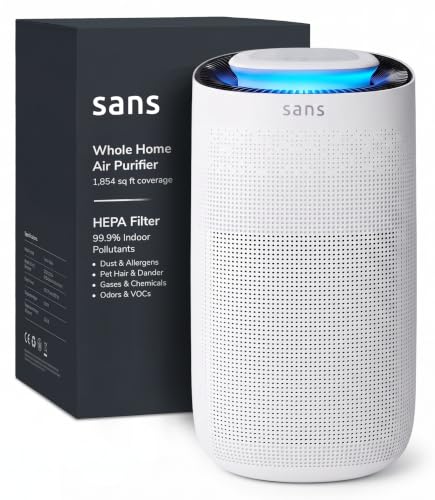
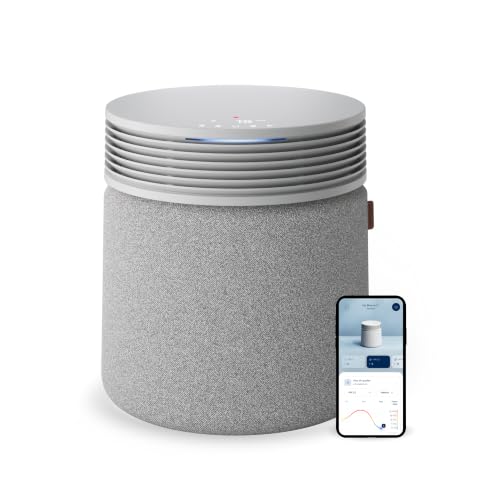
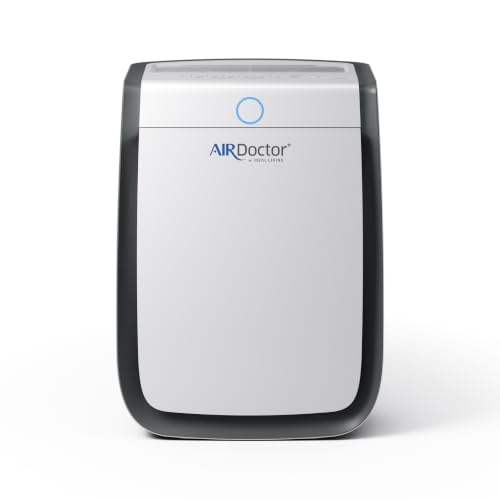
There is no single model that suits every home. A quiet unit for evening television, a stronger unit for an open plan space, and a simple unit for a small apartment solve different problems. Use the comparison table below to narrow your shortlist, then check CADR, coverage, noise, and filter cost against the guidance that follows.





Who Should Buy Which Air Purifiers?
Start by naming your main job for the machine. Is it dust on shelves, pollen during spring, pet hair on the sofa, cooking smells that drift in from the kitchen, or smoke on poor outdoor air days? Each job points to a different balance of airflow, filtration, and noise, and naming it first keeps you from paying for power or features you will never use.
For Gift Shoppers
A purifier given as a gift should be simple to place, simple to run, and forgiving about room size. Look for clear controls, a filter change light, and a footprint that fits beside a sofa or in a corner without blocking a walkway. A generous warranty and widely available replacement filters matter more than app extras, because the person receiving it may not want to hunt for parts. Include the room size range on a card so they can place it where it will work best.
For Value Seekers
Value is about cost over three to five years, not the lowest shelf price. Add up the purchase price plus two or three filter changes, then compare that total with the cleaned air output you get for it. A mid priced unit with a long filter life and modest power draw often costs less to own than a cheap unit that needs a new filter every few months. Durable build, a warranty of at least two years, and standard filter sizes all protect that value.
For First Time Buyers
If this is your first purifier, choose clarity over cleverness. Plain buttons, an auto mode driven by an air quality sensor, and a filter you can swap in minutes will teach you more than a screen full of settings. Start with the room where you spend the most waking hours, run the unit daily for a few weeks, and watch how dust and odors change. Readers comparing formats for the whole house may also want our guide to the best home air purifiers for broader context before they commit.
Key Features to Compare
Spec sheets mix the numbers that decide performance with numbers that mostly fill space. The five areas below are the ones that change how a living room feels day to day. Read each one against your room measurements and your habits, and you will be able to judge any model in the product table above with confidence.
Features That Matter for Living Rooms
Living rooms are shared, social, and often open to hallways or kitchens, so a purifier there needs strong airflow on medium speed, not just a powerful turbo setting you will avoid because of noise. A quality particle sensor helps because it raises speed when guests arrive or doors open, then settles back down. Wide intake vents, a washable pre filter for hair and large dust, and a True HEPA filter for fine particles form the core package. Activated carbon helps with cooking and cleaning product odors that drift through shared spaces.
Performance Ratings (CADR, BTU, Pints/Day, CFM)
CADR, or Clean Air Delivery Rate, is the rating that matters for purifiers. It tells you how much filtered air the unit delivers for dust, pollen, and smoke, and higher numbers suit larger rooms. BTU belongs to air conditioners and pints per day belongs to dehumidifiers, so ignore both when you compare purifiers. CFM describes raw airflow before filtration, which is less useful than CADR. Prefer CADR figures checked through AHAM, the association that verifies room size claims, because tested numbers are easier to trust than marketing claims.
Safety Features
Look for electrical certification from UL or ETL, which shows the unit passed independent safety checks. A stable base and tip over shutoff matter in busy rooms where children, pets, and vacuum cleaners move around the unit. Avoid purifiers that produce ozone as a cleaning method, and treat any ionizer setting with care, since ozone can irritate airways. Cord length, a recessed plug, and a housing that stays cool in normal use are small details that make daily life in a shared room safer and easier.
Noise Level (dB) and Sleep Mode
Noise decides whether a purifier actually runs during the hours you are in the room. Around 25 to 35 decibels on low is close to a whisper and suits television dialogue and conversation. Medium speed near 40 to 45 decibels is a fair working level for most living rooms. Sleep mode dims display lights and drops fan speed for evening use, which helps in studio apartments where the living room doubles as a bedroom. Judge a unit by its noise on the speed you will use most, not by its quietest setting alone.
Room Size and Coverage
Measure your room in square feet, length times width, then match it to CADR using the AHAM guide: the smoke CADR should be at least two thirds of the room area. A 300 square foot room therefore needs a CADR near 200 or higher. Plan for the air to pass through the filter about four to five times per hour for allergy relief, and fewer times for general dust control. Open plan rooms need the combined area counted. If your space is large, our guide to the best air purifiers for large rooms explains the extra airflow those rooms demand.
Common Mistakes to Avoid When Buying Air Purifiers
- Judging by price alone. A low price with costly, short lived filters can cost more within two years than a mid priced unit with a long filter life.
- Ignoring living room needs. A small bedroom unit cannot clean a busy shared room, no matter how good its filter is, because its airflow is too low.
- Buying the wrong size. Too small means dirty air lingers. Far too large means extra noise, bulk, and filter cost for no real gain.
- Skipping the warranty check. Fan motors work hard every day. Confirm warranty length and what it covers before you buy, not after a fault appears.
- Forgetting placement. A unit pushed flat against a wall or hidden behind a sofa loses airflow. Leave clear space around the intake and outlet.
Smaller spaces flip some of these choices. If your living area is compact, our guide to the best air purifiers for small rooms covers the quieter, lower airflow units that suit it. And if allergies drive your purchase more than dust does, the guidance in our article on the best room air purifiers for allergies goes deeper on air change rates and pollen control.
How to Make Your Air Purifier Last Longer
Replace or clean filters on the schedule the maker sets, and sooner if the room is dusty or pets shed heavily, because a clogged filter strains the motor and cuts cleaning power. Vacuum the pre filter every few weeks to keep large particles from loading the main filter. Keep doors and windows closed while the unit runs during high pollen or smoke days, since open windows replace cleaned air faster than most units can process it. Leave clearance around the intake and exhaust, wipe dust from the sensor lens with a dry cloth, and run the fan regularly rather than storing the unit for months, which keeps moving parts in good order.
Air Purifiers: Your Questions Answered
What features matter most in air purifiers for living rooms?
Strong CADR on a usable medium speed, True HEPA filtration, and a sensor driven auto mode matter most. Living rooms change through the day as people and pets move in and out, so a unit that reacts on its own keeps air steady without constant adjustment. A washable pre filter also earns its place here, because shared rooms collect hair and lint faster than bedrooms do.
How often should I replace the filter?
Most main filters last about six to twelve months, while pre filters need cleaning every few weeks. Your home sets the real pace: pets, smoking nearby, dusty roads, and long daily run times all shorten filter life. Many units have an indicator light, but treat a drop in performance or a stale smell from the outlet as a sign to check the filter even if the light has not changed yet.
Where is the best place to put it?
Place it in the part of the room where people sit longest, with clear space on all sides and away from corners. Keep it near the main source of particles, such as the door from the hallway or the side closest to the kitchen, but not behind curtains or under shelves that block airflow. Avoid placing it right beside a humidifier, since moisture at the intake can load the filter.
What size do I need for my room?
Measure the room, then choose a smoke CADR of at least two thirds of that square footage. A 240 square foot room needs a CADR near 160, and an open plan space needs its full combined area counted. When you sit between two sizes, pick the larger one and run it on a lower, quieter speed. That gives the same cleaning with less noise and usually less strain on the motor.
Is it expensive to run 24/7?
No, most living room purifiers use about as much power as a light bulb on their everyday speeds. A unit drawing around 30 to 50 watts and running all day typically costs a few dollars per month, depending on your local rate. Auto mode lowers that further by slowing the fan when air is already clean. Filter changes, not electricity, are the main running cost to plan for.
Wrapping Up
Match CADR to your measured room, insist on True HEPA filtration, and choose a noise level you can live with during conversation and television. Those three checks filter out most poor choices. Then weigh filter cost and warranty so the unit stays affordable to own. Browse the comparison table above once more with those numbers in hand, explore our overview of the best air cleaners and purifiers if you want broader background, and you will land on the best air purifiers for living rooms for the way your household actually spends its time.