Best Air Purifiers for Small Rooms: A Clear Buying Guide for 2026
Disclosure: We may earn a commission when you buy through links on this page, at no extra cost to you. As an Amazon Associate I earn from qualifying purchases. Learn more

Find an air purifier sized for a small room, with the right filter type, quiet fan speeds, and running costs you can live with daily. before you buy.
A small room is easy to over-buy for and easy to under-buy for. A bedroom, nursery, dorm or home office of 100 to 200 square feet needs far less airflow than a living room, but the unit still has to turn the air over several times an hour to make a difference. This guide to the best air purifiers for small rooms explains how to size a unit, which filters matter, and how to keep noise and running costs low.
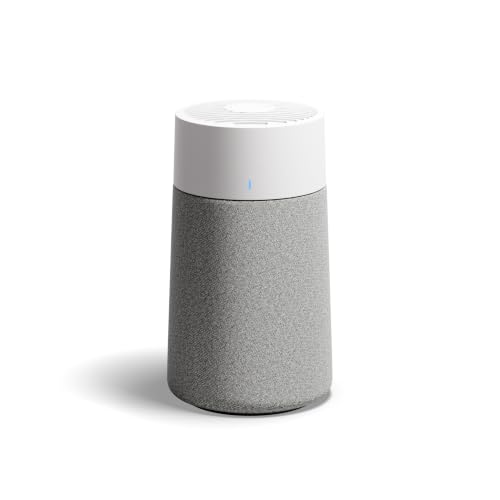
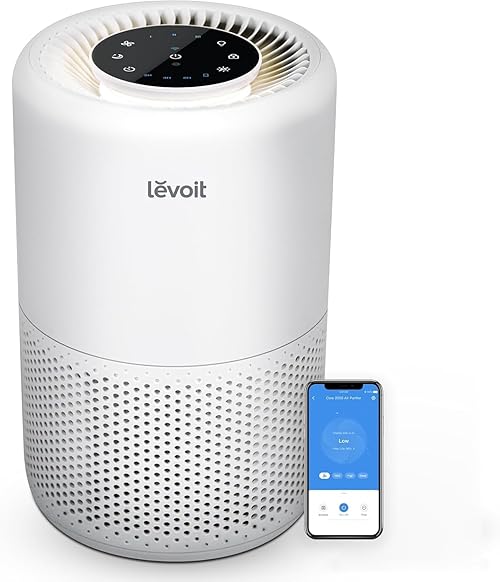
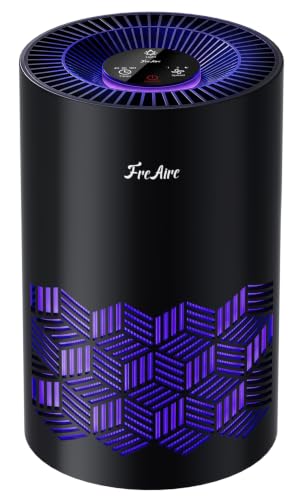
The product table lists compact models that fit this kind of space. Use the sections below to check coverage, noise and filter costs before you decide.





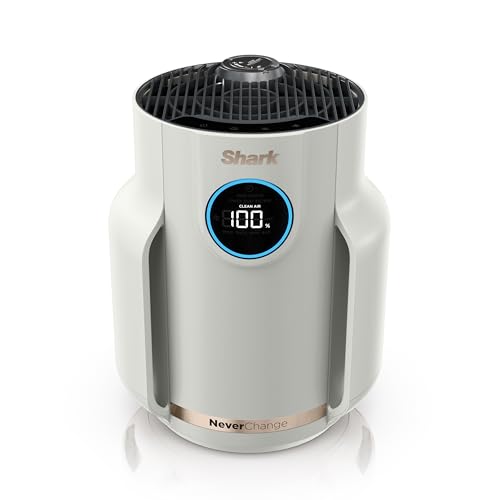
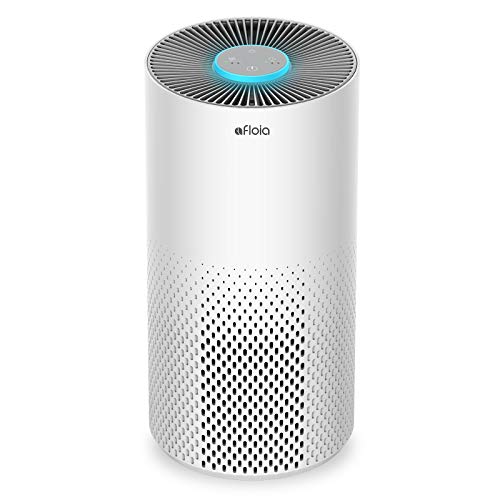
How to Size the Best Air Purifiers for Small Rooms
Start by multiplying room length by width to get square feet. Then compare that with the clean air delivery rate (CADR) printed on the box. A common rule of thumb is a smoke CADR of at least two thirds of the room area, so a 150 square foot room needs a rating near 100. Buying a unit rated one step higher lets you run it on a quieter speed and still get plenty of air changes each hour.
Ignore the largest coverage number in the listing title. Makers often calculate it from one air change per hour, which is too slow to help with dust, pollen or smoke. Look for the "up to" figure tied to a stated number of air changes, and prefer AHAM verified ratings when they are shown.
Filters That Matter in a Compact Unit
True HEPA
A True HEPA filter traps fine particles such as dust, pollen and pet dander. "HEPA type" or "HEPA style" wording usually means a lower grade, so look for a clear statement of True HEPA or H13.
Activated Carbon
Carbon absorbs odors and many gases. Small units often carry a thin carbon sheet, which is fine for light cooking or pet smells but fades quickly under heavy odor. If smell is your main problem, check how much carbon the filter holds.
Prefilter
A washable prefilter catches hair and large dust before they reach the main filter. It is one of the cheapest ways to extend filter life in a bedroom or dorm.
Noise, Lights and Placement
In a small room the purifier is always close to you, so noise matters more than in a big living space. Look for a sleep mode around 25 to 35 decibels and a display you can switch off. Decibel figures are given for each speed, so check the one you will actually use overnight.
Place the unit with a foot or more of open space around the intake and outlet. Keep it away from corners, heavy curtains and the back of a sofa. A spot near the bed but not blocked by bedding gives the cleanest air where you spend the most hours. Close the door while it runs so the unit cleans one room rather than the whole hallway.
Matching a Purifier to the Room Type
A bedroom is the most common small room, and it rewards a quiet sleep mode, a dimmable display and a modest CADR. A nursery or kids room benefits from the same traits, plus a child lock and a cord that sits out of reach. Follow the manufacturer's instructions on placement near cots and ask your pediatrician about any health concerns.
A home office of 100 to 150 square feet adds electronics, printers and long hours at a desk. Here a compact tower with a decent carbon layer helps with stale air, and a medium speed that stays near conversation level keeps calls clear. Dorm rooms and studio corners are similar, but cord length and weight matter more because the unit may move between rooms.
Bathrooms and walk in closets are usually too humid or too tiny for a purifier. Use a unit in the main room and keep that door open if you want the air nearby to improve as well.
Budget Tiers and Running Costs
Compact purifiers for small rooms commonly cost about $30 to $150. The lower end suits a single bedroom, with simple speeds and a basic filter. Mid priced models add a stronger CADR, a sleep mode and an air quality sensor. Higher priced compact units add app control and longer lasting filters.
Electricity is a small cost, usually a few dollars a month. Filters are the larger expense, often $15 to $50 every six to twelve months. Check the price of the replacement filter before you buy, because a cheap unit with costly filters can cost more over two years than a pricier one.
Common Mistakes to Avoid
- Buying by the biggest coverage claim. Compare CADR instead and size up one step.
- Choosing a unit with no published CADR. Without it you cannot tell what the unit really delivers.
- Blocking the intake. A unit tucked behind furniture loses much of its airflow.
- Skipping filter changes. A clogged filter cuts airflow and lets odors return.
- Using ozone or ionizer features as the main cleaning method. Ozone can irritate the lungs, so look for models that state they produce no ozone.
For wider options, our guide to the best air cleaners and purifiers and the best home air purifiers compare larger units, and the best small air purifiers for bedroom goes deeper on sleeping spaces.
Frequently Asked Questions
What size air purifier do I need for a small room?
Pick a smoke CADR of at least two thirds of the room area in square feet. A 120 square foot bedroom needs about 80, and a unit rated a little higher lets you run it quietly.
Is a small air purifier enough for a bedroom?
Yes, for a closed bedroom a compact unit with a True HEPA filter and a CADR matched to the room is usually enough. For allergy specific advice see our guide to the best room air purifiers for allergies, and talk to your doctor about medical concerns.
Can I run an air purifier all night?
Yes. Most use about as much power as a light bulb, and a sleep mode keeps the noise low. Choose a model with a dimmable display so the lights do not disturb sleep.
How often should I change the filter?
Most True HEPA filters last six to twelve months, and sooner in dusty rooms or homes with pets. Wash the prefilter monthly if the model has one, and follow the manufacturer's instructions.
Where should I put it in a small room?
Place it with open space around the vents, away from corners and curtains, and within a few feet of the bed or desk. Avoid placing it directly against a wall.
Final Thoughts
Measure the room, match the CADR, and check noise and filter costs before you order. A compact True HEPA unit sized one step above your room is the safest path to the best air purifiers for small rooms, and the product table above makes it easy to compare compact models side by side.