Best Air Purifiers for Large Rooms 2026: A Buying Guide
Disclosure: We may earn a commission when you buy through links on this page, at no extra cost to you. As an Amazon Associate I earn from qualifying purchases. Learn more

Learn how to size the best air purifiers for large rooms, compare CADR and filter costs, and choose quiet, effective coverage for open plan living spaces.
Finding best air purifiers for large rooms starts with one number most buyers miss: how much clean air the machine actually delivers in your room size. A purifier that works well in a bedroom may barely change the air in an open plan living area. This guide explains sizing, filter costs, and noise in plain terms, so you buy coverage rather than claims.
Measure your room first, including open doorways to connected spaces, because air moves between rooms. The product table above compares the main types side by side, and the sections below cover who each type suits, which specs matter, and how to keep running costs reasonable over years of use.

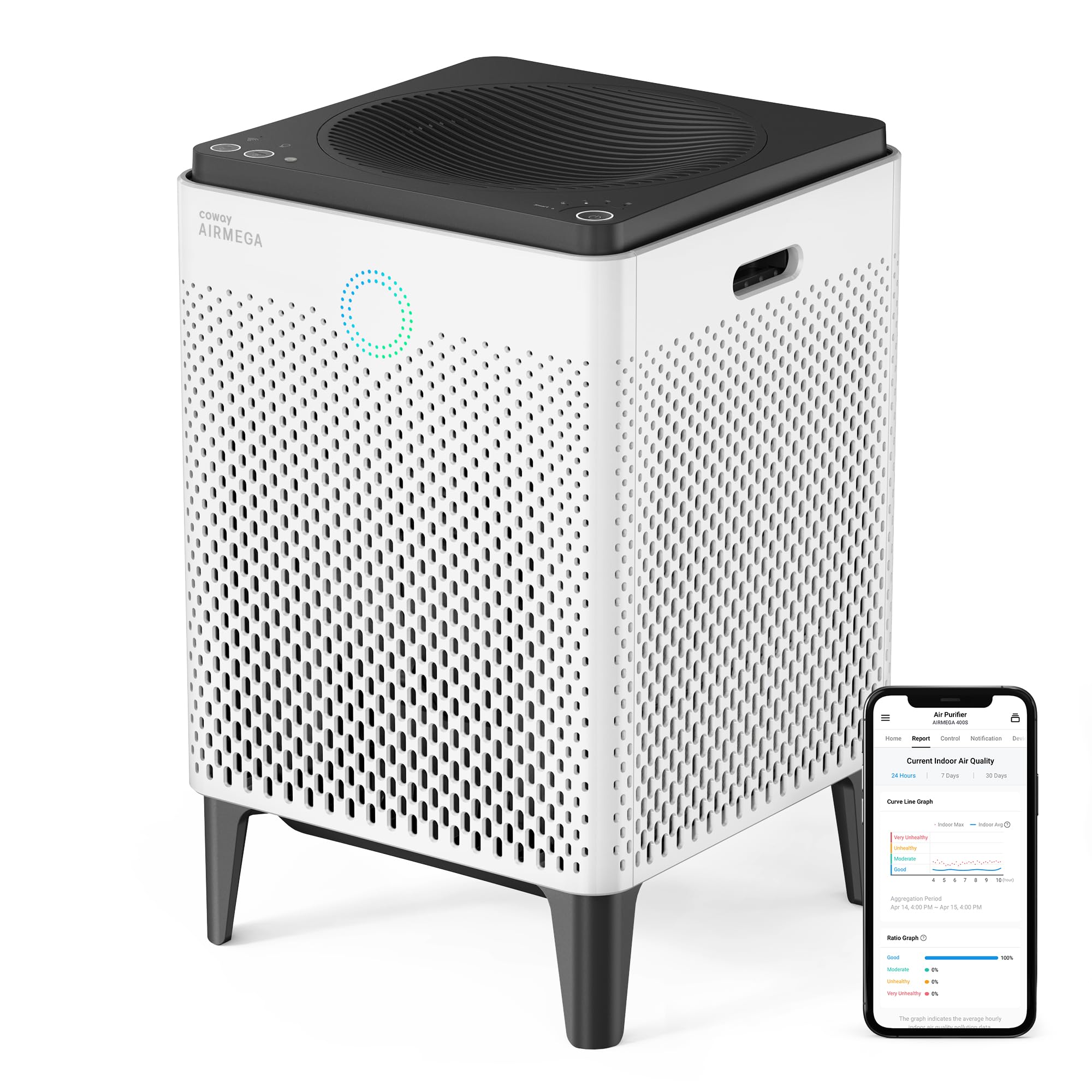


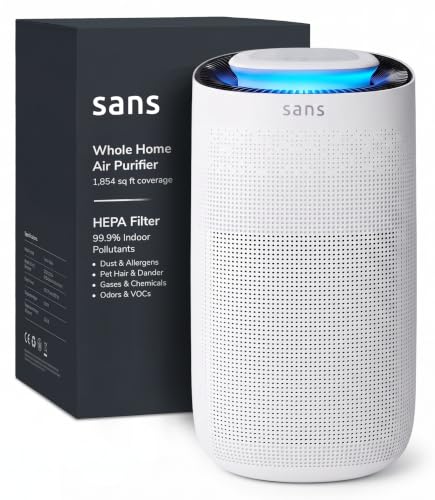


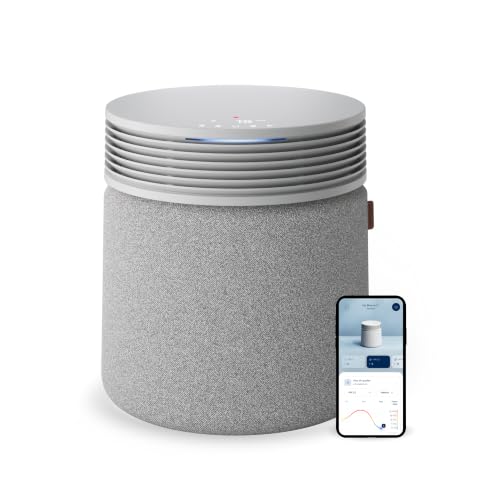

Who Should Buy Which Type
For Open Plan Living Areas
Open plan spaces need high clean air delivery and a fan that can run for hours without annoyance. Look for a model rated for your full open area, not just one corner, and check noise at the speed you will actually use. A larger model running at medium speed is usually quieter than a small model straining at top speed.
For Allergy Households
Allergy households should prioritize true HEPA filtration, a sealed system that prevents air leaking around filters, and a pre filter that catches dust and hair. Check filter replacement cost and how often filters need changing, because a cheap machine with costly filters becomes expensive quickly. Keep doors and windows closed during high pollen periods for best results.
For Pet Owners and Smokers
Pet hair, dander, and smoke need strong airflow plus a carbon stage for odors. A washable pre filter helps with hair, while a substantial carbon filter handles smells better than a thin carbon sheet. Remember that purifiers reduce airborne particles but cannot remove settled dust, so regular vacuuming still matters.
Key Features Explained in Plain English
CADR and Room Size
Clean air delivery rate tells you how much filtered air a purifier supplies, and it matters more than room size claims alone. A good rule is to match the delivery rate to at least two thirds of your room area for allergy use, and to check the rate at a noise level you can live with. If the maker only quotes top speed, ask what the machine delivers at medium speed.
True HEPA and Sealed Systems
True HEPA filters capture very fine particles, but only if air actually passes through the filter rather than leaking around it. A sealed system and a snug filter fit matter as much as the filter grade. Avoid vague terms like HEPA type, which do not guarantee the same performance, and check independent test results where available.
Carbon Filters and Odors
Carbon filters absorb smells and gases, but thin sheets saturate quickly in smoky or pet heavy homes. A deeper carbon bed lasts longer and handles odors better, though it adds weight and cost. Replace carbon on schedule, because a saturated filter stops helping and can release trapped smells back into the room.
Noise, Energy and Running Costs
Noise at your usual speed decides whether the purifier stays on all day, which is when it helps most. Energy use is usually modest, but filter sets are the main running cost. Add filter cost over two years to the purchase price, and compare that total across models before deciding.
How to Compare Options and Set a Budget
Budget tiers reflect coverage and filter quality. Smaller large room models at about $150 to $300 suit single large rooms with moderate needs. Stronger models at about $300 to $600 cover open plan areas with better filtration and quieter medium speeds. Above that range you pay for larger coverage, smarter sensors, and longer filter life, so check filter prices before stretching.
Compare options by clean air delivery at usable noise, filter cost over two years, and fit in your room. A purifier that runs quietly all day at the right delivery rate beats a powerful machine you switch off because it is loud. Place it where air flows freely, away from walls and curtains, for the best coverage.
Related guides can help you narrow the choice further. Read our guide to best air cleaners and purifiers if that angle matters more to you. Read our guide to best hepa air purifiers for large rooms if that angle matters more to you. Read our guide to best large air purifiers if that angle matters more to you. Read our guide to best home air purifiers if that angle matters more to you. Read our guide to best air purifiers for small rooms if that angle matters more to you.
Care, Safety and Common Mistakes
Replace filters on schedule and vacuum the pre filter regularly, because a clogged filter cuts airflow and raises noise. Wipe sensors gently so auto mode reads correctly, and keep the intake clear of furniture and curtains. If air quality readings stay poor, check for open windows, cooking smoke, or a filter fitted the wrong way round.
A common mistake is buying for a single room while ignoring open doorways, which spreads the load across a larger area. Another is running the purifier only for an hour, when steady operation gives far better results. Run it continuously at a comfortable speed, and use boost mode for cooking, cleaning, or high pollen days.
A Final Check Before You Buy
Before you buy, measure the full open area you want to clean, including rooms connected by open doorways. Air moves freely between connected spaces, so a purifier sized for one room alone will struggle in an open plan home. Sketch the area, note ceiling height if it is unusually high, and choose delivery capacity for that total space.
Test noise tolerance honestly by imagining the purifier running all day in your living space. A machine that sounds fine for five minutes in a shop may annoy after hours at the same speed. Larger models running at medium speed usually sound quieter than small models at top speed, so size up when noise matters.
Add up filter costs over two years before comparing purchase prices. A purifier with expensive filters can cost more overall than a pricier model with long lasting filters. Check how often each filter stage needs replacement in your conditions, especially if you have pets, smoke, or high dust levels.
Consider placement options in your room. A purifier needs clear airflow around it, away from walls, curtains, and furniture that block intake. Plan a spot near the center of activity but out of walkways, and check cord length so the machine does not need an extension cord across a path.
Finally, think about sensors and auto mode reliability. Good sensors adjust speed to real conditions, while poor sensors overreact to cooking steam or ignore gradual dust build up. Read how the sensor works, keep it clean, and be ready to use manual speeds when auto mode misreads your home.
Think about who spends time in the room and what triggers their symptoms, because allergy, pet, and smoke needs differ. A household with asthma needs strong filtration and sealed construction, while a pet household needs hair handling and odor control. Match the filter system to the people in the room, not just to the room size.
Ask yourself what would make you recommend the purifier after a year. Usually the answer is quiet steady operation, affordable filters, and noticeably fresher air. If a shortlisted model fails any of those tests, keep looking, because a purifier switched off for noise or cost helps no one.
Frequently Asked Questions
How do I size a purifier for a large room?
Measure the full open area including connected spaces, then choose a model whose clean air delivery suits that area at a noise level you accept. A larger model at medium speed usually beats a small model at top speed. If in doubt, size up rather than down for open plan rooms.
Is true HEPA worth paying for?
Yes for allergy and asthma sensitive households, because true HEPA captures fine particles that trigger symptoms. Make sure the system is sealed so air cannot bypass the filter, and be wary of HEPA type claims that do not meet the same standard. Filter fit matters as much as filter grade.
How often should I replace filters?
Follow the maker schedule, usually every 6 to 12 months for main filters and more often for pre filters in pet homes. Heavy use, smoke, or high dust shortens filter life, and a clogged filter reduces airflow. Note the replacement date when you fit a new filter so you do not guess later.
Should I run a purifier all day?
Yes, steady operation at a comfortable speed gives the best air quality, because particles build up continuously from people, pets, and cooking. Use a higher speed for short periods when needed, then return to a quiet steady speed. Turning the machine off for most of the day wastes its benefit.
Do air purifiers remove odors completely?
Purifiers with a good carbon stage reduce odors noticeably, but they cannot remove the source of a smell. Ventilate when possible, clean the source, and replace carbon filters on schedule. Thin carbon sheets help only briefly, while deeper carbon beds last longer in smoky homes.
Final Thoughts
Size by clean air delivery, check filter costs over two years, and choose a noise level you can live with all day. Those three checks narrow the field quickly, and the product table above gives a final side by side view. Chosen this way, best air purifiers for large rooms delivers steady, quieter air rather than a noisy box that stays switched off.