Best Air Purifiers for Fire Smoke by Budget: A Smart Guide for 2026
Disclosure: We may earn a commission when you buy through links on this page, at no extra cost to you. As an Amazon Associate I earn from qualifying purchases. Learn more

Learn how to choose the best air purifiers for fire smoke by budget, with CADR, carbon filter, room size, noise, and running cost guidance for every home.
Air purifiers that claim to handle fire smoke range from under $100 to well over $800, and the price gap can feel hard to justify when boxes all promise cleaner air. This guide exists to show you where money actually changes results and where it only buys extras. If you are comparing best air purifiers for fire smoke for a bedroom, a living room, or a whole floor, start with smoke CADR, carbon weight, and room size, then use budget to decide which comforts you can add.
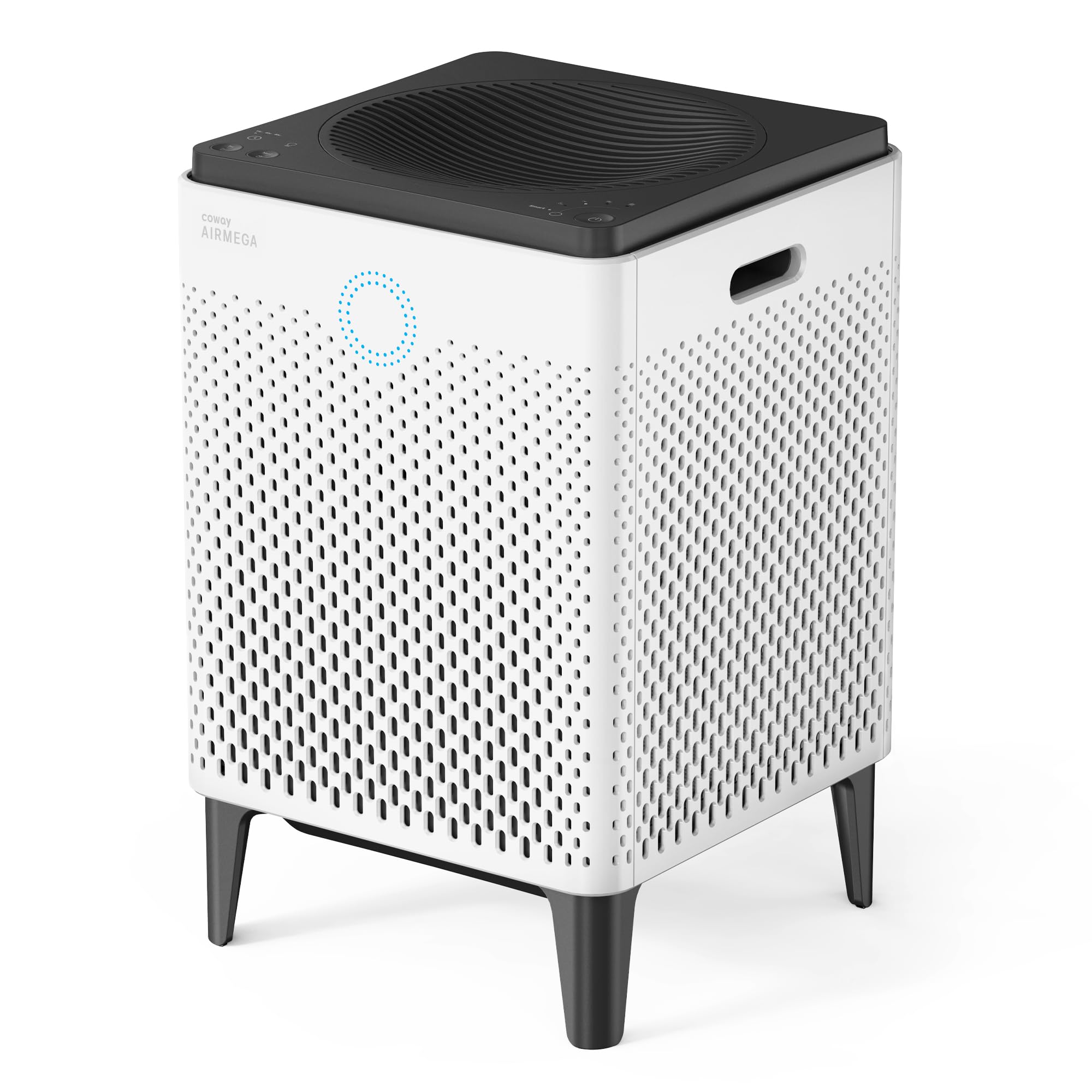
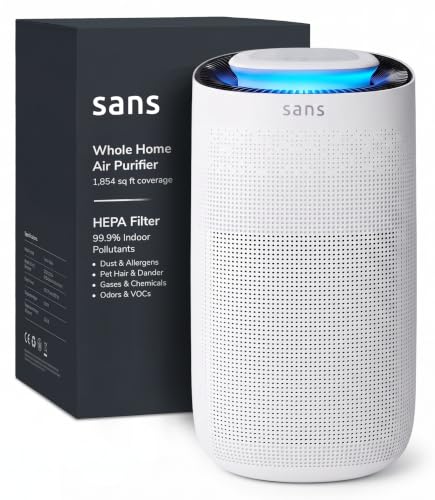
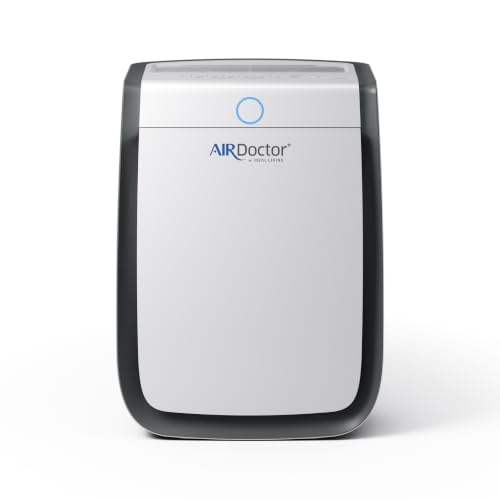
Below, the comparison table below gathers the models that fit the criteria in this guide. Read the tier sections first if you are still deciding how much to spend, because the right budget depends more on your room and smoke exposure than on any single feature list.




What a Good Choice Looks Like at Three Budget Levels
Instead of chasing a single winner, judge each price level against a clear standard. A model earns its place at any tier when its smoke CADR matches your room, its carbon stage is substantial enough for odor, and its filters are easy to buy and replace.
Budget Tier: What a Good Choice Looks Like
At around $100 to $200, a good choice is a compact unit with a True HEPA filter and a smoke CADR high enough for one bedroom. Expect basic controls, a simple filter reminder, and a modest carbon layer that softens light odor rather than removing heavy smoke smell. The tradeoff is coverage, since these units fall behind in open living areas. Choose this tier for a single closed room, occasional smoke days, and a sleeping space where door closed operation lets the purifier keep up.
Midrange Tier: What a Good Choice Looks Like
At around $200 to $400, a good choice adds a stronger fan, a larger carbon stage, and an air quality sensor that raises speed when smoke drifts in. Smoke CADR values in this tier suit most living rooms, and sleep modes usually get quiet enough for bedrooms. You also tend to get better build quality and filters that last closer to a full year. The tradeoff is size, because stronger units are larger. For most households facing repeated smoke events, this tier delivers the clearest jump in daily performance.
Premium Tier: What a Good Choice Looks Like
Above around $400, a good choice pairs high smoke CADR with several pounds of activated carbon, so particles and odor both drop faster in large spaces. Expect quieter operation at useful speeds, polished app controls, and detailed air quality displays. These units suit large rooms, whole floor plans, and homes in regions with long smoke seasons. The tradeoff is ongoing cost, since large replacement filters cost more. Spending here pays off only when your space or exposure truly demands the extra capacity, not because premium badges promise cleaner air by themselves.
What Your Money Gets You at Each Price Tier
Budget Tier: What to Expect
Budget models clean one small room well and ask little from you beyond filter changes. Fans are smaller, so air changes per hour drop quickly as room size grows, and carbon stages are thin pads rather than deep beds. Noise at top speed can be intrusive, which matters because smoke events call for high speed. This tier works when smoke is occasional and your target room has a door you can close. Treat any claim of huge coverage at this price with skepticism and check the smoke CADR yourself.
Midrange Tier: The Sweet Spot for Most Buyers
Midrange models balance power, noise, and filter life in a way budget units rarely manage. You get sensors, auto mode, and carbon amounts that noticeably reduce smoke odor in a typical living room. Replacement filters are widely stocked, which matters during regional smoke events when supplies sell out. If your home has one main living space and a bedroom to protect, one midrange unit moved between rooms, or two smaller units, often beats one premium machine. Compare cost per year of filters, not just the purchase price.
Premium Tier: When Spending More Pays Off
Premium models earn their price through capacity and calm. Deep carbon beds keep working on odor after thin pads fade, and larger cabinets move more air at lower, quieter speeds. That combination matters during multi day smoke events when the purifier runs constantly and the whole household shares one space. Premium tiers also suit large rooms and whole home use, and if that is your situation, see our guide to the best home air purifiers for broader coverage advice. Buy this tier for space and endurance, not for app extras.
Features Worth Paying For and Ones to Skip
Features That Matter for Fire Smoke
Fire smoke is mostly fine particles plus gases that carry the burnt smell, so you need two different defenses. A True HEPA filter captures the particles, including the PM2.5 fraction that irritates lungs, while activated carbon adsorbs odor causing gases. Look for a smoke CADR rating rather than a pollen rating, and favor models that state carbon weight instead of hiding behind a thin carbon pad. Skip ionizers and ozone producing extras, since ozone is itself a lung irritant and adds nothing you need during a smoke event.
Energy Efficiency and Operating Cost
Smoke events can mean running a purifier around the clock for days, so watt draw matters more than it does for occasional dust control. ENERGY STAR certified models move more clean air per watt, which keeps both electricity cost and heat output down. A typical midrange unit on medium speed uses about as much power as a bright light bulb. Check the watt rating at the speed you will actually use, because top speed figures alone can mislead. Efficient models also tend to run cooler and quieter during long stretches.
Noise Level and Sleep Mode
A purifier only helps if you keep it running, and noise is the top reason people switch units off at night. Look for a sleep mode rated under about 30 decibels and a display that dims fully, since small lights bother light sleepers. Be aware that sleep speed moves far less air, so size the unit so a medium setting, not the whisper setting, can handle your bedroom. During heavy smoke, many people run the unit on high before bed, then drop to sleep mode once the room air has cleared.
Installation and Placement
Purifiers need no installation, but placement decides how much of the rated performance you actually get. Keep the unit on the floor of the room where you spend the most time, with several inches of clearance around the intake and outlet. Do not tuck it behind a sofa or inside a cabinet, because blocked airflow cuts cleaning speed sharply. Keep doors and windows closed while it runs, and place it away from the kitchen if cooking smoke would constantly trigger the sensor. A second small unit often beats moving one large unit between rooms.
Room Size and Coverage
Match the smoke CADR to your room using a simple rule: the smoke CADR should be at least two thirds of the room area in square feet. A 300 square foot room therefore needs a smoke CADR of about 200 or higher for ordinary use. During heavy fire smoke, aim higher, because experts suggest 4 to 5 air changes per hour to keep particle levels down. Measure the room where you sleep first, since clean air overnight protects the hours you cannot control. If your main threat is smoke drifting in from outside fires, see our guide to the best air purifiers for smoke from fires for exposure specific advice.
Picking the Right Air Purifiers for Different Uses
Your best spending plan depends on the job. A nursery or bedroom needs quiet and steady particle removal, a living room needs capacity, and a home office needs a footprint that fits under a desk edge. Renters who face a few smoky weeks a year can favor portability and storage, while households in fire prone regions should buy for the worst week, not the average one. For smoke that comes specifically from wildland fires, see our guide to the best air purifiers for forest fire smoke, which covers longer events in more depth.
Best Air Purifiers for Fire Smoke Removal: Where Your Money Goes
The phrase best air purifiers for fire smoke removal points at a harder job than simple dust control, because removal means both particles and lingering odor. Your money should go first to a sealed True HEPA stage, second to a deep activated carbon bed measured in pounds, and third to a fan strong enough to pull room air through that dense media. For a focused look at odor and gas removal, see our guide to the best smoke removal air purifiers. Decorative extras contribute nothing to removal, so fund the filter stack before anything else.
Long Term Costs to Factor In
The purchase price is only the first year of ownership. Replacement HEPA and carbon filters for smoke duty typically need changing every 6 to 12 months, and sooner after a severe smoke event, because carbon that has soaked up odor stops working even when it looks clean. Annual filter cost ranges from around $50 for small units to well over $200 for premium models, so divide that cost into your tier decision now. Add modest electricity for near constant running, and check warranty length, since fan motors work hard during smoke season. A cheaper unit with costly, scarce filters can cost more over three years than a midrange model with common, fairly priced ones.
Air Purifiers: Your Questions Answered
What features matter most in air purifiers for fire smoke?
A sealed True HEPA filter and a substantial activated carbon stage matter most, backed by a smoke CADR matched to your room. One extra point worth knowing is that filter sealing matters as much as filter grade, because air that leaks around the filter edges never gets cleaned. Look for gaskets or a snug housing, and press replacement filters in firmly so the seal stays tight.
Is an air purifier expensive to run all day?
No, running an air purifier all day is usually cheap, often costing only a few dollars a month on medium speed. Cost climbs if you run a large premium unit on its highest setting for weeks. A practical trick is to use auto mode, which spends most hours at low speed and only ramps up when smoke levels rise, keeping both cost and noise down without any effort from you.
Do air purifiers really work for fire smoke?
Yes, a properly sized purifier with True HEPA filtration measurably lowers indoor particle levels during smoke events. It works on the air inside a closed room, though, so it cannot keep up if windows stay open or smoke pours in through large gaps. Pair it with simple sealing steps, like closing fireplace dampers and using door sweeps, and the improvement becomes much more noticeable.
Where is the best place to put an air purifier during a smoke event?
The best place is the room where you spend the most time, usually the bedroom, set on the floor with clear space around it. Keep it away from walls and curtains so intake air flows freely. If you have one unit and two key rooms, run it in the living area by day and move it to the bedroom at night, since sleep hours are when clean air matters most for recovery.
What size air purifier do I need for my room?
Choose a unit whose smoke CADR is at least two thirds of your room area in square feet, then round up if your ceilings are high. High ceilings hold more air volume, so a tall room needs more capacity than its floor area suggests. When in doubt, buy one size larger and run it on a lower, quieter speed, which cleans as well as a small unit on high while lasting longer between filter changes.
The Bottom Line
Decide your tier by room size and smoke exposure first: budget for one small closed room, midrange for most living spaces, premium for large areas and long smoke seasons. Whatever you spend, put the money toward smoke CADR and real carbon weight, and check the product table above to compare models against those two numbers. Chosen that way, the best air purifiers for fire smoke become a calm, practical purchase instead of a rushed one. If smoke exposure leaves you coughing, short of breath, or with chest discomfort, talk with your doctor promptly, and discuss your personal air quality needs with them before the next smoke season.