Best Air Purifiers for Smoke from Fires: What Actually Matters Before You Buy for 2026
Disclosure: We may earn a commission when you buy through links on this page, at no extra cost to you. As an Amazon Associate I earn from qualifying purchases. Learn more

Use this buying guide checklist for the best air purifiers for smoke from fires, covering CADR, filters, room size, noise, and running costs.
Wildfire smoke can linger for days, and the fine particles in it are small enough to irritate your lungs, eyes, and throat even indoors. Choosing best air purifiers for smoke from fires is not about chasing the biggest filter claim. It is about matching clean air delivery to your room, using the right filter media, and running the unit long enough to matter.
This guide gives you a clear checklist you can apply to any model. Compare the options in the comparison table below, then use the criteria here to decide whether a unit is truly built for heavy smoke or just for light dust.




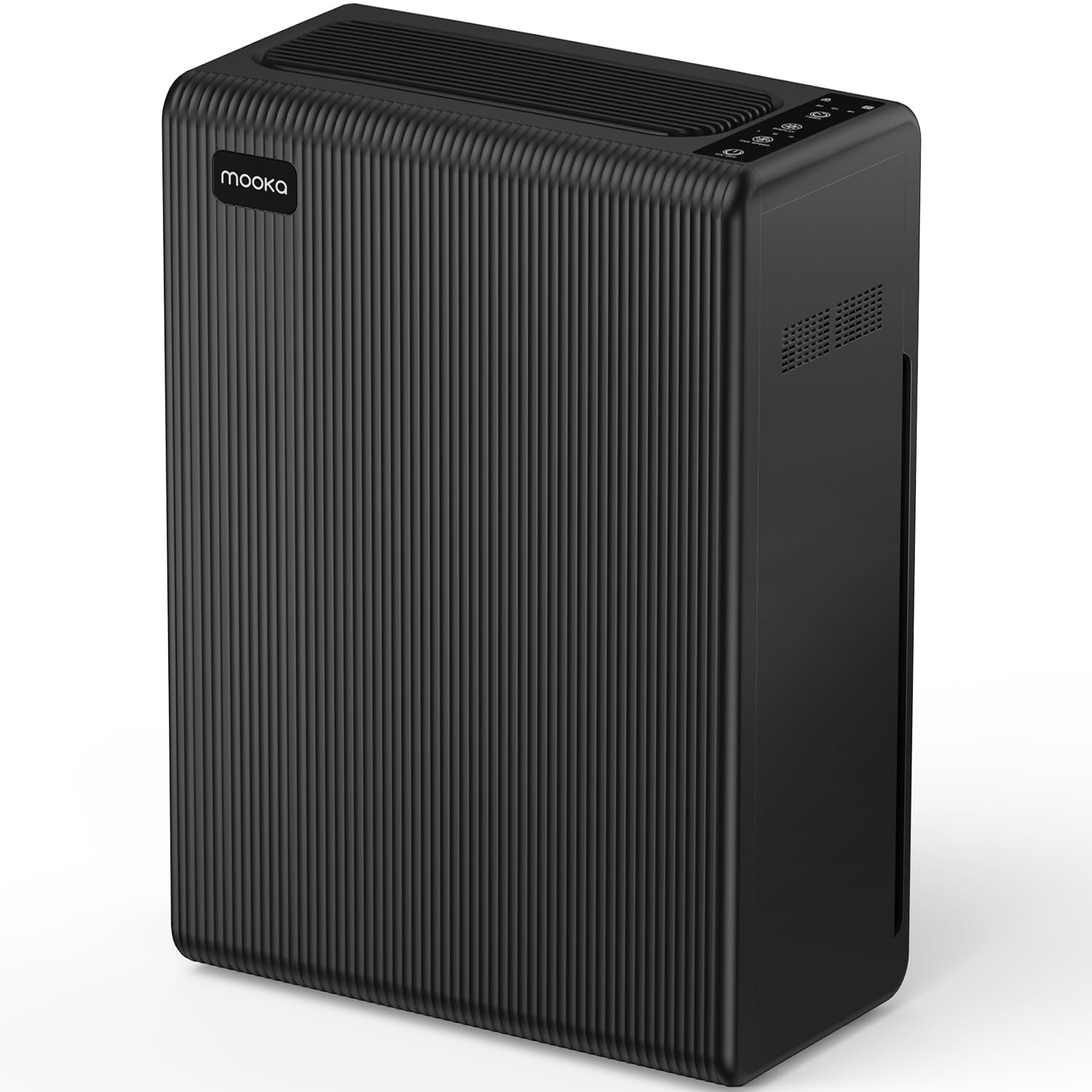

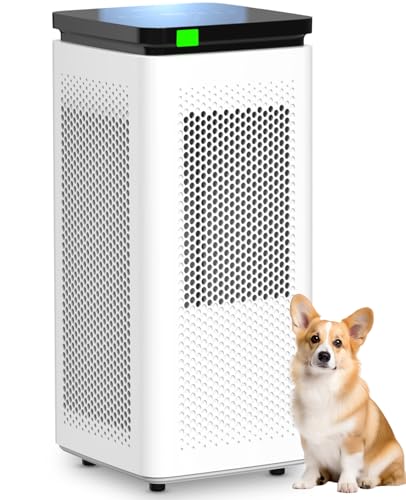

How We Evaluate Air Purifiers
Smoke is different from ordinary dust because it mixes fine particles with gases and odors. A good evaluation looks at particle capture, gas capture, airflow, and how the unit behaves when you run it for many hours at a time. The sections below turn those ideas into pass or fail checks you can use while shopping.
Features That Matter for Smoke from Fires
Start with True HEPA filtration, which captures the very fine particles that make up most of wildfire smoke. You also need a substantial amount of activated carbon, because HEPA alone does little for smoke odor and many gases. Look for carbon measured in pounds rather than a thin sheet with a light coating. A prefilter helps too, since it catches hair and larger dust before they clog the main filter. If a listing hides the carbon weight or the filter type, treat that as a weak sign.
Room Size and Coverage
Match the unit to the room where you will close the door and spend the most time, usually a bedroom or living room. Check the CADR rating and the room size rating from AHAM, and aim for about four to five air changes per hour during heavy smoke. That means you often need a unit rated for a room larger than yours on paper. A unit that is too small will run hard and still leave the air hazy, while a correctly sized large room unit can run slower and quieter.
Installation and Placement
Most portable units need no installation, but placement decides how well they work. Leave several inches of clearance around the intake and the outlet so air can move freely, and keep the unit away from corners and curtains. Place it in the room you occupy most, not in a hallway where cleaned air drifts away. During a smoke event, keep doors and windows closed while the unit runs. If you move the unit between rooms, choose one with sturdy handles and a weight you can carry safely.
Smart Controls and Sensors
A particle sensor and an auto mode can help because smoke levels change through the day as wind shifts. In auto mode the fan rises when the sensor reads more particles and slows when the air clears, which saves energy and reduces noise. App controls and schedules are useful if you want the unit to ramp up before you get home. Sensors are not perfect, though, and dust on the sensor lens can skew readings. Treat the display as a guide, and trust how the air feels and smells as well.
Safety Features
Look for a recognized safety listing such as UL or ETL and for AHAM verification of CADR claims where available. A stable base, tip over protection on some designs, and a child lock on the controls all add peace of mind in a busy home. Avoid units that produce ozone, and check that the maker states the unit is ozone free or compliant with California air cleaner rules. During long smoke events you will run the unit around the clock, so basic electrical safety matters as much as filtration.
Noise Level and Sleep Mode
Noise decides whether you will actually keep the unit running at night. Check the decibel rating on the lowest speed and on the speed you would need for smoke, not just the quietest marketing number. Many units sound fine on low but are too loud on high for a bedroom. A sleep mode that dims lights and drops the fan can help, but it also cleans more slowly. A smart approach is to run the unit on a higher speed before bed, then step it down once the air is already clean.
Three Price Tiers That Pass Our Checklist
Instead of chasing a single model, think in tiers. Each tier below describes what you should expect to get, who it suits, and what trade off to accept. Use the product table above to map current options into these tiers.
Overall Tier
The overall tier, often about $250 to $450, balances strong CADR, True HEPA filtration, and several pounds of carbon in a unit sized for a main bedroom or living room. This is the right target for most homes facing repeated wildfire smoke each season. You should expect verified ratings, a useful particle display, and filter costs that stay reasonable over a year. The main limit is size, since these units are larger and heavier than compact models. If you have one main room to protect, spend here first before buying two small units.
Value Tier
The value tier, often about $120 to $250, suits a single bedroom or a smaller apartment where the door stays closed. You still want True HEPA and real carbon, but the carbon amount and CADR will be lower, so the unit needs more time to clear a smoky room. This tier works well when smoke is occasional rather than constant all summer. Watch the yearly filter cost closely, because a cheap unit with pricey filters can cost more over two years than a mid priced unit. Value means low total cost, not just a low first price.
Premium Tier
The premium tier, often about $450 to $800 or more, adds very high CADR, large carbon beds, and quieter operation at useful speeds for open plan spaces. It suits large rooms, homes where someone has asthma or other lung concerns, and people who need clean air across a wide area. You pay more up front and filters cost more too, so confirm the room truly needs that capacity. For readers comparing broader options, see our guide to the best home air purifiers for how whole home needs differ from a single smoke room.
Quick Buyer Checklist
Run through these questions before you buy. A good match should give you a yes on most of them.
- Does the unit use True HEPA filtration for fine smoke particles?
- Does it list a meaningful amount of activated carbon for odor and gases?
- Is the CADR sized for your room with room to spare for four to five air changes per hour?
- Are CADR and room size claims verified by AHAM or clearly stated?
- Can you sleep with the noise level on the speed you will actually use?
- Do you know the yearly filter cost and where to buy replacements?
- Is the unit safety listed and stated to produce no ozone?
- Will it fit with clearance in the room where you spend the most time?
If you answered no on filtration or sizing, keep looking. Those two points matter more than app features or lights. For a related view on heavy smoke, our guide to the best air purifiers for forest fire smoke covers longer seasonal events.
Red Flags to Watch For
Vague claims are the biggest warning sign. Be cautious if a listing promises to clean a huge area without giving a CADR number, or if it uses words like HEPA type or HEPA style instead of True HEPA. Very short warranties, no clear filter part numbers, and no safety listing also suggest weak support. Another flag is a tiny carbon sheet marketed as if it will remove strong smoke odor for months. Finally, be wary of review patterns that praise odor removal but never mention room size, since results depend heavily on sizing.
Price alone is not a red flag, but a very low price paired with high coverage claims usually means something was cut. Check what was cut before you trust the claim. Readers who want the closest comparison should also see our guide to the best air purifiers for fire smoke, which focuses on the same particle problem from a slightly different angle.
Care and Maintenance Tips
Replace or clean filters on the schedule the maker gives, and sooner during heavy smoke when prefilters load up fast. Vacuum the prefilter often so the HEPA filter lasts longer and airflow stays strong. Keep doors and windows closed while the unit runs, and leave clearance around the intake and exhaust at all times. Wipe the exterior and the sensor lens with a dry cloth so readings stay sensible. Mark the filter change date on a calendar, because a clogged filter quietly cuts performance.
Smoke safety goes beyond the purifier. If outdoor air is hazardous, limit time outside, and seek medical care promptly for chest pain, severe shortness of breath, wheezing that does not ease, or confusion. People with asthma, heart disease, or lung disease, and older adults and young children, should talk with their clinician about a personal smoke plan. A purifier helps indoor air, but it does not replace medical advice or evacuation orders from local officials.
Frequently Asked Questions
What features matter most in air purifiers for smoke from fires?
True HEPA filtration and a substantial carbon bed matter most. HEPA captures the fine particles, while carbon helps with odor and gases that pass through a particle filter. After those two, look at verified CADR for your room size. A unit with both filter types but too little airflow for the room will still disappoint, so treat filtration and sizing as a pair rather than separate boxes to tick.
Where is the best place to put it?
Put the unit in the closed room where you spend the most time, with clearance on all sides. A bedroom is often the best first choice because you breathe that air for many hours while you sleep. Keep it a short distance from the bed so noise and airflow do not disturb you. Avoid placing it behind furniture or in a corner, since blocked intakes cut cleaning speed even when the filter itself is excellent.
What size do I need for my room?
Choose a unit whose AHAM rated room size is larger than your room if smoke is heavy. That extra capacity lets the unit deliver about four to five air changes per hour without running at its loudest speed all day. Measure the room in square feet first, then compare that number to the rating. For open plan spaces, one large unit near the seating area usually works better than a small unit placed far away.
How often should I replace the filter?
Follow the maker schedule as a starting point, often about six to twelve months for a HEPA filter. Heavy smoke can shorten that life, so watch for reduced airflow, a musty smell when the unit runs, or a change indicator that stays on after you vacuum the prefilter. Carbon loses odor control sooner than HEPA loses particle control. If the smell returns quickly after airing the room, the carbon may be spent even if the HEPA still looks clean.
Is it expensive to run 24/7?
No, most portable purifiers use modest power, similar to a light bulb or a small fan depending on speed. Cost rises on high speed and falls a lot on low or auto mode. Using an ENERGY STAR certified model helps keep the yearly cost down. During a smoke event, running around the clock in one closed room is usually far cheaper than trying to clean a whole house with several units on high.
Do air purifiers really work?
Yes, a correctly sized HEPA purifier measurably lowers indoor fine particle levels when doors and windows stay closed. It will not make indoor air perfect if smoke keeps leaking in through gaps, and it does not remove carbon monoxide. Seal obvious gaps, run the unit continuously, and give it time after you close the room. For broader cleaning needs beyond smoke, see our guide to the best air cleaners and purifiers.
Final Thoughts
Focus on three things: True HEPA plus real carbon, verified CADR that is generous for your room, and noise you can live with at night. Get those right and the best air purifiers for smoke from fires choice becomes much simpler, whether you pick a value, overall, or premium tier unit. Use the comparison table above to check your short list against the checklist, and talk with your clinician about personal needs if smoke affects your breathing.