Best Air Purifiers for Forest Fire Smoke of 2026: Complete Buying Guide
Disclosure: We may earn a commission when you buy through links on this page, at no extra cost to you. As an Amazon Associate I earn from qualifying purchases. Learn more

Learn how to choose the best air purifiers for forest fire smoke with CADR sizing, True HEPA and carbon filter guidance, placement tips, and cost advice.
When forest fire smoke settles over a town, it can linger for days or weeks, seeping under doors and turning indoor air stale and irritating. A standard dust purifier often cannot keep up with that load. This guide walks you through the best air purifiers for forest fire smoke by explaining the ratings, filters, and sizes that matter for long smoke events, so you can protect one room well or cover a whole living space with confidence.
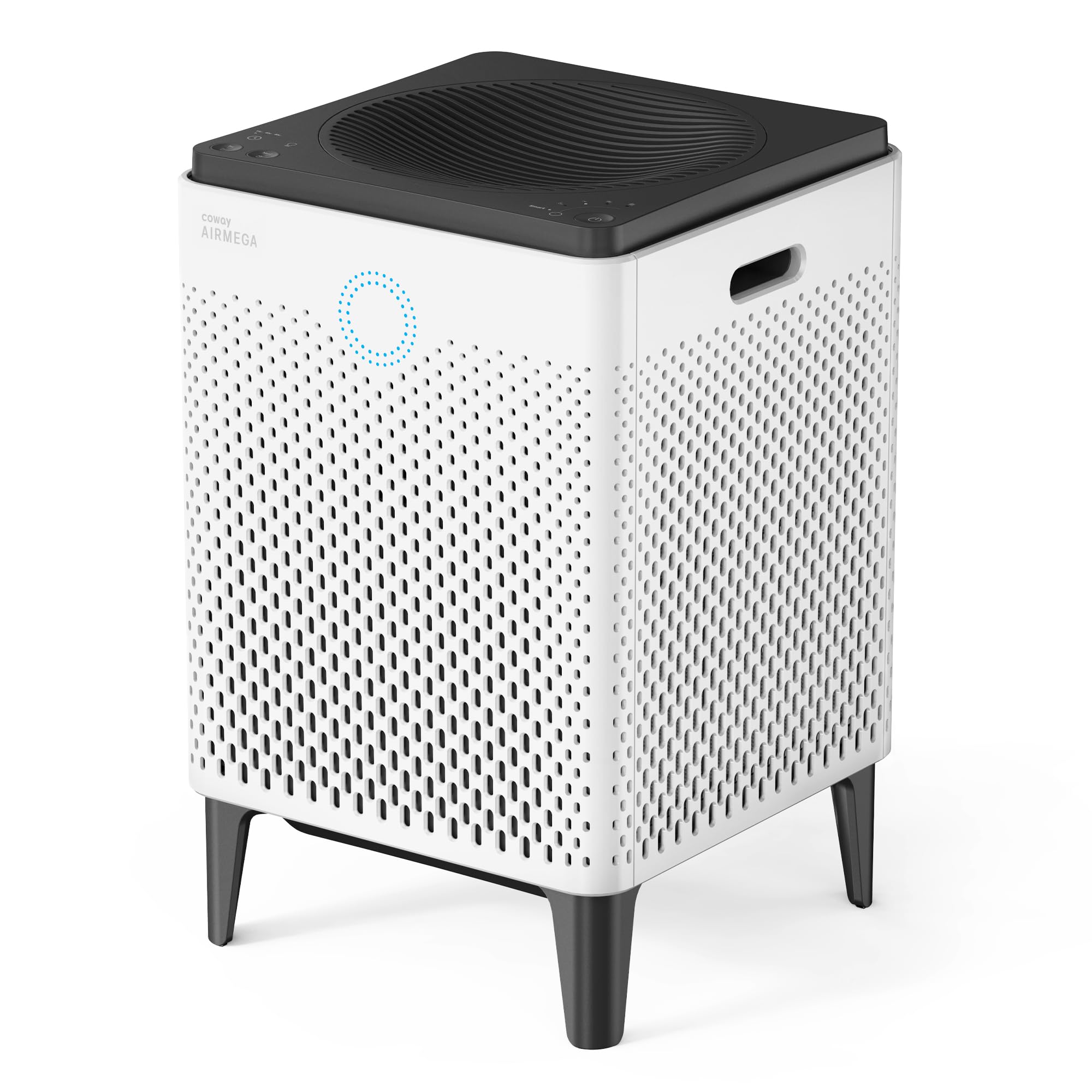
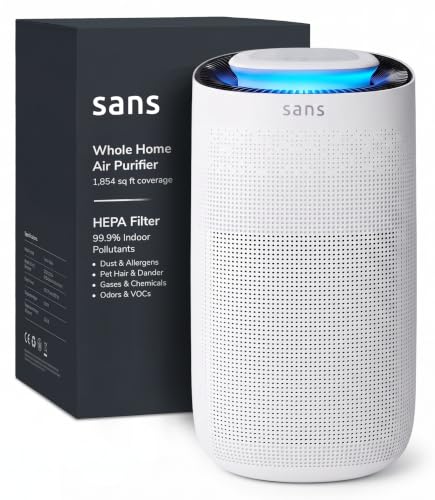
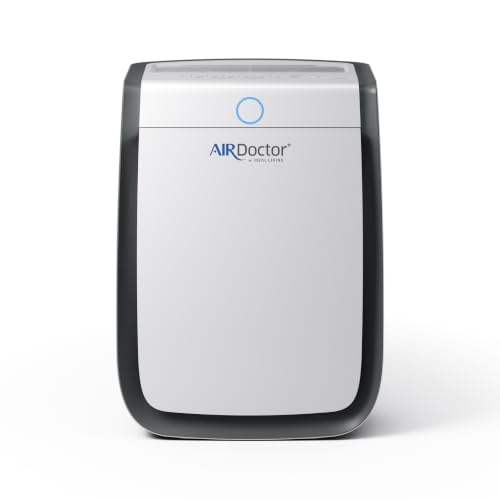
The comparison table below lists models that match the criteria ahead. Read the buying guide first if smoke season is approaching, because choosing the right size before smoke arrives is far easier than shopping while the air outside is already hazardous.




Three Budget Levels and What Each One Should Deliver
Think of the market in three levels. Each level below describes the standard a model should meet before it deserves your money, with no named products, so you can judge any option in the product table above against the same yardstick.
Core Standard
A model that aims at the core standard should pair a smoke CADR sized generously for a main living room with a sealed True HEPA filter and a meaningful carbon stage. It should run quietly at medium speed, because forest fire smoke demands hours of daily use. Sensors that react to rising particle levels add real value here, since outdoor conditions change through the day. Expect to pay around $250 to $450 for this balance. Anything at this price missing a smoke CADR rating or relying on a thin carbon pad falls short of the standard.
Value Standard
A value focused model should deliver honest smoke CADR for a bedroom or small living room at around $120 to $250. It may skip app controls and fancy displays, and its carbon stage will be modest, but the core filtration must be genuine True HEPA with a tight seal. Filter replacements should be easy to find and fairly priced, because value disappears when consumables cost a fortune. This level suits renters, students, and anyone protecting one main room during a few smoky weeks each year rather than a whole house.
Premium Standard
A premium model should justify a price above around $450 with capacity and endurance: high smoke CADR for large or open plan spaces, several pounds of activated carbon for odor, and a fan that stays calm at useful speeds. Long filter life matters here too, because premium replacement filters are costly. This level suits homes in regions where smoke returns every summer and lasts for weeks. If your exposure is brief and your rooms are small, the premium standard is more machine than you need, and the value standard will serve you just as well.
How to Choose the Best Air Purifiers: Buying Guide
Features That Matter for Forest Fire Smoke
Forest fire smoke carries a heavy load of PM2.5 particles plus gases that produce the campfire smell that soaks into fabrics. Choose a sealed True HEPA filter for the particles and activated carbon, ideally in pounds rather than a thin sheet, for the odor. Because events last for days, also value a strong fan and a prefilter that catches ash and dust before they clog the main filter. If you are also comparing general fire smoke options, see our guide to the best air purifiers for fire smoke, which organizes choices by budget.
Room Size and Coverage
Start with the room you will seal and live in during the worst days, and size for that space. The smoke CADR should equal at least two thirds of the room area in square feet, and for prolonged forest fire smoke, aim for 4 to 5 air changes per hour, which usually means choosing a CADR above that minimum. A 250 square foot bedroom therefore wants a smoke CADR around 200 or higher. Oversizing slightly lets the unit run on a quieter speed while still cleaning fast enough.
Energy Efficiency and Operating Cost
During a long smoke event your purifier may run around the clock for two weeks, so efficiency shapes both your power bill and your comfort. ENERGY STAR certified models deliver more clean air per watt, and the gap widens over hundreds of hours. Check the watt draw at medium speed, since that is where the unit will live most of the time. Efficient models also tend to use modern motors that stay quieter, which matters when the machine runs beside your bed night after night.
Performance Ratings
CADR, the Clean Air Delivery Rate, tells you how much filtered air a unit delivers for tobacco smoke, dust, and pollen, and the smoke figure is the one to trust for this job. AHAM publishes verified CADR ratings, so prefer models tested under that program over unverified claims. BTU ratings belong to air conditioners and do not apply here, and pints per day belongs to dehumidifiers. A quick rule links the ratings to your room: smoke CADR of at least two thirds of the floor area, with more headroom for heavy smoke.
Filter Type and Replacement Cost
A typical setup stacks a washable prefilter, a True HEPA filter, and an activated carbon stage. The prefilter grabs coarse ash and extends the life of the costly filters behind it, so rinse or vacuum it every few weeks during smoke season. HEPA filters usually last 6 to 12 months, while carbon saturates faster under heavy odor and may need swapping sooner. Before buying, price a full year of replacements and confirm they are commonly stocked, because shortages hit exactly when smoke covers a whole region.
Smart Controls and Sensors
A particle sensor paired with auto mode is the smart feature that genuinely helps during smoke events, because the unit speeds up when a door opens or outdoor levels spike, then settles back down. App control lets you check air quality from another room and set schedules, which is convenient but secondary. WiFi models suit larger homes where the purifier sits far from where you spend time. Whatever the controls, make sure the display lights can be turned off for bedroom use, and that basic buttons on the unit still work if your network drops.
Types of Air Purifiers
Smart and WiFi Models
Smart models add sensors, app dashboards, and voice control to the same core filtration. They suit you if smoke levels swing through the day and you want the machine to react on its own, or if you manage air quality for a family member from afar. The downside is price and complexity, and a sensor is only useful if the filtration behind it is strong. For a broader look at whole home options with similar controls, see our guide to the best home air purifiers.
Small Room Units
Small room units are compact, light, and priced for single bedrooms, nurseries, and home offices. They work well when the door stays closed and the space is under about 200 square feet. Their limits are carbon capacity and fan power, so odor control fades faster than in larger machines. They suit renters and anyone building a clean air sleeping room during smoke season. Many households start here, then add a larger unit for the living room once they see how much difference a sealed, filtered bedroom makes at night.
Portable Units
Portable units in this category simply means freestanding purifiers you can carry from room to room, unlike any ducted or installed system. Handles, modest weight, and a footprint that fits beside furniture define the type. Portability helps if you live in a small apartment and want clean air where you are, hour by hour. The compromise is that one moving unit leaves the other rooms unprotected while it works elsewhere. If your smoke season is long, two fixed units, one for sleeping and one for living, usually beat one portable unit.
Tips to Get the Most From Your Air Purifier
- Replace or clean filters on schedule. A clogged prefilter starves the whole system, so vacuum it often during smoke events and swap main filters when the indicator or the calendar says so.
- Keep doors and windows closed while running. A purifier can only win against the air inside a sealed room, so limit trips outside and seal obvious gaps.
- Leave clearance around intake and exhaust. Several inches of open space on all sides keeps airflow close to the rated performance.
- Run the unit before air gets bad. Starting early on a moderate speed keeps particle counts low instead of fighting a room already full of smoke.
- Use the right room. Concentrate on the bedroom first, and for general cleaning background, see our guide to the best air cleaners and purifiers.
Air Purifiers: Your Questions Answered
What features matter most in air purifiers for forest fire smoke?
A sealed True HEPA filter, a smoke CADR sized above the minimum for your room, and a deep carbon stage matter most. One detail many buyers miss is filter availability during regional events, when popular sizes sell out for weeks. Buying a spare HEPA and carbon set before fire season is a simple step that keeps your protection running when stores run empty.
What size air purifier do I need for my room?
Pick a smoke CADR of at least two thirds of your room area in square feet, and go higher for multi day smoke. Ceiling height changes the math more than people expect: a room with 10 foot ceilings holds about a quarter more air than one with 8 foot ceilings. If your bedroom has tall ceilings, step up one size so air changes per hour stay in the range that keeps particles low overnight.
Is an air purifier expensive to run all day?
No, most units cost only a few dollars a month in electricity even when run all day. The bigger running cost during smoke season is filter wear, because heavy particle loads fill HEPA media faster than normal dust does. Budget for an earlier filter change after a severe season, and your yearly cost stays predictable instead of surprising you mid event.
Do air purifiers really work for forest fire smoke?
Yes, a correctly sized purifier with True HEPA filtration can cut indoor particle levels dramatically compared with an unfiltered room. It cannot clean air that keeps leaking in, though, so results depend on sealing the room as well. A simple check is visibility and smell: indoor air should lose the smoky haze and odor within an hour of running a well sized unit with doors closed.
Where is the best place to put an air purifier during smoke season?
Put it in the room you seal and occupy most, on the floor, away from walls and heavy curtains. Placing it near the door that opens most often can help catch smoke that enters when people come and go. Avoid corners behind furniture, where intake air is stale and circulation suffers. If wildfire odor is your main complaint, see our guide to the best smoke removal air purifiers for carbon focused advice.
How often should I replace the filter in an air purifier?
Replace the HEPA filter every 6 to 12 months in normal use, and the carbon stage when odor returns quickly after cleaning cycles. Heavy smoke shortens both timelines. A useful sign is a sour or stale smell from the unit itself, which often means the carbon is saturated. Mark the install date on the filter frame with a pen so you never have to guess its age.
Final Thoughts
For forest fire smoke, buy for duration: a sealed True HEPA filter, generous smoke CADR, and enough carbon to outlast a long event. Match the unit to the room you will seal, keep a spare filter set on hand, and let the product table above confirm prices and sizes. Chosen well, the best air purifiers for forest fire smoke keep your indoor air steady through the worst weeks of the season. If smoke exposure causes breathing difficulty, chest pain, or worsening asthma, seek medical care at once, and talk with your doctor about a personal plan for future smoke events.