Best Air Purifiers for Dust and Pet Dander: A Buyer Checklist for 2026
Disclosure: We may earn a commission when you buy through links on this page, at no extra cost to you. As an Amazon Associate I earn from qualifying purchases. Learn more

Run through this checklist for the best air purifiers for dust and pet dander covering filter stages, room sizing, noise, safety, and value first.
Dust and pet dander are a stubborn pair. Dust drifts in from outdoors and rises off fabrics, while dander sheds from your pet all day and floats for hours, so a purifier has to handle a constant mixed load rather than a one time spill.
This article gives you the checklist we use to judge any unit for that job: the thresholds that count as good, the weak points that should rule a unit out, and the questions to answer before you pay. If you are comparing best air purifiers for dust and pet dander, work through the checklist, then use the comparison table below to score your short list.


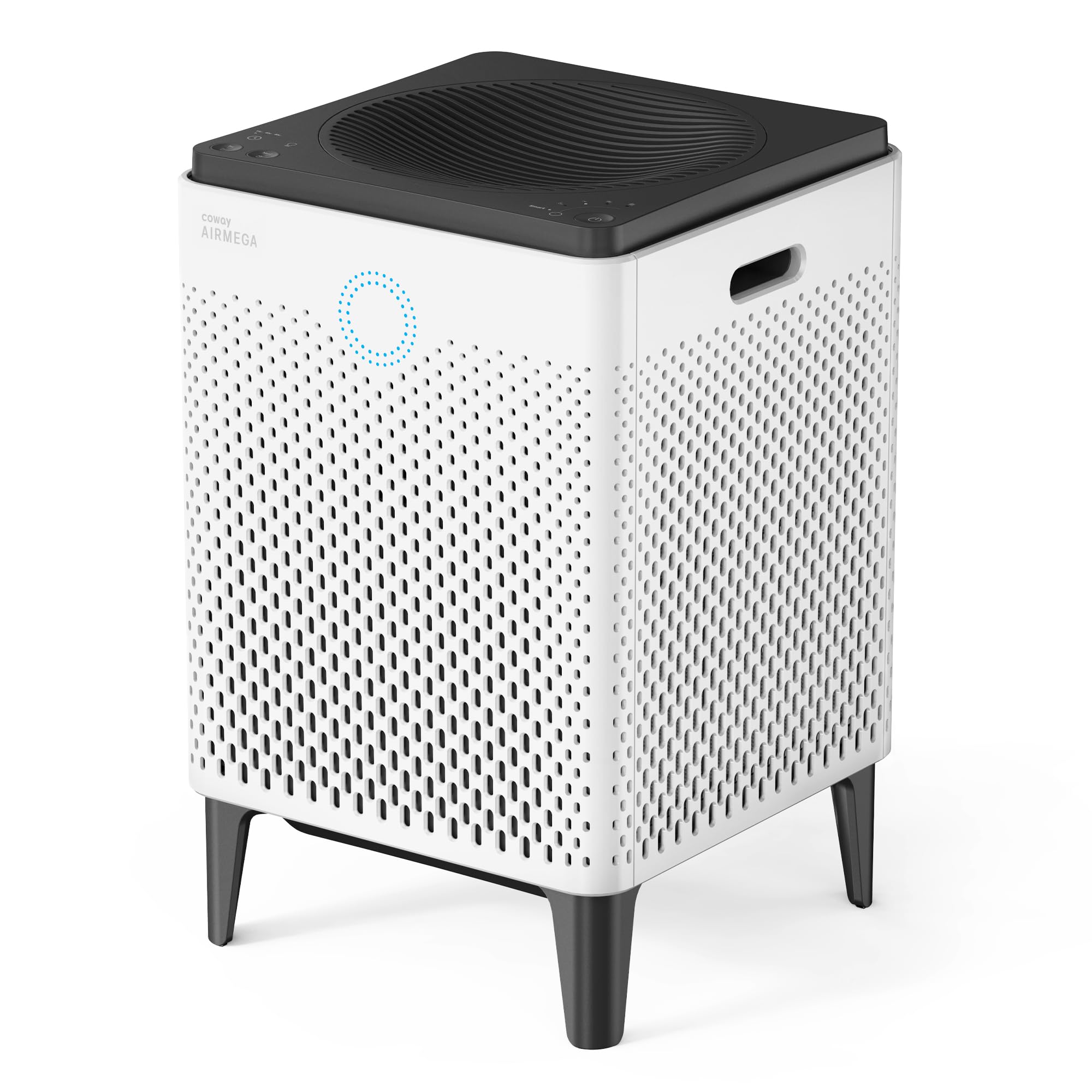
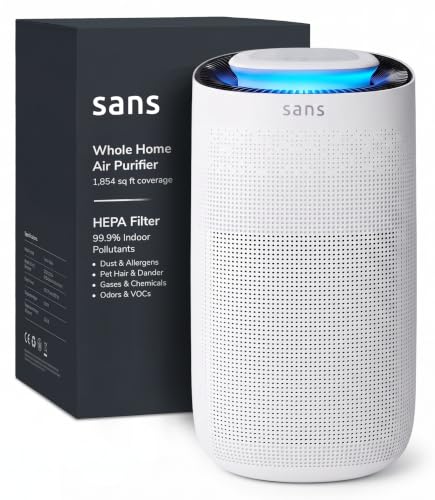

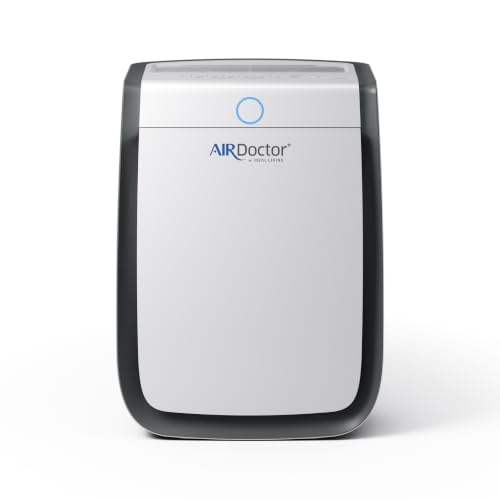


How We Evaluate Air Purifiers
Each criterion below has a clear pass mark, so you can judge a spec sheet in minutes. For a wider view of cleaner categories, see our guide to the best air cleaners and purifiers alongside this checklist.
Features That Matter for Dust and Pet Dander
Pass mark: a sealed housing, True HEPA filtration, a washable prefilter, and a carbon stage, all in one unit. Dust brings a heavy load of larger particles that clog filters, while dander is far smaller and stays airborne, so you need the prefilter and the HEPA stage working as a team.
Dander also carries the proteins that bother sensitive noses, which is why airflow matters as much as filter grade. For a unit focused on dander alone, see our guide to the best air purifiers for pet dander for a narrower comparison.
Room Size and Coverage
Pass mark: a smoke CADR of at least two thirds of your room area in square feet, supporting four to five air changes per hour. Homes with pets benefit from the higher end of that range, because dander is produced all day rather than in one short event.
Fail mark: a coverage claim with no CADR behind it, or a rating based on one or two air changes per hour. Measure the room where your pet spends the most time and where you sit longest, and size for that room first. A second smaller unit for the bedroom often beats one oversized unit in a hall.
Smart Controls and Sensors
Pass mark: a particle sensor that raises fan speed on its own when dust or dander spikes, for example when your pet shakes after a nap or you vacuum a rug. Automatic response matters because the dirtiest moments rarely match a schedule you set by hand.
App control, timers, and air quality displays are useful extras, but they sit below filtration and sizing on this checklist. If two units tie on filters and CADR, choose the one with the clearer display, since a reading you understand is one you will actually act on. Homes mixing dust with pet hair loads can also compare notes in our guide to the best air purifiers for pets and dust.
Noise Level and Sleep Mode
Pass mark: a low speed at or below about 35 dB for bedroom use, with honest noise figures listed for higher speeds too. Pets often sleep in the same room as the unit, and many animals dislike a loud fan at close range, so quiet operation protects your sleep and theirs.
Check the speed that delivers your target air changes, not only the whisper setting in the marketing copy. A slightly larger unit running at a calm medium speed usually beats a small unit at full blast on both noise and cleaning, which is a useful tie breaker on the checklist.
Filter Type and Replacement Cost
Pass mark: a three stage path with a washable prefilter, True HEPA, and activated carbon, plus published filter prices you can check before buying. The prefilter catches hair and coarse dust, the HEPA stage traps dander and fine dust, and carbon softens pet odor.
Yearly filter spend for this combined job commonly runs about $80 to $250. Fail mark: filters sold only as a costly sealed cartridge with no separate prefilter, because hair will shorten its life fast. The related load of loose hair is covered in our guide to the best air purifiers for dust and pet hair, which explains why prefilter care matters so much.
Energy Efficiency and Operating Cost
Pass mark: an ENERGY STAR label or a wattage figure low enough for all day running without worry, usually about 30 to 90 watts on working speeds. Electricity for steady use typically costs a few dollars a month, which is small next to filter costs.
Fail mark: no published power figure at all, which makes running costs a guess. Add one year of electricity and one set of filters to the purchase price in your notes, and compare that honest total across units. That single habit prevents most budget surprises in this category.
What Passing Our Checklist Looks Like at Each Price Tier
Rather than naming models, use these tier profiles to see what a passing unit usually looks like at each spend level. Match the tier to your room and pet load, then check real units against the criteria above.
The Balanced Tier for Most Homes
Around $150 to $300, a passing unit should offer True HEPA in a sealed body, CADR for a mid size living room at four or more air changes per hour, a washable prefilter, and a sensor driven automatic mode. Carbon should be a real layer, not a scented pad.
The Value Tier Without Weak Filters
Under about $150, a passing unit keeps True HEPA and a washable prefilter, and accepts simpler controls, a smaller room rating, and a thinner carbon stage. It should still publish CADR and filter prices clearly, because hidden numbers are where cheap units hide weak performance.
This tier suits a bedroom, a nursery sized room, or a home office where your pet naps.
The Compact Tier for Small Rooms
Compact units earn a pass when they are honest about their small room role: True HEPA filtration, a CADR matched to a desk area or a small bedroom, and a stable base that a cat or small dog cannot knock over. Expect lighter odor control, since small carbon stages fade quickly.
This tier suits a pet sleeping corner, a student room, or a small office. Its limit is whole room reach in anything beyond a modest space, so treat it as a targeted helper rather than your only line of defense in a busy pet home. For placement ideas in busy pet rooms, see our guide to the best air purifiers with pets.
Quick Buyer Checklist
- Is the main filter True HEPA, in a sealed housing with no air bypass?
- Does the smoke CADR reach at least two thirds of your room size in square feet?
- Can the prefilter be vacuumed or washed instead of replaced every month?
- Is there a carbon stage heavy enough to matter for pet odor?
- Are filter prices and change intervals published and affordable for you yearly?
- Is the low speed quiet enough, at about 35 dB or less, for your bedroom?
- Does the unit carry a UL or ETL listing and a warranty of at least one year?
- Will the footprint fit with clear space around the intake where you plan to place it?
Red Flags to Watch For
- Vague filtration words. HEPA type, HEPA style, or 99 percent claims without a particle size suggest a filter below the True HEPA standard.
- No CADR or no AHAM reference. Cleaning speed you cannot verify is cleaning speed you should not pay for.
- Ozone as a selling point. Ozone can irritate airways for people and pets, and filtration alone does the job this checklist measures.
- Suspicious review patterns. Waves of identical praise with no mention of filters, noise, or sizing tell you little about daily use.
- Short warranty and scarce filters. A unit you cannot get filters for in a year becomes clutter, however strong its first month looks.
Tips to Get the Most From Your Air Purifier
Place the unit in the room your pet uses most, with clear space around the intake and exhaust, and run it steadily rather than in short bursts. Replace or clean filters on schedule, vacuum the prefilter every two weeks in shedding season, and keep doors and windows closed while it runs when outdoor dust or pollen is high.
Know how point: brush your pet and vacuum soft furnishings on the same weekly day you wipe the unit grille. Source control and filtration peak together, and that paired routine lowers the load far more than either habit alone.
FAQs
What features matter most in air purifiers for dust and pet dander?
True HEPA filtration in a sealed housing, a washable prefilter, enough CADR for four to five air changes per hour, and a real carbon stage matter most. One point the body of this guide only touches lightly is replacement filter stock, so confirm you can order filters easily in your country before you commit to a less common model.
Is an air purifier expensive to run all day?
No, power for a typical home unit costs only a few dollars a month, even with steady running. Filters are the main yearly cost, often about $80 to $250 in a pet home. If cost worries you, run a higher speed while you are awake and a quiet lower speed overnight instead of switching the unit off entirely.
Where is the best place to put an air purifier in a pet home?
Put it where your pet spends the most time and where you sit or sleep, with clear space around the intake. Keep it stable, out of chewing reach, and a safe distance from water bowls. In many homes the bedroom wins, because you breathe that air for eight hours while dander from bedding and a sleeping pet builds up.
How often should I replace the filter in an air purifier?
Main HEPA filters usually last about six to twelve months, with heavy shedding and dusty rooms at the short end. Vacuum the prefilter every two weeks and watch for falling airflow or returning odor, which signal a spent stage. Many units let you change carbon and HEPA on separate schedules, which can save money when only one stage is done.
Do air purifiers really work?
Yes, a sealed True HEPA unit removes much of the airborne dust and dander that passes through it, and carbon eases pet odor in a closed room. It cannot stop shedding or clean dander already deep in carpets, so grooming and vacuuming still matter. Expect steady gains over a few weeks in the room where the unit runs, not an instant change across the whole house.
What size air purifier do I need for my room?
Choose a unit with a smoke CADR of at least two thirds of the room area in square feet, which supports several air changes per hour. Size for the room your pet uses most, and consider a second smaller unit for the bedroom rather than one unit in a hall. Oversizing slightly lets you run a quieter speed for the same cleaning rate.
Our Verdict
Run every candidate through the same short test: True HEPA in a sealed body, CADR matched to your room, a washable prefilter, published filter costs, and a quiet speed you can live with. Units that pass those lines will handle the daily mix of dust and dander honestly at any tier.
When you compare best air purifiers for dust and pet dander, use the product table above to score coverage, noise, and filter prices side by side. If dander sets off allergy or asthma symptoms in your home, talk with your clinician about personal needs, since a purifier supports a healthy home but does not replace medical advice.