Best Air Purifiers for Dust and Mold: Everything to Know Before Your First Purchase in 2026
Disclosure: We may earn a commission when you buy through links on this page, at no extra cost to you. As an Amazon Associate I earn from qualifying purchases. Learn more

Shopping for the best air purifiers for dust and mold for the first time? Learn the terms, compare options, and avoid rookie mistakes with this easy guide.
If dust settles on your shelves a day after cleaning and a musty smell hangs around a bathroom or basement, it is easy to feel lost when you shop for a purifier for the first time. The terms are new, the ratings are confusing, and the claims sound bigger than the machines.
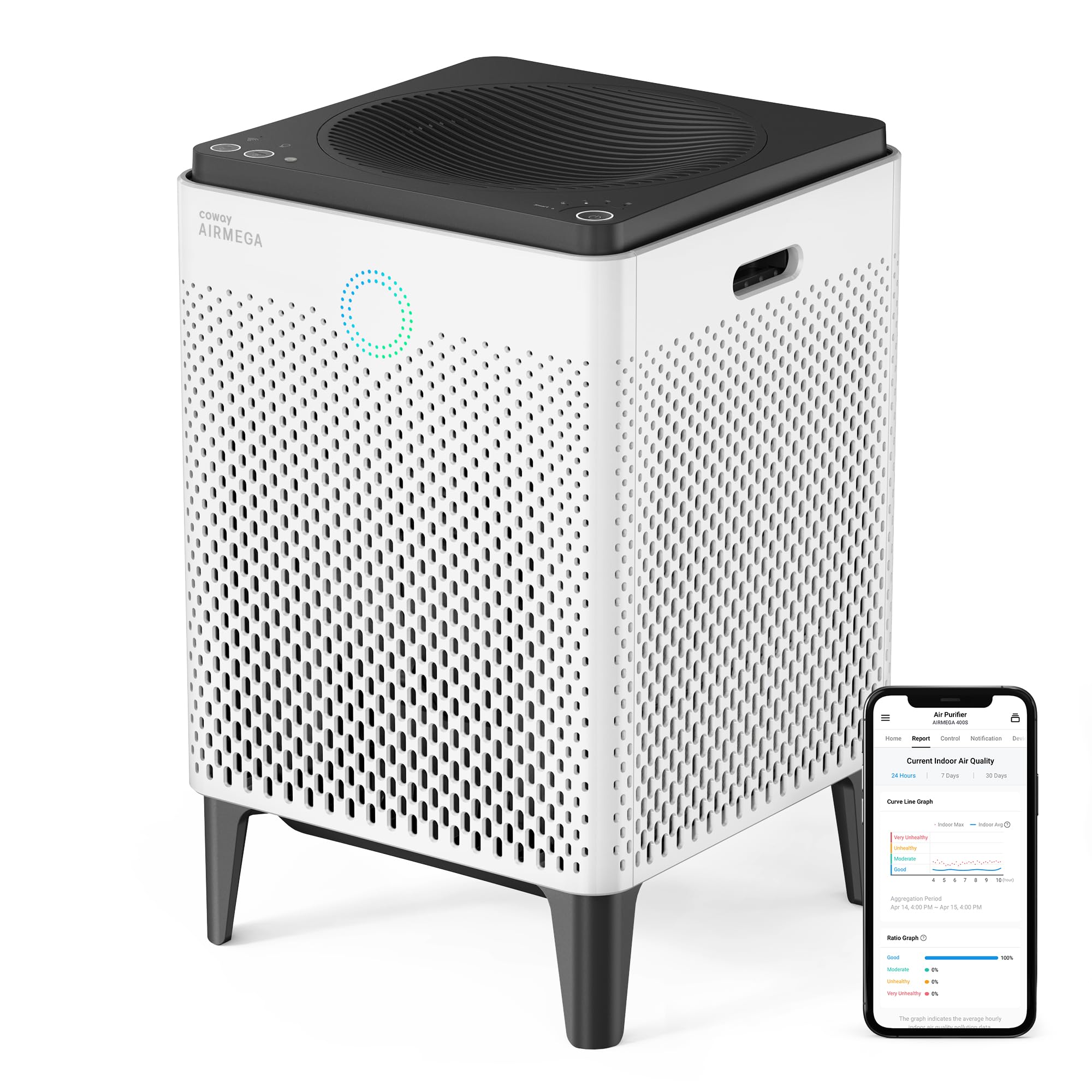
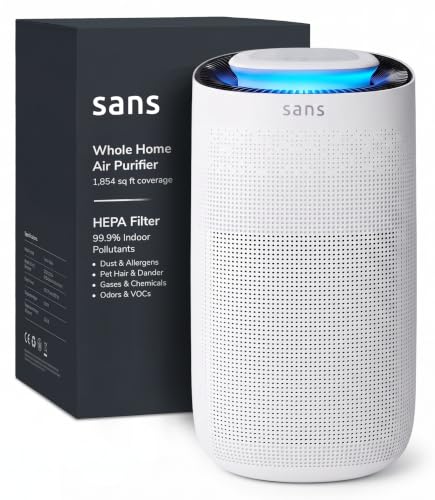
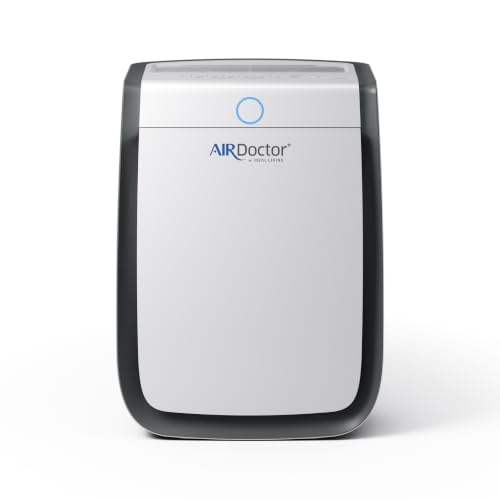
This guide starts from zero, explains each spec in plain English, and shows you how to match a unit to your room and your problem. If you are comparing best air purifiers for dust and mold for a first purchase, read the basics below, then use the comparison table below to check coverage and filter types.



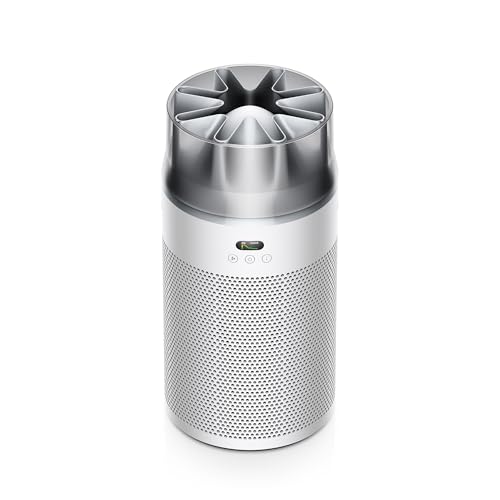
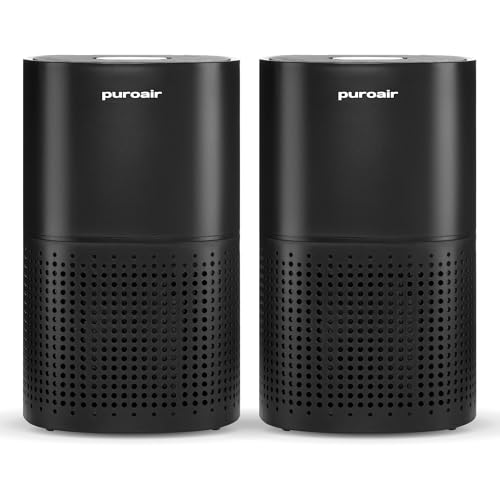
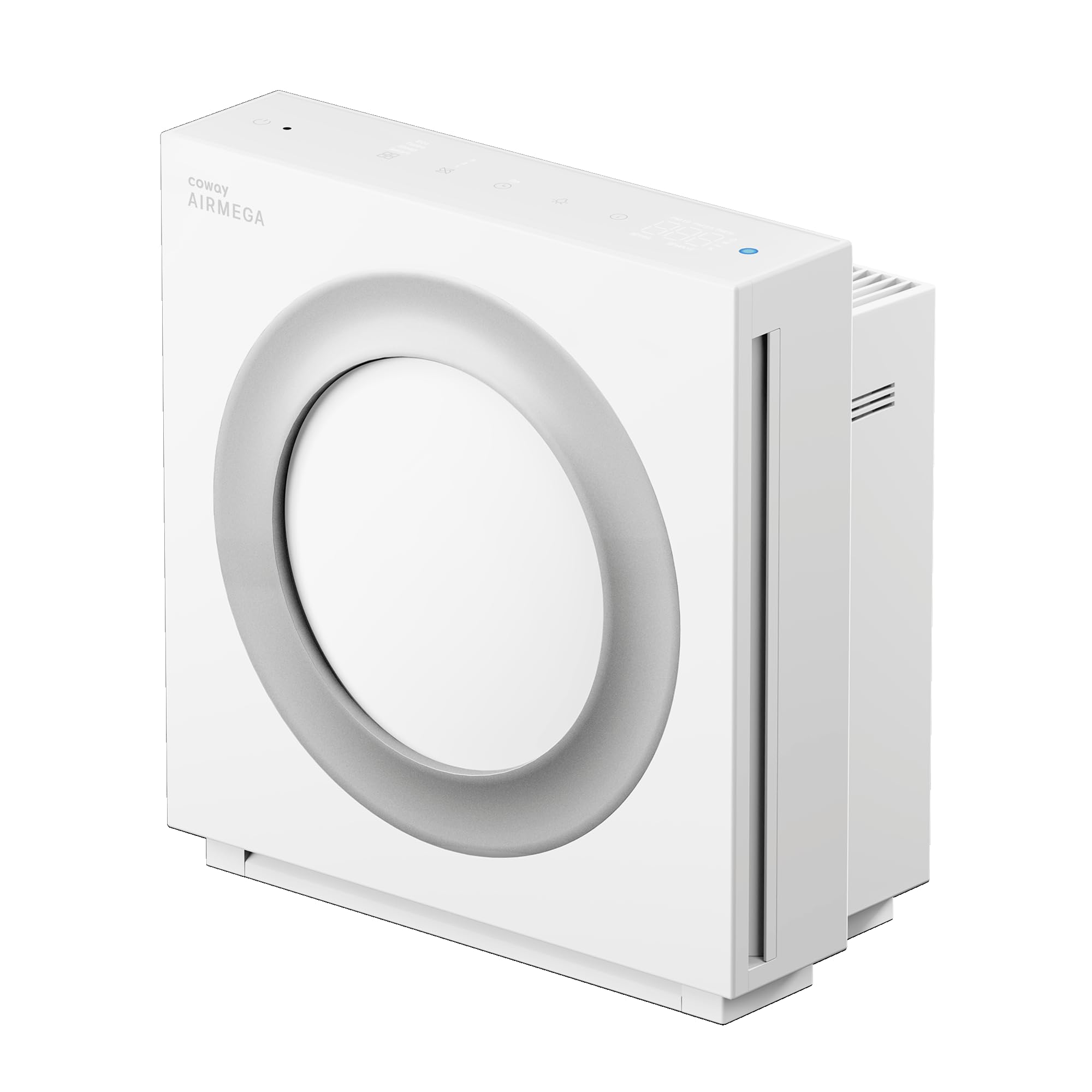
Air Purifiers 101: The Basics
An air purifier pulls room air through filters with a fan. A particle filter traps dust and mold spores that float in the air, and a carbon filter, when present, reduces musty odors that come with damp rooms.
Two limits matter from the start. A purifier only cleans air that passes through it, so it cannot reach dust already settled deep in carpets, and it cannot remove mold that is growing on a wall, under a floor, or inside a damp cavity.
Treat the purifier as one part of a fix that also includes finding and stopping moisture, cleaning visible mold safely, and ventilating bathrooms and kitchens. For a focused look at airborne spores, see our guide to the best air purifiers for mold spores after you finish the basics here.
Key Specs Explained in Plain English
Manufacturers list many numbers, but a first time buyer only needs to understand a few of them well. The sections below translate each spec into what it means in a real room with real dust.
Features That Matter for Dust and Mold
Dust is heavy enough to settle, while mold spores are tiny, light, and released in bursts when a colony is disturbed. Your unit needs True HEPA filtration to trap spores, plus enough airflow to cycle room air often before particles settle again.
A washable prefilter helps more than most buyers expect, because it catches the larger dust load and keeps the HEPA filter from clogging early. A humidity aware routine also matters, since keeping indoor humidity around 30 to 50 percent makes your home far less welcoming to mold growth.
Be careful with add on features that claim to kill mold with light or ions. Filtration you can verify, a sealed housing, and steady airflow do the proven work. If mold covers a large area or keeps returning, that is a job for a qualified remediation professional, not a purifier.
Room Size and Coverage
Coverage is given in square feet and assumes a certain number of air changes per hour. For dust and spore control, aim for four to five air changes per hour, which means choosing a unit rated for your room at that higher cleaning rate, not just any listing that names your square footage.
CADR, the Clean Air Delivery Rate, is the number behind the claim. A common guide is a smoke CADR of at least two thirds of your room area in square feet. Basements and ground floor rooms often need the stronger end, because damp air and dust enter there first.
If your problem room is part of a larger home system, our guide to the best home air purifiers explains how room units and larger units work together. When between sizes, choose the larger unit and run it at a lower speed for the same cleaning with less noise.
Energy Efficiency and Operating Cost
A purifier for dust control works best when it runs many hours a day, so efficiency matters. Most home units use about 30 to 90 watts on working speeds, and an ENERGY STAR label signals a design that wastes less power for the airflow it delivers.
Electricity usually adds up to a few dollars a month, while filters are the larger yearly cost. Note both numbers for each unit you consider, and remember that a clogged filter forces the fan to work harder, which raises power use while cleaning less.
Noise Level and Sleep Mode
Noise is listed in decibels, and the range runs from a whisper quiet low speed to a much louder top speed. For a bedroom, look for a low speed around 25 to 35 dB, which most people can sleep through, and check the noise at the speed that actually delivers your target air changes.
Sleep mode usually dims display lights as well as lowering the fan, which helps in dark rooms. Know how point: if dust is your main issue, run the unit on a higher speed for an hour before bed, then use sleep mode overnight, so you get deep cleaning without all night noise.
Filter Type and Replacement Cost
True HEPA is the core filter for this job, because it traps the fine particles that include mold spores and the smallest dust. Words like HEPA type or HEPA style describe lesser filters, so look for the full True HEPA wording and a sealed housing that stops air leaking around the filter edges.
Activated carbon reduces musty smells, though it does not trap spores, so never trade HEPA quality for a thicker carbon layer if spores are your concern. For a broader filter overview, see our guide to the best air cleaners and purifiers. Expect main filter costs around $50 to $200 per year depending on unit size and how dusty your home is.
Installation and Placement
Setup is simple: unbox the unit, remove the plastic wrap from every filter, seat the filters in order, and plug it in. There are no ducts, hoses, or window kits with a standard purifier, which is why renters often start here.
Place the unit in the room with the problem, on a hard floor with clear space around the intake and outlet. Keep it a sensible distance from the damp corner itself, so it is not splashed or breathing the wettest air at the wall, and keep the door closed while it runs for the best effect in that room.
Picking the Right Air Purifiers for Different Uses
Most first time buyers are solving one of two problems: everyday dust that never seems to end, or damp rooms with a mold history. If dust on surfaces is your main complaint, our guide to the best air purifiers to remove dust focuses on that pattern alone.
Best Air Purifiers for Dust and Mold Allergies: Tips for First Time Buyers
When allergies drive the purchase, the priorities shift slightly. You still need True HEPA and strong air changes, but bedroom placement and quiet night operation matter more, because exposure during eight hours of sleep outweighs a living room session.
Dust mites, which live in bedding and feed on shed skin, are a common partner problem alongside dust and mold. Our guide to the best air purifiers for dust mites covers that angle, and washing bedding in hot water weekly helps more than any machine for mites themselves. If sneezing, wheezing, or asthma symptoms are part of your life, talk with your doctor or allergist about personal needs rather than relying on a purifier alone.
Rookie Mistakes to Avoid
- Expecting a purifier to remove growing mold. It traps airborne spores only, so fix leaks, dry the area, and clean or remove moldy material first.
- Buying by square feet alone. A rating at low air changes cleans too slowly for spore control, so check CADR and air changes together.
- Choosing a HEPA style filter. Lesser filters let the finest particles pass, which are exactly the ones you bought the unit to catch.
- Turning the unit off most of the day. Dust and spores build back up between runs, so long steady operation beats short bursts.
- Ignoring humidity. A damp room will keep feeding mold no matter how good the filter is, so track humidity and fix the source.
Getting Started: Setup and First Use
Begin in the worst room, not the easiest one. Unbox the unit there, remove all filter packaging, and run it on its highest speed for the first few hours to clear the air that has built up, then settle into a steady medium speed.
Replace or clean filters on schedule, starting with a monthly vacuum of the prefilter in a dusty home. Keep doors and windows closed while the unit runs in the target room.
Know how point: write the date you installed each filter on a label stuck to the filter frame. Memory is unreliable six months later, and that one habit prevents both early waste and overdue changes that quietly cut performance.
FAQs
What features matter most in air purifiers for dust and mold?
True HEPA filtration in a sealed housing, CADR high enough for four to five air changes per hour, and a washable prefilter matter most. Carbon helps with musty odor but does not trap spores. One point buyers often overlook is a filter change indicator based on run time, which is more useful in dusty homes than a plain calendar reminder.
What size air purifier do I need for my room?
Measure the room in square feet, then choose a unit whose smoke CADR is at least two thirds of that figure, which supports several air changes per hour. Damp basements and rooms with heavy dust deserve the next size up. If the room has a door, size for that room alone, because the unit will do little for air down the hall.
Is an air purifier expensive to run all day?
No, most units cost only a few dollars a month in electricity, even running around the clock on medium speeds. Filters cost more than power over a year. A timer can help in a guest room that sits empty, but for an active dust or mold problem, steady running gives better results for very little extra money.
Where is the best place to put an air purifier for dust and mold?
Place it in the problem room, on the floor with clear space around the intake and outlet, and not hidden behind furniture. Keep it near, but not against, the damp or dusty area so air circulates through the whole room. In a bedroom, a spot a few feet from the bed balances clean air delivery with low noise.
Do air purifiers really work?
Yes, for airborne particles they work well: True HEPA filtration removes much of the dust and mold spores that pass through the unit. They do not remove mold growing on surfaces or dust settled deep in soft furnishings, so cleaning and moisture control remain essential. Judge results over two to three weeks of steady use, not one day.
How often should I replace the filter in an air purifier?
Most HEPA filters last about six to twelve months, with dusty homes and damp areas closer to the short end. Vacuum the prefilter monthly and follow the unit indicator as a guide. If musty odor returns, the carbon stage may be spent even when the HEPA filter still has life, and the two can often be changed on different schedules.
Our Verdict
For a first purchase, keep the decision simple: True HEPA in a sealed unit, CADR matched to your room at four to five air changes per hour, and a moisture fix alongside the machine. That mix handles airborne dust and spores honestly, without paying for features that do not clean air.
When you compare best air purifiers for dust and mold, use the product table above to line up coverage, noise, and filter cost for your problem room. If mold keeps returning or covers a wide area, bring in a qualified professional, and talk with your clinician about personal allergy or asthma needs.