Best Air Purifiers For Pets And Dust 2026
Disclosure: We may earn a commission when you buy through links on this page, at no extra cost to you. As an Amazon Associate I earn from qualifying purchases. Learn more

Learn how to choose an air purifier for pet hair, dander and household dust, with room size, filter type and running cost explained in plain terms.
The best air purifiers for pets and dust matter most in homes where fur, dander and fine dust build up every day. A good purifier traps particles before they settle on furniture and bedding, and it keeps the air feeling fresher between cleans. The comparison table below shows the main types side by side so you can match one to your rooms.
Pet homes need a different balance than a general dust guide covers. You want strong particle capture for dander, a prefilter that catches fur before it clogs the main filter, and a carbon layer for odour. This guide walks through those choices without pushing any single model.


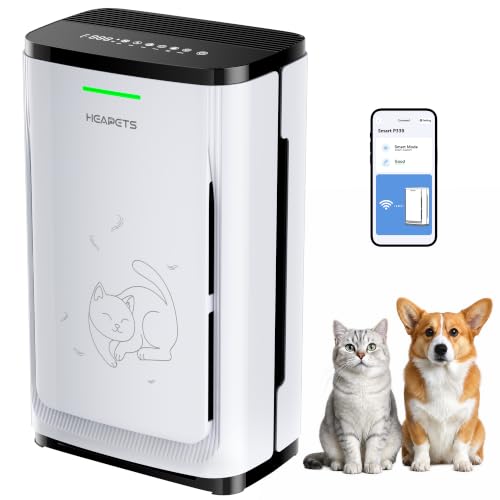

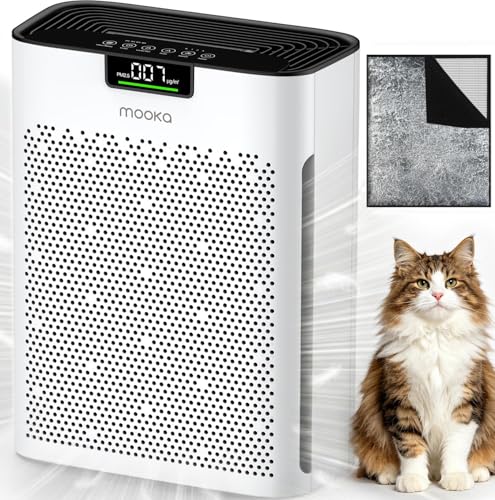
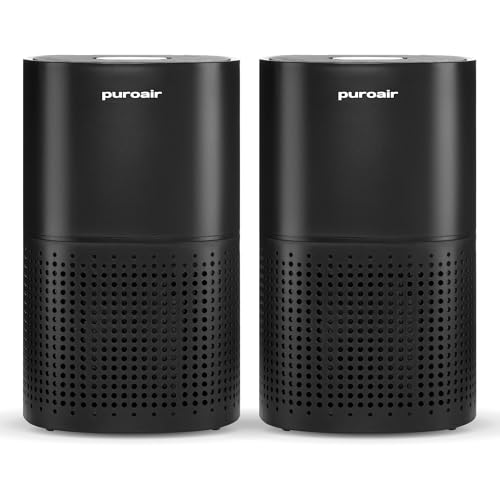

Who Should Buy the Best Air Purifiers for Pets and Dust
Homes with shedding dogs or cats gain the most, since dander is light and stays airborne for a long time. Allergy prone households also benefit, because a true HEPA filter captures the tiny particles that trigger sneezing and itchy eyes. If you vacuum often and still see dust on surfaces within a day, a purifier can close that gap.
Small flats with one pet still need coverage, but a compact room unit is usually enough. Larger homes do better with a unit sized for the main living area plus a smaller one in the bedroom. Renters should check for a portable model that needs no installation and leaves no marks.
Types of Purifiers for Pet Homes
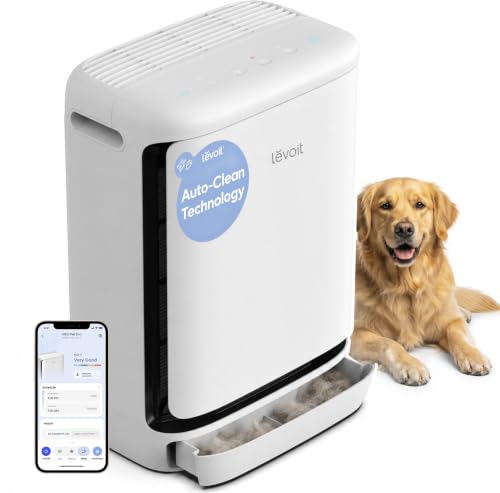
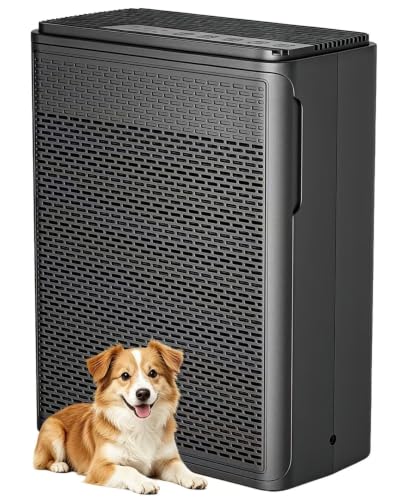
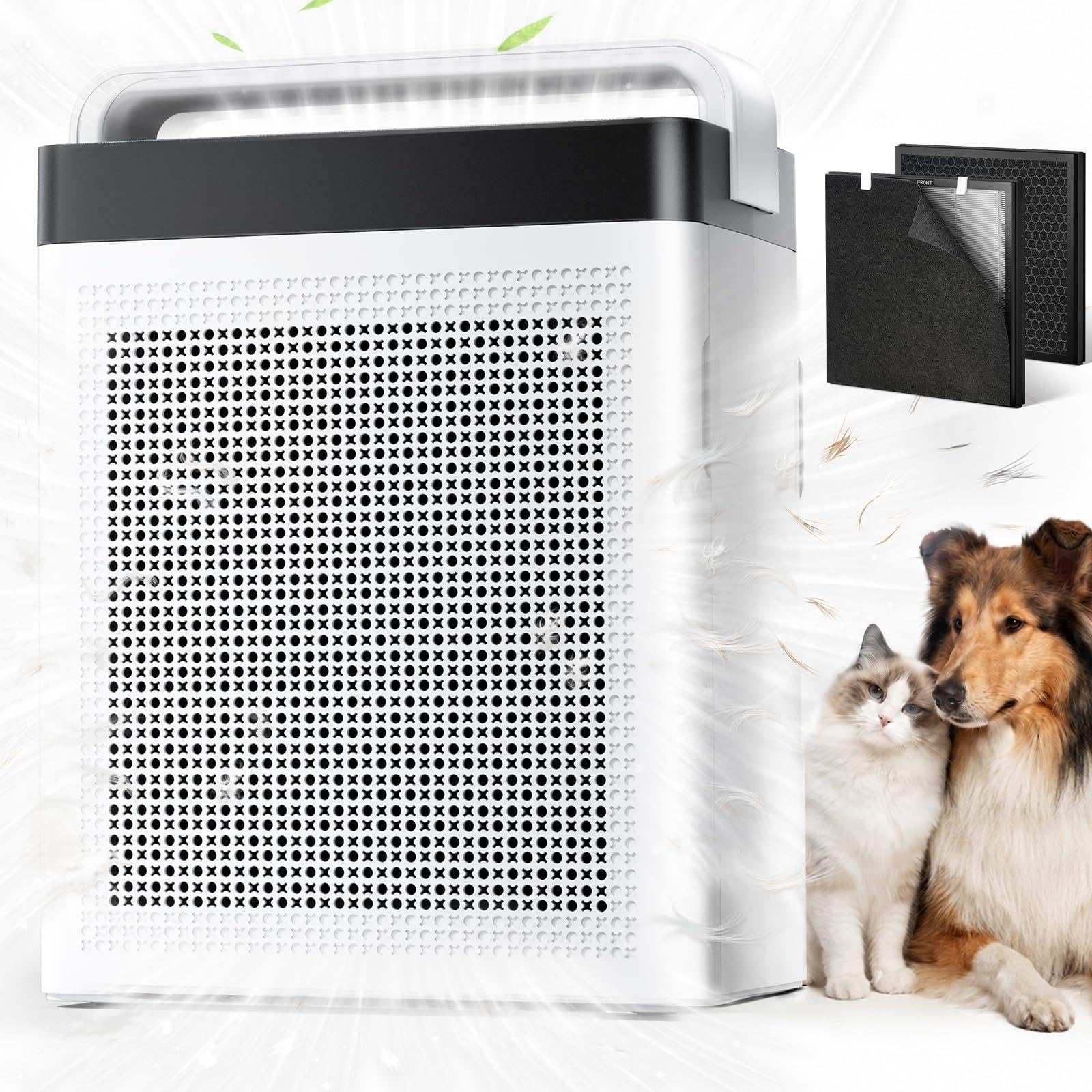
Tower purifiers suit living rooms because they move a lot of air and cover a wide area. Compact cube units fit bedrooms and home offices where floor space is tight. Some models add a washable prefilter that traps fur first, which protects the HEPA layer and stretches its life. Whole room units with a carbon stage also help with litter box and wet dog odour.
Avoid units that rely only on an ioniser, since they do not trap dander in a filter you can replace. A sealed system matters too, because air that leaks around the filter carries dust straight back into the room. Look for a design where the filter sits snugly and the housing closes firmly.
Key Features to Compare
Filter type comes first. True HEPA captures very fine particles, while a carbon layer handles smells from pets and cooking. Check the clean air delivery rate and match it to your room size rather than buying the biggest unit on the shelf. Noise matters as well, since a purifier only helps when it runs, and a loud unit often gets switched off at night.
Running cost is the hidden price. Replacement filters, electricity use and prefilter cleaning all add up over a year. A unit with a washable prefilter and a filter life indicator is easier to live with. Smart sensors that raise fan speed when dust rises are handy, but they should never replace a simple manual control.
Room Size, Placement and Daily Use
Measure the room and compare it with the coverage figure, then allow some headroom so the unit does not need to run at full speed all day. Place it where air can flow freely, away from curtains and furniture that block the intake. Keep bedroom doors open or closed as you prefer, but remember that a closed door limits the area one unit can clean.
Run the purifier for several hours a day in the rooms pets use most, and keep it going during grooming or vacuuming when dust rises. Empty the prefilter often during shedding season so airflow stays strong. A purifier works best beside regular vacuuming and washing of pet bedding, not instead of those habits.
Filter Care and Replacement Costs
Vacuum or rinse the prefilter as the manual allows, and note the date you install each new HEPA filter. Most homes replace the main filter every six to twelve months, but heavy shedding shortens that span. A clogged filter cuts airflow and can make the unit noisier, so a drop in air output is a useful warning sign.
Budget for filters when you compare prices, because a cheap unit with costly filters can cost more over two years than a pricier unit with cheaper replacements. Keep one spare filter at home so you are not caught out during allergy season. Dispose of used filters in a bag to avoid shaking trapped dust back into the air.
Common Mistakes to Avoid
Buying a unit far too small for the room is the most common error, and it leaves dust levels barely changed. Placing the purifier in a corner behind a sofa is another, since blocked airflow wastes its power. Skipping prefilter cleaning lets fur choke the system and shortens the main filter life.
Do not expect a purifier to remove pet hair from floors or furniture, since that job still belongs to a vacuum and a lint roller. Also avoid ozone generating models for pet homes, because ozone can irritate lungs for people and animals alike. Choose a model that states it meets safety standards for home use.
Related Guides Worth Reading
If you want a broader view of room coverage, our guide to best home air purifiers explains how to size a unit for a whole living area. For homes where dust is the main problem rather than fur, best air purifiers for dust and pet hair covers the overlap in more depth. Readers comparing filter systems may also like best air cleaners and purifiers, while best air purifiers for pet dander and dust focuses on dander specifically. If you live with pets in general, best air purifiers with pets rounds out the picture.
Frequently Asked Questions
How often should I run a purifier in a pet home?
Run it for several hours each day in the rooms your pets use most, and keep it on during grooming, vacuuming and shedding season when dust rises. Continuous low speed use works well in bedrooms at night, provided the noise level lets you sleep. A purifier that runs only for an hour a week will not keep dander levels down.
Does a carbon filter really help with pet odour?
Yes, a carbon layer absorbs many smells from litter boxes, wet fur and pet bedding that a HEPA filter alone cannot catch. Carbon fills up over time, so replace it on schedule or the odour will return even while dust capture stays strong. Homes with strong odour problems should choose a model with a thicker carbon stage.
Is true HEPA worth the extra cost over HEPA type filters?
True HEPA captures a much higher share of very fine particles, which matters for dander and dust that trigger allergies. HEPA type filters catch larger dust but let more fine particles through. If allergies are the reason you are buying, true HEPA is the safer choice and the price gap is usually modest.
Where should I place the purifier for the best result?
Place it in an open spot with clear space around the intake and outlet, away from curtains, sofas and corners that block airflow. Put it near the area pets sleep or play, since that is where dander concentrates. Avoid placing it directly against a wall, because restricted airflow reduces cleaning power.
How do I know when to replace the filter?
Watch for weaker airflow, rising noise, returning odour or a filter indicator light if your model has one. Most homes need a new main filter every six to twelve months, sooner during heavy shedding. Note the install date on the filter frame so you can judge its age at a glance.
Final Thoughts
Start with room size and filter type, then weigh noise and yearly filter cost before you decide. A sealed true HEPA unit with a washable prefilter suits most pet homes, and steady daily use matters more than occasional high speed bursts. The product table above gives a quick way to compare the main types, and your own cleaning routine will do the rest.
For best air purifiers for pets and dust, steady daily use and clean prefilters matter more than any single feature.