Best Air Purifiers for Dorm Rooms 2026: A Buying Guide
Disclosure: We may earn a commission when you buy through links on this page, at no extra cost to you. As an Amazon Associate I earn from qualifying purchases. Learn more

Dorm rooms need quiet, compact air cleaning. Compare the best air purifiers for dorm rooms by coverage, sleep mode, filter cost, and placement.
Students who share a room and want cleaner air while studying and sleeping will find the best air purifiers for dorm rooms easier to choose with this guide. This guide explains the product in plain language, compares the features that matter most, and points out the mistakes that cost buyers time and money. Use it to compare options side by side before you order.
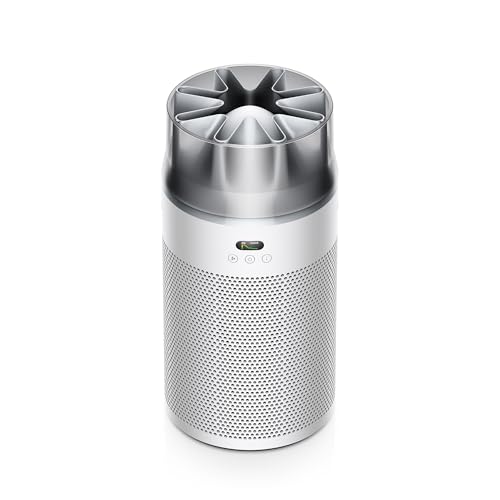
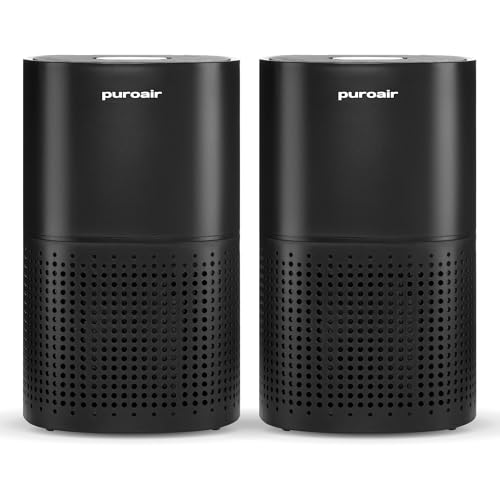
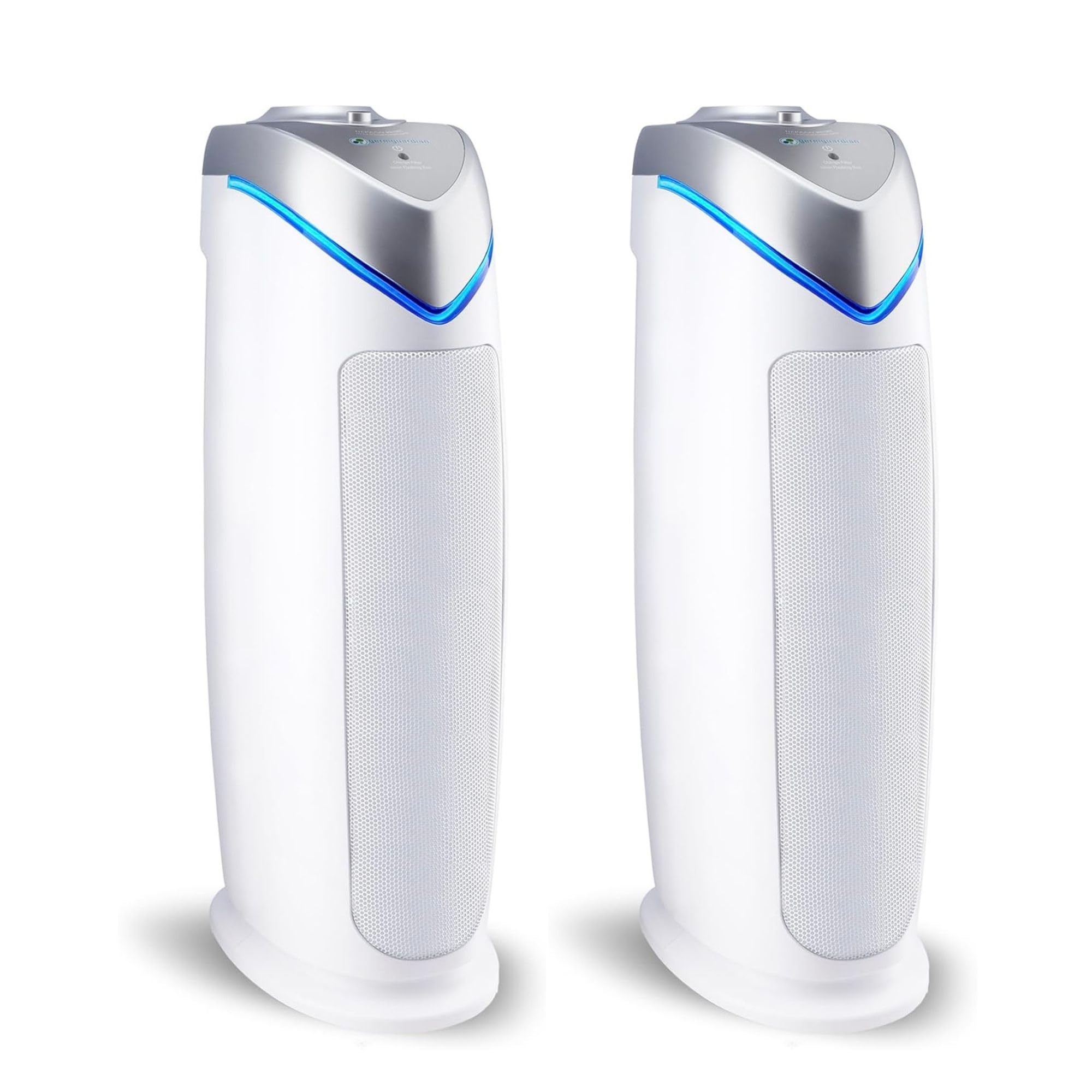
The comparison table below shows the main options at a glance. Read the sections that follow in order, or jump to the feature section if you already know the size and style you need. Either way, the advice stays practical and focused on everyday use in a small shared dorm room.


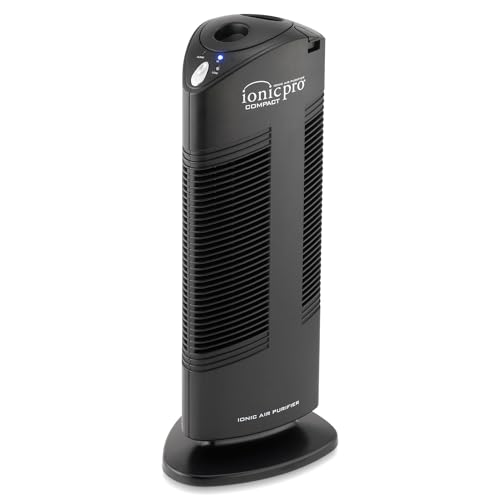


The Basics in Plain Language
An air purifier for dorm rooms works best when it matches the way you actually live. Think about how often you will use it, who else will use it, and what space you have for it. A product that looks impressive in a listing can still disappoint if it does not fit your routine, your room, or your budget.
Start with the basics rather than the extras. Match coverage to the room floor area, and look for a purifier that can cycle the room air about four or five times per hour on its normal setting. Then check the build quality, the controls, and the running costs. Those four checks catch most poor purchases before money changes hands, and they keep the decision grounded in real use.
Key Features to Compare
Room size and coverage
Coverage ratings assume a closed room, so a purifier rated for a much larger room will clean a dorm room faster and quieter. For a dorm room of 100 to 250 square feet, a unit rated for 300 to 400 square feet leaves headroom to run on a quiet speed.
Noise and sleep mode
A quiet sleep mode matters in a dorm, because a loud fan can disturb a roommate even if the air feels fresher. Look for a sleep mode around 25 to 35 dB and a display that dims, so light and sound do not disturb a roommate.
Filter type and cost
A true HEPA filter captures fine dust, while a carbon layer helps with odors from cooking and shared hallways. Check the replacement filter price and how long it lasts before you buy, since upkeep matters on a student budget.
Size and placement
A slim unit that sits near a desk or bed without blocking a walkway fits dorm life better than a wide floor unit. Check the height and footprint against your desk or bed frame, and leave space around the intake so air can flow.
Choosing the Right Size and Type
Size and type choices often cause more regret than brand choices. A model that is too large crowds a room or a counter, while a model that is too small forces compromises every time you use it. Measure your space, check doorways and storage spots, and picture the product in daily use.
Also think about who will use it most. A household with children, guests, or shared use needs controls that are simple and parts that are easy to clean. A single user with a fixed routine can accept a more specialized setup, as long as the core features still work well.
Mistakes to Avoid
Many buyers regret a purchase for the same few reasons. Watch for these traps, and use them as a checklist before you order.
- Buying on size alone without checking fit, access, and storage in a small shared dorm room.
- Paying for extra modes or features that you will rarely use in normal weeks.
- Ignoring running costs such as filters, parts, or servicing over the first year.
- Skipping a real world test, such as trying the fit, the controls, or the setup at home.
Price, Care, and Everyday Value
Prices for this kind of product usually span about $60 to $220, depending on size, materials, and features. A budget option can serve well for light use, while a midrange option often adds durability and easier controls. A premium option pays off only when you use the extra quality often enough to notice it.
Check the filter schedule before buying, since a cheap purifier with costly filters can cost more over a school year than a pricier model. Keep the maker guide handy for the first month, and note any part that wears early. Good care protects your purchase and keeps performance steady over time.
Before you order, confirm returns, warranty length, and what the warranty actually covers. Check delivery size and setup help too, since a large or technical product can surprise you on arrival day. A calm final check beats a rushed purchase.
For related buying advice, see best air cleaners and purifiers, best air purifiers for dorms, best home air purifiers, best air purifiers for large rooms, and best air purifiers for small rooms for related options that may suit a different room, budget, or use.
A Final Check Before You Order
Before you order, return to the two features that will shape daily satisfaction with an air purifier for dorm rooms. Room size and coverage deserves a close look, because coverage ratings assume a closed room, so a purifier rated for a much larger room will clean a dorm room faster and quieter. A second check on filter type and cost matters too, since a true hepa filter captures fine dust, while a carbon layer helps with odors from cooking and shared hallways. When both checks feel right, the rest of the specification sheet becomes less important, and the purchase feels calmer.
Think about a typical week in a small shared dorm room and picture the product in that routine. Will it sit where you can reach it easily, will cleaning fit into your normal schedule, and will the size still feel right after the novelty fades? Buyers who answer those three questions honestly tend to keep their purchase longer and use it more often than buyers who focus only on a sale price.
Finally, compare the total cost rather than the headline price alone. The usual range here runs about $60 to $220, and running costs, spare parts, and servicing can shift the real cost over a year. A model that costs a little more at first can still be the better value when it lasts longer and needs less attention.
Frequently Asked Questions
How do I choose the right size for an air purifier for dorm rooms?
Start with your space and your usual use, not with the largest option on the page. Match coverage to the room floor area, and look for a purifier that can cycle the room air about four or five times per hour on its normal setting. If you sit between two sizes, choose the larger one only when storage and access still feel easy, since a cramped setup causes daily frustration.
What feature matters most in an air purifier for dorm rooms?
The feature that affects daily use matters most, and that varies by product. For this guide, focus first on room size and coverage and noise and sleep mode, since those shape comfort and results every time you use it. Extra features help only after the core experience feels right. In a shared room, quiet operation and a slim footprint matter as much as filter performance.
How much should I expect to spend on an air purifier for dorm rooms?
Most buyers find a workable option in the range of about $60 to $220, with simpler models at the lower end and more durable or feature rich models at the higher end. Set your budget after checking running costs, since filters, parts, and servicing can add up over the first year of ownership.
How do I care for an air purifier for dorm rooms?
Regular simple care keeps performance steady and extends product life. Follow the maker guide for cleaning intervals, and fix small wear early rather than waiting for a part to fail during a busy week.
Who should avoid this kind of product?
Anyone whose space, budget, or routine does not fit the product should pause before buying. If the size feels awkward, the controls feel confusing, or the running costs feel high, a simpler or smaller option may serve you better. A good purchase should feel easy to use from the first week.
Final Thoughts
Choosing the right best air purifiers for dorm rooms comes down to fit, core features, and honest use. The product table above gives a quick comparison, but your space, your routine, and your budget should make the final call. Take time with the size check and the feature check before you order.
If you are still unsure, revisit the sections on size and care, and talk with a knowledgeable seller or a professional when safety, health, or installation questions arise. A careful choice now saves returns, repairs, and regret later.