Best Air Purifiers for COPD Patients: A First Time Buyer's Guide for 2026
Disclosure: We may earn a commission when you buy through links on this page, at no extra cost to you. As an Amazon Associate I earn from qualifying purchases. Learn more

Shopping for the best air purifiers for COPD patients for the first time? Learn the terms, compare options, and avoid rookie mistakes with this easy guide.
If you live with chronic obstructive pulmonary disease, often called COPD, the air in your bedroom and living room matters every single day, not just on bad air days. This guide explains the best air purifiers for COPD patients in plain language, starting with the basics and moving step by step toward a sensible first purchase. You will learn which filters count, how to size a unit, and what running one actually costs.
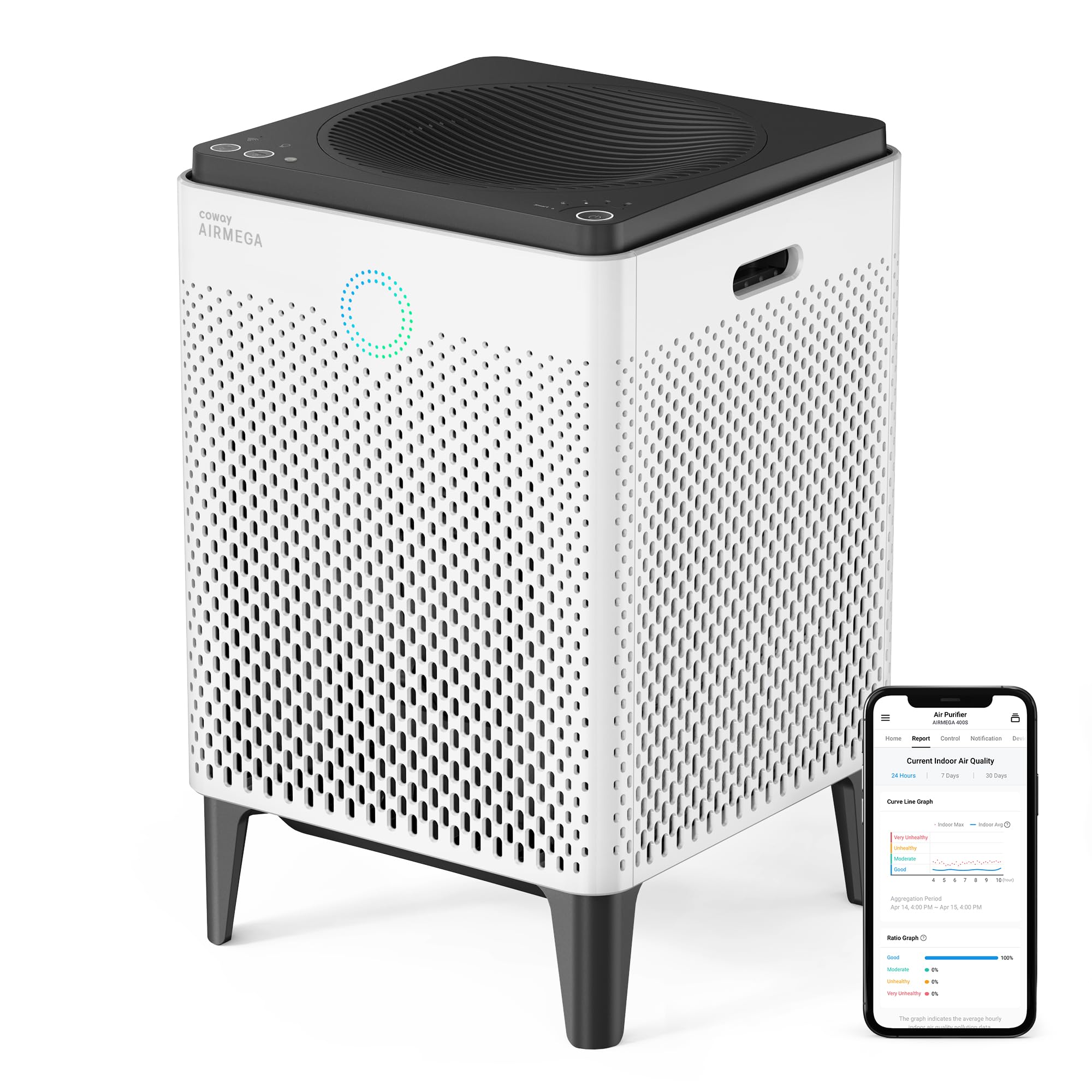
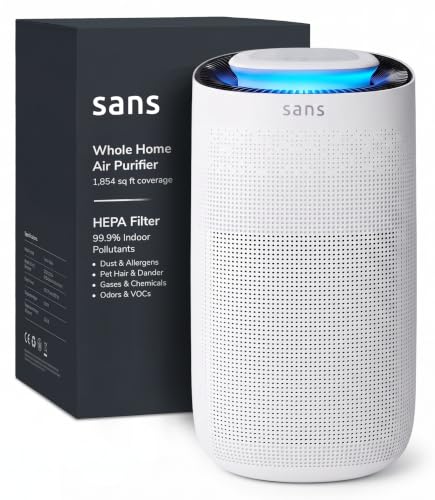
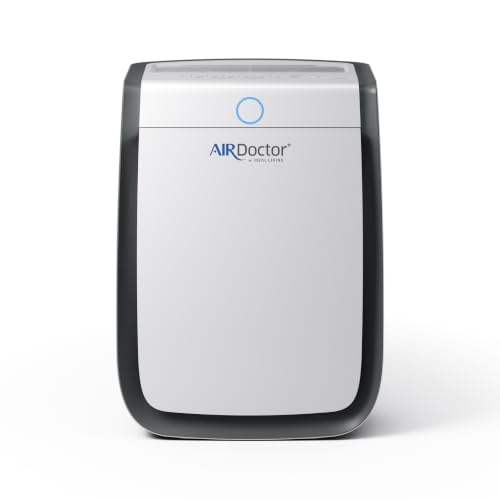
A purifier cannot treat COPD, and it never replaces your prescribed inhalers, oxygen, or medical care. Used well, though, it can lower the load of dust, pollen, pet dander, and smoke particles in the rooms where you spend the most time, and the comparison table below will help you judge options once you know the key terms.



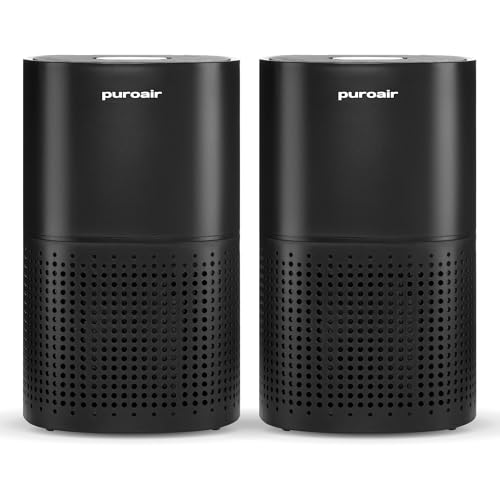

Air Purifiers 101: The Basics
An air purifier pulls room air through filters with a fan, traps particles in the filter media, and returns cleaner air to the room. The most useful designs for sensitive lungs use a True HEPA filter, which captures very fine particles such as dust, pollen, mold spores, and pet dander. Some models add activated carbon, which helps with odors and some gases, including lingering cooking smells and tobacco smoke odor, though carbon does not capture particles on its own.
Three terms explain most listings. CADR, or clean air delivery rate, shows how much filtered air a unit delivers. Square feet ratings estimate the room size the unit can handle. AHAM is an industry group whose room size guidance ties CADR to sensible coverage. If you are still sorting out general types, our guide to the best air cleaners and purifiers gives a helpful overview before you focus on COPD specific needs.
One warning belongs near the front. Seek medical care promptly for warning signs such as much worse breathlessness than usual, lips or face turning blue or gray, confusion, chest pain, or an inability to speak in full sentences. A purifier is home equipment, not emergency care, and worsening symptoms need your doctor or urgent services, not a fan speed change.
Key Specs Explained in Plain English
Listings mix helpful numbers with distracting extras. The six areas below are the ones that shape daily life with COPD, from trigger control in the bedroom to the electricity bill at the end of the month.
Features That Matter for COPD Patients
For COPD patients, the priority is steady, reliable capture of fine particles that can irritate airways, including dust, pollen, dander, and secondhand smoke particles. Choose True HEPA filtration in a sealed housing, a carbon stage if smoke or strong odors reach your home, and an auto mode driven by a particle sensor so the fan responds when indoor air gets worse. Avoid features that add ozone, because ozone can irritate lungs; look for clear statements that the unit is ozone free and certified for low emissions. Simple controls matter too, since a unit you can run confidently every day beats a complex one that sits switched off.
Room Size and Coverage
Start with the bedroom, where you spend long, uninterrupted hours breathing the same air. Measure the room in square feet by multiplying length by width, then pick a unit rated for at least that area, and ideally more, so it can clean well on a quieter speed. Guidance based on CADR aims for about four to five air changes per hour in sensitive settings. A slightly oversized unit running on medium often cleans better and sounds softer than a small unit straining on its top speed. If your living room is much larger, treat it as a second zone rather than expecting one portable unit to cover the whole home.
Filter Type and Replacement Cost
Most suitable models layer a prefilter for coarse dust, a True HEPA filter for fine particles, and activated carbon for odors and smoke related gases. Add up replacement costs before you buy, because filters may need changing every six to twelve months and prices vary widely between brands. A washable or vacuum friendly prefilter stretches the life of the costly HEPA stage. For a focused look at filter grades themselves, see our guide to the best air purifiers hepa options and what the labels actually mean. Never wash a HEPA filter unless the manual says it is washable, since water can ruin the media.
Performance Ratings (CADR, BTU, Pints/Day, CFM)
Of the ratings on a listing, CADR is the one that matters for a purifier, given separately for dust, pollen, and smoke, with the smoke figure being the strictest guide. CFM, or cubic feet per minute, describes raw airflow and roughly tracks CADR. BTU belongs to air conditioners and pints per day belongs to dehumidifiers, so ignore both when comparing purifiers, even though shopping sites sometimes show them side by side. Higher CADR in the same room means faster particle removal after events like vacuuming or a visitor arriving with outdoor dust on clothing. Check that the rating comes from standard testing rather than a maker claim alone.
Installation and Placement
Portable purifiers need no installation, just a flat spot on the floor and a standard outlet. Place the unit in the room where you spend the most time, with clear space around the intake and outlet, and not tucked behind a sofa or curtain where air cannot circulate. Keep it a few feet from your bed rather than right against it, so airflow feels gentle and noise stays lower at night. Keep doors and windows closed while it runs during high pollen or smoky periods, because open windows keep adding new particles faster than the fan can remove them. Our guide to the best home air purifiers covers whole home placement patterns if you plan to add a second unit later.
Noise Level (dB) and Sleep Mode
Noise is measured in decibels, and for a bedroom unit the low speed figure matters most. Many people sleep well with a soft fan sound around 25 to 35 dB, while top speeds can reach conversation level and disturb rest. A dedicated sleep mode usually dims display lights as well as lowering the fan, which helps if light bothers you. Since COPD can already fragment sleep, test the sound during a nap before committing to a placement. If a unit cleans your room size well on its quiet settings, you gain cleaning around the clock rather than only while you are out of the room.
Rookie Mistakes to Avoid
- Expecting the purifier to treat COPD. It lowers particle exposure, but your treatment plan still comes from your doctor.
- Buying an ozone producing model. Ionizing features that release ozone can irritate sensitive airways, so choose clearly ozone free designs.
- Undersizing for the bedroom. A small unit on its loudest speed cleans less and gets switched off at night, which is when steady cleaning helps most.
- Forgetting filter costs. Replacement HEPA and carbon filters are a recurring expense, and some cost far more than others.
- Placing it in the wrong room. A hallway unit does little for the bedroom air you breathe for eight hours.
Getting Started: Setup and First Use
When the unit arrives, open it in a clean area, remove the plastic bag that most makers wrap around the main filter, and fit each filter in the order shown in the manual. Set it in the bedroom first, run it on a medium or auto setting, and give it a full day before judging the effect, since particle levels fall gradually. Replace or clean filters on schedule from the start, and mark the next change date on your calendar so it does not drift.
Two daily habits help. Keep doors and windows closed while the unit runs during pollen season or smoky weather, and vacuum floors with a slow, careful pass so settled dust does not become airborne all at once. Budget minded shoppers can compare yearly running costs with our guide to the best inexpensive air purifiers, keeping in mind that low purchase price and low filter cost do not always come together. If you also shop for a family member with the condition, our guide to the best air purifiers for COPD looks at the same needs from a slightly different angle.
Frequently Asked Questions
What features matter most in air purifiers for COPD patients?
True HEPA filtration in a sealed housing, a carbon stage for odors, and a particle sensor with auto mode matter most. Together they capture fine triggers and respond when indoor air worsens, without you watching the controls. Confirm the unit is ozone free. A quiet sleep mode also counts, because a unit that runs all night delivers far more cleaning than one you switch off.
Is it expensive to run an air purifier for COPD 24/7?
It is usually affordable, since most home units draw power similar to a small fan, especially on low and medium speeds. Costs rise on turbo settings, so a correctly sized unit that cleans well at lower speeds saves money over time. Check the wattage and your local electricity rate for an estimate. ENERGY STAR rated models generally use less power for the same airflow, which helps when the unit runs around the clock.
How often should I replace the filter in an air purifier for COPD?
Follow the maker schedule, commonly every six to twelve months for the HEPA filter, and sooner if your home has pets, smokers nearby, or heavy dust. A fading airflow, a persistent odor, or a filter indicator light are practical warning signs. Keep the prefilter clean in between, because a clogged prefilter makes the whole unit work harder. Buying one spare ahead avoids a gap in protection.
Where is the best place to put an air purifier for COPD?
The bedroom is usually the best first spot, because you breathe that air for long, steady stretches. Place the unit on the floor with clear space around it, a few feet from the bed, and away from corners where air sits still. If you spend most of the day in one living area, that room is a reasonable alternative or a home for a second unit. Keep it out of damp bathrooms, where moisture can load the filter.
What size air purifier do I need for a COPD bedroom?
Measure the room in square feet, then choose a unit rated for that size or larger, using the smoke CADR as your strictest guide. Sizing up lets the unit hit four to five air changes per hour without running at its loudest. For an average bedroom, that often means a midsize unit rather than a small desktop model. If the room has high ceilings, treat the space as larger than its floor area suggests.
Final Thoughts
Put True HEPA filtration, correct bedroom sizing, and quiet round the clock running at the top of your list, and let extras wait. Check filter prices before you buy, place the unit where you breathe the longest, and review the product table above to compare the best air purifiers for COPD patients choices against those basics. Finally, talk with your clinician about your personal needs, including which triggers matter most for you, before you rely on any home device as part of your COPD care.