Best Air Purifiers for COPD 2026: A Careful Guide
Disclosure: We may earn a commission when you buy through links on this page, at no extra cost to you. As an Amazon Associate I earn from qualifying purchases. Learn more

Learn how to choose the best air purifiers for COPD with strong filtration, quiet running, and room coverage that suits your home and daily routine.
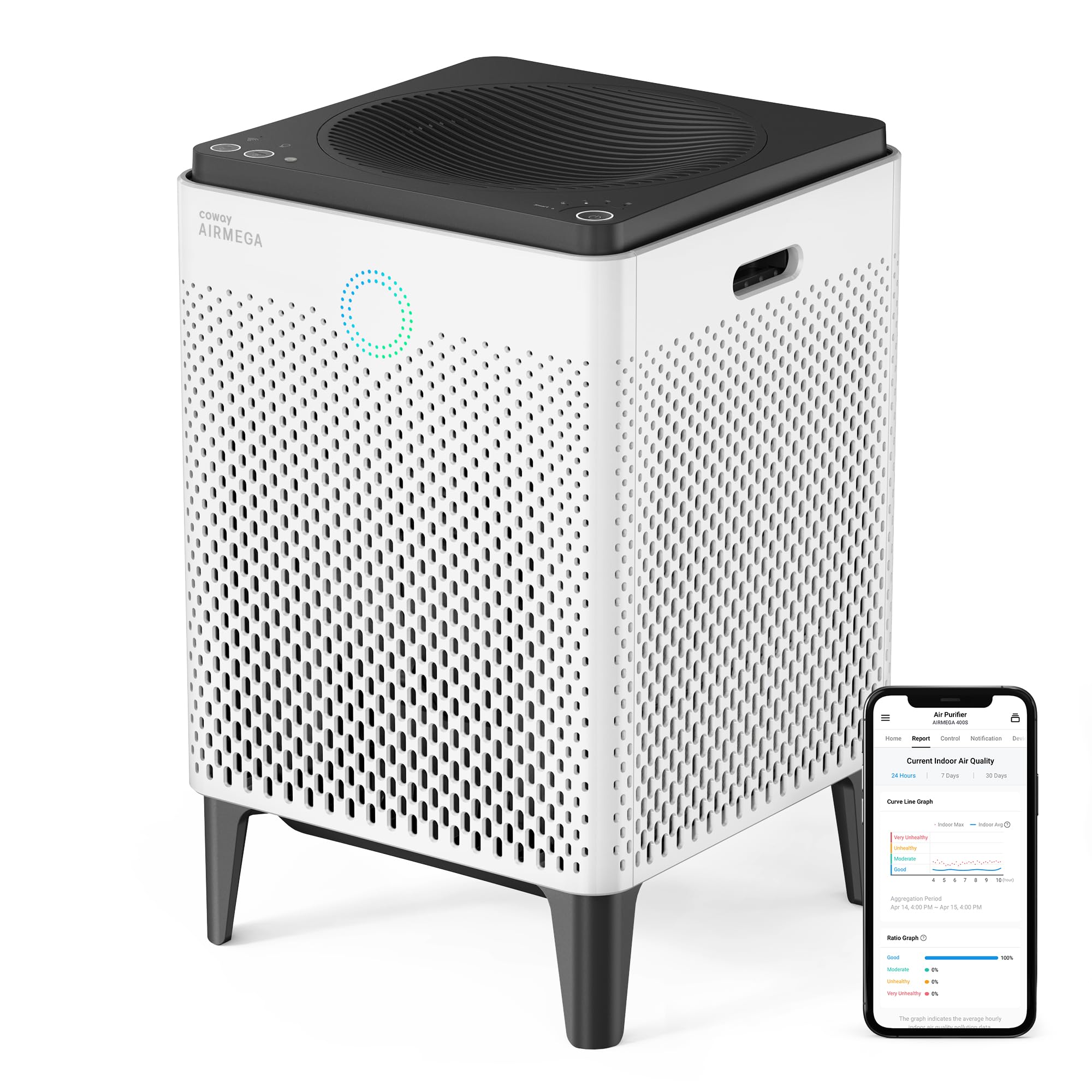
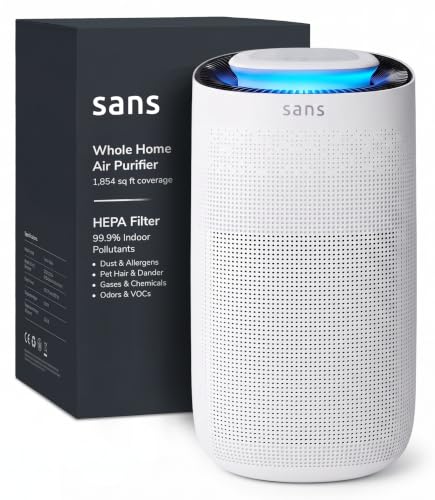
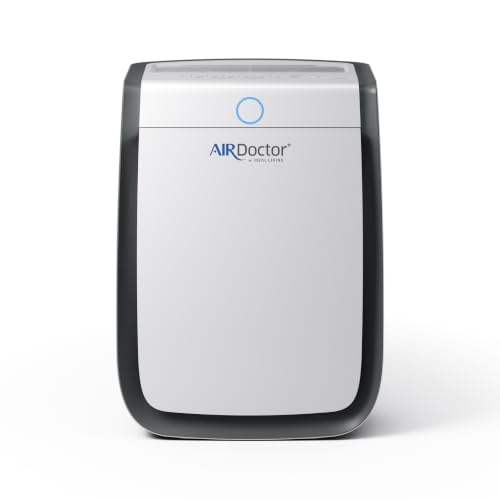
Best air purifiers for COPD can help reduce airborne dust, pollen, and smoke in your home, though no purifier treats or cures a lung condition. The comparison table below sets out the main types side by side so you can compare filtration, room coverage, and noise. Cleaner indoor air may ease everyday comfort for some people, but it works best alongside medical care, not instead of it.
Choosing a purifier for breathing concerns deserves extra care, since marketing claims often outrun evidence. Filter type, airflow, and room size matter far more than fancy displays or ionizer features. This guide explains what genuinely helps, what to avoid, and when to seek professional advice about your breathing.



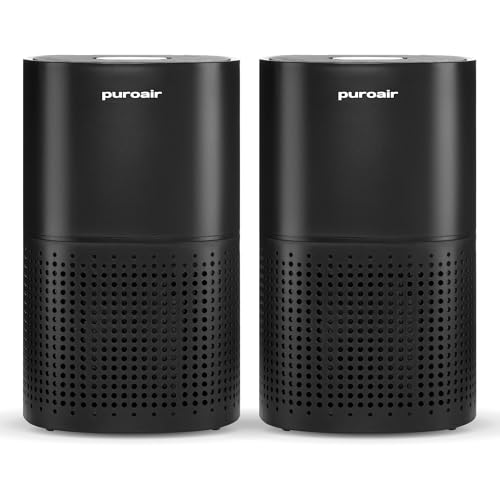

Who Should Consider an Air Purifier
An air purifier suits people with COPD who notice that dust, pollen, pet hair, or smoke worsens their comfort at home. It also suits households in dusty areas, homes with pets, or homes near busy roads where outdoor particles enter easily. A purifier cleans the air in one room, so it helps most in bedrooms and living rooms where you spend the most time.
If you smoke indoors or live with a smoker, stopping smoke exposure matters far more than any purifier, since purifiers cannot remove all smoke harm. People with severe or worsening breathing symptoms should talk with their clinician first, since new or worsening symptoms may need medical review rather than a home appliance. A purifier supports comfort, but it never replaces prescribed treatment.
Filtration That Matters
True high efficiency filtration captures very small airborne particles, including dust, pollen, and many smoke particles. Look for a genuine high efficiency filter rather than a vague filter type claim, and check that the purifier seals well so air cannot bypass the filter. A carbon filter helps with odors and some gases, though it does not capture fine particles alone.
Avoid purifiers that produce ozone as a byproduct, since ozone can irritate airways and worsen breathing problems. Ionisers that claim to clean air without a strong filter often perform poorly and may also produce ozone. Favour a purifier with a solid filter, a sealed design, and clear replacement guidance. For broader comparisons, see best air cleaners and purifiers, and best home air purifiers covers home models generally, while best air purifiers for COPD patients focuses on patient needs.
Room Size and Airflow
Room coverage decides whether a purifier actually cleans your space, so match the purifier rating to your room size. A small purifier in a large living room will struggle, while an oversized purifier in a bedroom may prove noisy and wasteful. Check the clean air delivery rate and the recommended room size, and favor a model that exchanges room air several times per hour.
Placement matters too, since a purifier blocked by furniture or curtains cannot draw air freely. Put the purifier where air flows around it, keep doors closed when possible, and run it consistently rather than only when symptoms flare. A purifier that runs quietly on a low setting all day often helps more than a powerful model you switch off because of noise. General air cleaning options appear in best air cleaners.
Noise, Running Costs, and Maintenance
Noise matters greatly when a purifier runs in a bedroom overnight. Check noise levels at low and medium speeds, since makers often quote only the quietest setting. A purifier you can sleep beside will run far more hours than a loud model you switch off at night, which makes quiet operation a real health feature rather than a luxury.
Filter replacement costs add up, so check filter prices and life before you buy. A cheap purifier with costly, short lived filters may cost more over two years than a dearer model with long lasting filters. Set reminders for filter changes, since a clogged filter reduces airflow and lets particles through.
Warning Signs and Professional Guidance
Seek prompt medical attention when breathing worsens suddenly, lips or face turn blue, confusion appears, or prescribed inhalers stop helping as usual. These signs need urgent care, not a new appliance setting. Keep your action plan from your clinician where you can find it, and share it with household members so they know when to call for help.
Talk with your clinician about home air quality, including dust control, pet allergens, and smoke exposure, since personal advice beats general guidance. A purifier forms one part of a broader plan that may include cleaning routines, ventilation, and trigger avoidance. Never adjust prescribed medicines based on purifier marketing or online claims.
Mistakes to Avoid
The most common mistake is buying a purifier too small for the room, then wondering why air still feels dusty. Another mistake is choosing an ozone producing model because it promises fresher air, which can irritate sensitive airways. Always check filtration type, room rating, and ozone safety before you buy.
Many buyers also forget filter costs and maintenance, then run a clogged purifier for years. Track filter life, clean pre filters as directed, and replace main filters on schedule. A maintained purifier protects your investment and your comfort far better than a neglected one.
Daily Routines That Support Cleaner Indoor Air
A purifier works best as part of a daily routine that also tackles dust at its sources, starting with regular vacuuming using a sealed machine and damp dusting of surfaces. Wash bedding weekly in hot water where fabric allows, and keep soft furnishings to a manageable level in the bedroom, since curtains and cushions collect dust quickly. These habits reduce the particle load any purifier must handle, which improves results in every room.
Ventilation needs balance with filtration, since fresh air dilutes indoor pollutants but can also bring pollen and traffic particles inside. Open windows briefly when outdoor air feels clean, and rely on the purifier during high pollen days or heavy traffic hours. A simple routine of short ventilation plus steady purifier running suits most homes better than either extreme alone.
Finally, keep a small log of comfort, filter changes, and any symptom changes to share with your clinician at reviews. Patterns across weeks reveal more than any single day, and they help your clinician judge whether home air measures support your broader care plan. Never use the log to adjust medicines yourself, but do use it to ask better questions at appointments.
Frequently Asked Questions
Can an air purifier help with COPD?
An air purifier may help with COPD comfort by reducing airborne dust, pollen, pet hair, and smoke particles in a room. It does not treat COPD, cure lung damage, or replace prescribed medicines and medical care. Cleaner air may ease irritation for some people, especially in bedrooms where they spend many hours. Talk with your clinician about realistic expectations and about triggers that matter most in your home.
Should I avoid ionizers and ozone generators for COPD?
Yes, you should avoid ionizers and ozone generators when you have COPD, since ozone can irritate airways and worsen breathing. Some ionizers produce ozone as a byproduct, while ozone generators deliberately release it. Favour a purifier with genuine high efficiency filtration and no ozone claims. Check the product details for ozone safety information, and ask your clinician when you are unsure about a model.
What size air purifier do I need for a bedroom?
Choose an air purifier rated for your bedroom size or slightly larger, so it exchanges room air several times per hour. Measure the room, then compare the maker room rating and clean air delivery rate. A slightly larger purifier can run quietly on a low setting while still cleaning well. Avoid a very small purifier for a large room, since it cannot keep up with particles entering the space.
How often should I replace purifier filters?
Replace purifier filters as the maker directs, often every six to twelve months for main filters and more often for pre filters in dusty homes. A clogged filter reduces airflow and lets particles pass, so track replacement dates carefully. Check the filter visually when you clean the pre filter, and replace it sooner when it looks dark or damaged. Factor filter prices into the total cost before you buy.
Where should I place an air purifier for best results?
Place an air purifier where air flows freely around it, away from walls, curtains, and large furniture that block intake. Bedrooms and living rooms benefit most, since you spend the most time there. Keep doors closed when possible so the purifier cleans one room effectively rather than struggling with a whole house. Run the purifier consistently, especially overnight, for the steadiest benefit.
Final Thoughts
Best air purifiers for COPD come down to genuine filtration, correct room sizing, quiet running, and safe operation without ozone. Use the product table above to compare those factors, and talk with your clinician about how a purifier fits your broader care plan. Cleaner air may support daily comfort, but it works alongside medical care, never instead of it.
Choose a model you can afford to maintain, run it consistently, and replace filters on schedule. If breathing worsens, seek medical help promptly rather than waiting for an appliance to help. With careful choice and professional guidance, a purifier can become a useful part of a healthier home.